Science Says This Is the Healthiest Way to Wake Up
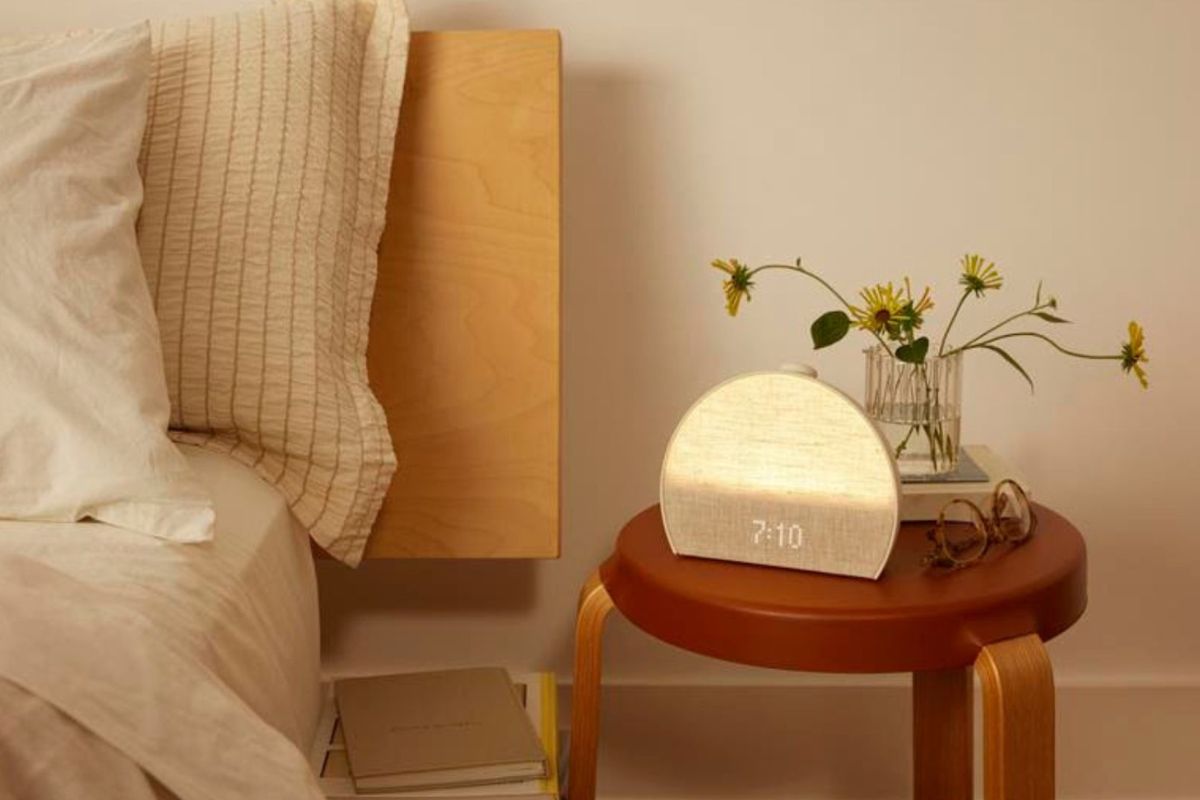

Mornings are stressful as it is, and noisy, fight-or-flight-activating alarm clocks — especially ones that sound like this — definitely don’t diffuse the stress. That’s why some folks, at least those whose schedules allow for it, choose to wake up with the sun, easing into the day without the stress response triggered by an alarm inserting itself into your day at full volume.
For those of us who are tied to earlier shifts, attend regular events, or care for children or animals, an alarm is unfortunately essential. It’s what, even if you have trouble sleeping past six or seven in the morning, ensures we get out of bed and get going. That said, those of us used to the sound our alarms make grow numb to how they make us feel — and what they might be doing to our nervous systems.
A 2024 study conducted by University of Virginia doctoral research student Yeonsu Kim “showed that the morning blood pressure surge when forced to wake up by an alarm was significantly greater than when waking up naturally.” In simpler terms, abrupt alarm sounds cause blood pressure to spike, trigger a “fight or flight” response, raise cortisol levels, and contribute to higher anxiety levels throughout the day.
An Australian study from 2020 found that more melodic alarm sounds improved alertness (less sleep inertia) after waking while reducing stress, both at the time of waking and later in the day. “Sleep inertia,” it read, “is a potentially dangerous reduction in human alertness and occurs 0–4 hours after waking. The type of sound people set as their alarm for waking has been shown to reduce the effects of sleep inertia… [and] a sound which is ranked as melodic by participants shows a significant relationship to reports of reductions in perceived sleep inertia.”

Reader Favorites



Thankfully, there’s a product that blends both approaches: the Hatch Restore 3. To wake you, it slowly illuminates your room, mimicking the sun. Once fully lit, a melodic alarm tone of your choosing guides you into your day. It still triggers the release of cortisol, but not to stress-inducing levels: “By gently waking you up with light instead of sound, the sunrise alarm mimics a natural dawn, moving from red to orange to white before your chosen alarm sound plays. This gradual exposure to light prompts your brain to release cortisol, the hormone that cues your body to wake naturally and gently,” the box reads.
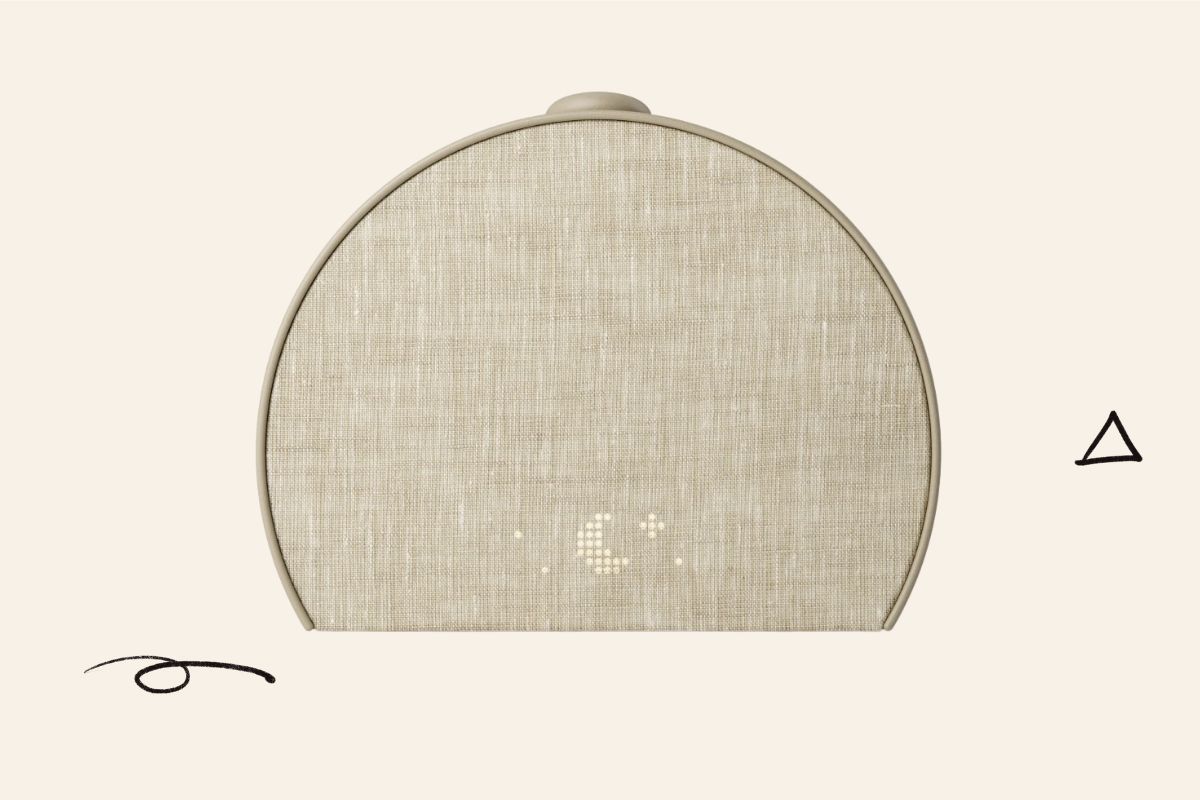
Hatch Restore 3
The light within typically begins to brighten 15 to 60 minutes before the scheduled wake-up time, depending on your user settings, going from a darker red to a bright white, as explained above, and your chosen alarm gradually gets louder, albeit on a shorter timeline. If you snooze the alarm (as most of us do), the tone stops, but the light stays on, acting as a gentle reminder that it’s time to get out of bed.
When you buy a Restore, it includes the device, its power cord, and a quick-start guide. You need a 2.4GHz Wi-Fi connection to use it and access to an iOS or Android device to download the accompanying app, which lets you register the device, set your alarm time, choose your tune, and play wind-down tracks, sleep podcasts, or stories. Your original purchase includes a free 30-day trial of the annual plan, which renews at $49.99/year after those 30 days.
Feature Image: Courtesy of Hatch
More From Our Network
Better Report is part of Inbox Studio, an email-first media company. *Indicates a third-party property.