Why Laundry Soap Is Better Than Laundry Detergent
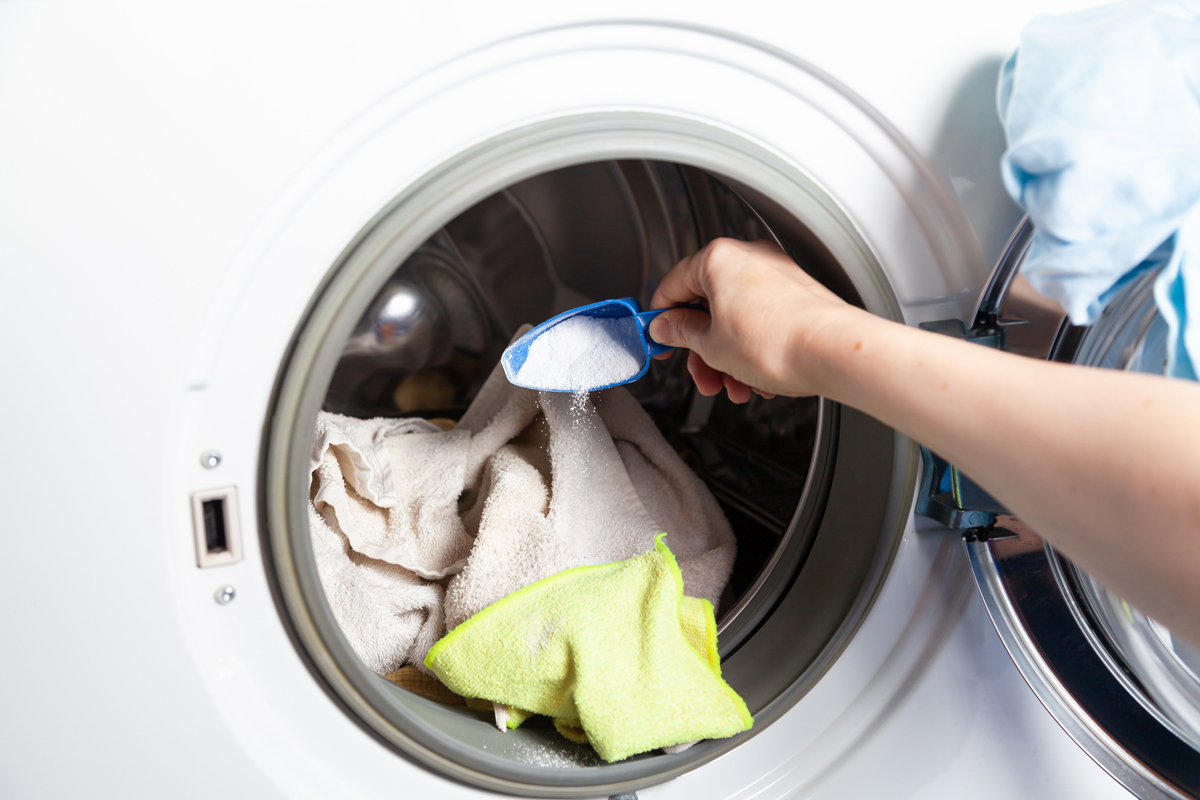
Many of us have been doing laundry for decades. But even after thousands of cycles worth of experience, we all succumb to the pitfalls of this loathed chore. From forgetting a red shirt in a load of white clothes to shrinking a new pair of trousers — it’s enough to drive you crazy. To further complicate things, there are so many laundry products to choose from, like laundry soap. You might be thinking, “Isn’t that just detergent?” Well, kind of. Laundry soap performs the same cleaning duties as laundry detergent but with different ingredients. To add to the confusion, some brands label their detergent as “soap” and vice versa. This can be frustrating, but don’t throw in the towel just yet. Discover the ins and outs of laundry soap and why it might be a better choice than traditional detergent.
Prices are accurate as of July 8, 2024. Subject to change. All featured products and deals are selected independently and objectively by the author. Better Report may receive a share of sales via affiliate links in content.
Detergent vs. Soap
True soaps are made with natural ingredients, including fats and oils from plants, animals, and minerals, combined with a base, such as lye. When the ingredients for soap are mixed together, a reaction called “saponification” happens. This new creation, called “soap,” removes dirt from surfaces, skin, and fabric. If something is marketed as a “natural laundry detergent,” it might be a laundry soap, but because consumers are more familiar with the word “detergent,” the term is used instead. Today, most “soaps” — hand soap, shampoo, dish soap, and more — are actually detergents. The FDA notes that there are few true soaps on the market today.
A detergent is a water-soluble cleansing agent made of artificial surfactants that penetrate fibers to remove dirt and oils. Detergents are the most popular types of laundry-washing products today. While they can eliminate stubborn stains and built-up grime, they aren’t as safe for human and environmental health as natural soaps.
Long-term detergent use can cause skin irritation and pose health risks. In a study published in the Journal of Chemical and Pharmaceutical Research, some surfactants found in detergents were determined harmful to human health. The study explained that surfactants are toxic and may accumulate in the body. Other studies have shown that some surfactants are absorbed through the skin, which can lead to liver damage and other chronic symptoms and possibly be carcinogenic. For this reason, some laundry doers opt for a more natural approach: laundry soap without detergents and added chemicals. By making the switch, you’re protecting your health and the environment.
Here’s a crash course in laundry product ingredients to determine whether you’re using a detergent or a soap:
Common soap-related ingredients: Coconut oil, olive oil, sodium chloride, sodium hydroxide, potassium chloride, potassium hydroxide.
Common detergent-related ingredients: sulfates, ethoxylates, betaines, oxides.
Tip: If your product contains ingredients from both lists, it’s a detergent.
Laundry Soap 101
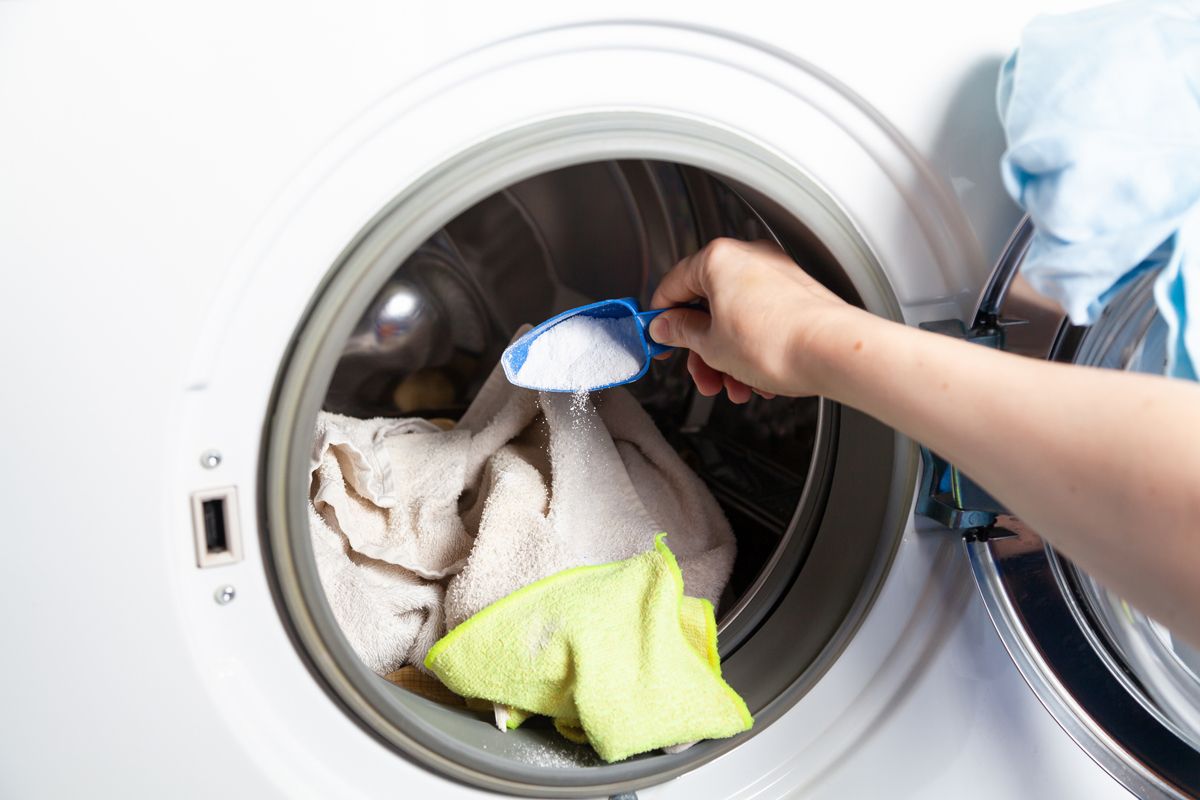
Switching to laundry soap is a breeze. It can replace any detergent to clean your clothes in the washing machine. It comes in a few forms — powder, liquid, and flakes — but powders and liquids are the most popular and cost-effective. Using it is as easy as using liquid detergent. Add the recommended amount into the barrel and your clothes before you start the wash. Soap should clean your laundry as well as detergent would, but read the product label to be sure. Some laundry soaps, especially flakes, work best in warm or hot water because they don’t dissolve in cooler rinses. However, plenty of powder and liquid options are made for cold-water washing.
If you want to embark on the laundry soap journey, a good starting point is the brand Ingredients Matter. Their award-winning, fragrance-free Laundry Soap received an “A” rating on the EWG’s Guide to Healthy Cleaning. It contains a blend of soaps and salts derived from plant-based ingredients like coconut and olive oils. It’s free from detergents, although it is marketed using the word “detergent.” (Who knew laundry could be so confusing?)
What’s better, laundry soap won’t break the bank. The cost of the average laundry soap breaks down to about 30 cents per load, roughly the same as regular detergent. Even the “Laundry Evangelist” Patric Richardson prefers laundry soap to detergent. “A lot of detergents have stuff in them that we don’t need,” explains Richardson, who sells laundry soap flakes in his line of at-home products. Still, plenty of products exist for those who prefer using liquid soap. Try Liquid Laundry from Charlie’s Soap, a detergent-free liquid that is hypoallergenic and eco-friendly. It seems there is a soap out there for everyone. Hopefully, you can now decide whether ditching detergent and switching to laundry soap is right for you.
More From Our Network
Better Report is part of Inbox Studio, an email-first media company. *Indicates a third-party property.