Why You Should Care About Your Skin Barrier
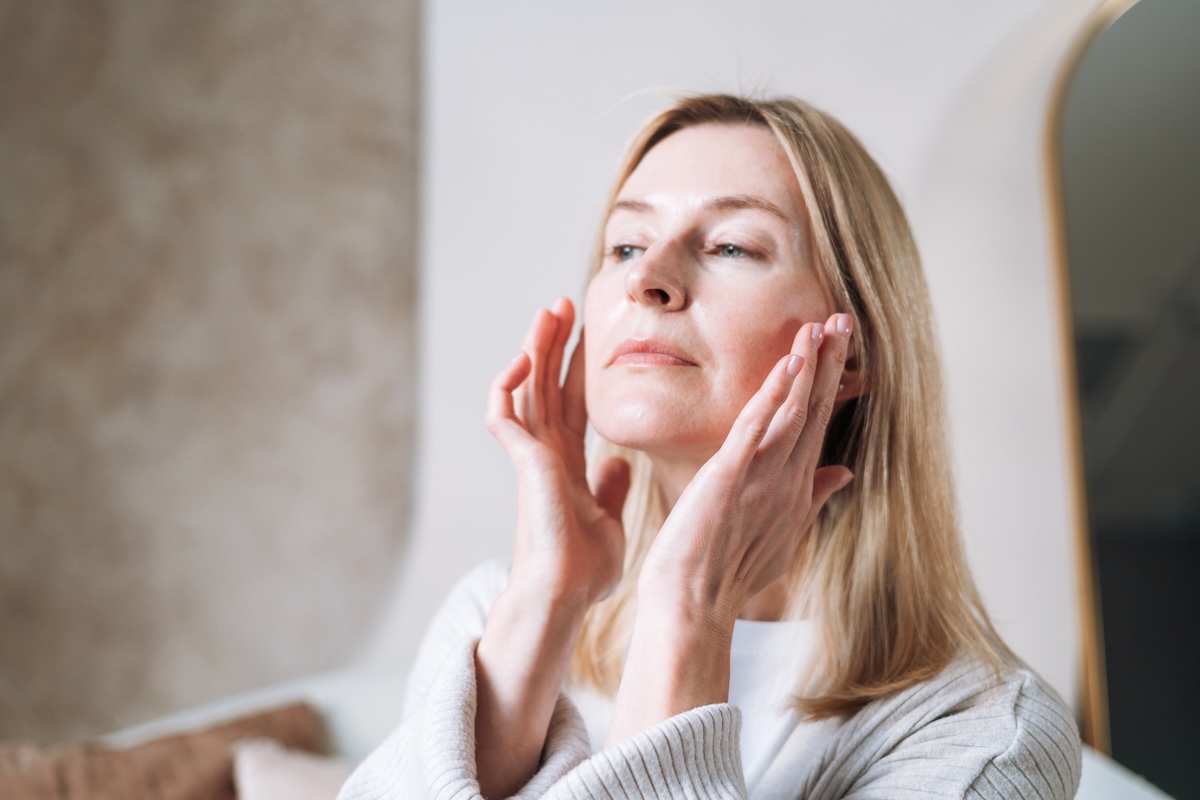
Most of us think of aging skin simply as the emergence of deep-rooted wrinkles. In reality, the process begins much closer to the surface. Long before those lines appear, the outermost layers of your skin start to lose the ability to stay hydrated, resilient, and even-toned. As we age, skin naturally becomes thinner, produces less oil, and loses elasticity. These changes weaken the skin barrier, making it more vulnerable to everyday stressors like sun exposure, pollution, dry air, and harsh skincare ingredients. When the barrier struggles, skin doesn’t just look older, it often feels more reactive, dry, and uneven, too.
What Is the Skin Barrier?
Your skin barrier is the outermost layer of your skin, also known as the stratum corneum. Dermatologist Melissa Piliang, MD, explains that your skin barrier is, in fact, dead, not alive, and is made up of dead cells, lipids, proteins, and fats that help protect your skin from the environment. That means you should think of the skin barrier as a brick wall. Skin cells are the bricks, while lipids such as ceramides, cholesterol, and fatty acids serve as the mortar that holds everything together. When that structure is intact, moisture stays in, and irritants stay out. Over time, your skin produces fewer of the lipids that keep the barrier intact, especially ceramides and fatty acids. Without enough of these, tiny gaps form in the barrier, making it harder for skin to stay hydrated and calm.
Signs Your Skin Barrier May Be Compromised
Most people start noticing barrier-related changes in their mid-30s or early 40s. Your skin may suddenly feel drier, more sensitive, or slower to recover after irritation, even if you haven’t changed your routine. Environmental exposure and daily habits can accelerate this process, especially when combined with natural aging. You might notice persistent tightness, flaking, or rough texture that doesn’t seem to improve with moisturizer. Products that once felt fine may suddenly sting, and redness or irritation can become more common. Studies show that skin barrier disruption and sensitivity often go hand in hand, which helps explain why redness, stinging, and irritation are usually early warning signs. Healing tends to slow down as well, leaving the skin looking dull or uneven for longer periods.
How to Protect and Strengthen Your Skin Barrier
Barrier damage usually happens gradually. Daily exposure to sun, pollution, wind, and dry air all takes a toll, especially over time. That said, your skincare habits can play a role, too: Harsh cleansers, frequent exfoliation, or overly active routines can strip away the lipids skin relies on. Strengthening the skin barrier is less about simply doing more and more about supporting what your skin naturally needs as it changes. Hydration is essential, but so is replenishing the lipids and nutrients that decline with age.
Ingredients like ceramides help reinforce the barrier’s structure and prevent moisture loss, while niacinamide supports ceramide production and calms inflammation. Hyaluronic acid also plays an important role and has a unique capacity to retain water for a happy, healthy-looking barrier, making it especially valuable as natural levels decline with age. Antioxidants round things out by helping protect skin from free radical damage caused by sun exposure and pollution.
Barrier-Friendly Products for Those Over 35
As skin moves through its mid-30s and beyond, it often becomes less forgiving. Making the switch to gentler, barrier-supportive products can be one of the most impactful changes you make, and it doesn’t have to mean overhauling everything at once. Skin barrier repair takes time. As the Cleveland Clinic notes, skin barrier damage doesn’t happen overnight; nor does its repair, and it may take up to four months to see noticeable improvement.
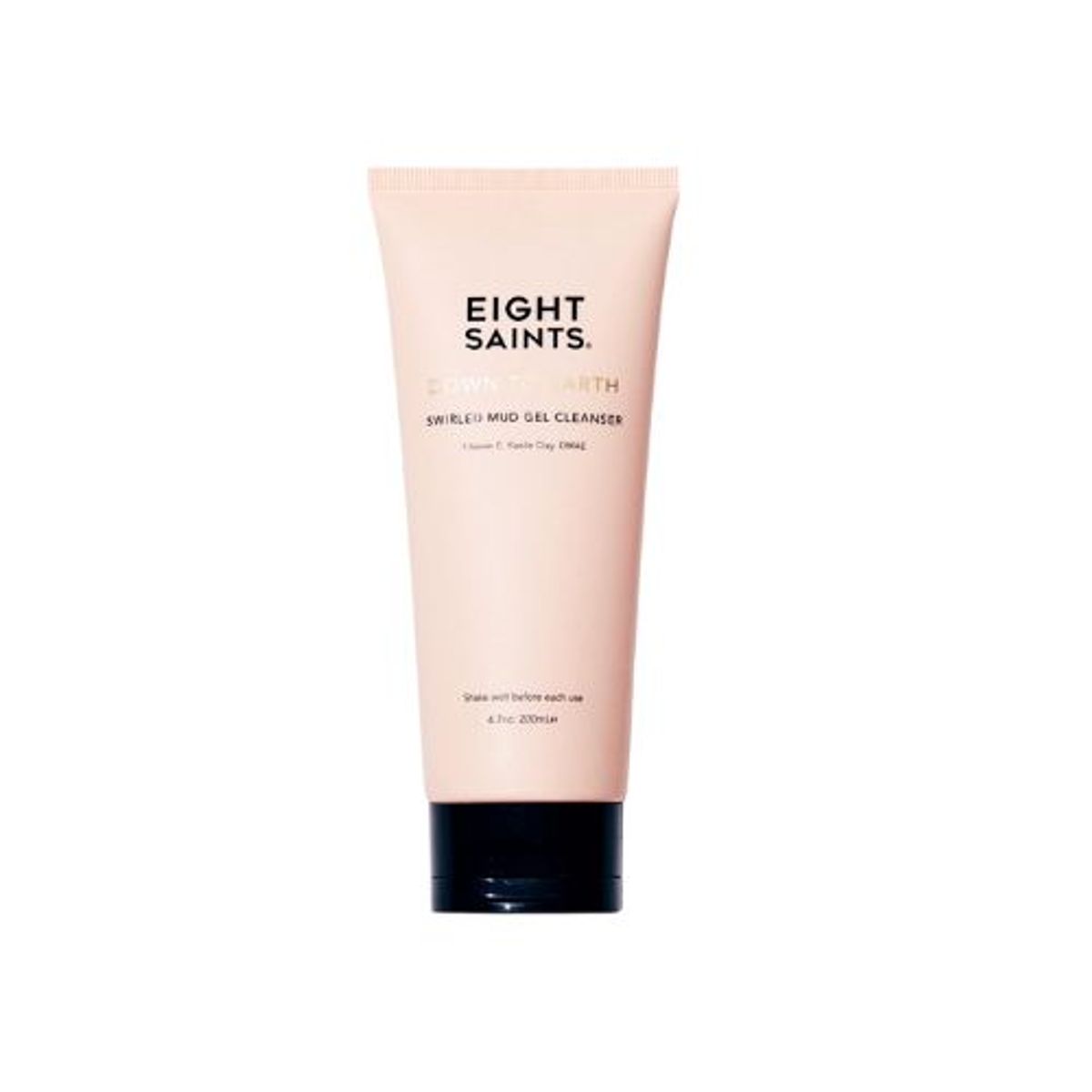
A good place to start is with your cleanser. Something gentle and non-stripping can help remove makeup, oil, and daily buildup without leaving skin dry. The Eight Saints Down To Earth Mud Gel Face Wash does precisely that, using natural clays to purify and antioxidants to make it gentle on sensitive skin.
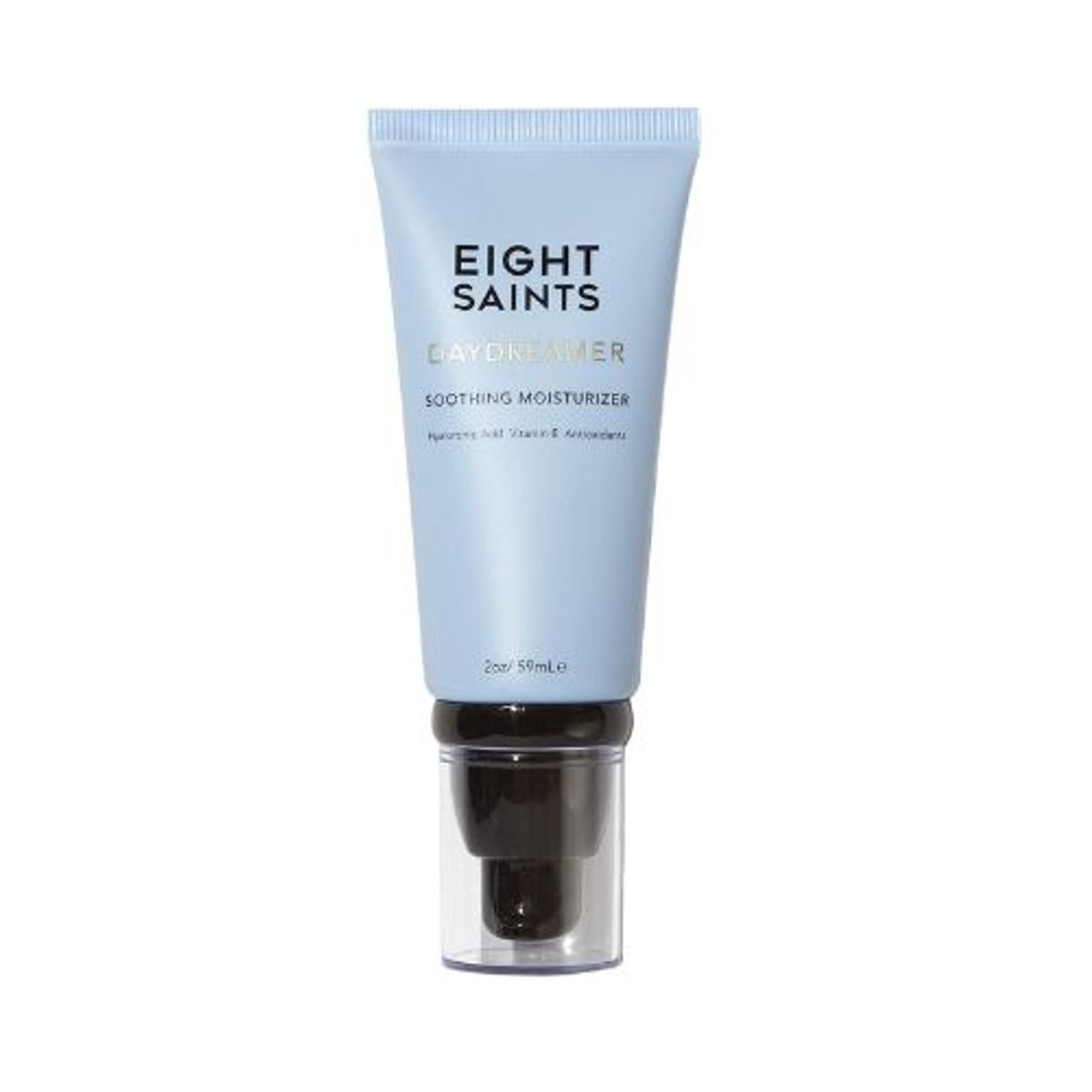
A daily moisturizer is where barrier repair really happens. A lightweight yet hydrating formula like Eight Saints Daydreamer Soothing Moisturizer replenishes moisture with hyaluronic acid, while the jojoba oil locks in hydration with the same properties as the oils produced by your skin’s sebaceous glands.
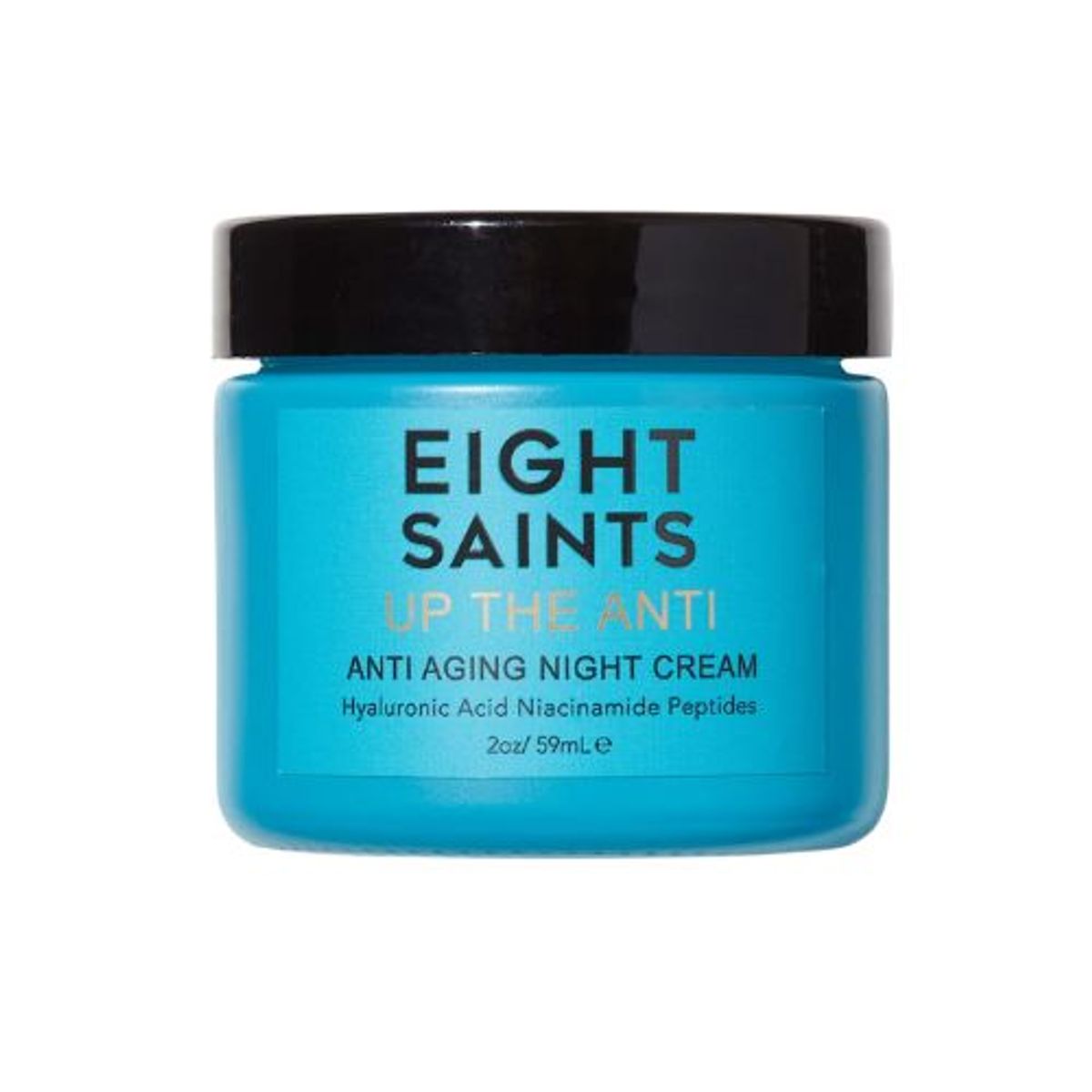
At night, skin does its best repair work. A richer option, my personal favorite, is the Eight Saints Up the Anti Night Cream. It supports overnight recovery with ingredients like niacinamide, peptides, and hyaluronic acid, ideal if dryness or sensitivity tends to show up by morning. It makes my dry skin feel moisturized and soft when I wake up and cleanse.
Finally, sunscreen remains essential year-round. Daily UV exposure slowly weakens the skin barrier, even on cloudy days. Eight Saints Chase the Sun Broad Spectrum SPF 30 offers mineral protection and moisturizes, making it easier to wear every day.
The goal isn’t to sell you more skin products; it’s to give it what it needs to stay balanced, calm, and resilient as it changes over time.

Reader Favorites



Featured Image Credit: Galina Zhigalova / Getty Images
More From Our Network
Better Report is part of Inbox Studio, an email-first media company. *Indicates a third-party property.