5 Ways to Avoid Eating and Drinking Microplastics

All featured products and deals are selected independently and objectively by the author. Better Report may receive a share of sales via affiliate links in content.
In today’s environment, microplastics (small pieces of plastic, less than 5 mm (0.2 inch) in length) are largely inevitable — we are exposed to them, we consume them, and we live with them inside us. It’s a sad fact of modern life. A 2019 study went so far as to say that we consume a credit card’s worth of plastic each week through the foods we eat, the drinks we drink, and the things we touch and interact with. There have been studies since that potentially disprove this assessment, stating that the real quantity is far less, albeit still troubling. That said, we’re not yet able to track the amount within us at an individual level and can only estimate based on the expected, or average, daily consumption.
Even so, it’s still smart to limit your exposure (and consumption) as much as possible. But how? Microplastics, hence the name, aren’t visible to the naked eye and accumulate within us gradually, through repeated tiny doses. According to Harvard Medicine, they’re everywhere: “We encounter microplastics everywhere: from trash, dust, fabrics, cosmetics, cleaning products, rain, seafood, produce, table salt, and more,” their entry on the topic reads. “[It’s] little wonder that microplastics have been detected throughout the human body, including in the blood, saliva, liver, kidneys, and placenta.”
The most common-sense way to reduce your exposure to (and subsequent consumption of) microplastics is to trade a few of the plastic-based products around your house (and in your bag) for glass, metal, or plastic-free alternatives. Find a few of our favorites below.
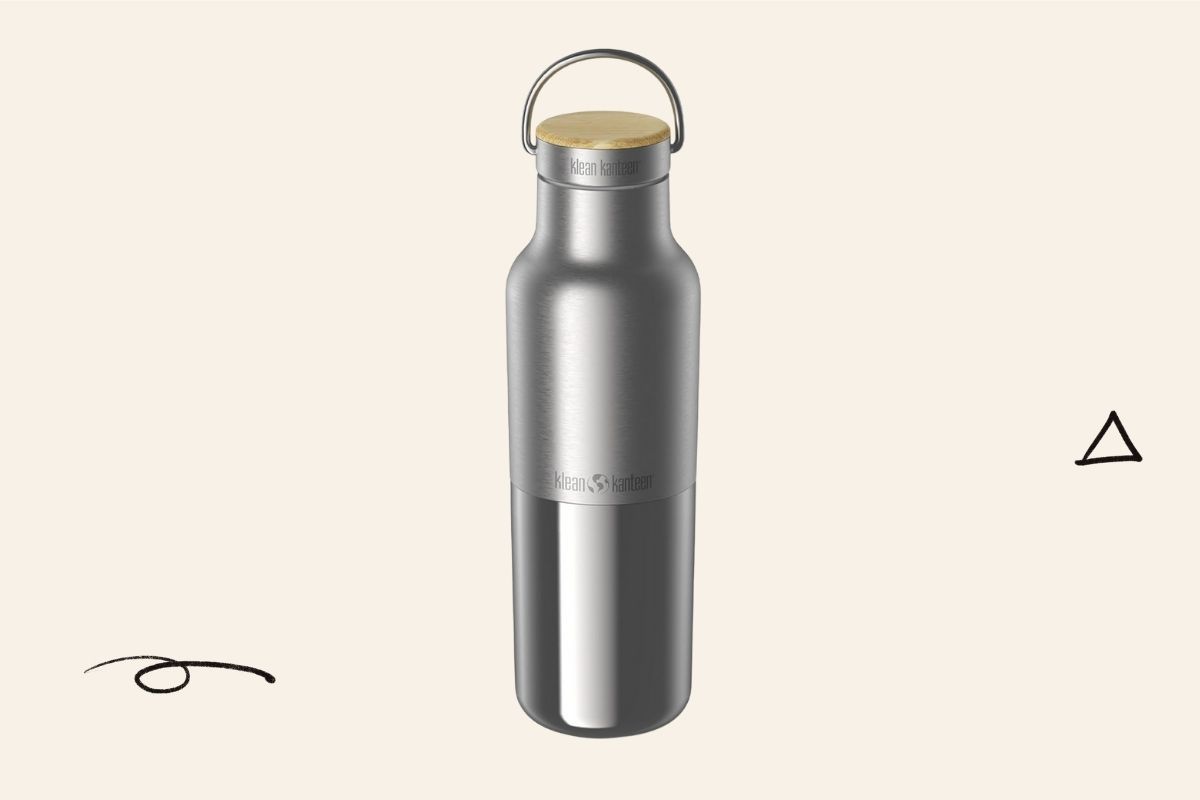
Klean Kanteen Rise Reflect
This stainless-steel bottle skips plastic entirely so your drinks never touch microplastic-shedding surfaces, making it easy to stay hydrated in a cleaner and safer way. It uses recycled steel and bamboo instead of hidden plastic parts that can degrade and flake over time. Choosing this over single-use plastic bottles means fewer tiny plastic particles in your mouth and a lower overall plastic footprint.
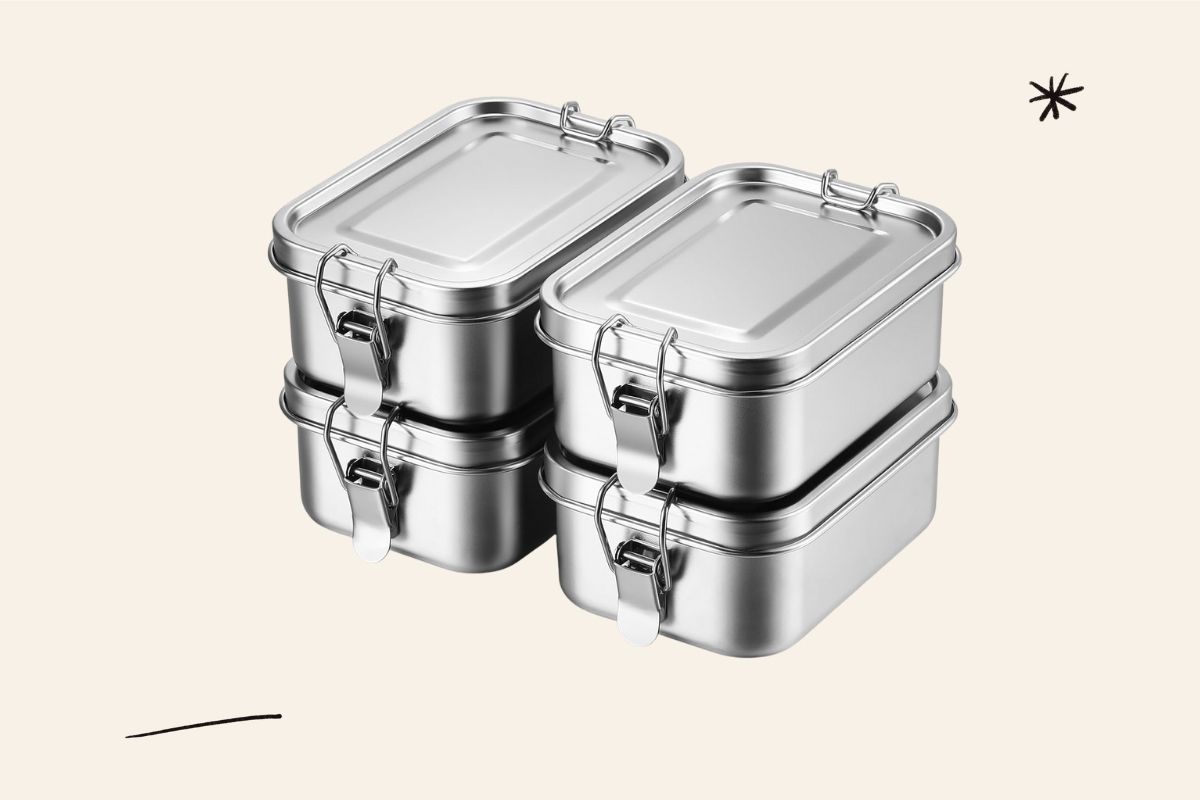
Umigy Stainless Steel Food Containers
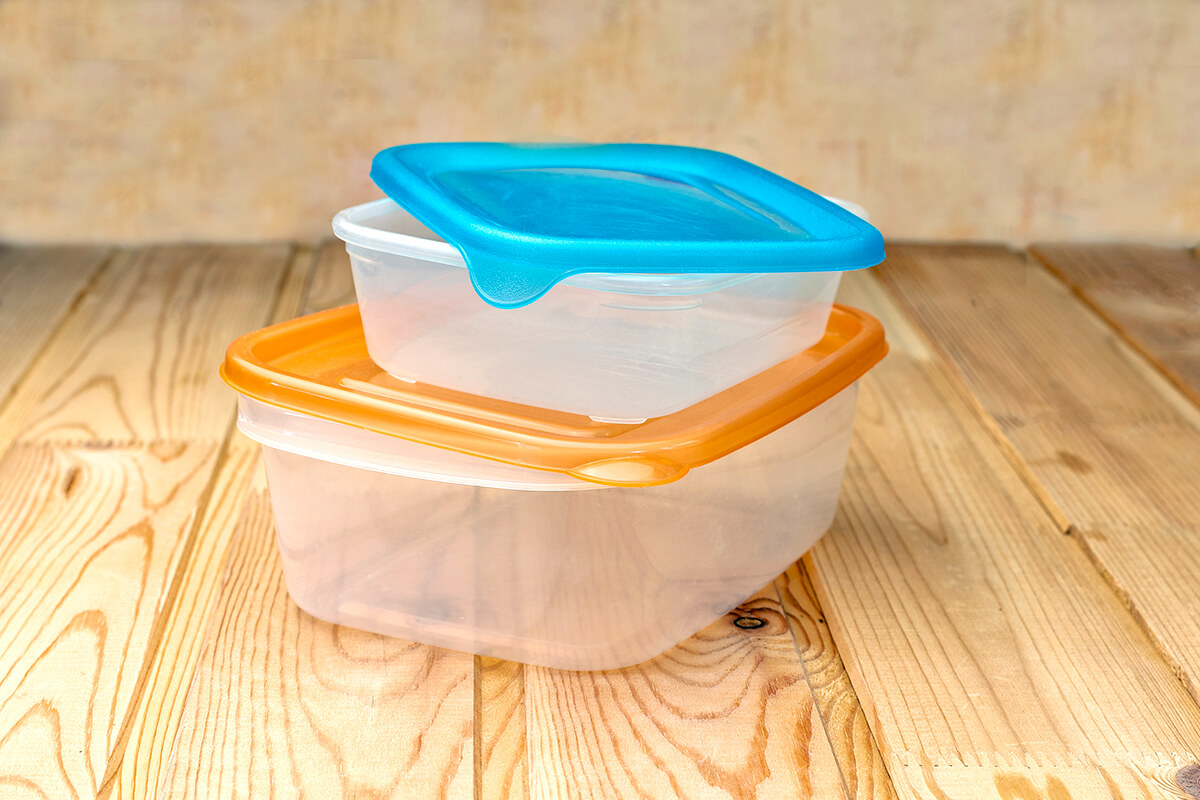
Storing meals in stainless steel reduces your exposure to microplastics and toxic additives that can be released from plastic containers when heated or scratched. These durable metal containers keep food fresh without the chemical leeching that comes from traditional plastic boxes. Just be sure to transfer your food into a non-plastic bowl, plate, or container before microwaving.

Reader Favorites



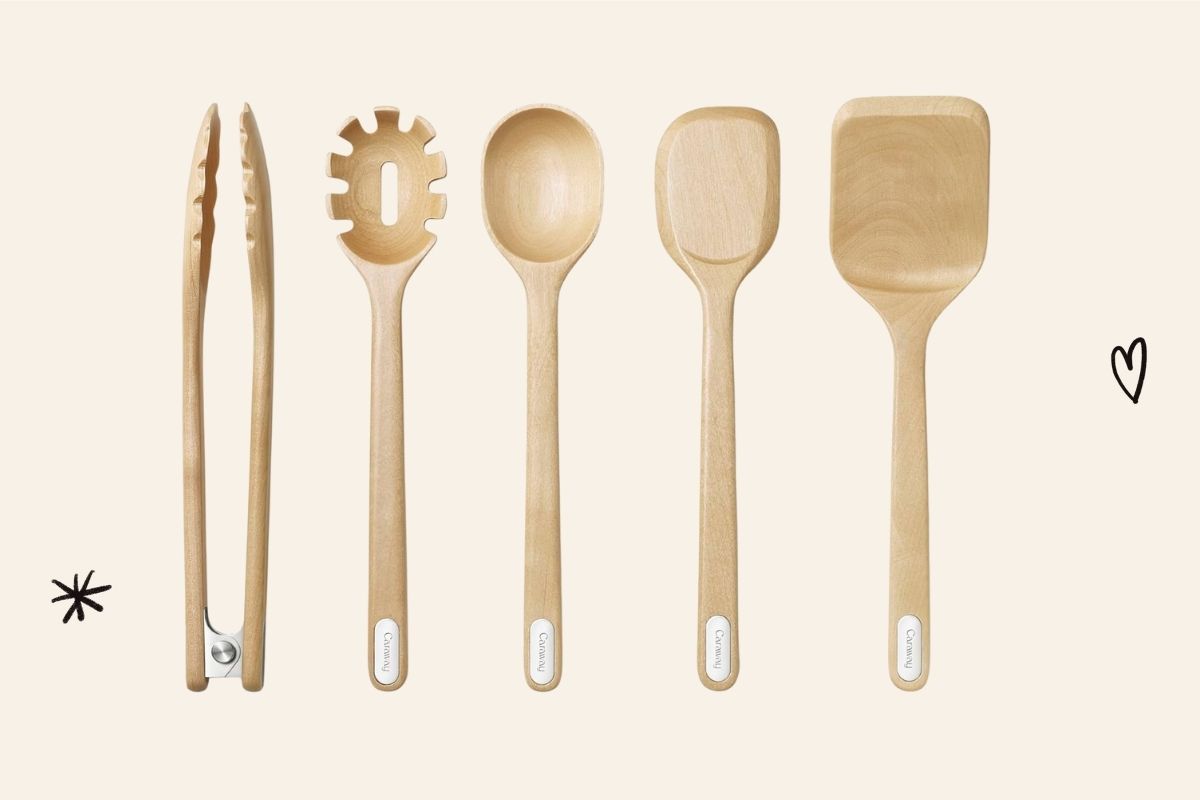
Caraway Wooden Utensil Set
Caraway’s wooden utensil set sidesteps all plastics and PFAS so you’re not stirring, flipping, or scraping food with tools that could shed microplastic particles. FSC-certified birch wood gives you a natural, plastic-free feel for all of your recipe-making. They’re a subtle but solid swap that keeps your kitchen healthier and cleaner and your wallet happier, assuming that these last longer than their plastic counterparts. (They can be easily cleaned by boiling them.)
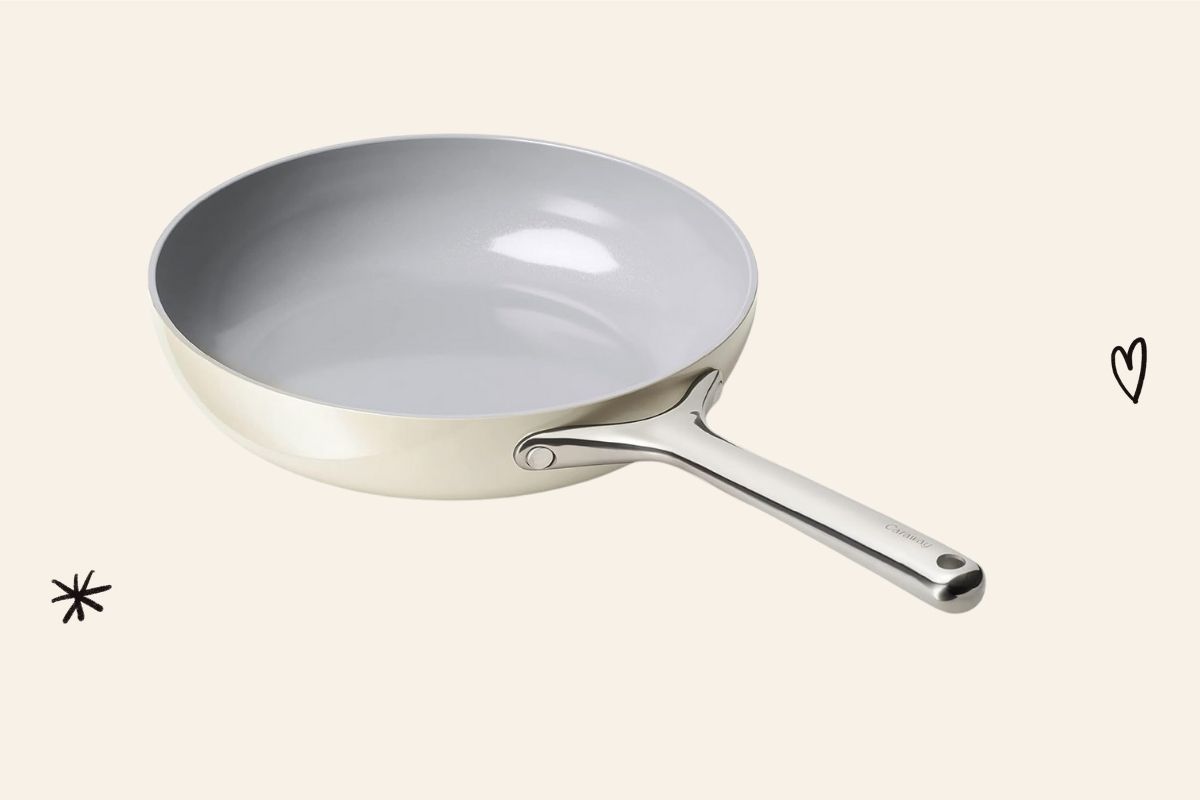
Caraway Nonstick Ceramic Frying Pan
Caraway’s ceramic-coated pan delivers easy nonstick cooking without Teflon or plastic-derived coatings that can degrade into microplastics and PFAS. Its mineral-based surface holds up under heat, keeping food in contact with ceramic instead of synthetic materials. The result is cleaner cooking and fewer unwanted plastic traces making their way onto your plate — and into your body.

Bee’s Wrap Beeswax Wraps
These beeswax food wraps swap out disposable plastic wrap, keeping fragile films and their microplastic fallout away from your food. Made from cotton infused with beeswax and plant oils, they seal bowls and leftovers naturally without questionable chemical residue.
Featured Image Credit: Credit: Andrey_Nikitin / Shutterstock
More From Our Network
Better Report is part of Inbox Studio, an email-first media company. *Indicates a third-party property.






Evan is a writer and editor based in Pittsburgh, Pennsylvania. His work has appeared in GQ, Esquire, Popular Mechanics, Gear Patrol, and more.
This article is for general informational purposes only.
Affiliate Disclaimer Medical Disclaimer Financial Disclaimer