9 Surprising Signs You’re Aging

All featured products and deals are selected independently and objectively by the author. Better Report may receive a share of sales via affiliate links in content.
You’re probably all too familiar with the obvious signs of aging: Your body creaks a little more. You start to smell a bit different. It’s tougher to get out of bed in the morning, and it takes longer to recover after a day of exercise or an injury. But there are some more unusual signs of aging as well. Here are nine surprising things that can happen as you get older.
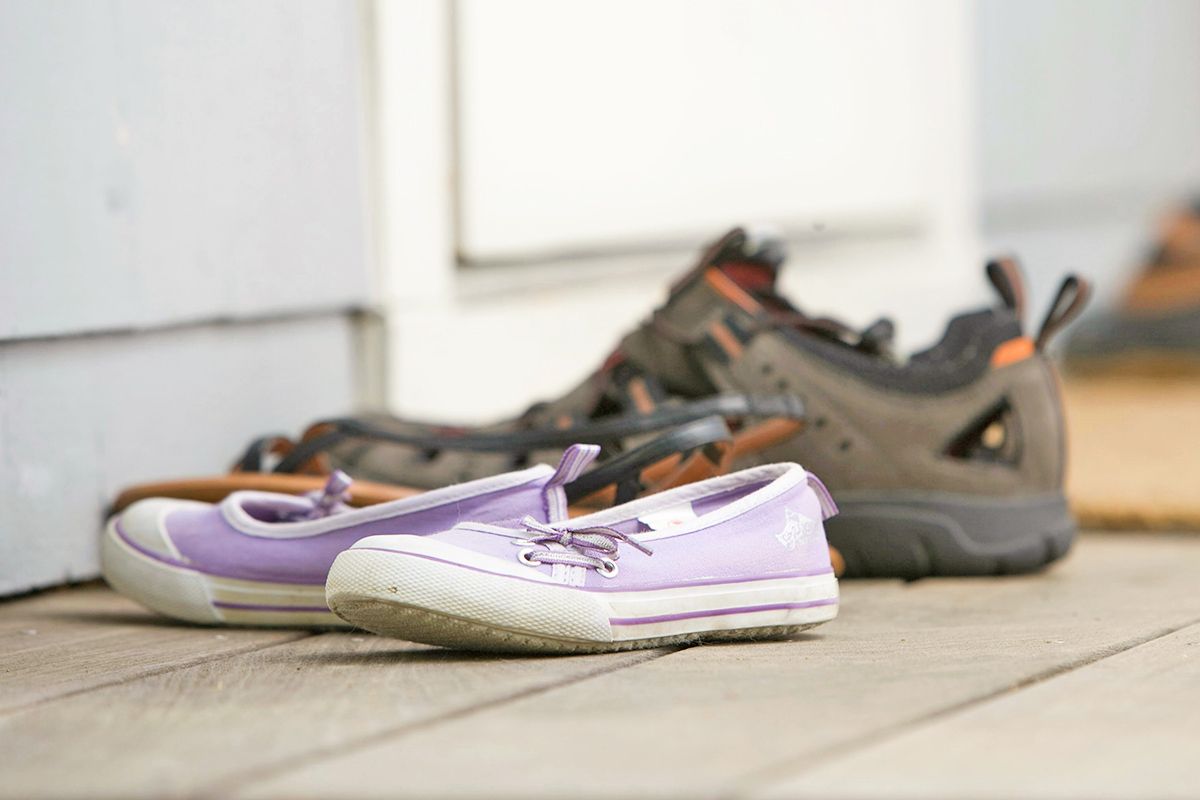
Your Shoes May Stop Fitting
Shoes feeling a little snug lately? That may be due to a natural, if annoying, part of aging: The tissues that support the arches in your feet can get weaker as you get older, and as a result, feet may flatten and become wider and longer. The fat pads that cushion your feet also get thinner with age, so your shoes may feel less comfortable (and you may need a good pair of insoles to help with shock absorption).
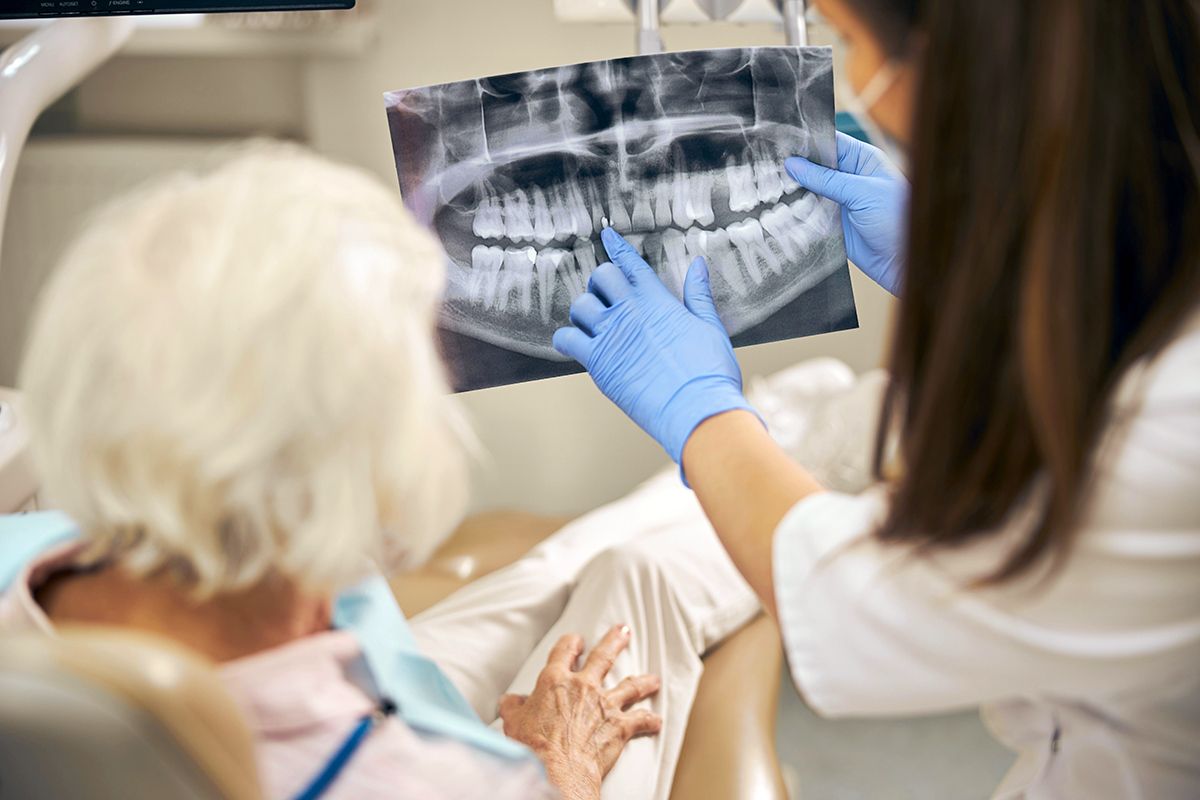
Your Teeth Shift or Look Different
Thanks to things like normal wear and tear, gum and bone loss, grinding, and the fact that teeth naturally creep forward, your smile may change as you age. Your teeth may crowd together or move apart, appear longer due to gum recession, or become shorter thanks to a lifetime of eating or issues such as grinding. Your bite can even change. If you’re experiencing any of these issues, you should consult with your dentist about how to handle them.

Reader Favorites


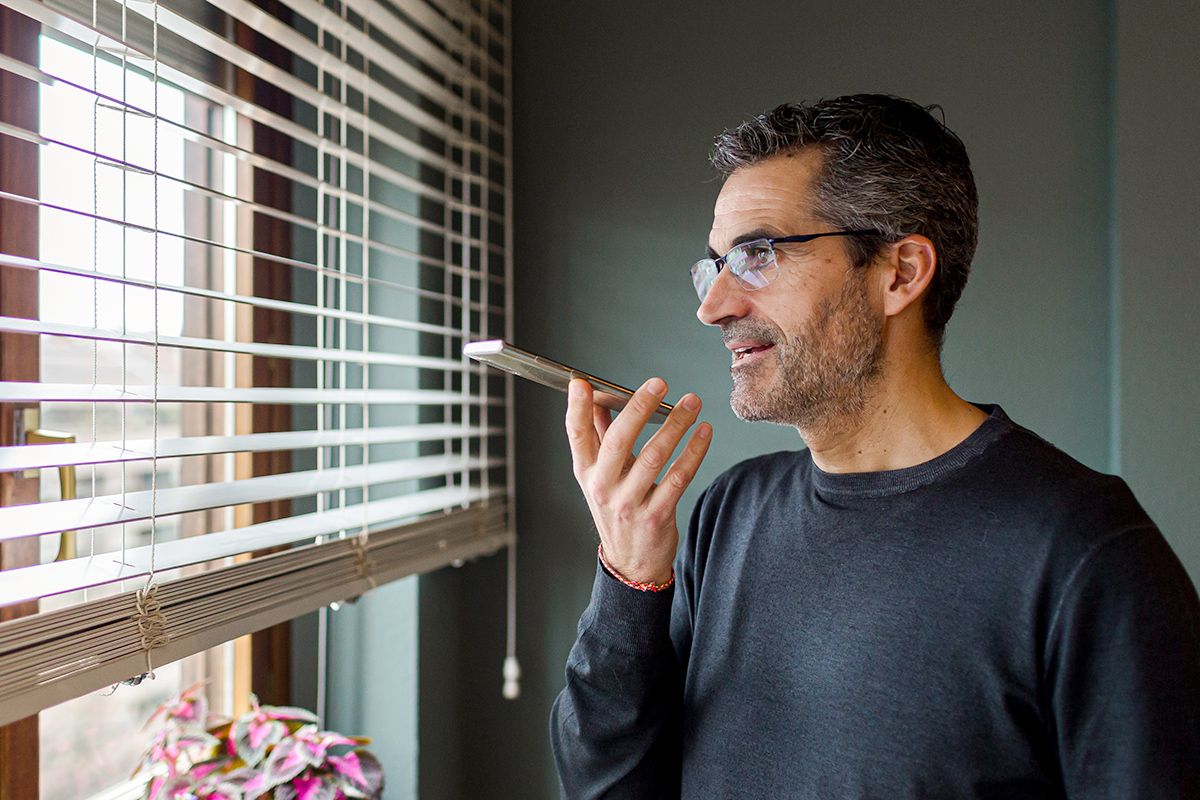
Your Voice May Change
Although your voice may change as you age, there isn’t one uniform pattern to how it may change. The vocal folds get thinner and lose muscle, so your voice may get softer, breathier, or raspier. Women’s voices can also become lower, while men’s can get higher. However, because a change in voice can also indicate a medical problem, it’s best to check with a doctor rather than assuming it’s just a result of aging.
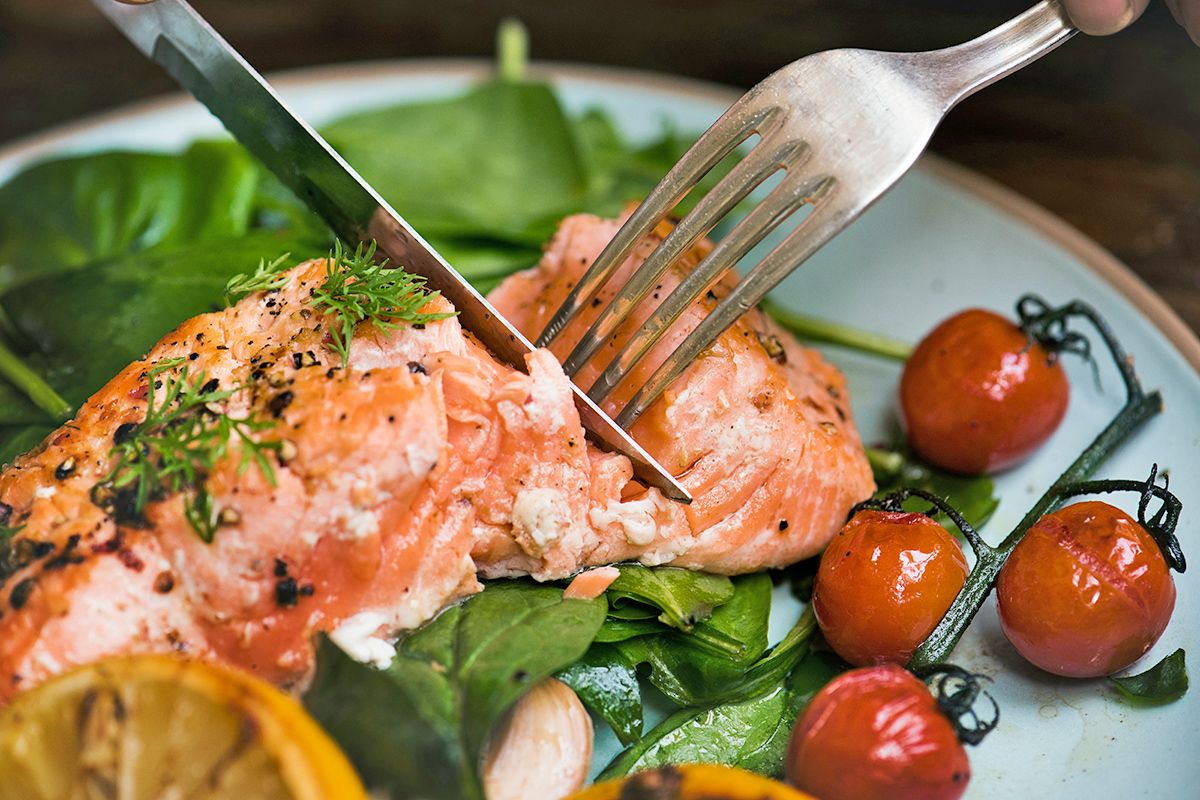
You May Lose Your Sense of Taste
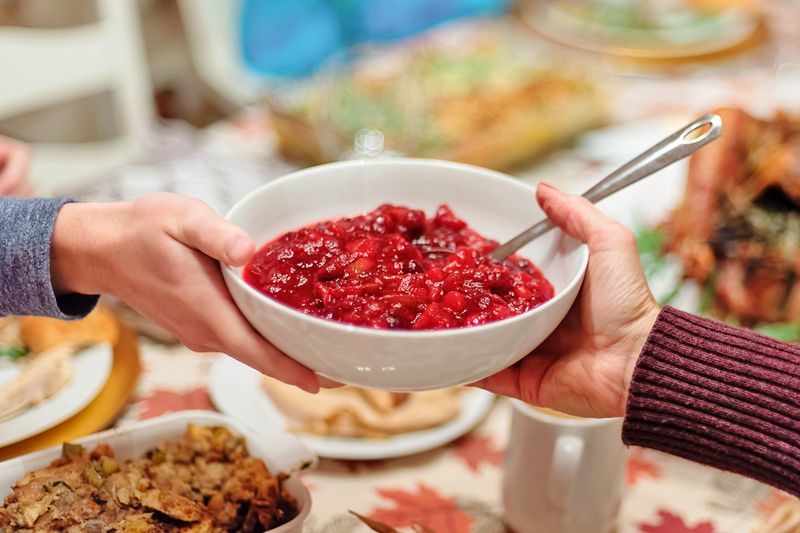
Detecting flavors in food relies on both your sense of taste and your sense of smell, and both of those senses diminish with age, particularly after 60. Certain medications you may take as you get older can also affect how food tastes.
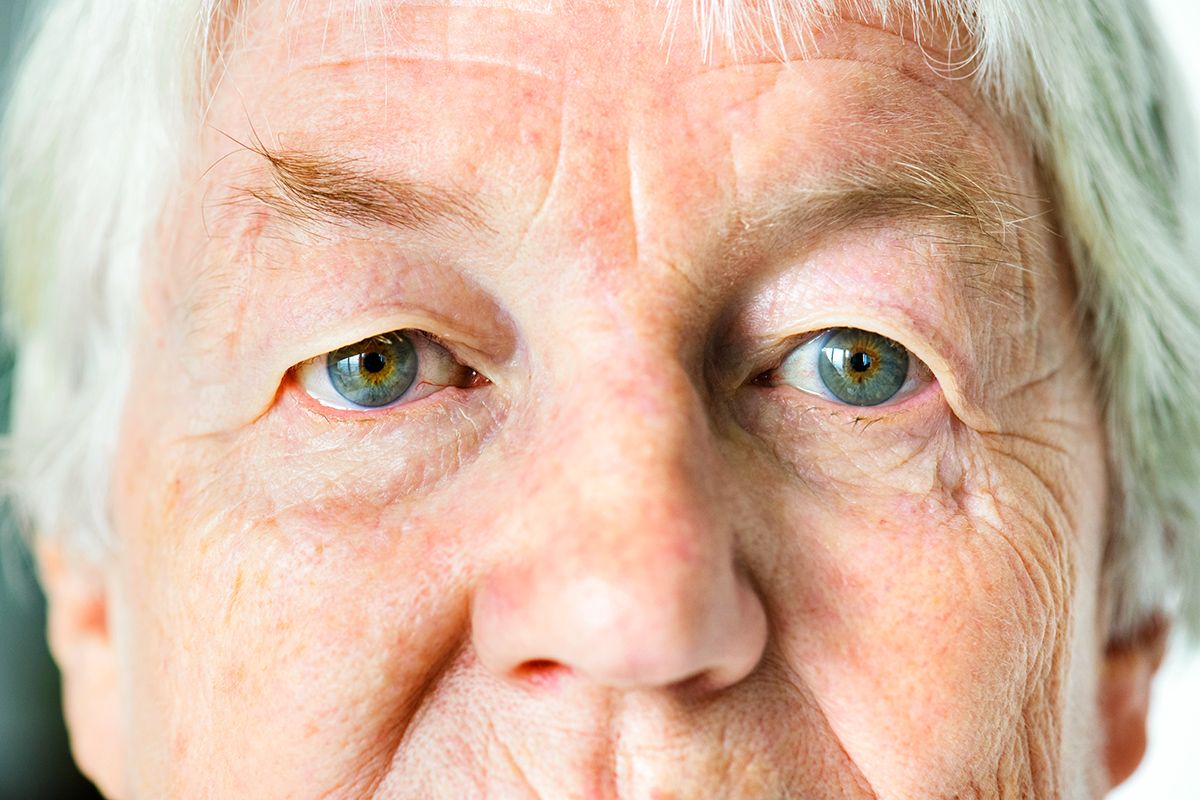
Your Skin May Change
With age, skin often produces less oil and gets drier (and itchier). Your body also makes less collagen and elastin, so skin becomes thinner, begins to wrinkle and sag, and bruises more easily. The body also takes longer to heal as you get older, which means that scratches and cuts may stick around longer than they did in your youth.
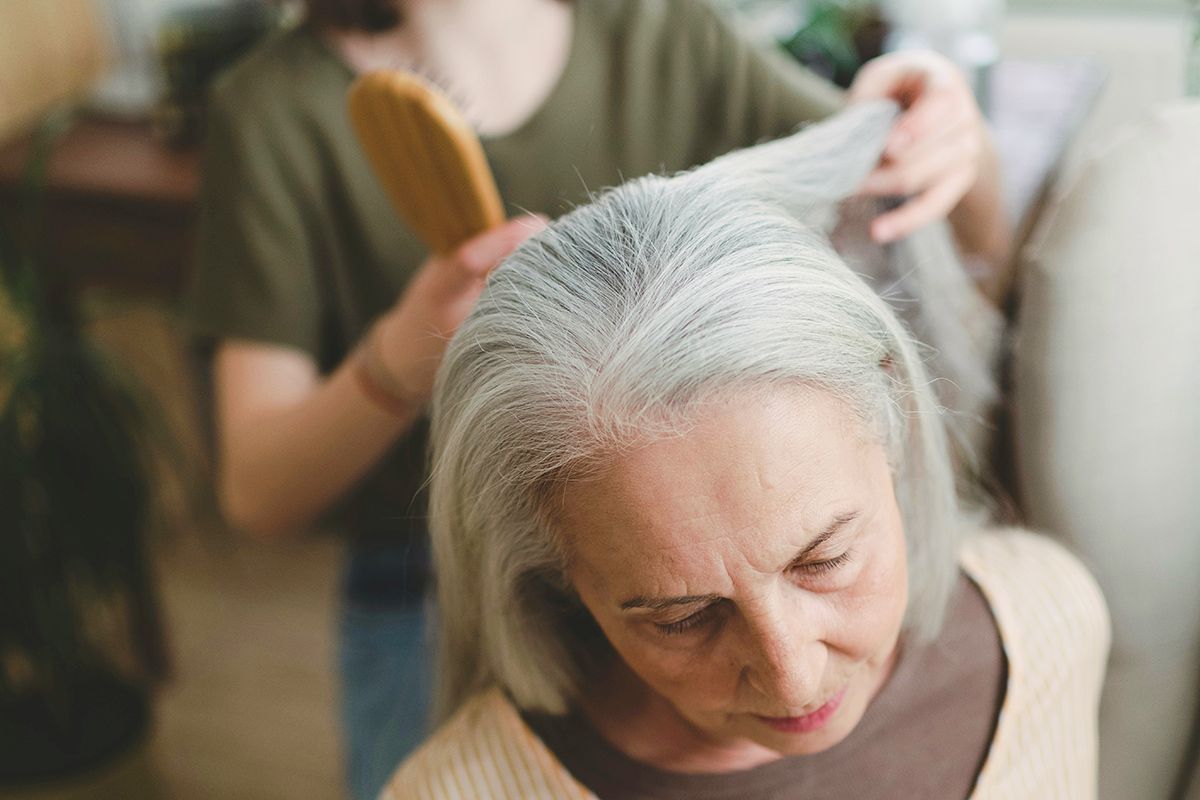
You May Lose Hair … or Grow It in New Places
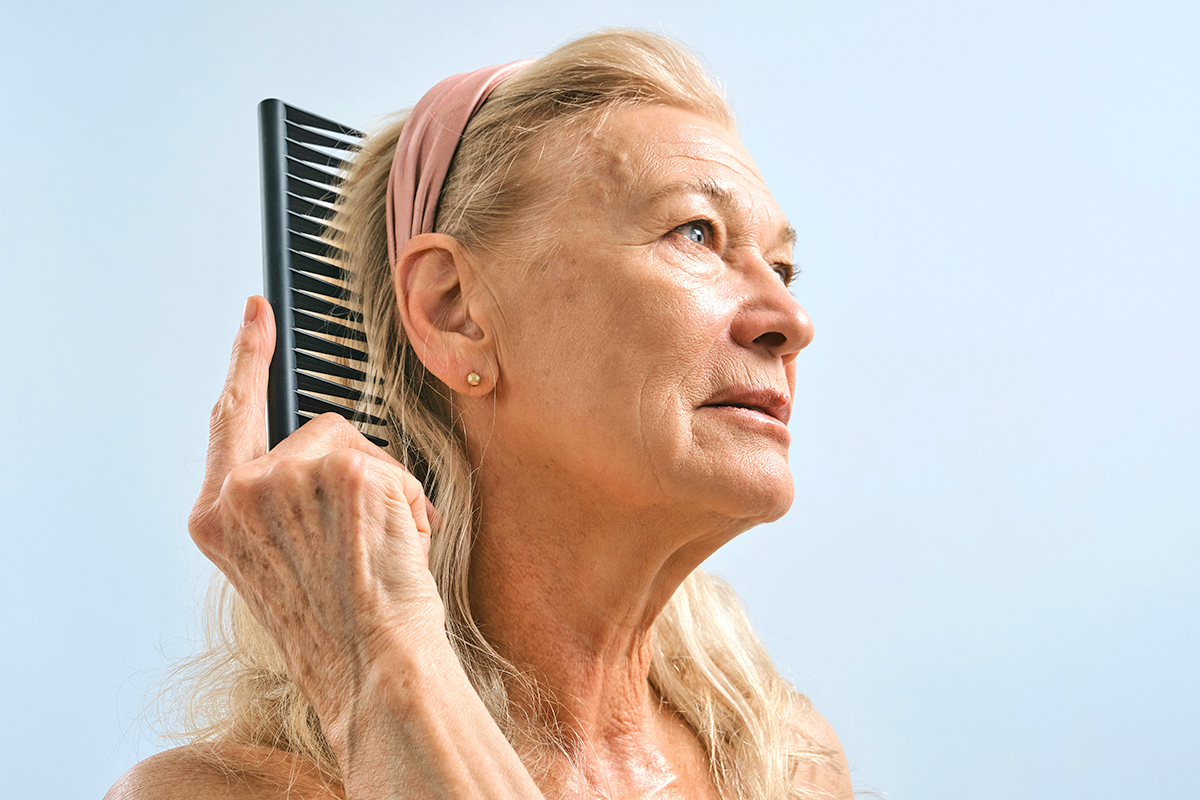
Getting older means you may lose hair in the places you want it, and find some in new places you don’t. Hair on the head can thin as strands grow more slowly and some follicles stop replacing new hair. People can also develop thicker hairs in the nose and ears and on the upper lip and chin.
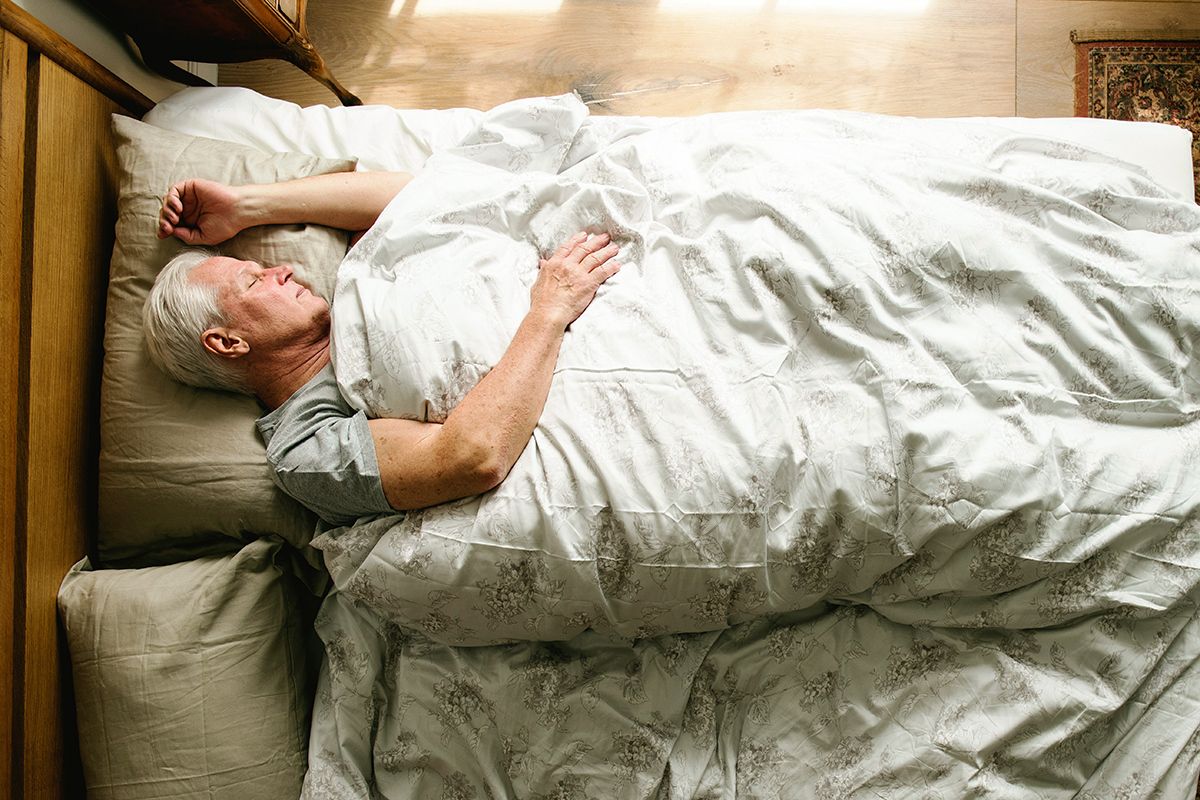
Your Sleep May Shift
Another thing that tends to change as we age? Our sleep schedules. Older adults often go to bed earlier and wake up earlier in the morning. They may also have a harder time getting to sleep, snooze more lightly when they do, and wake up more often in the middle of the night. This can make getting the recommended amount of sleep that your body needs — between seven and nine hours — challenging. If you’re having trouble catching z’s, you should talk to your doctor.
You May Be Less Thirsty
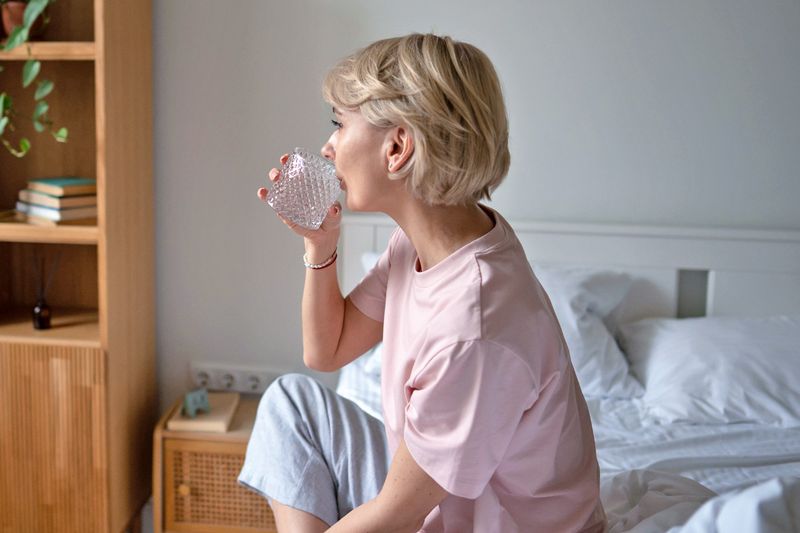
As you get older, your sense of thirst weakens, even when you actually need fluids. Your kidneys may also conserve water less efficiently. Both of these things can contribute to dehydration in older people.
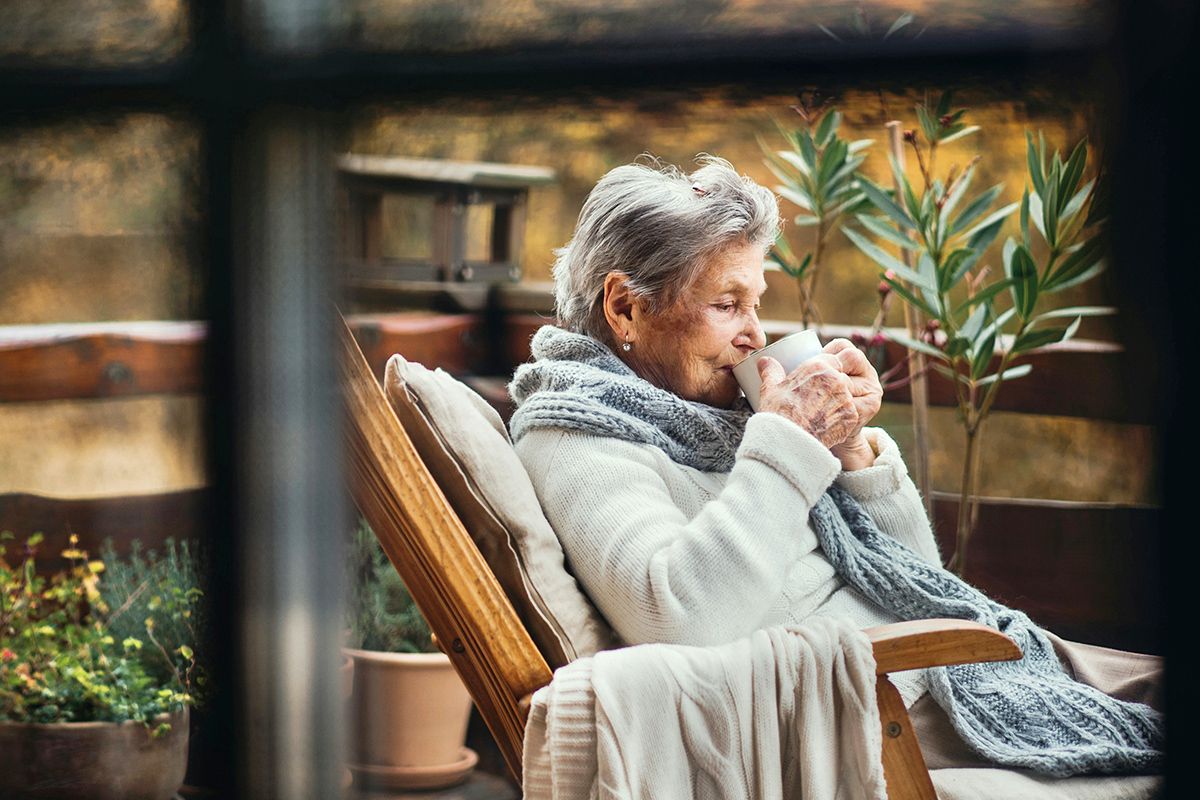
You May Find Heat and Cold Harder To Tolerate
We gain more fat in certain parts of the body as we get older — you may have as much as a third more than you did when you were younger. But that’s not true all over the body. In fact, the fat beneath the skin diminishes as we age, reducing insulation and making us feel colder. At the same time, we experience changes in sweating and circulation that can make it harder to handle the heat. Bodies become less efficient at keeping a steady temperature, which can lead to a bigger risk of heat stroke or hypothermia for older adults.
Some of these changes are simply quirks of getting older, but others, like a fading sense of thirst, are worth paying attention to for your health. If you have any concerns, be sure to see your doctor.
Featured Image Credit: © Andrej Lišakov/Unsplash.com
More From Our Network
Better Report is part of Inbox Studio, an email-first media company. *Indicates a third-party property.



Laura Falin is a freelance writer in Colorado who has written for Business Insider, BabyCenter, Colorado Parent Magazine, and more. She's an avid hiker who loves getting outdoors and taking ridiculously long road trips with her family.
This article is for general informational purposes only.
Affiliate Disclaimer Medical Disclaimer Financial Disclaimer