6 Holiday Foods You Didn’t Know Were Healthy

If you’ve been trying to stick to your health goals this year, the approaching holiday season may seem like a challenge — it’s hard to balance nutrition with all of the tasty treats this time of year brings. But you may be surprised to learn that a number of classic holiday foods have surprising health benefits.
Many holiday foods “cover the components of a balanced meal: carbohydrate, protein, color, and healthy fats,” says Tina Sergi, a registered sports dietitian. “Including all of these boosts satiety, so you’re less likely to overeat.” How foods are prepared obviously matters — many dishes may have large amounts of salt, butter, and sugar — but “it’s OK to have fun foods,” Sergi says. “Having specific health or fitness goals doesn’t mean that you can’t enjoy fun foods in moderation.”
There’s one thing many people do around the holidays that you should definitely avoid, however, and that’s “saving up calories” for a holiday meal by not eating enough beforehand. “This can backfire, leaving you extremely hungry when you arrive,” says Sarah Glinski, registered dietitian and owner of Gut-Friendly Nutrition. This, in turn, “can lead to eating more than you normally would and potentially choosing less nutritious foods that you might not otherwise choose. Instead, ensure you get enough protein and fiber leading up to the holiday meal so you’re not ravenous when the meal arrives.”
With these things in mind, here are the foods Glinski and Sergi say you should include on your plate this holiday season.
Potatoes
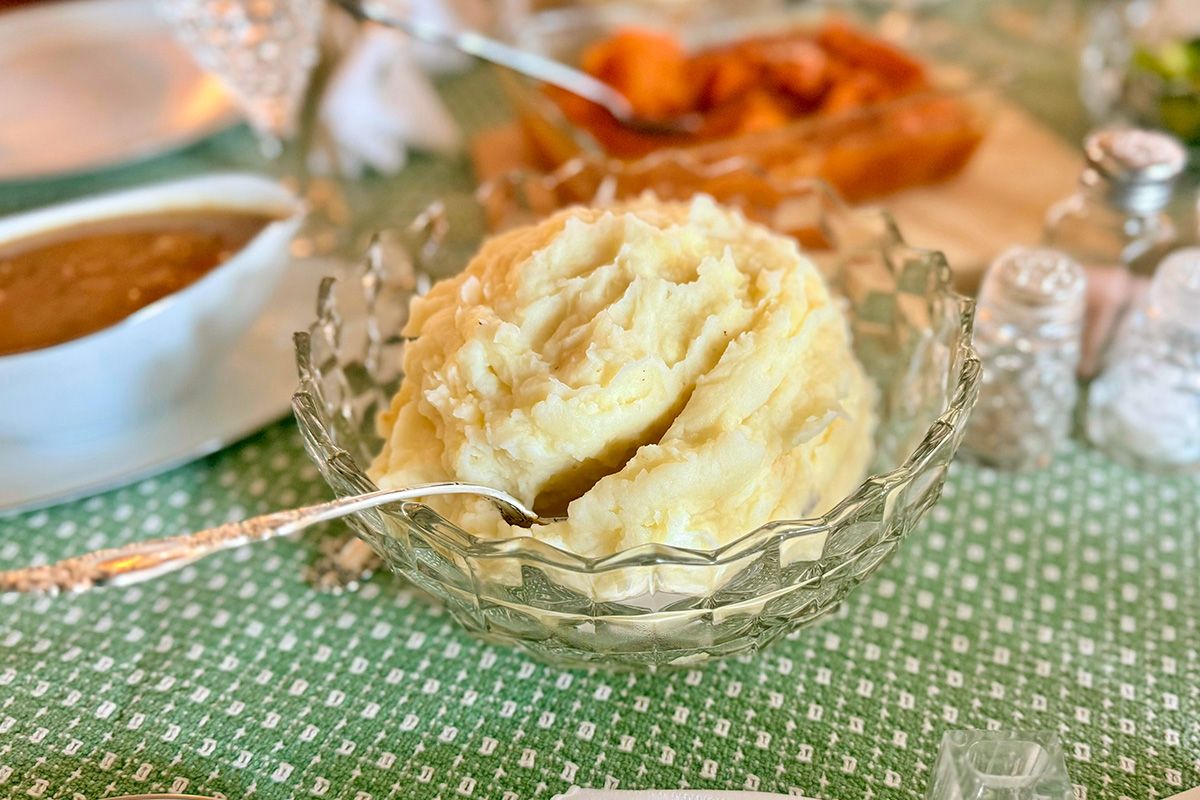
Both Glinski and Sergi believe that potatoes have an unfairly bad rap. This may be because (depending on the type and how they’re prepared) they can have a high glycemic index, which means they cause blood sugar levels to rise quickly. But potatoes will be on both of their plates this holiday season.
“I love potatoes because, compared to refined carbohydrate sources, they’re more nutrient-dense and provide vitamin C, vitamin B6, and potassium in addition to complex carbohydrates,” Glinski says. And they’re even better for you as leftovers: “When the starch in potatoes cools, it turns into resistant starch,” she explains, which “acts as a dietary fiber and prebiotic that feeds your friendly gut microbes. Because it doesn’t break down into glucose, it also has less of an impact on blood sugar levels.”
If you’re trying to choose between potato dishes, Sergi recommends going with the mashed variety. “One cup of homemade mashed potatoes made with whole milk provides about 600 milligrams of potassium,” she says, and “pairing them with turkey and your favorite vegetable adds protein and fiber to help balance blood sugar.”

Reader Favorites



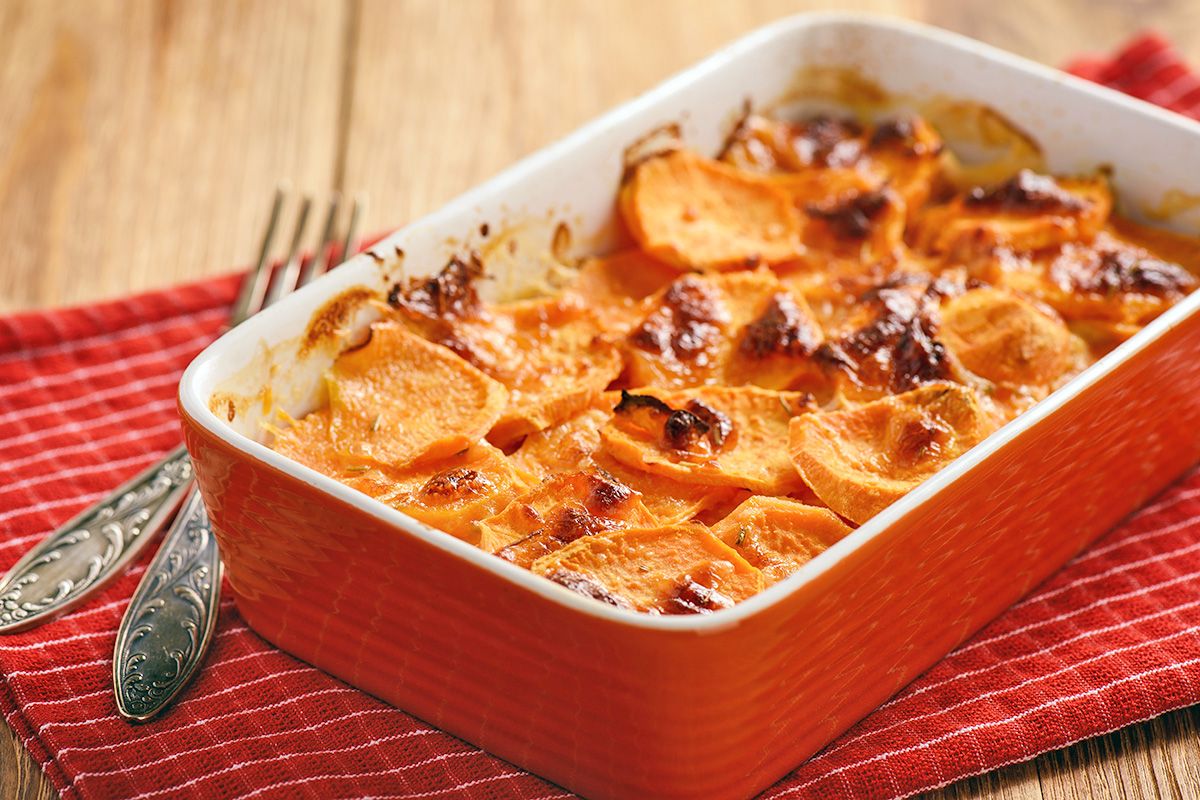
Sweet Potato Casserole
Sergi says sweet potato casserole is another surprisingly healthy holiday option, because “sweet potatoes are rich in fiber and micronutrients, including beta-carotene and vitamin C to support immunity.” You can cut down on sugar by skipping any marshmallow topping (or scraping it off, if you didn’t prepare it). Best of all, sweet potatoes are versatile, so you don’t need to have them only in casserole form. “For a nutritious choice,” Sergi says, “I recommend roasting them in extra virgin olive oil, with the skin on for extra fiber.”
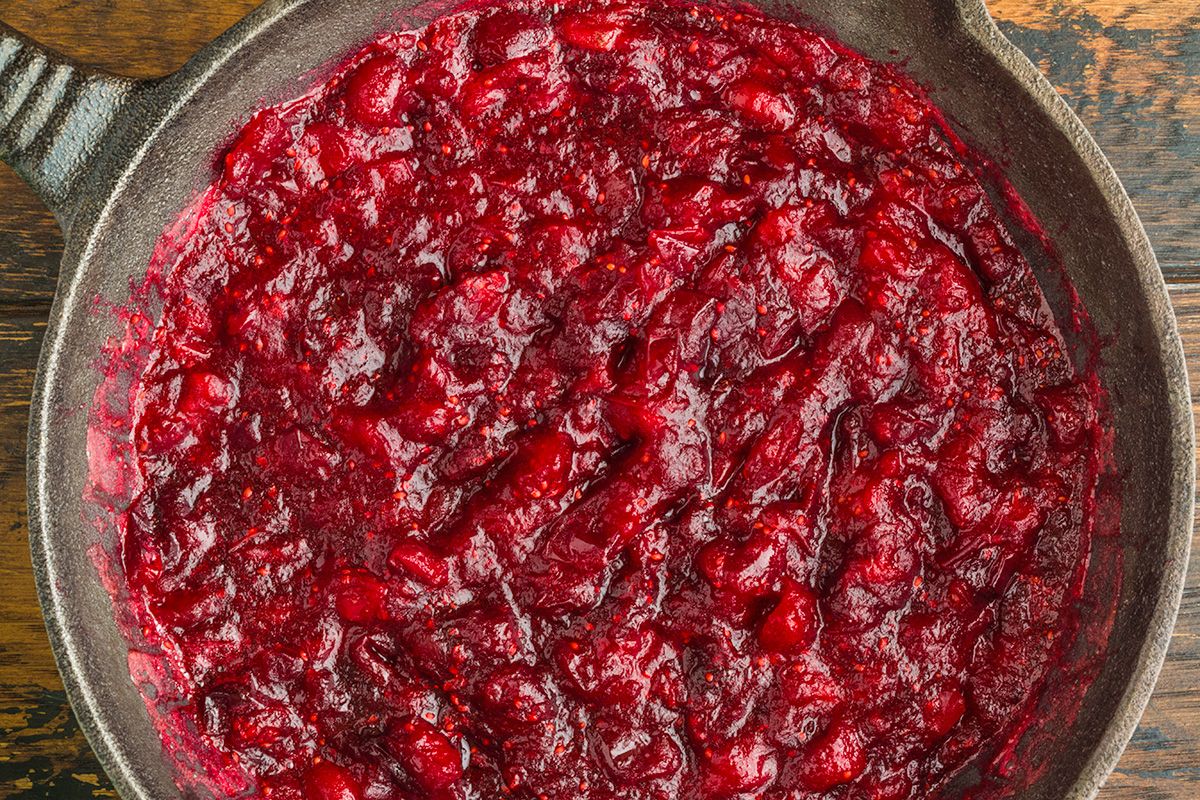
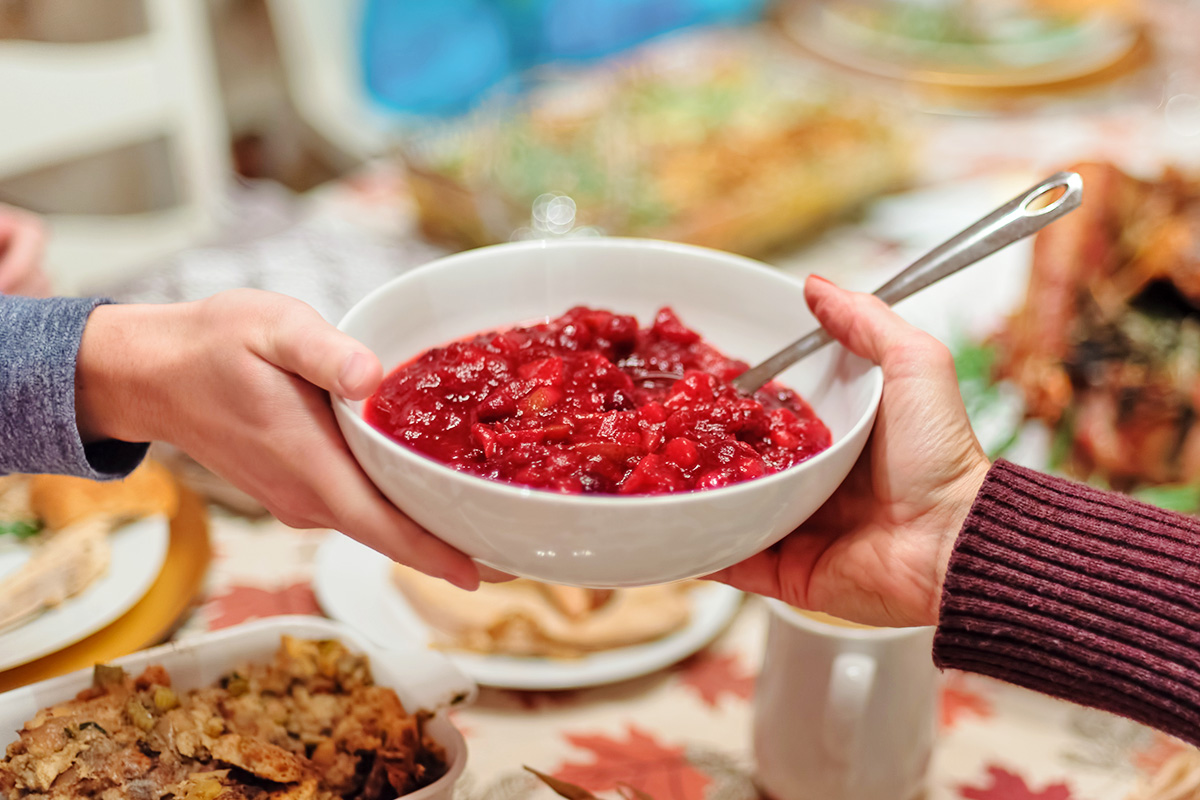
Cranberry Sauce
Cranberries are naturally very tart, so many commercially produced sauces have a ton of added sugar to compensate — and this contributes to the dish’s poor reputation. But the fruits themselves have a number of health benefits.
“Cranberries are high in fiber and polyphenols, which are plant compounds that may reduce inflammation in the body,” Glinski says.
Rather than reaching for a sugary canned option, she recommends making homemade cranberry sauce. “You’ll still need to add some sugar to balance the cranberries’ tartness, but making it yourself lets you adjust the sugar content,” she says.
There are many low-sugar cranberry recipes available (such as this easy option), but if you’re opting for a family recipe, you can swap out traditional sugar for a sweetener such as honey, maple syrup, or monk fruit (Sergi’s suggestion). Sergi also recommends adding apples or pomegranates for extra nutrients.
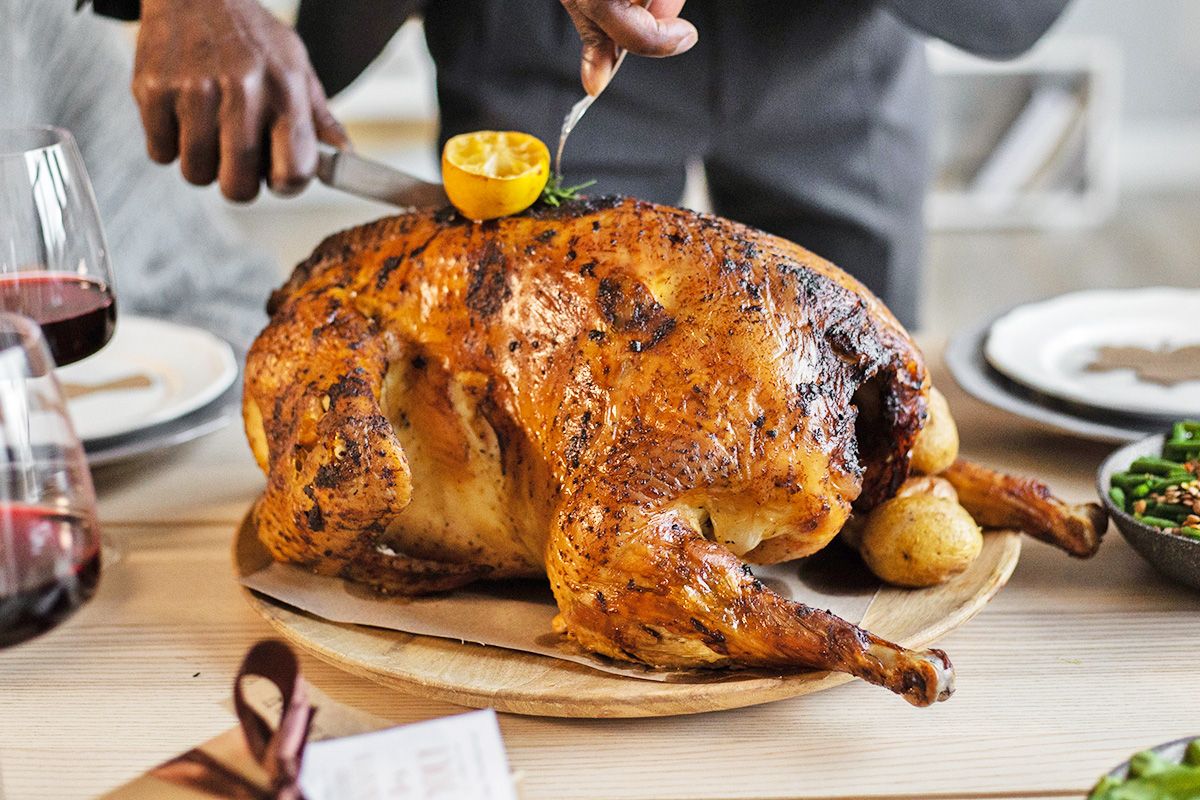
Dark Turkey Meat
When offered the choice between white or dark turkey meat, many health-conscious people tend to go with white, because dark — which is typically from the turkey’s thigh or leg — is “higher in fat and calories than breast meat,” Glinski says.
But you don’t need to skip it if that’s your preference. Both dark and white turkey meat are high in unsaturated fats, which are good for heart health and reducing cholesterol levels. Dark meat does contain a limited amount of unhealthy saturated fats, of which white meat has very little (at least when it’s skinless), but eating dark meat gives you “more iron, zinc, and B vitamins,” Glinski says, “so you don’t need to avoid it unless you prefer breast meat.”
So, count yourself in for the bidding war over a turkey leg at dinner — if you’re being particularly mindful of fat content, you can skip eating the skin.
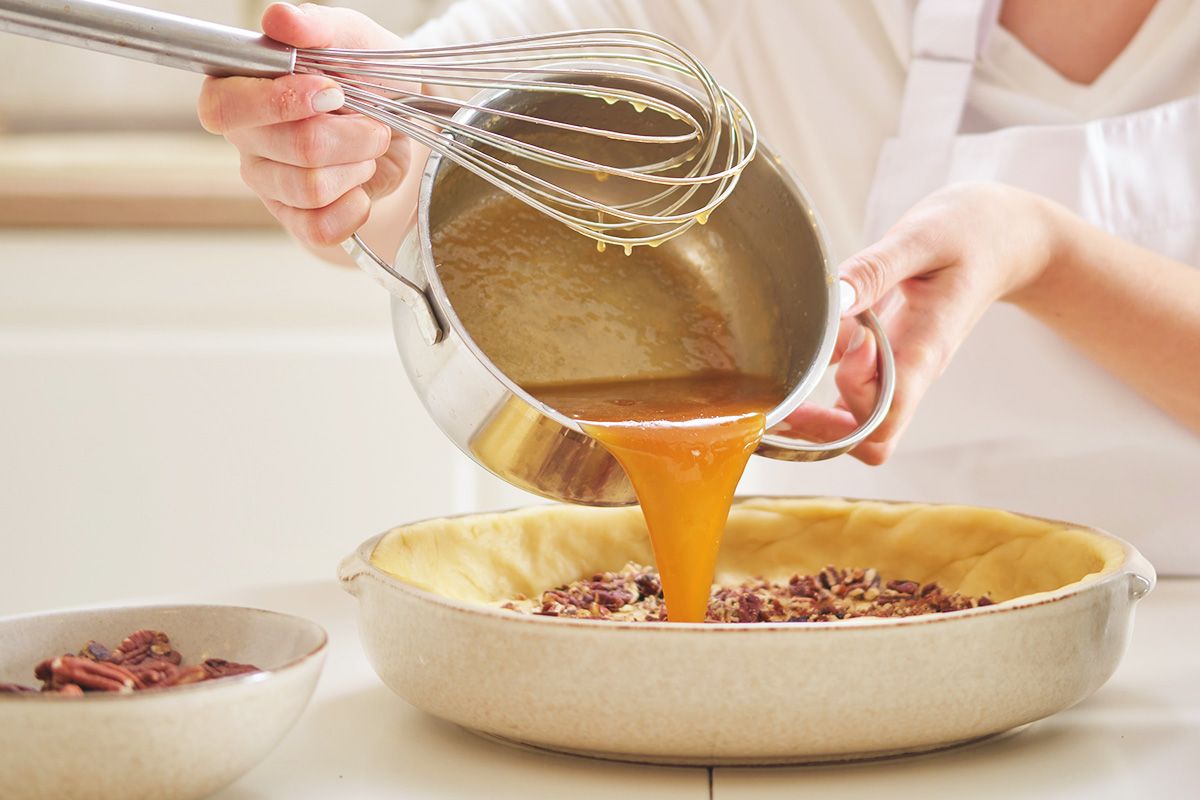
Pumpkin and Pecan Pie
When dessert rolls around, you have a couple of options that may surprise you. Glinski and Sergi both recommend taking a slice of pumpkin pie for its health benefits. Even though the pie is high in sugar, “pumpkin is rich in beta-carotene, which supports eye and skin health,” Glinksi says. “It also contains potassium, which is important for blood pressure regulation, and fiber, which helps you feel full longer and supports gut health.”
Beyond pumpkin, “pecan pie can be included as part of a balanced Thanksgiving plate,” Sergi says, because pecans contain unsaturated fat, which, when replacing saturated fats, may lower the risk of heart disease.
There is one important caveat here: You should be cautious with store-bought pies, which are often high in saturated fat and added sugar. When pies are homemade, though, you can adjust the ingredients to make them healthier. Consider using honey instead of refined sugar, Sergi says, or swapping in cow’s milk or something plant-based when a recipe calls for heavy cream. And Glinski recommends going with 100% pumpkin puree for your homemade pumpkin pie, because “canned pumpkin pie mix … often contains a lot of added sugar.”
Healthy Holiday Food Ingredient Substitutions
Pies aren’t the only classic holiday dishes that can be made a little healthier with strategic ingredient swaps. Here are Glinski and Sergi’s recommendations.
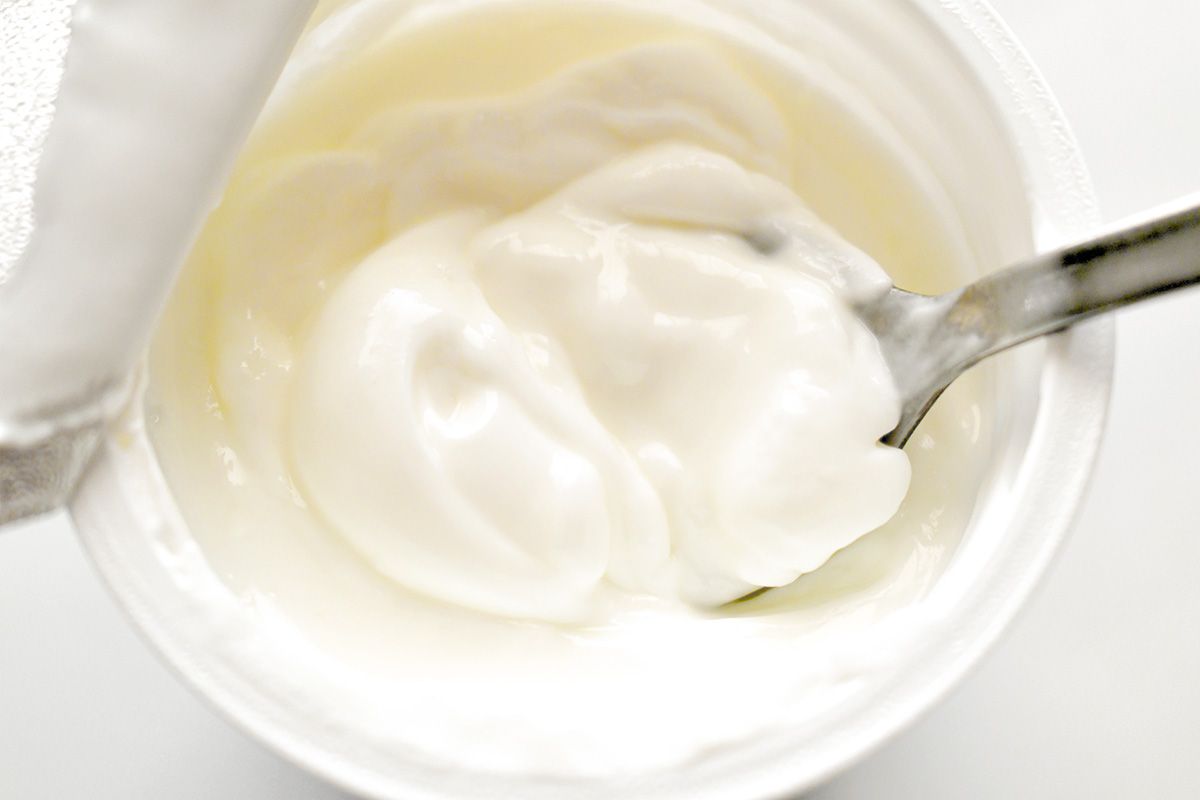
Plain Greek Yogurt Instead of Sour Cream
Glinski says plain Greek yogurt can work well as a substitute for sour cream: “It’s typically lower in fat and calories and higher in protein.” Plus, you still get that tangy flavor, “so most of the time, you won’t notice the difference.”
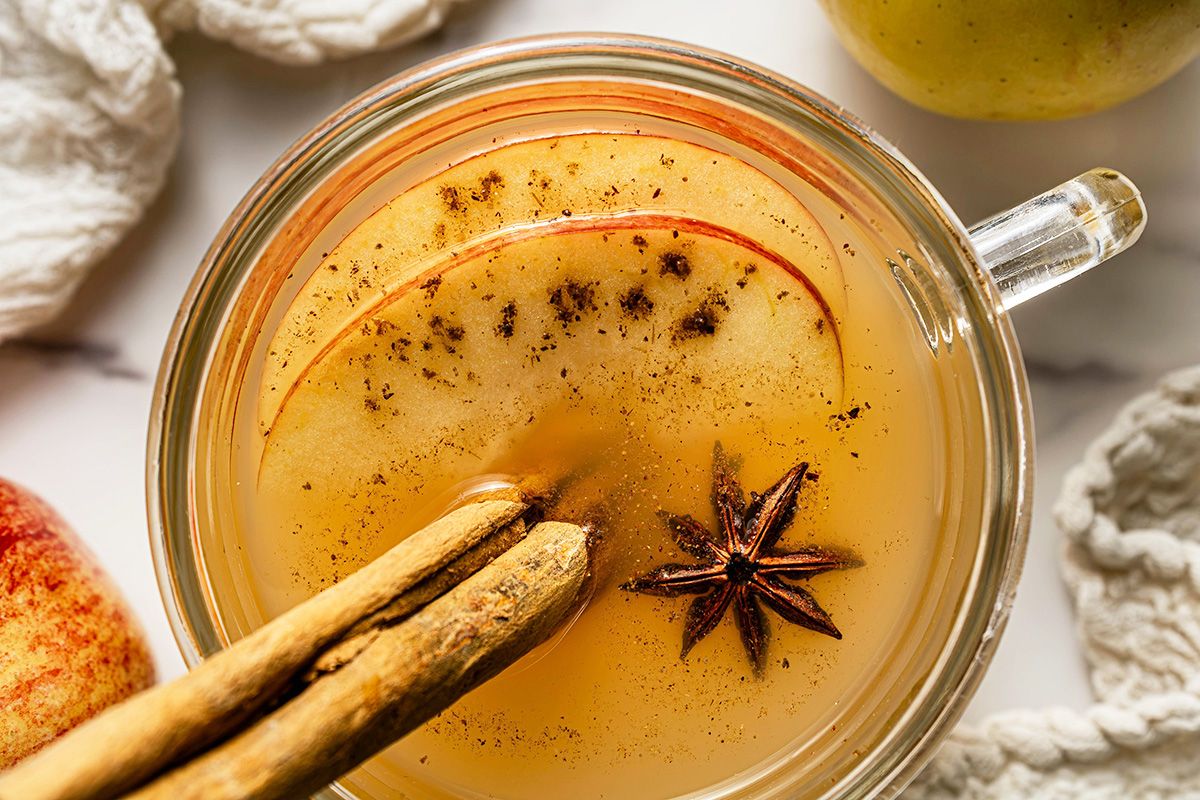
Spiced Apple Cider Instead of Eggnog
While many people opt for eggnog around the holidays, “it’s made with heavy cream and lots of sugar [and] can be extremely rich,” Glinksi says. She recommends spiced apple cider instead. “While still high in sugar, it is a lighter option that still offers festive holiday flavors and may be gentler on digestion.”
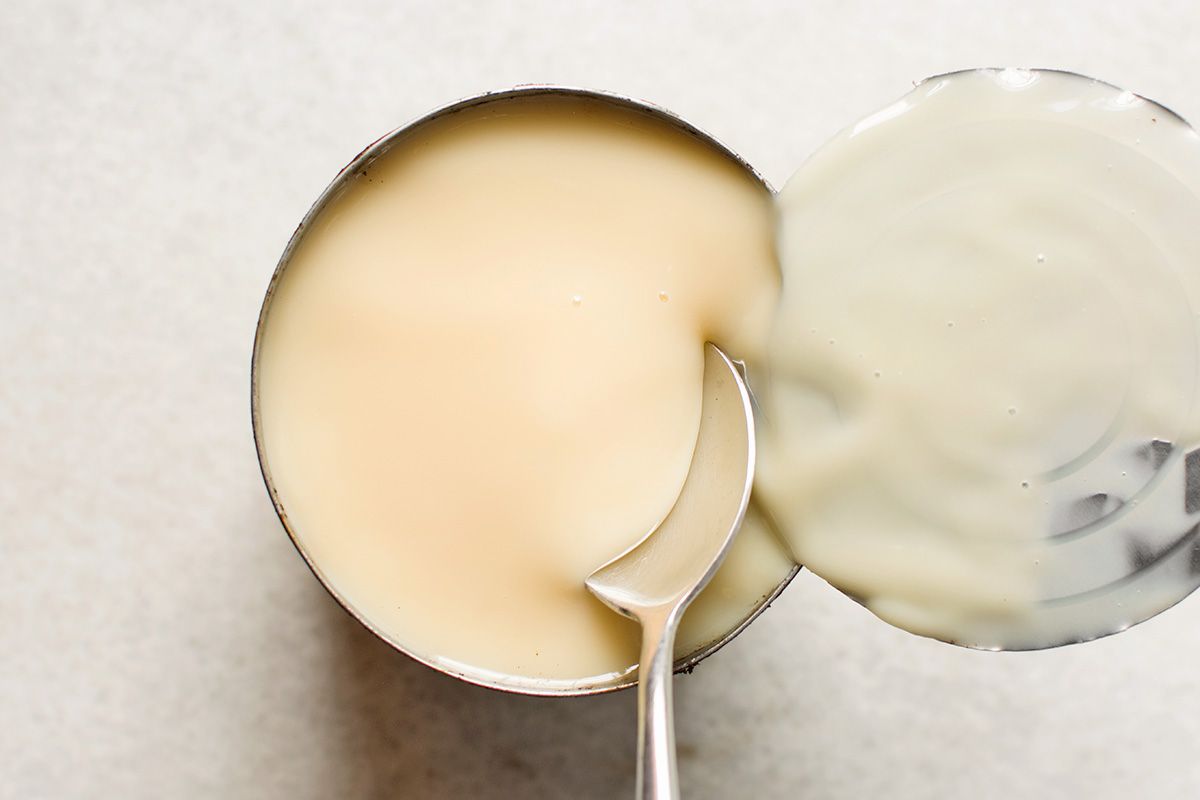
Evaporated Skim Milk Instead of Heavy Whipping Cream
If your recipe calls for heavy whipping cream, Sergi recommends using evaporated skim milk instead (just be aware that it may not whip up as well). You can use a 1:1 equivalent based on what your recipe calls for.
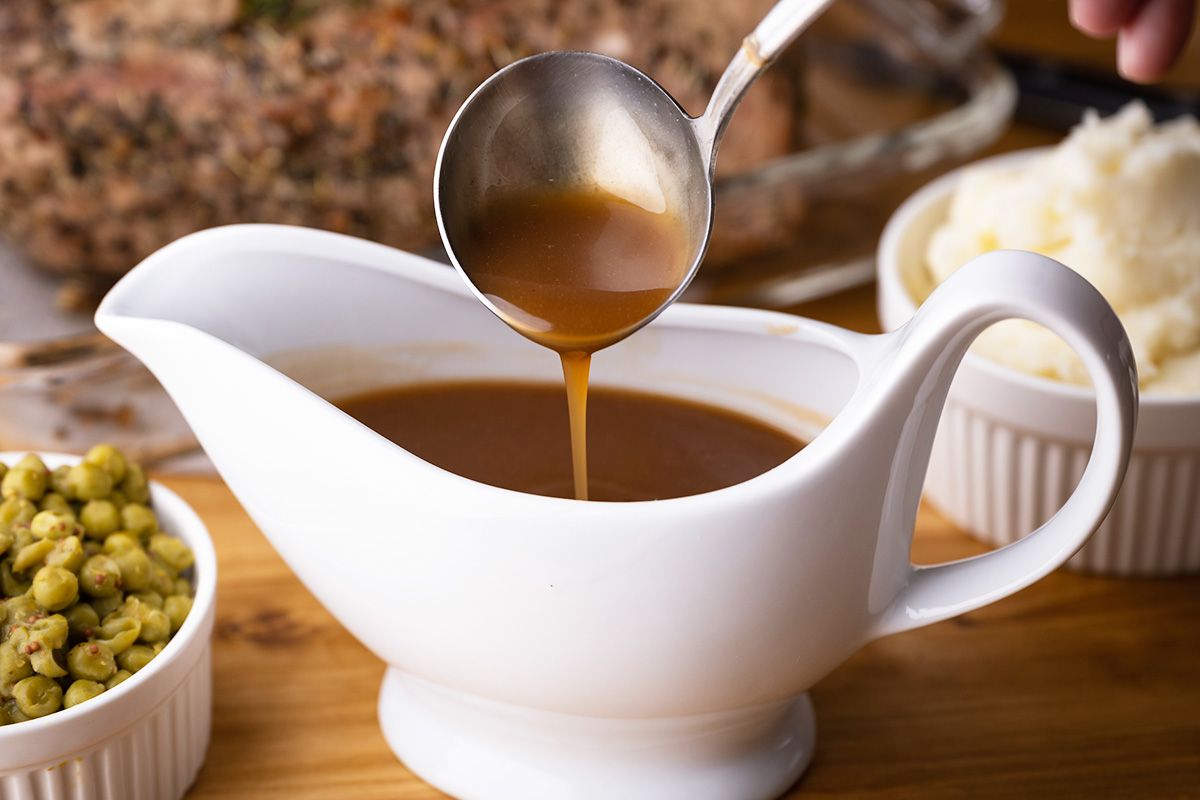
Low-Sodium Broth and Extra-Virgin Olive Oil in Gravy Recipes
You don’t have to ditch the gravy completely, but you can make healthier swaps for some of its ingredients. “You can lower sodium and saturated fat by using a low-sodium broth and swapping butter out for extra-virgin olive oil,”Sergi notes.
But most of all, as Glinski says, “don’t beat yourself up if you end up overindulging during the holidays. If you do end up eating or drinking more than you meant to … give yourself grace and pick up where you left off.”
Featured Image Credit: © Kristen/stock.adobe.com
More From Our Network
Better Report is part of Inbox Studio, an email-first media company. *Indicates a third-party property.







Based in Portland, Oregon, Nicole Pyles is an experienced freelance writer who writes about home and kitchen, health and wellness, and more. She's written for a variety of outlets, including Better Homes and Gardens, Tom's Guide, Better Report, and more.
This article is for general informational purposes only.
Affiliate Disclaimer Medical Disclaimer Financial Disclaimer