6 Costly Mistakes You Make When Buying Gas

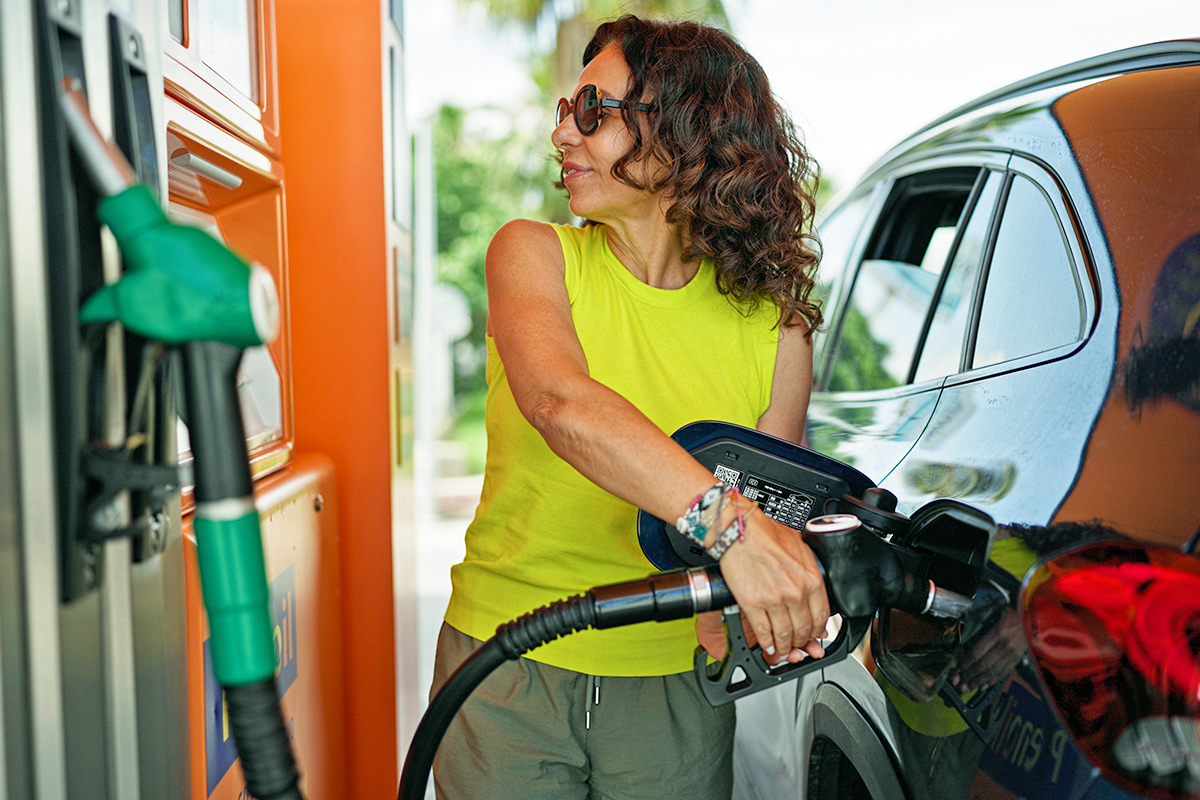
If you were to ask people to name the most expensive material on Earth, some might say it’s diamonds, gold, or even antimatter. If you pose that same question to the average driver, however, they may claim nothing drains their bank account quicker than gasoline.
Buying gas is one of the biggest financial burdens that people endure these days, and the prices seem to get higher all the time. (Though gas prices tend to be lower in the fall and winter, the average price for a gallon of gas in mid-November 2026 was still roughly 80 cents more expensive than it was the previous November, when it was $3.08.) But it’s not just the price of gas that’s costing people at the pump — the total price can be needlessly inflated by choices people make when fueling up. Here are six costly mistakes that occur at gas stations and how motorists can avoid them.
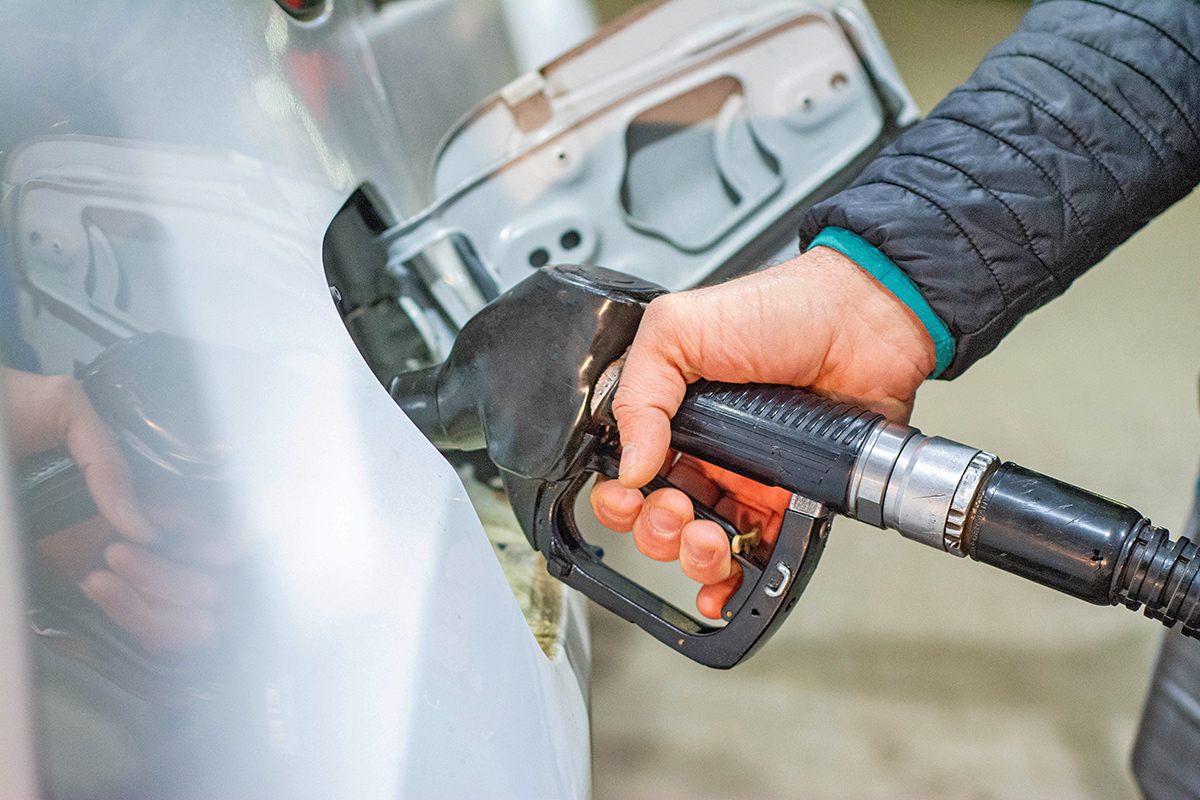
Topping Off Your Tank
It’s always tempting to top off your tank so you can get gas at the current price and delay fueling up again for as long as possible. But there’s a large financial downside to doing so.
First, there’s the risk of gas spilling onto the ground. Not only does this waste a few cents, but it creates an unnecessary fire hazard, too. Also, your vehicle triggers an automatic stoppage when your tank is properly full — and any gas added after that ends up pooling in the overflow area and going to waste. Lastly, topping off the tank risks damaging the onboard refueling vapor recovery system, a crucial component that absorbs harmful fuel vapor and can cost hundreds to repair if broken. If it’s not working properly, your check engine light will come on.

Reader Favorites



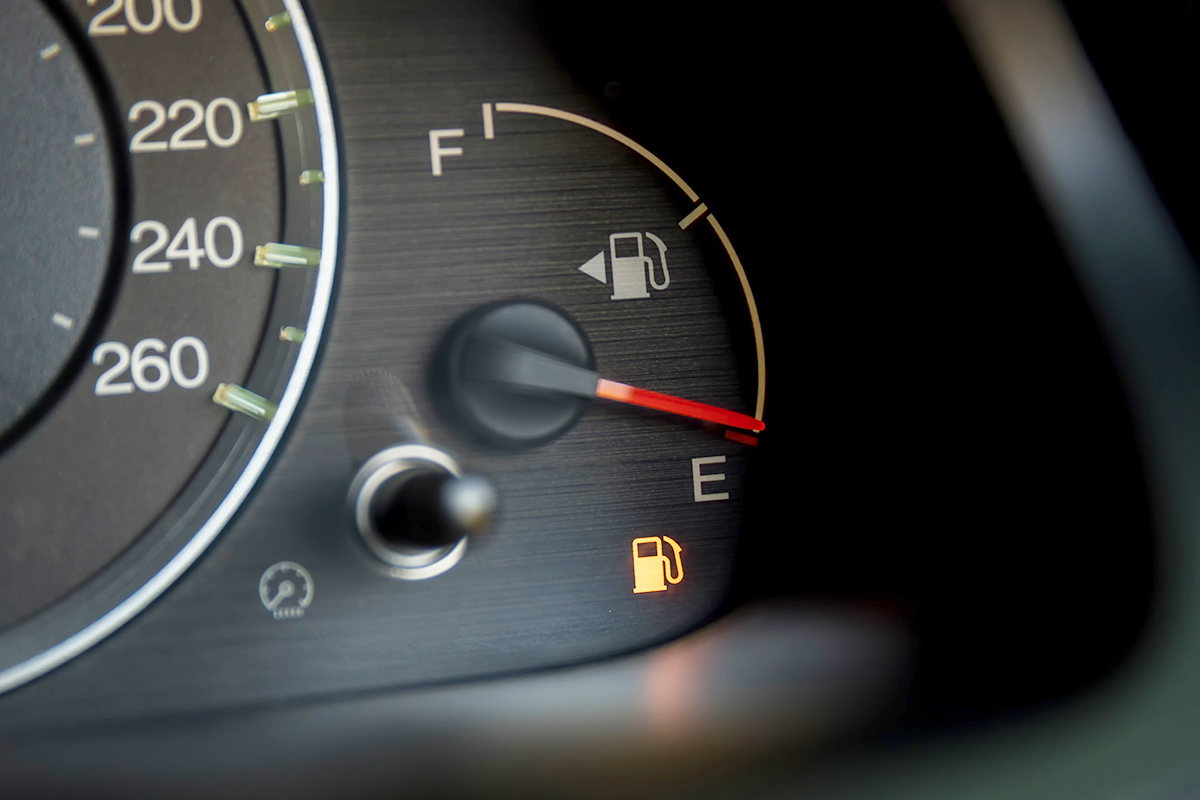
Waiting To Pump Until Near Empty
Many drivers wait until the tank is nearly empty to fuel it back up, but this is a costly mistake for several reasons. As financial expert Mary Hines Droesch told Martha Stewart, if you wait too long to get gas, you may be forced to stop at the first station you see to fill up, even if the gas there is more expensive than stations down the road. Instead, it’s always best to fuel up when your tank is low, as that allows you to shop around looking for a favorable price.
Additionally, driving on a low to near-empty tank of gas can damage the car in the long run. When the tank is full, the fuel helps lubricate and cool the fuel pump. But when it’s low, air gets sucked into that pump, which can add up to some costly repairs over time. Experts say your tank should always be at least a quarter full.
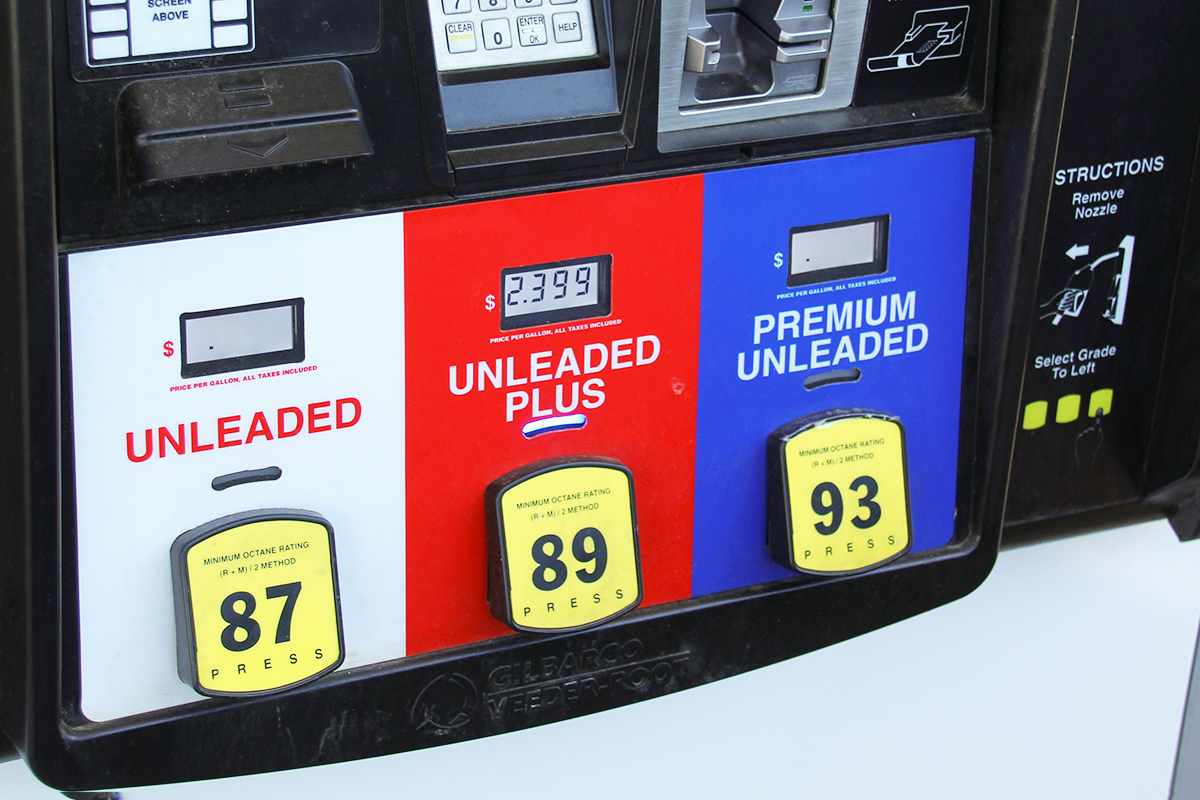
Paying for Premium
People may assume that, given its price tag (25% more per gallon than regular on average), premium gas is a higher-quality product. But in reality, both premium and regular offer the same power and ethanol content. The main difference is that premium is higher-octane, which means it has a strong resistance to spontaneous burning that causes engine knock, and it only enhances performance when it comes to high-compression engines typically found in sports cars or luxury vehicles. It won’t increase the fuel efficiency or performance of other cars. So unless the manufacturer of your vehicle explicitly says your car needs premium, you can stick to buying regular gas instead.
Fueling on the Wrong Day
A study by the price-tracking app GasBuddy found that in many states, Sunday is the cheapest day of the week to fuel your vehicle, while pumping Wednesday through Friday may cost you up to 9 cents more per gallon on average. Part of the reason gasoline prices spike as the week goes on is that gas stations anticipate higher demand, possibly for weekend travel.
Some states — like Michigan, Indiana, Ohio, Florida, Texas, and a few on the West Coast — follow a different pattern called “price cycling”: Prices suddenly skyrocket on a particular day, then decrease over the next several days until they’re as much as 45 cents cheaper per gallon. Then the process begins again.
Ignoring Rewards Programs
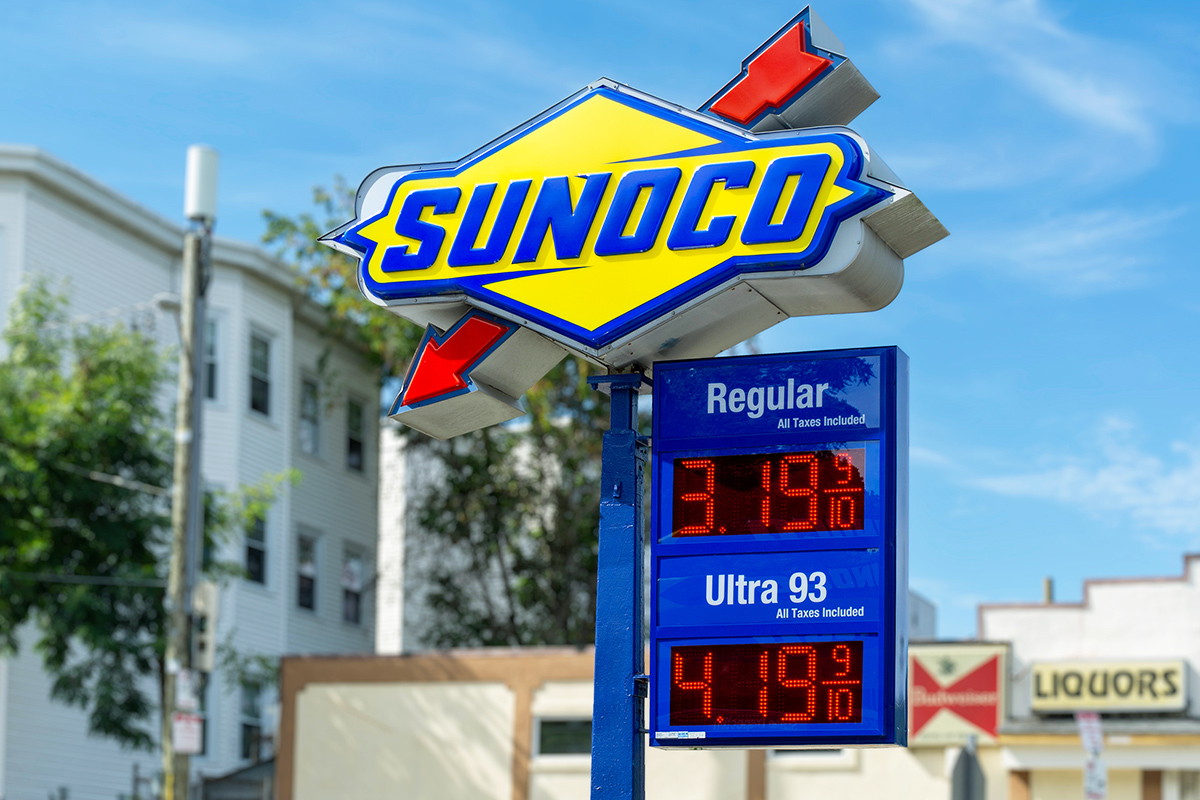
Signing up for a loyalty program at a local gas station doesn’t cost anything, and doing so will help you save in the long run; exactly how much varies by program, but you’ll usually save 3 cents per gallon at places like Circle K or Kroger, and up to 13 cents per gallon on regular gas with Sunoco and 25 cents for diesel at Love’s.
Just be careful about deals these programs offer that are unrelated to gas, which may include discounts on food, drink, merch, and more. If you spend a lot on those things, you’ll be canceling out the money you saved at the pump.
Getting Scammed by Card Skimmers
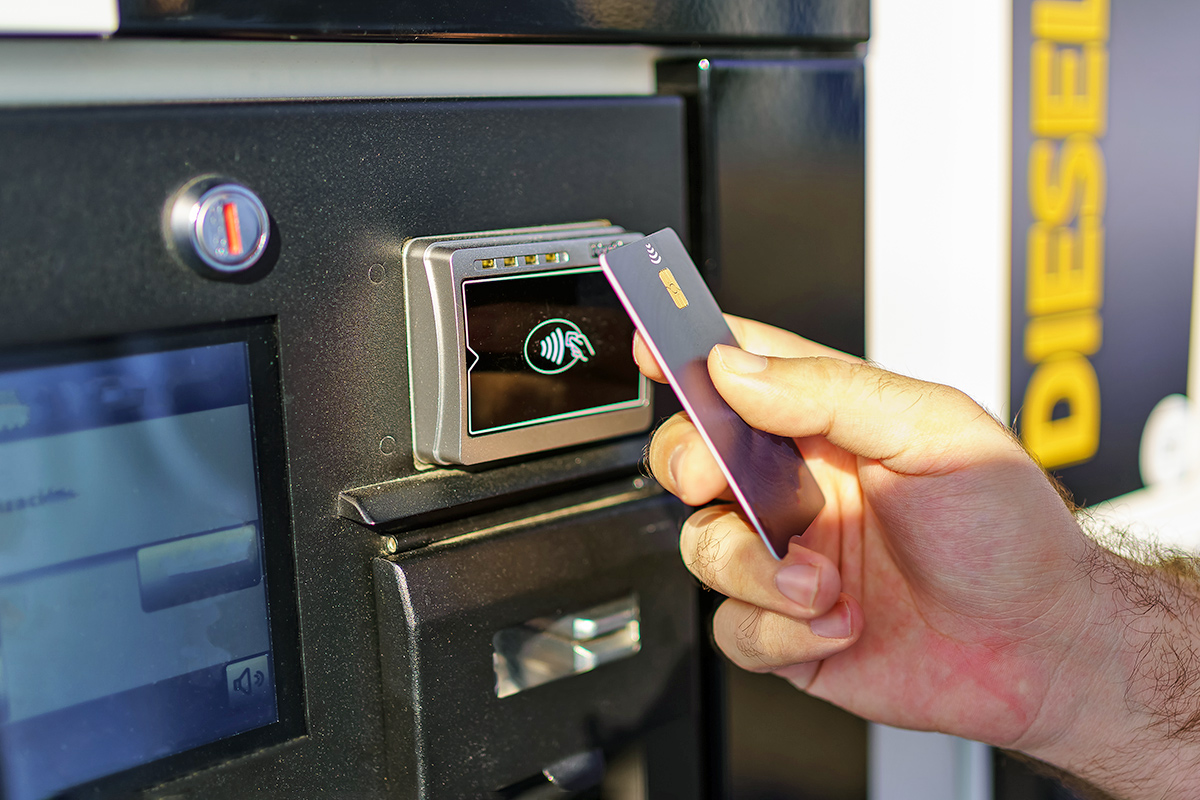
Scammers use skimmers to steal financial information, and gas pumps are among the most common places they install them. These devices steal your card’s information when you swipe or insert it into the card reader, which may result in fraudulent charges to your credit card or money being drained straight from your bank account via debit card.
There are a few steps you should take to lessen the odds of having your financial information stolen at the pump. First, look for any signs of tampering and give the card reader a wiggle — if it moves, becomes dislodged, or slides off, it’s likely a skimmer, and you should alert a station attendant. Rather than inserting your card, use contactless payments or pay the clerk inside. Also, always use credit instead of debit if possible; that way, money won’t come directly out of your bank account, and you’ll be able to contest any pending charges if your info is stolen.
Featured Image Credit: © josemiguelsangar/stock.adobe.com
More From Our Network
Better Report is part of Inbox Studio, an email-first media company. *Indicates a third-party property.







Bennett Kleinman is a New York City-based staff writer for Inbox Studio. He is also a freelance comedy writer, devoted New York Yankees and New Jersey Devils fan, and thinks plain seltzer is the best drink ever invented.
This article is for general informational purposes only.
Affiliate Disclaimer Medical Disclaimer Financial Disclaimer