6 Holiday Scams To Watch Out For


Scammers never take a holiday. In fact, the weeks leading up to Christmas can be particularly busy ones for fraudsters, thanks to the millions of Americans shopping for gifts, tracking packages, and donating to charitable causes. The holiday rush creates the perfect opportunity for scammers to take advantage of distracted shoppers.
According to the FBI, Americans reported more than $503 million in losses from two kinds of scams — nonpayment (where they shipped goods they were never paid for) and nondelivery (where they paid for goods or services they didn’t receive) — in 2025 alone. While these schemes happen throughout the year, they ramp up during the holiday season, and the amount of shopping you do can make it especially difficult to distinguish a legitimate deal from a costly deception.
Before you tackle the rest of your holiday shopping list, familiarize yourself with some of the most common scams making the rounds this season.

Fake Online Stores
Maybe that designer handbag you’ve been eyeing is suddenly 80% off. Or perhaps you’ve stumbled across a website selling this year’s hottest toy at a fraction of its retail price. Before you reach for your credit card, take a closer look at the seller.
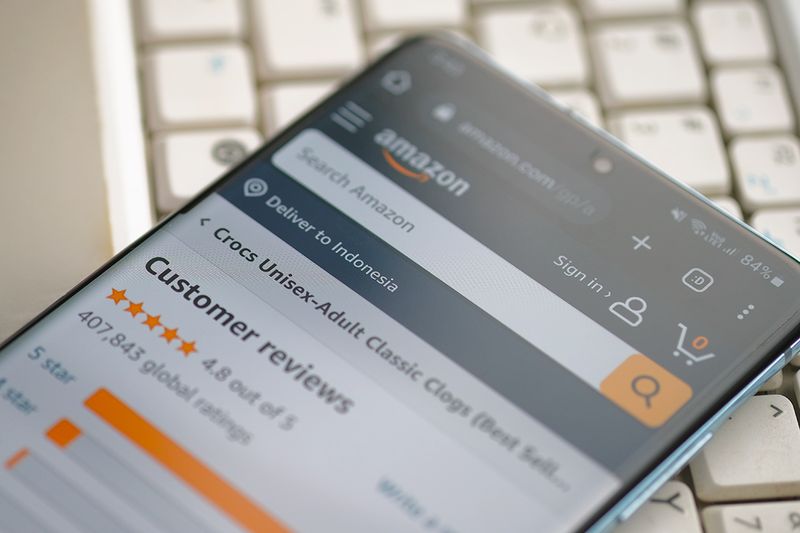
Scammers frequently create convincing online storefronts advertising popular products at impossibly low prices. Some even use stolen product photos, fabricated customer reviews, and social media advertisements to make their businesses appear legitimate. (AI has made all of this even easier.) But once you’ve paid, the merchandise may never arrive.
The FBI calls these nondelivery scams, and they’re among the most common forms of online shopping fraud. According to the free scam checker Scamwise, a new fake store is reported every three minutes.
How to protect yourself: Research unfamiliar retailers before purchasing anything. Look for independent reviews, double-check the website address, and be suspicious of deals that seem too good to be true. Whenever possible, pay with a credit card, which generally offers stronger fraud protections than debit cards or payment apps.

Reader Favorites



Phony Package Delivery Notifications
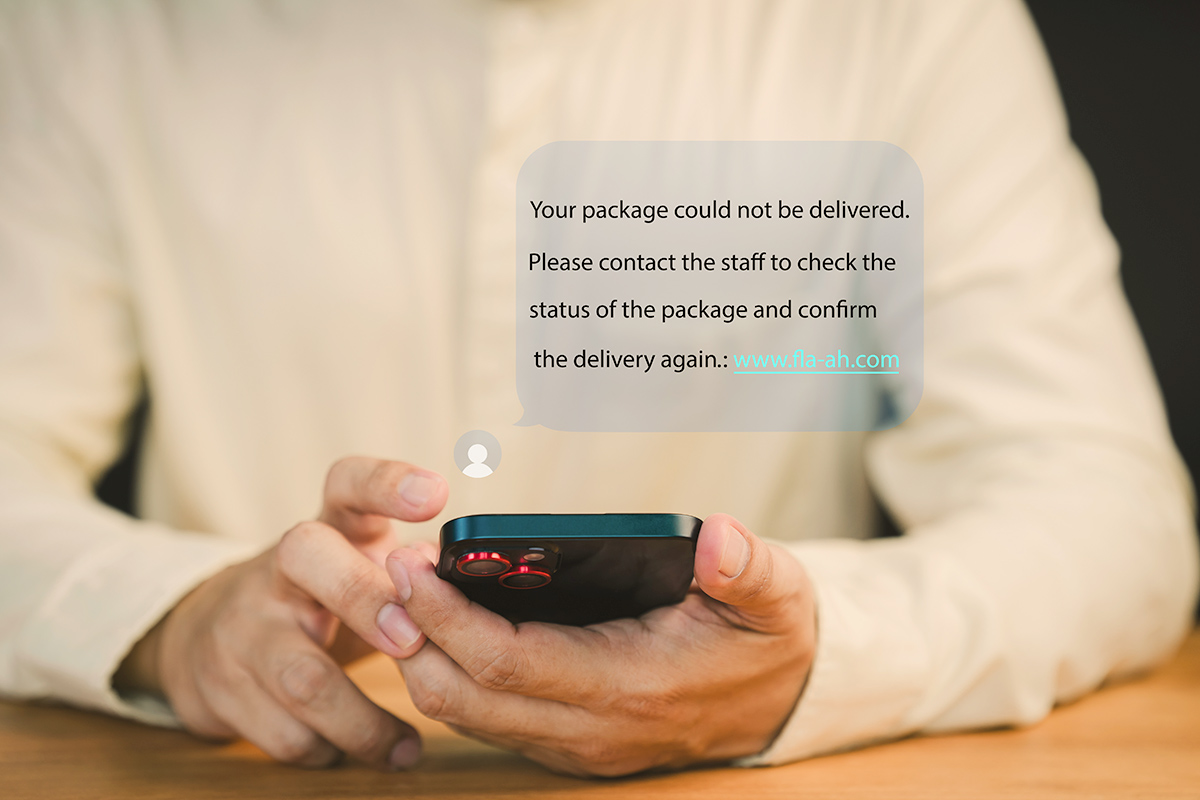
With packages arriving almost daily during the holiday season, a text message claiming that USPS, UPS, or FedEx couldn’t deliver your order might not seem particularly suspicious. And that’s exactly what scammers are counting on.
These messages typically claim there’s a problem with your delivery address or that a package is being held until you confirm your information. They include a link to what appears to be the shipping company’s website, where you’re asked to enter personal details or pay a small redelivery fee. In reality, the link may lead to a fraudulent website designed to steal your financial information or login credentials. Some links can even expose your device to malicious software.
How to protect yourself: Never click on an unexpected delivery link, even if you’ve recently had a conversation with a delivery provider. Instead, visit the shipping company’s official website or app and enter your tracking number directly. The Federal Trade Commission also recommends checking your original order confirmation to verify a package’s status.
Gift Card Scams
Gift cards are popular holiday presents, but they’re also a favorite tool of scammers.
One common scheme involves a fraudulent seller demanding payment with a prepaid gift card rather than a credit card. When you provide the card number and PIN, the money can disappear almost immediately, leaving you with little recourse.
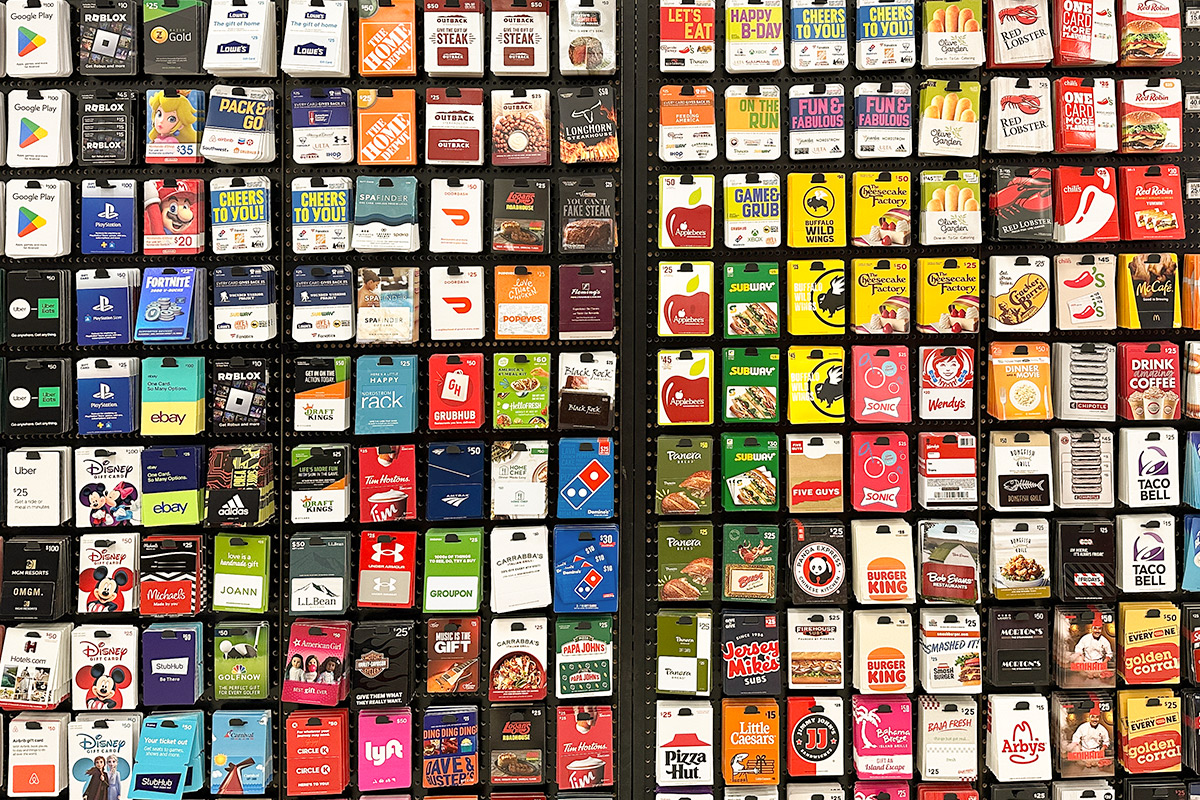
But there’s another scam that can affect people purchasing legitimate gift cards from stores. Criminals sometimes tamper with cards on display racks, recording their numbers and PINs. The scammers use a computer program to track those cards, getting an alert when they’re purchased and activated by unsuspecting shoppers. The fraudsters can then drain the balances before recipients have a chance to use them.
How to protect yourself: Never use gift cards to pay someone who contacts you demanding money. When purchasing gift cards as presents, inspect the packaging for signs of tampering, pay by credit card if possible, and keep your receipt. The FTC recommends reporting suspicious cards to store employees and choosing cards from another location if necessary.

Online Marketplace and Auction Scams
Buying gifts through online marketplaces can be a great way to find unusual items, vintage collectibles, or sold-out merchandise. Unfortunately, it can also put you in contact with dishonest buyers and sellers.
The FBI warns about auction fraud, in which an item purchased through an auction website turns out to be significantly different from what was advertised.
But it’s not just buyers who need to be wary — sellers can be targeted, too. In a nonpayment scam, someone agrees to purchase an item and convinces the seller to ship it before the payment has actually cleared. The seller loses the merchandise without receiving the money.
How to protect yourself: Check buyers’ and sellers’ ratings, be wary of newly created accounts, and keep transactions within the marketplace’s official payment system. If someone insists on moving the conversation to another platform or using an unusual payment method, consider it a warning sign. Sellers should verify that payment has actually been received before shipping anything.
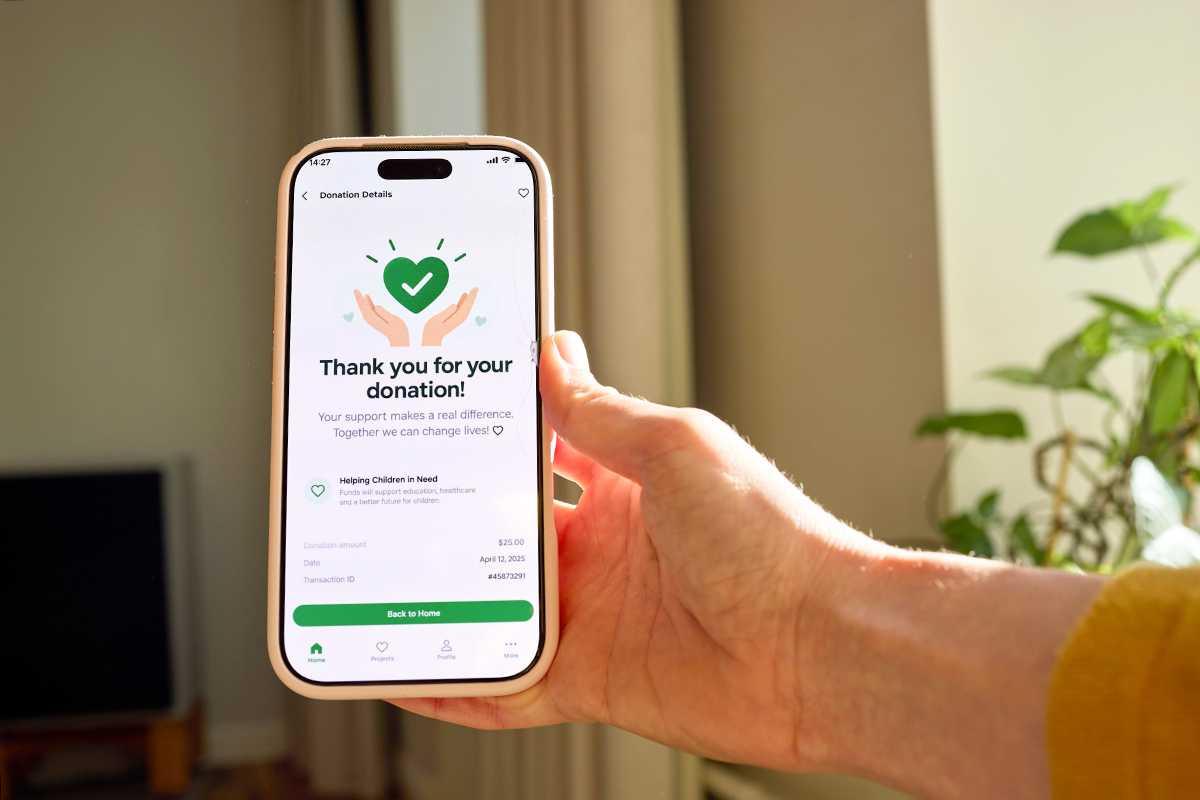
Fake Charity Appeals
The holidays inspire generosity, and scammers know it.
Fraudsters may create fake charities, impersonate legitimate nonprofit organizations, or launch fraudulent crowdfunding campaigns featuring emotional stories designed to tug at your heartstrings. Some even use names and logos that closely resemble those of established organizations.
These schemes can be particularly effective during the holidays, when people are already thinking about giving back.
How to protect yourself: Research charities before donating, especially if you receive an unexpected solicitation by phone, email, or social media. Organizations such as Charity Navigator can help you evaluate legitimate nonprofits. If you want to support a particular cause, visit the charity’s official website rather than following a link in an unsolicited message. Be especially wary of anyone pressuring you to donate immediately.
Holiday Impersonation Scams
Imagine receiving a frantic phone call from a family member claiming they’re stranded somewhere and desperately need money to get home for Christmas. The voice sounds familiar, and the situation seems urgent.
Unfortunately, that may not actually be your loved one: Scammers have long impersonated friends and relatives to solicit emergency payments. But advances in artificial intelligence have made these schemes more convincing, allowing criminals to create realistic imitations of people’s voices. The goal is to make you panic and send money before you’ve had time to verify the story.
How to protect yourself: If someone claiming to be a loved one urgently requests money, hang up and contact that person using a phone number you already know. Don’t rely on the voice alone as proof of identity. You can also establish a family code word to help verify unexpected emergency requests.
What To Do If You’ve Been Scammed
Even cautious consumers can fall victim to a convincing scam. If you suspect you’ve been targeted, acting quickly may help limit the damage.
Contact your bank or credit card company immediately if you’ve shared financial information or made a suspicious payment. Change any compromised passwords, and consider monitoring your accounts for unauthorized activity. You can also report suspected fraud to the FTC or the FBI’s Internet Crime Complaint Center.
The holidays are expensive enough without handing over your hard-earned money to criminals. A little skepticism — and a few extra minutes spent verifying an unfamiliar seller, suspicious message, or unexpected request — can go a long way toward keeping the most wonderful time of the year scam-free.
Featured Image Credit: © NoSystem images—E+/Getty Images
More From Our Network
Better Report is part of Inbox Studio, an email-first media company. *Indicates a third-party property.







Jennifer M. Wood has been writing about news, entertainment, culture, and travel for longer than she cares to admit. She lives just outside Philadelphia with her husband and an ever-growing menagerie of rescue pets.
This article is for general informational purposes only.
Affiliate Disclaimer Medical Disclaimer Financial Disclaimer