The Most Dangerous Things You Do With Your Christmas Tree

All featured products and deals are selected independently and objectively by the author. Better Report may receive a share of sales via affiliate links in content.
Each year, 25 million to 30 million live Christmas trees are sold in the United States. The vast majority spend a cozy month in someone’s living room and head to the curb in January without incident, but a small number don’t: The National Fire Protection Association estimates an average of 143 Christmas tree fires per year, leading to an average of seven deaths, 13 injuries, and $15 million in property damage. Even artificial trees pose a fire risk. Most of the issues that arise come down to a few everyday habits that are easier to change than untangling last year’s string lights. Here’s what to stop doing.
Leaving the Lights on When No One’s Around
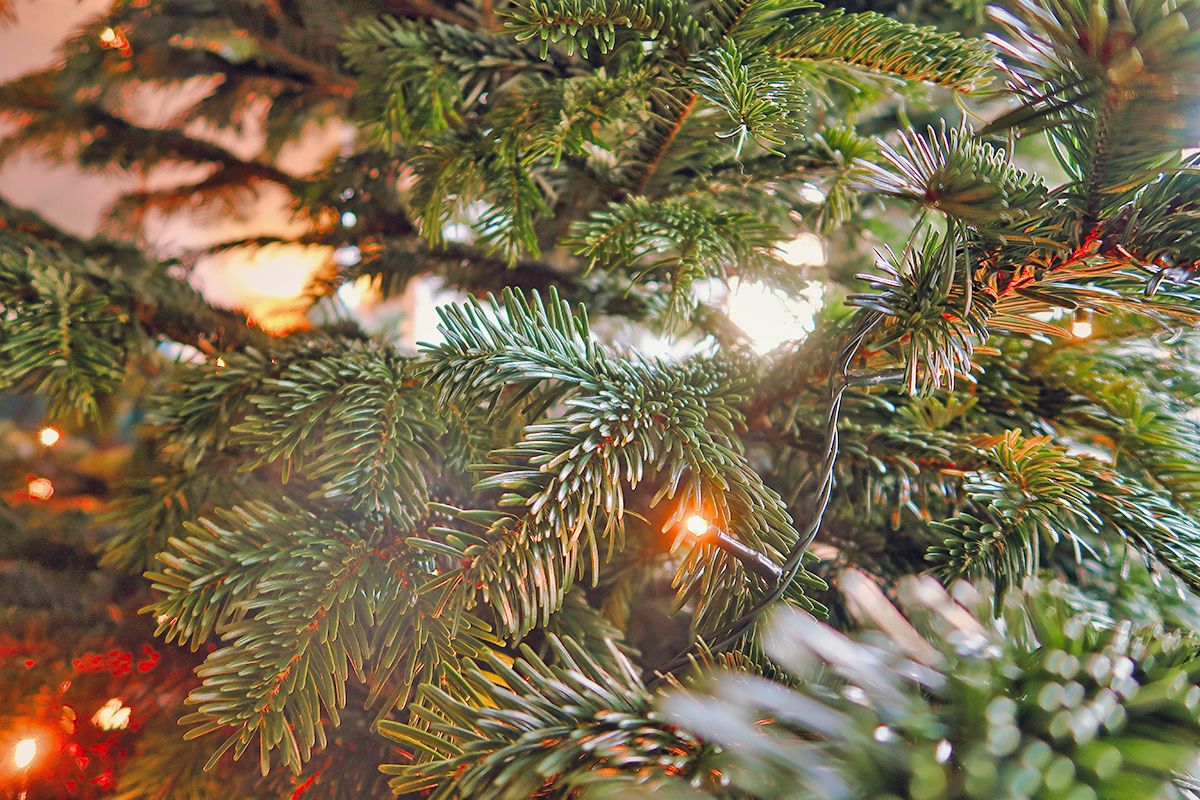
Most Christmas tree fires start between 3 p.m. and midnight, prime hours for the lights to be on. The U.S. Consumer Product Safety Commission recommends turning off all holiday lights when you go to bed and when you leave the house. The FDNY, however, goes a step further: Unplug them whenever you leave the room. You can also pick up a timer so your lights shut off after a set period, or use a smart plug to have more control. (You won’t need to come back home — or even get out of bed — if you’ve forgotten.) After all, Santa may be able to see you when you’re sleeping, but he can’t unplug your lights.
Letting a Real Tree Dry Out
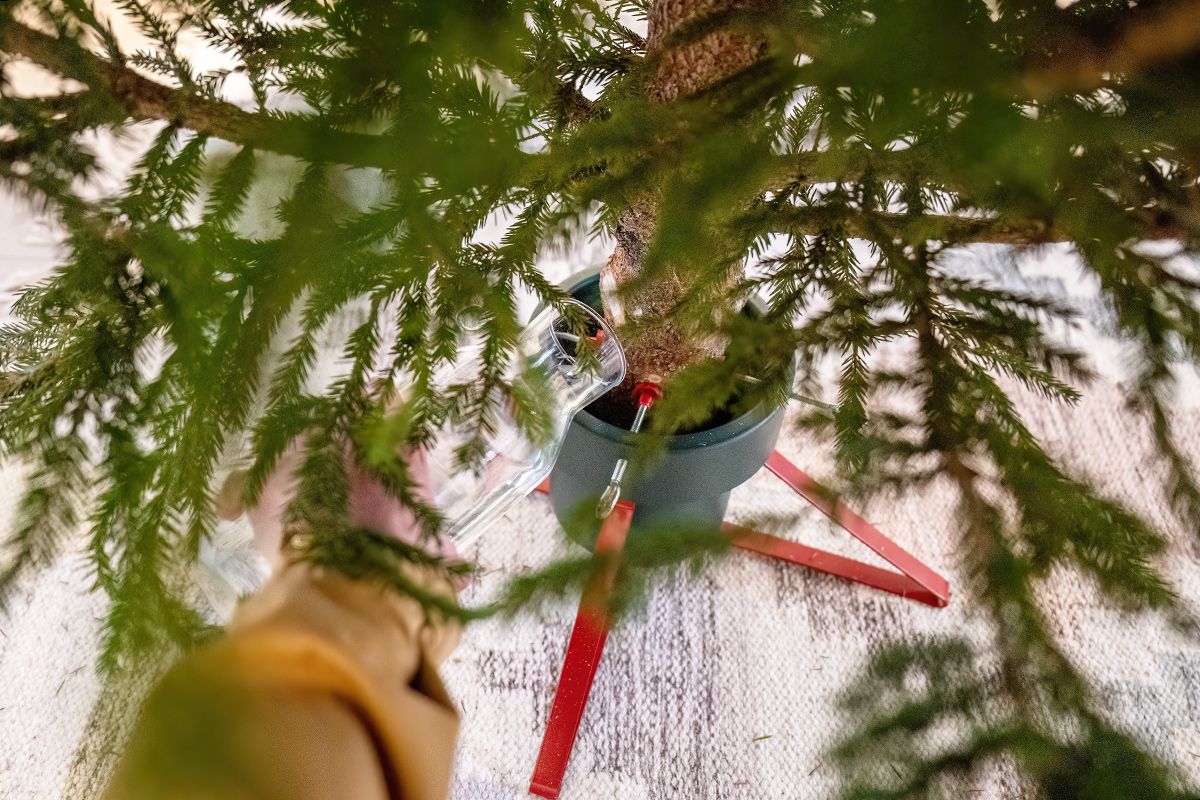
Because a freshly cut tree can drink up to a gallon of water a day, it’s important to check the stand daily and keep the water above the cut end of the trunk. (Plain tap water will work just fine.) As fire tests at the National Institute of Standards and Technology showed, watering makes a dramatic difference: A dry Scotch pine was fully engulfed in flames in less than nine seconds, while a well-watered tree held to an open flame caught briefly, then put itself out.
On the same note, watering helps only if the tree was fresh to begin with. To make sure you’re not bringing home a tree that’s past its prime, gently pull a branch between your thumb and forefinger; very few needles should come off. Check the stump, too, which should be sticky with resin.
If you’re not going to put up your tree right away, stand it in a bucket of water somewhere cool while it waits. If it’s been stored more than three days, cut off about an inch of stump before putting it into the stand.
Putting Your Tree Too Close to Heat
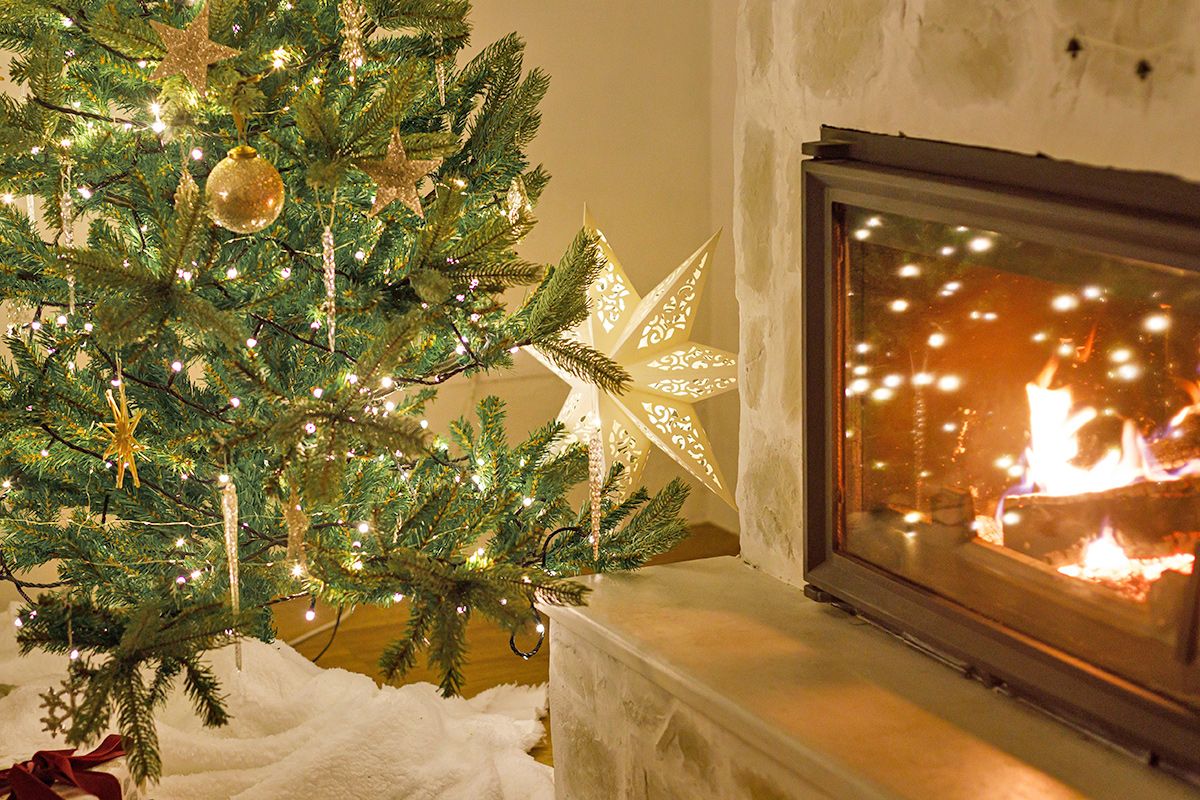
We know: Nothing goes together like a twinkling Christmas tree and a crackling fire. Both can coexist safely, so long as the tree is kept at least 3 feet from the fireplace. The same rule applies to space heaters, radiators, heating vents, and decorative candles (and never decorate the tree with real candles).

Reader Favorites



Using Worn-Out Lights and Cords
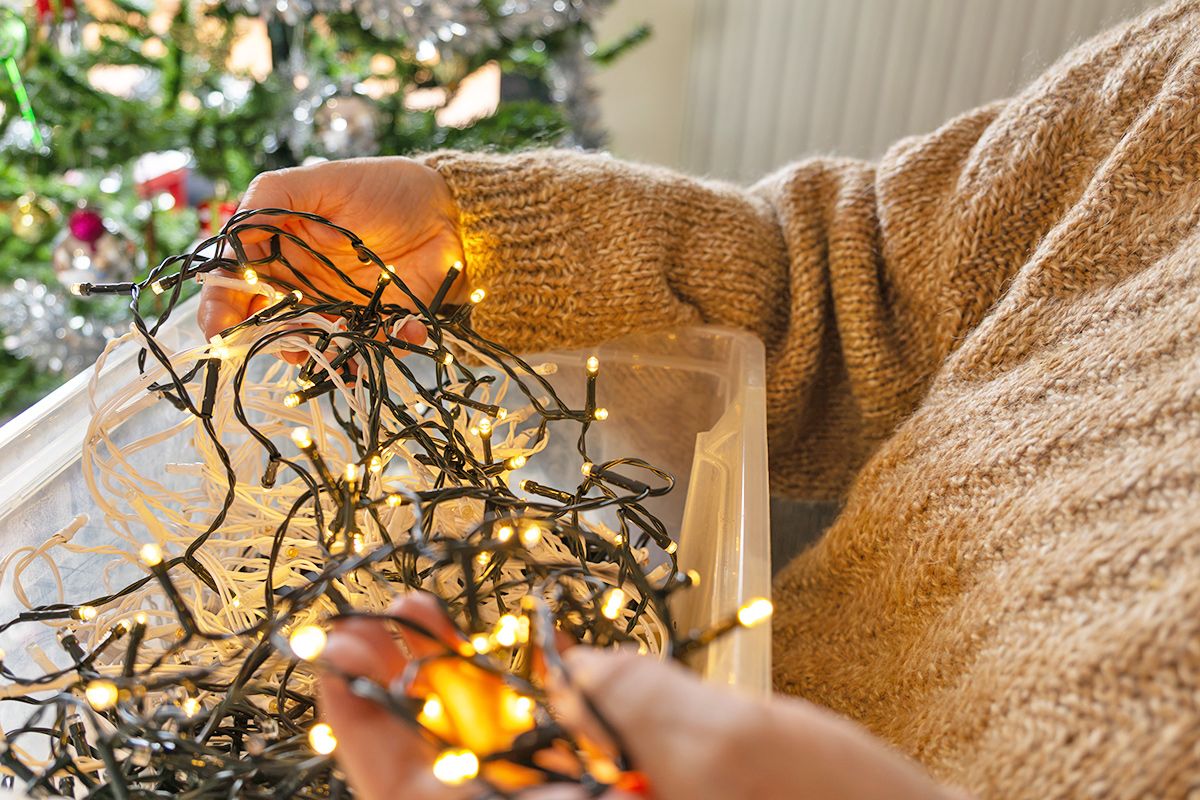
Electrical and lighting issues are responsible for 44% of Christmas tree fires. Check every cord and light strand, new or old, for cracks, frayed wires, and loose connections, then e-cycle anything that doesn’t pass muster. Use only lights tested by a nationally recognized lab like UL, and never put electric lights on a metallic tree. (And if you’re buying a new artificial tree this year, look for one that’s marked “fire resistant.”) Set up the tree near an outlet so you need fewer extension cords, and use one that’s rated for the job. If you’re using older, incandescent lights, string no more than three lengths together at a time (modern LED lights can go longer).
Leaving It Up Too Long
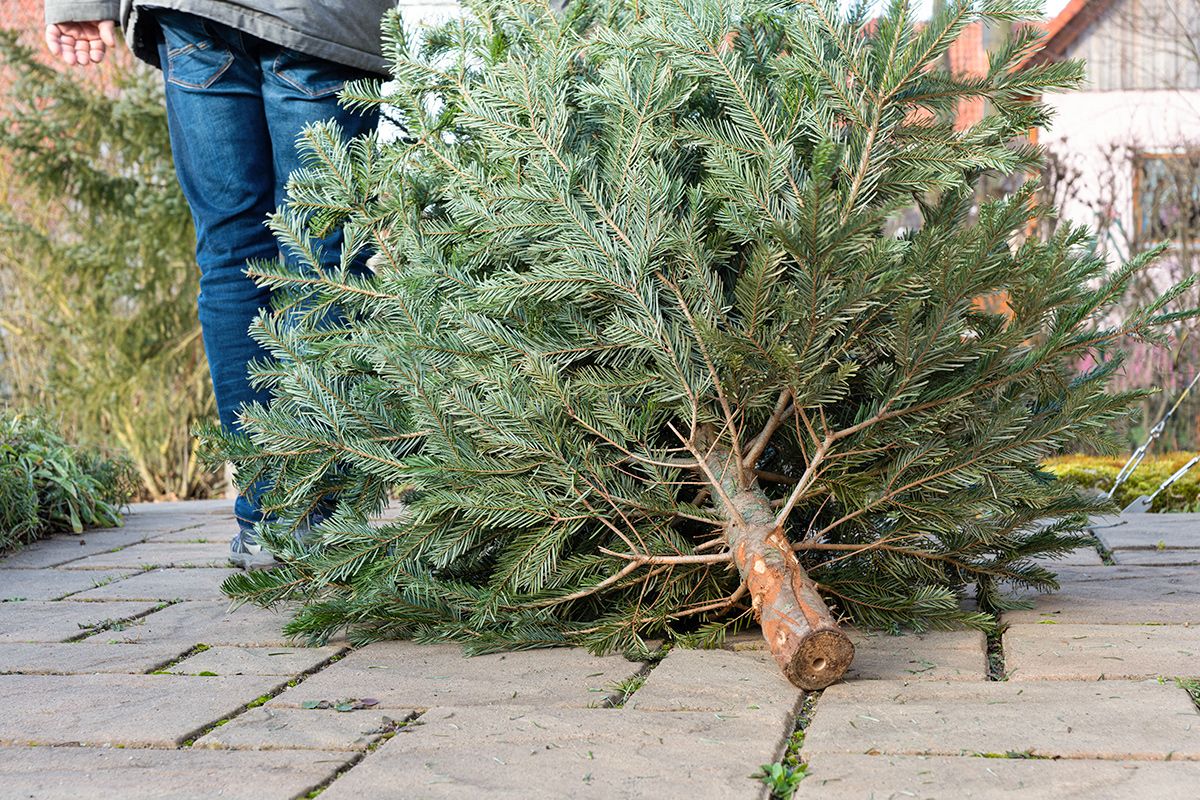
A third of home Christmas tree fires happen in January, as trees grow older, drier, and more flammable. Take the tree down soon after the holiday and recycle it through a local program if you can.
Being safe doesn’t mean scaling back the holidays. Keep the tree watered, the cords in good shape, and the lights off at bedtime, and enjoy the glow while you’re awake to see it.
Featured Image Credit: © Karolina Grabowska/Unsplash.com
More From Our Network
Better Report is part of Inbox Studio, an email-first media company. *Indicates a third-party property.






Erin Scottberg is a Brooklyn-based writer, garden designer, and houseplant expert — and the founder of Full Sun Studio (fullsun.studio), a garden design and plant consulting studio in New York City. She holds an Urban Horticulture Certificate from Brooklyn Botanic Garden, an NYC Street Tree Pruner License, and an NYC Master Composter Certification, and spent three years as Head of Content and Education at The Sill. When she's not working, you can find her creating in her textile studio, running craft nights in her neighborhood, or hanging with her rescue pup, Sunny. She's an ambitious DIYer, avid composter, and has never been able to walk by a thirft store without taking a look.
This article is for general informational purposes only.
Affiliate Disclaimer Medical Disclaimer Financial Disclaimer