Should You Refrigerate Peanut Butter?

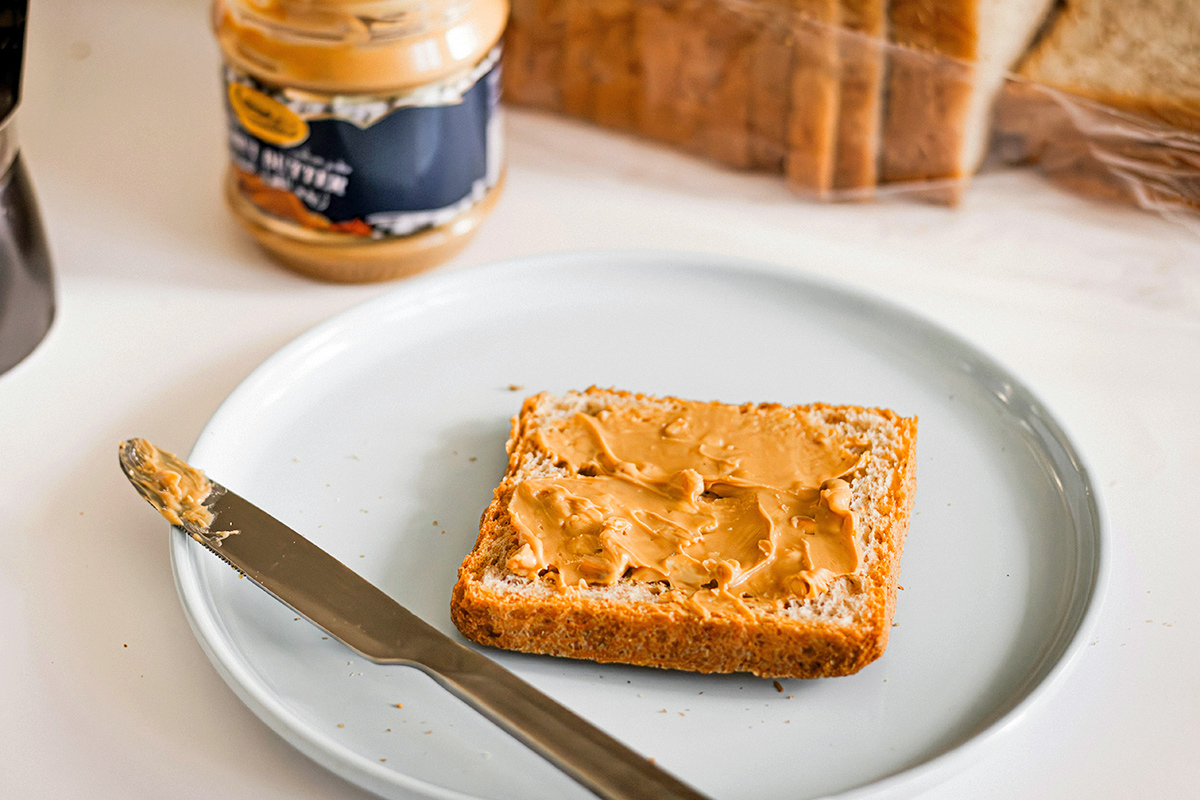
Peanut butter is a powerhouse: You can use it to make a classic PB&J, turn it into delicious cookies, or whip together a sauce that elevates all kinds of dishes.
Whatever your reason for buying peanut butter, once you have an open jar at home, you may wonder: Should I put this in the fridge? The answer is more complicated than you might assume. We spoke with an expert to get to the bottom of it.
How Is Peanut Butter Made?
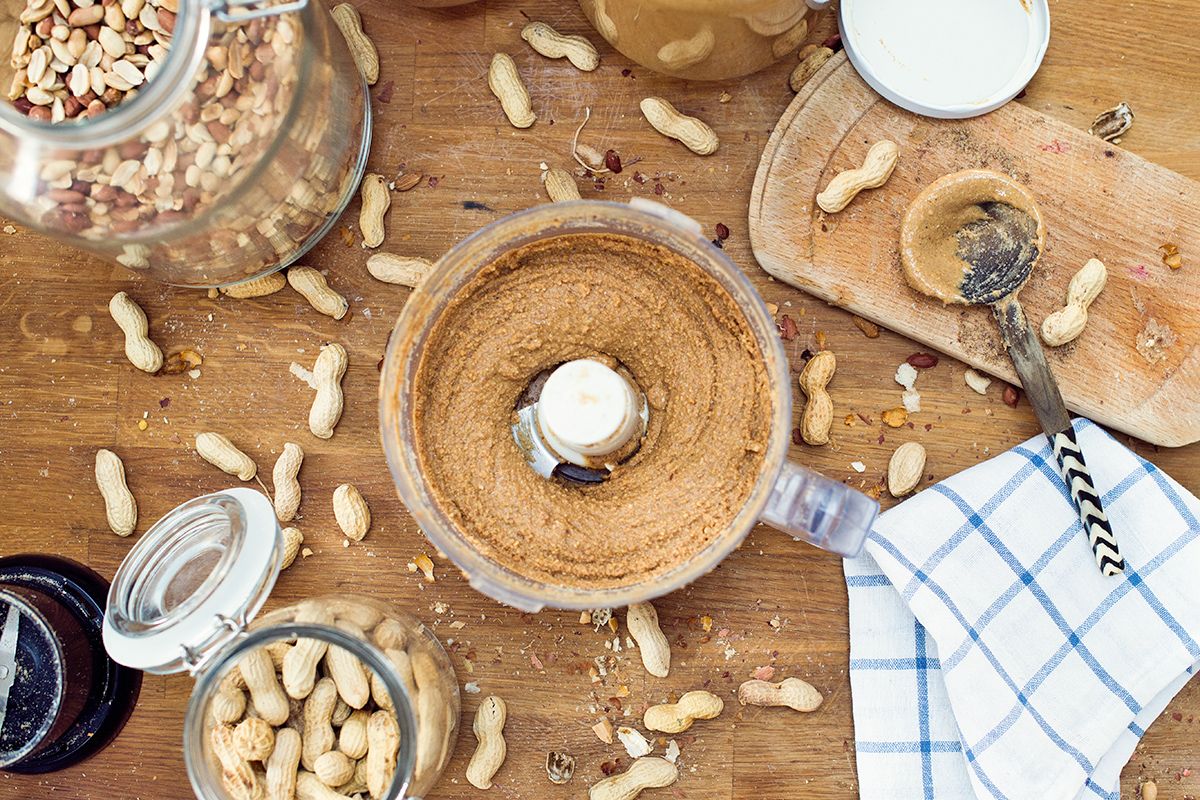
There are two main kinds of peanut butter — natural and conventional — and both start with shelling, roasting, and blanching raw peanuts. The legumes are then ground to create a creamy texture. Conventional peanut butters go through two stages of grinding to prevent too much heat from being generated, which can affect flavor. During the second stage, additional ingredients may be mixed in.
Recommended Articles

Reader Favorites



According to food scientist Abbey Thiel, Ph.D., the main difference between natural peanut butter and commercial peanut butters like Jif is the addition of stabilizing ingredients. “Natural peanut butter may be as simple as peanuts and salt,” she says. “Because the peanut oil remains liquid, the oil naturally separates from the peanut solids over time.”
Conventionally produced peanut butter, on the other hand, “usually contains a small amount of added stabilizing fat or an emulsifier, along with ingredients such as salt and sugar. This stabilization creates more of a semisolid fat structure, which helps hold the peanut oil in place,” Thiel explains. “The result is that smooth, homogeneous peanut butter texture that can sit in your pantry for months without forming an oil-slicked top.”
Where To Store Peanut Butter
Most of the advice you read about peanut butter says to put natural peanut butter directly in the fridge after purchase, whether it’s open or not, while conventional peanut butters such as Jif can be stored in your pantry, opened or unopened. But it’s not necessarily that clear cut, particularly when it comes to natural peanut butter.
Natural Peanut Butter
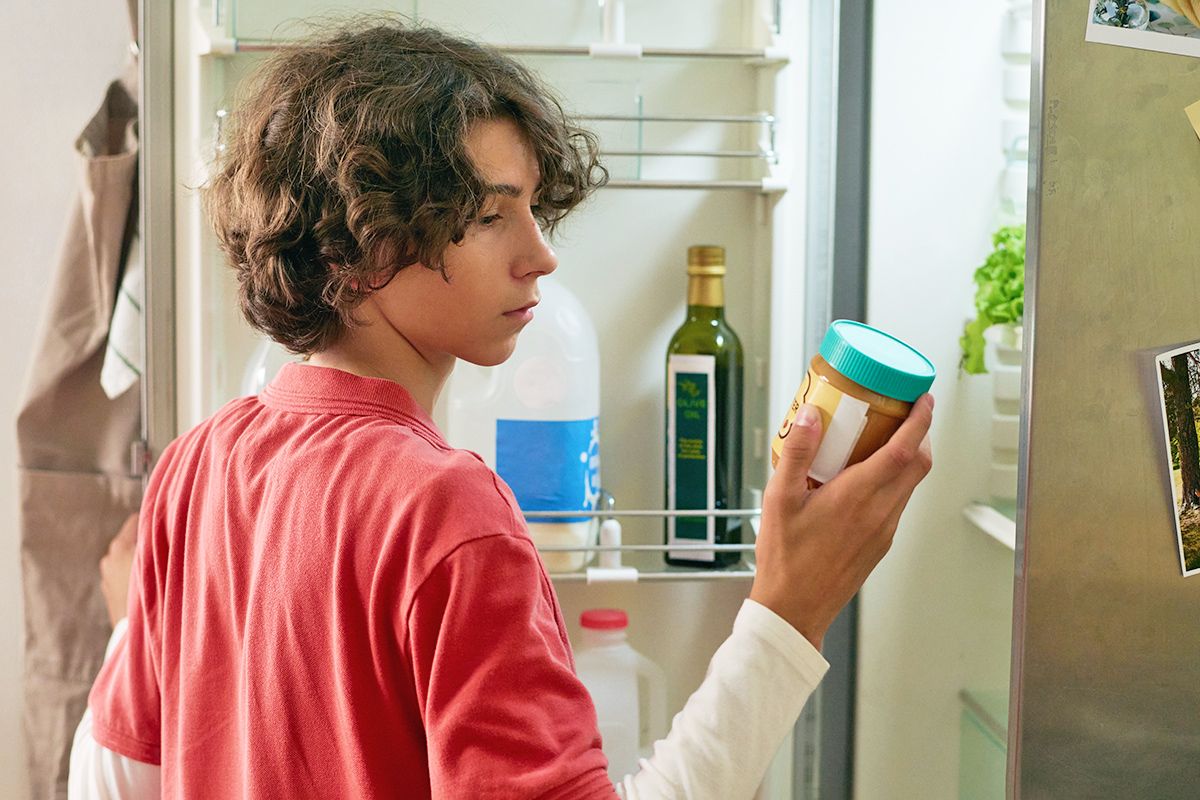
“I think some of the advice online makes refrigeration sound more mandatory than it really is,” Thiel says. “For many commercially produced natural peanut butters, refrigeration is primarily a quality recommendation rather than an immediate food-safety requirement.”
That’s because peanut butter is pretty shelf-stable thanks to its low water content. “Peanut butter may not seem especially dry, but most of its moisture is not readily available to bacteria, yeasts, or molds,” Thiel says. “Its water activity is quite low, and that makes it a very unfriendly environment for microbial growth.”
According to Thiel, peanut butter’s low moisture content is one example of what food scientists call “hurdle technology” — preservation techniques that make it harder for microorganisms to get into food. The peanut butter jar, which “limit[s] exposure to the environment,” she says, is another hurdle, as are ingredients that can contribute to stability like salt and other preservatives.
“Once microbial growth is largely under control, the bigger shelf-life enemy becomes the fat,” Thiel says. “Peanuts contain a lot of oil, and over time that oil can oxidize and become rancid.”
Thiel recommends keeping natural peanut butter in the fridge once you’ve opened it, particularly if you can’t consume it quickly. “Cooler temperatures slow oxidation, so the peanut oils stay fresher longer, and refrigeration also slows down oil separation,” she says.
It’s wise to follow the instructions and best-by dates on the jar, too. “Natural peanut butter isn’t one single formulation, and manufacturers know how their particular product was processed and tested,” she notes. “I also want to distinguish safety from peak quality here. A best-by date is generally telling you when the manufacturer expects the product to taste and perform its best; it isn’t necessarily a magical date when the peanut butter suddenly becomes unsafe.”
Some recommend storing natural peanut butter upside down to keep it from separating, but that may be a lost cause. The oil tends to separate no matter what, as that’s “natural peanut butter doing exactly what physics tells it to do,” Thiel says. You can, however, slow that process down. “Refrigeration helps quite a bit because the oils become more viscous at lower temperatures and move more slowly,” she says. “My best advice is to stir the jar really thoroughly the first time you open it, making sure you scrape all the way down to the bottom. Then refrigerate it if you want to slow future separation.”
Conventional Peanut Butter
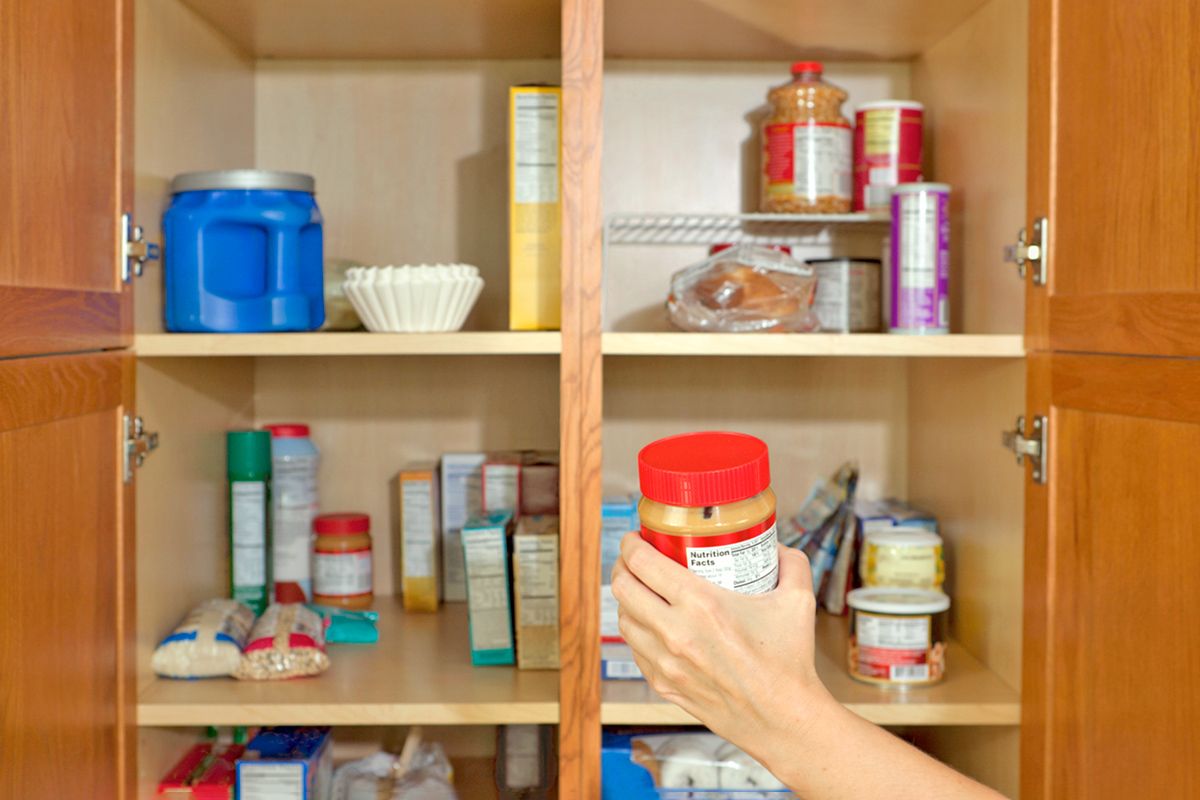
When it comes to highly processed peanut butters like Jif and Skippy, you can forget the fridge. “Conventional peanut butter is specifically designed to be very stable at room temperature,” Thiel says. “Refrigerating it isn’t harmful, but for most people there’s not much benefit, and you may just end up with peanut butter that is unnecessarily hard to spread.”
She recommends keeping it “tightly closed in a cool, dry pantry and away from heat and sunlight.” Depending on the formulation, packaging, and brand, “unopened peanut butter can last many months … potentially a year or more,” Thiel says. She suggests using the date on the packaging for guidance. “Once opened, about two to three months in the pantry is a reasonable quality guideline,” she says, though she notes that “a well-formulated peanut butter may remain acceptable beyond that.”
Signs Your Peanut Butter Has Gone Bad
Peanut butter has a long shelf life, but it can still go bad. To keep it good for as long as possible, you should avoid cross contamination by using a separate knife for each spread when making a PB&J. Additionally, it’s important to keep the jar tightly closed to prevent air from getting in; this will also stop the peanut butter from absorbing odors from other foods.
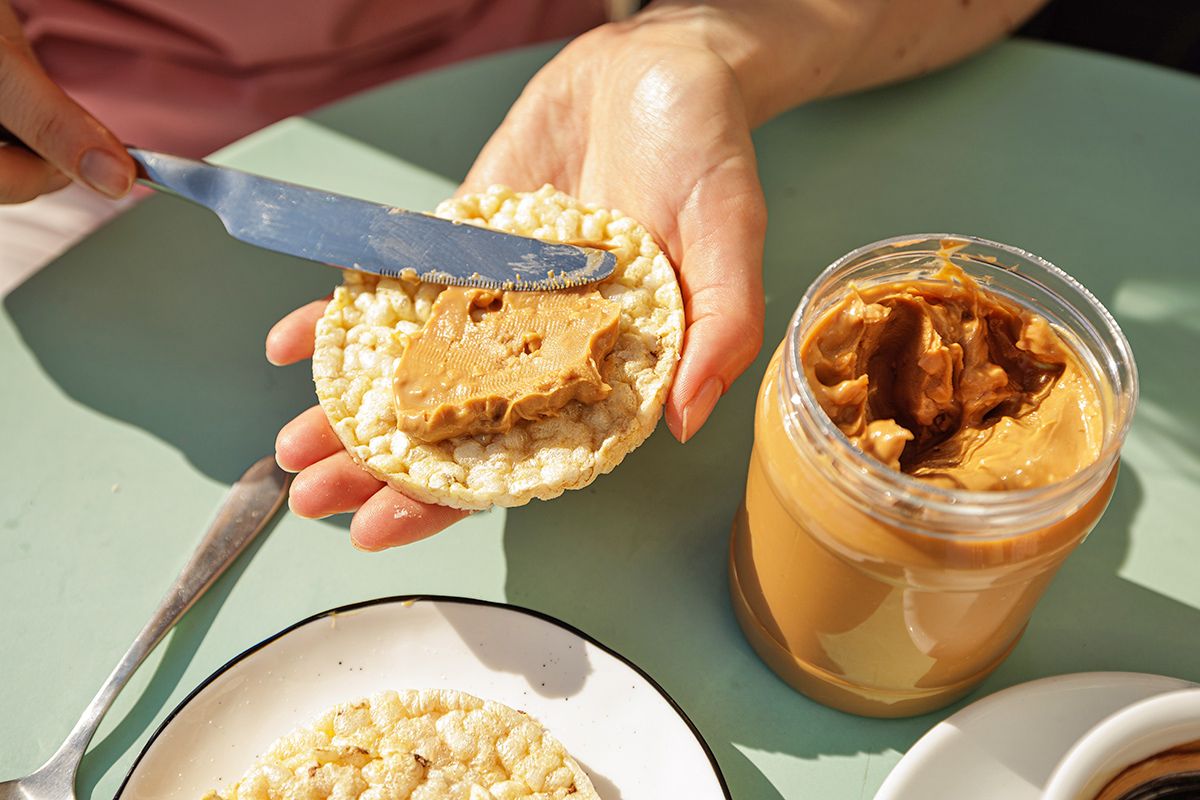
Weird odors are one sign that your peanut butter might be on its way out. “Fresh peanut butter should smell roasted, nutty, and slightly sweet,” Thiel says. “Oxidized peanut oil can start smelling stale, cardboard-like, or just noticeably ‘off.’ The flavor can also become bitter or unpleasant.”
While oil separation in natural peanut butter isn’t a sign it’s gone bad, there are other visual cues to look for: It may develop mold or get “unusually dark, dried out, or hard over time,” Thiel says. “If you see actual mold or anything that looks like microbial growth, though, I would throw the jar away rather than trying to scoop around it. I always tell people that dates are useful, but your senses are useful too. Peanut butter usually gives you some pretty clear clues when its fats are past their prime.”
The bottom line: Any doubt, toss it out.
Featured Image Credit: © The Design Lady/Unsplash.com
More From Our Network
Better Report is part of Inbox Studio, an email-first media company. *Indicates a third-party property.





Erin is a writer, editor, and content strategist living in the New York City area. Previously, she was the VP/Editor-in-Chief of MentalFloss.com and an editor at Popular Mechanics magazine. When she’s not working, Erin is hanging out with her cats, reading books from her never-ending TBR, traveling, karaoking, and making sourdough with her starter Stephen Sondheim.
This article is for general informational purposes only.
Affiliate Disclaimer Medical Disclaimer Financial Disclaimer