Why Gift Cards Are Actually Terrible Gifts

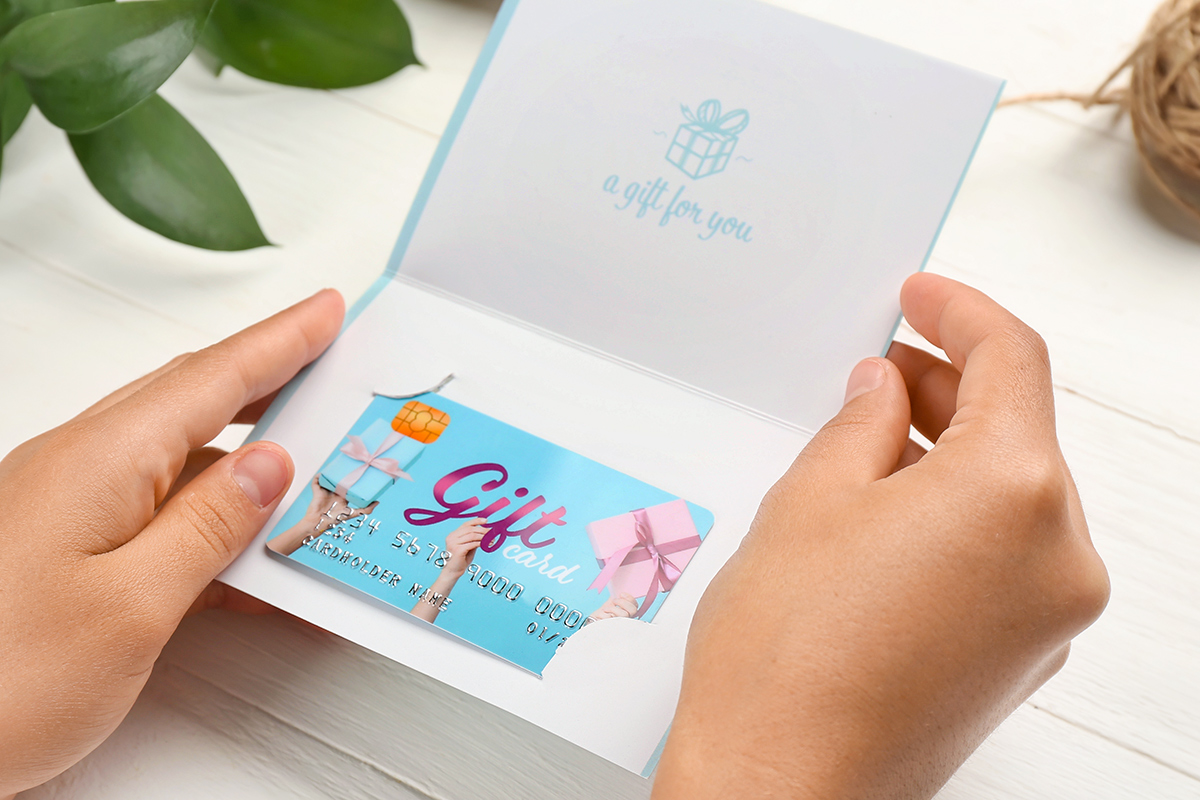
Gift cards may be easy when you’re buying a present, but their lack of a personal touch isn’t the only reason they can make disappointing gifts. As it turns out, they’re often a lousy deal for the people receiving them — and a surprisingly profitable one for the companies selling them.
Americans leave about $23 billion in gift card value unused each year, according to Capital One Shopping. While some of that money will eventually be spent, a significant amount may never be redeemed. Instead, it can become a financial windfall for retailers that have already collected the cash without having to provide any goods or services in return. But not all gift cards are created equal, and some are much better bets than others. Here’s what you should know before you buy.
Billions of Dollars in Gift Cards Go Unused
If you’ve ever discovered a long-lost gift card at the bottom of your junk drawer, you’re hardly alone. According to Capital One Shopping, 43% of American adults have at least one unused gift card, with an average unspent balance of $244 among those consumers.
That’s a hefty sum to leave sitting around, especially considering someone has already paid for it.
There are plenty of reasons gift cards go unused: Some people simply forget they have them, while others lose the physical cards or receive them for stores they don’t frequent. Sometimes, the problem is an awkward leftover balance: You might spend $45 of a $50 gift card, then never bother using the remaining $5 — or end up spending even more money just to use it up (more on that in a moment).
And the longer a card sits around, the less likely it is to be redeemed. According to The Hustle, more than 70% of gift cards are redeemed within six months of purchase. But that rate slows considerably over time, with just under 80% redeemed at the one-year mark.

Reader Favorites



Retailers Can Profit From Your Forgotten Gift Cards
When you purchase a $50 gift card, the retailer gets your $50 immediately. But because it still owes the recipient $50 worth of merchandise or services, that money is initially recorded as a liability rather than revenue.
Eventually, however, companies can recognize a portion of those unused balances as revenue through a process known as “breakage.” Essentially, retailers use historical data to estimate how much gift card money will never be redeemed — and that unspent money can add up to some serious revenue.
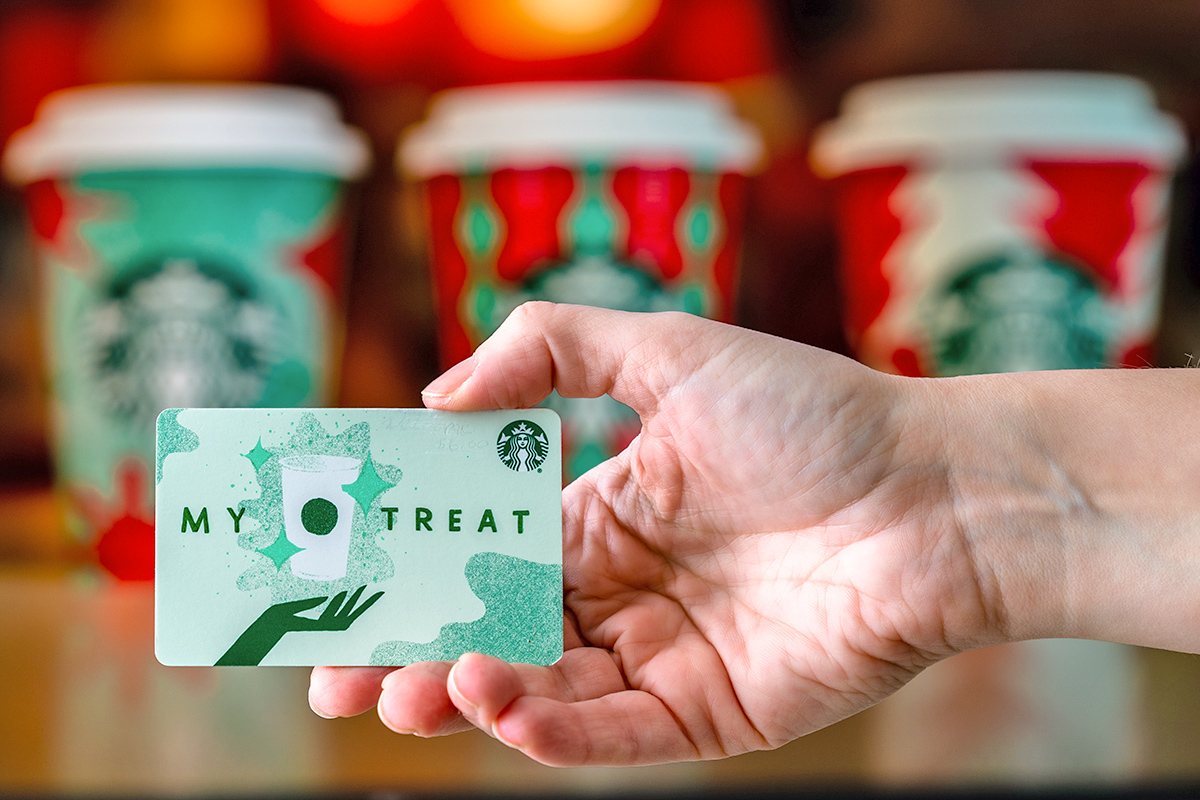
In 2025, for example, according to the Business Model Analyst, Starbucks reported $222.4 million in revenue from unused gift card balances. That’s money collected without having to serve a single cup of coffee or egg bite in return.
Not every unspent dollar automatically becomes a retailer’s profit. Some states require businesses to turn over certain unused balances to unclaimed property programs, where consumers may be able to recover their money. Recipients can also sell or trade their gift cards on sites like CardCash, GiftCash, or even eBay.
Still, gift cards offer companies a considerable advantage: They receive payment up front, and some of that value may never need to be redeemed.
Even Using a Gift Card Can Cost You More
And that’s not the only reason retailers love gift cards — they can also encourage people to spend more than they otherwise would. According to Capital One Shopping, 61% of consumers who redeem gift cards spend more than the card’s available balance. Among those who overspend, the average additional purchase is $108.
It’s easy to see how that happens. Maybe you’ve got a $50 gift card to a clothing store, but the sweater you really want costs $75. Suddenly, your supposedly free shopping trip has cost you $25 out of pocket.
Gift cards can also encourage shoppers to visit stores they might otherwise skip, introducing retailers to new customers and potentially generating additional sales. In other words, companies have plenty to gain whether you use the card or not.
Gift Cards Can Lose Their Value
There’s another potential downside to gift cards: They aren’t necessarily as good as cash.
Under federal law, most gift cards must remain valid for at least five years, and some states offer even stronger protections. However, certain cards can charge inactivity fees after a period of nonuse — often 12 consecutive months or more — which gradually eats away at their value.
Then there’s the possibility that a retailer will go out of business. According to NBC 7 San Diego, if a company closes its doors or files for bankruptcy, customers holding its gift cards may have limited options for recovering their money.
Even if your gift card never expires, inflation can reduce its purchasing power. A $100 gift card tucked away for several years may still be worth $100, but that money probably won’t buy as much as it would have when the card was purchased.

If You’re Going To Buy a Gift Card, Choose Wisely
Of course, gift cards aren’t always a bad idea. Some people genuinely prefer them, especially when they’re saving up for something specific or would rather pick out their own gift.
If you’re determined to give one, however, some choices are better than others. In its 2026 ranking of the best gift cards, WalletHub compared 50 popular options based on factors including popularity, resale value, available discounts, retailer ratings, and fees. Its five highest-ranked gift cards were:
- Sephora
- Target
- Starbucks
- Disney
- Chipotle
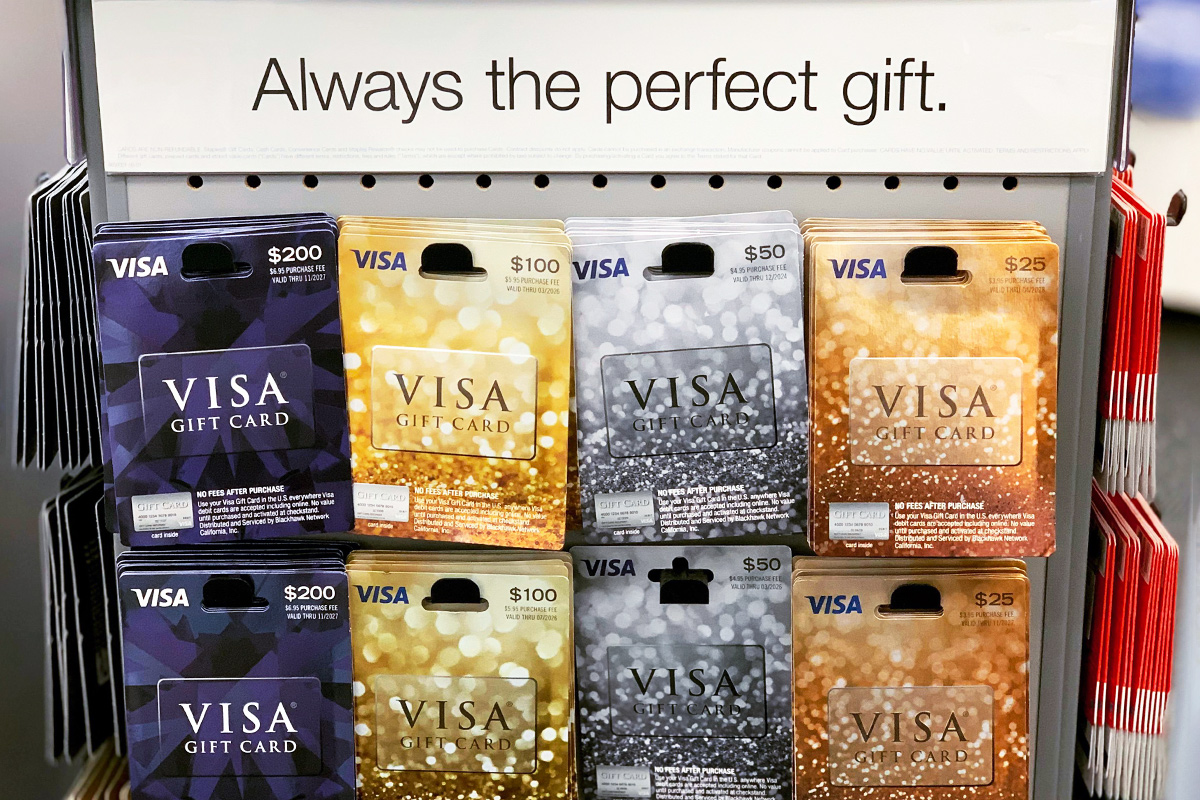
WalletHub also recommends avoiding general-purpose gift cards such as Visa or Mastercard when possible. While their flexibility might seem appealing, they can come with purchase fees that make them a less economical choice than cash.
The smartest approach is to choose a retailer you know the recipient regularly shops at, check for fees or restrictions, and make sure the card will be easy to use.
Or you could skip the gift card altogether and give cash. It might not seem particularly imaginative, but it never expires, doesn’t restrict where someone can shop, and won’t leave a few forgotten dollars stranded in a retailer’s account. After all, the best gift is one the recipient actually gets to enjoy.
Featured Image Credit: © Pixel-Shot/stock.adobe.com
More From Our Network
Better Report is part of Inbox Studio, an email-first media company. *Indicates a third-party property.







Jennifer M. Wood has been writing about news, entertainment, culture, and travel for longer than she cares to admit. She lives just outside Philadelphia with her husband and an ever-growing menagerie of rescue pets.
This article is for general informational purposes only.
Affiliate Disclaimer Medical Disclaimer Financial Disclaimer