How GLP-1s Are Changing the Holidays

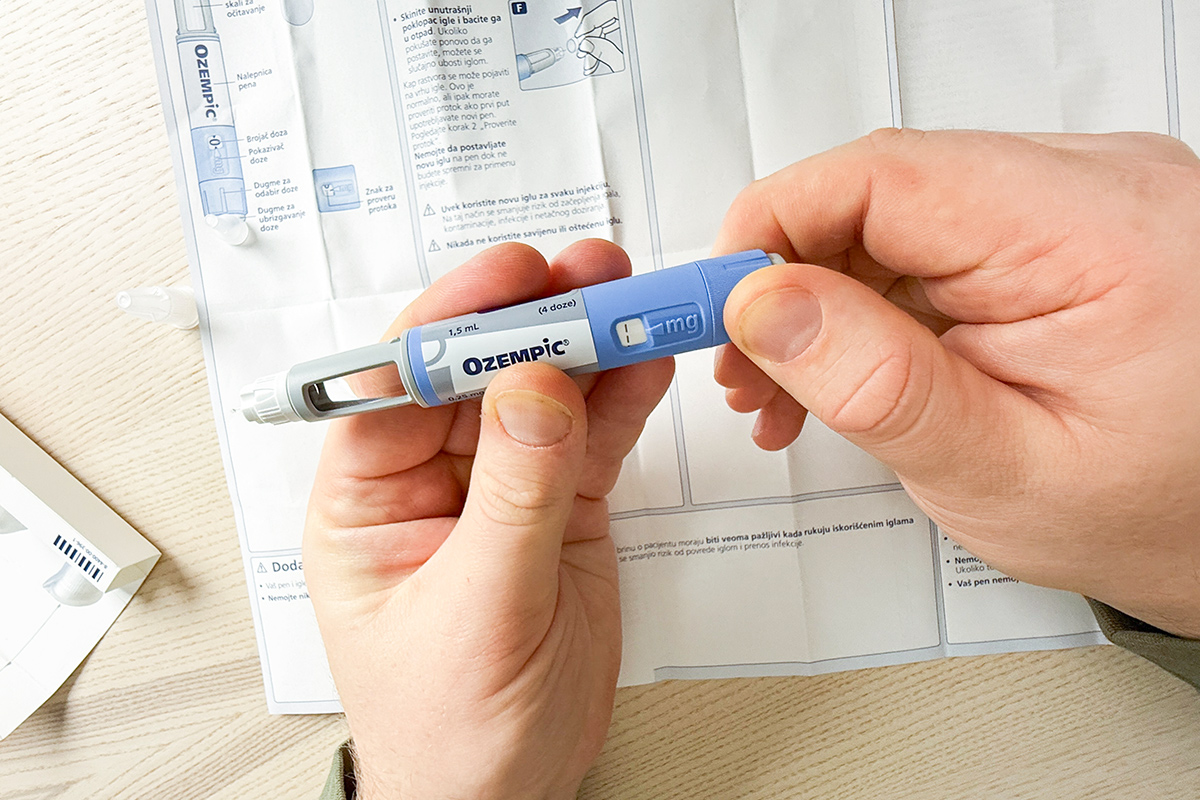
Chances are, you or someone at your holiday table is on a GLP-1 this season. Usage is at an all-time high in the U.S., with 11% of adults currently taking a GLP-1 medication for weight loss purposes as of September 2026. These medications — including Ozempic, Wegovy, Saxenda, Mounjaro, and Zepbound — help patients lose weight, but they also come with side effects that may affect digestion and appetite. This can be especially challenging during the holidays, when so many traditions revolve around food. There’s also a hidden social dilemma for some patients who don’t want to be questioned about their new eating habits or weight loss.
We asked an expert how GLP-1s are changing the holiday meal landscape, and how to manage the effects of these medications while celebrating with friends and family.
GLP-1s Change a Person’s Relationship With Food
Dr. Jonathan Snipes, M.D., medical director at Rx Peps Direct, has extensive experience building GLP-1 protocols and side-effect management plans to help patients maximize weight loss using the medication. “GLP-1 medications work in two places,” he explains. “They work in the brain, where they act on the circuits that regulate hunger and reward, which is why a lot of people say the ‘food noise’ is gone.” The second place GLP-1s work is in the digestive tract: They cause the stomach to empty more slowly, “which is why people feel full sooner and stay full longer.”
As a result, a person’s eating habits can change significantly while taking a GLP-1. “Patients will often find that a plate they would normally have eaten at the holidays a year ago now feels like two meals,” Dr. Snipes says. Food preferences can also shift, which is completely normal (more on that in a bit).

Reader Favorites



Users May Experience Mental and Social Challenges
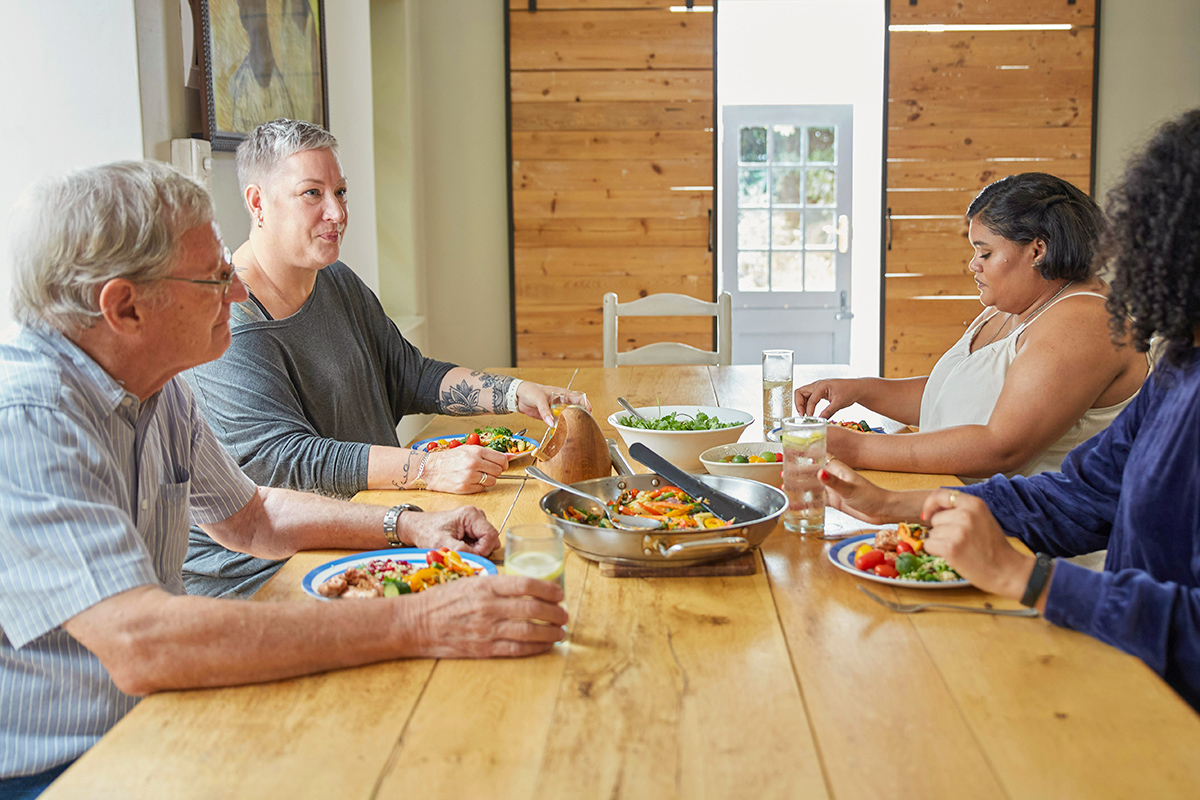
For some patients, reduced food noise is a relief, especially during the holidays when food is everywhere. “They don’t feel like the holidays are a constant test of willpower, and that’s a very positive thing,” Dr. Snipes says.
However, the change in relationship with food isn’t always a positive experience for GLP-1 users. “The flip side is that for many people, food is tied to family, tradition, and comfort,” he explains. “If they’re eating less of the dressing their grandma makes, or less of the foods the family has always eaten together at Thanksgiving, that can be difficult. … It doesn’t mean you’re doing something wrong. A lot of people have those feelings, and just being aware of them helps quite a bit.”
But the most challenging aspect of the holidays for GLP-1 users may be the social pressure surrounding food. It’s the glances when you say “no, thanks” to a second helping or the hurt look on the host’s face when you pass on their dessert. Dr. Snipes encourages his patients to stand their ground: “When someone says, ‘Have another piece of Grandma’s pecan pie,’ a short, polite ‘I’m full, but thank you, it’s wonderful,’ usually wraps it up. It’s a complete answer.”
Beyond the pressure to eat, many patients also worry about questions regarding their weight loss at the dinner table. “The first thing I tell people is that you don’t owe anyone an explanation about your medication or your weight loss,” he says. “If you’re comfortable sharing, wonderful. If you’re not, that’s fine too. It’s your decision.”
There May Be Less Desire for Fatty and Sugary Foods
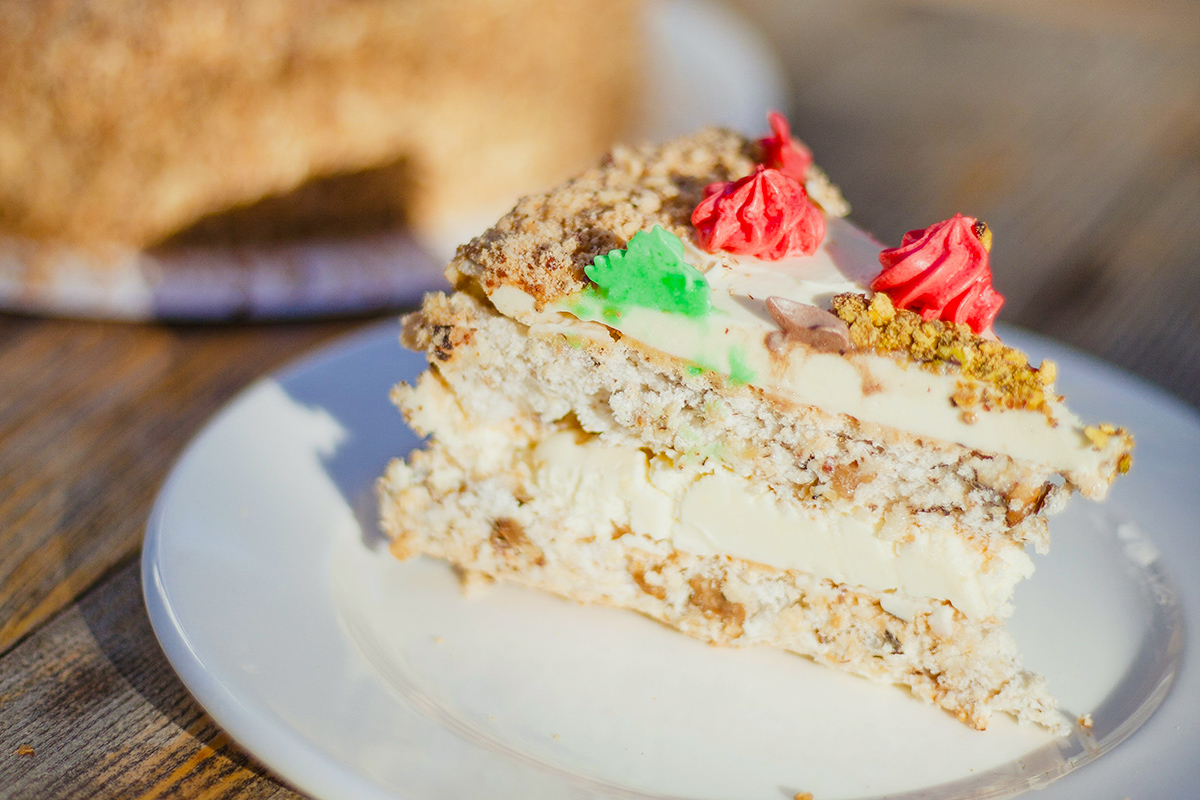
There are some concerns about eating traditional holiday foods while taking a GLP-1, although Dr. Snipes says that no foods are “100% off-limits.” Be aware, however, that “physically, there are some risks. Thankfully, they’re not typically dangerous, but they’re definitely uncomfortable.”
Because many traditional holiday foods are rich, fatty, and/or sugary, they can be more difficult to digest, especially for GLP-1 users, and Dr. Snipes says patients frequently ask how their medication will affect their ability to enjoy these foods. “Fatty foods are typically the hardest to tolerate,” he explains. “Fat already slows digestion, and you’re eating it on top of a medication that also slows gastric emptying. That’s a double whammy: Food can sit in the stomach for a long time. Gravy, fried foods, heavy casseroles, cream-based sides, and rich desserts can all trigger nausea, bloating, reflux, and general indigestion.” Sugary foods can also cause discomfort, leaving some patients feeling “queasy, shaky, generally unwell, and sometimes lightheaded.”
Holiday gatherings can also present challenges for those experiencing constipation, another potential side effect of GLP-1s. This can be worsened by decreased water intake and less fiber-rich food at holiday parties. Dr. Snipes recommends staying ahead of constipation during holiday travel by being deliberate about water intake, adding, “A walk after dinner helps digestion and can be a great family tradition.”
Even those who aren’t on a GLP-1 can benefit from a post-meal stroll: Experts at the Cleveland Clinic recommend walking within 15 to 30 minutes of eating to improve gastric emptying and ease symptoms of feeling excessively full, reflux, and abdominal pain.
Dr. Snipes explains the key to enjoying your favorite holiday foods while on a GLP-1: “It just means smaller portions, eating more slowly, and paying attention to how your body responds. You can still enjoy all of them, mindfully and in moderation.”

GLP-1 Users May Drink Less Alcohol
GLP-1s aren’t just changing eating habits. Patients may also crave alcohol less. “There’s a lot of emerging research looking specifically at reduced alcohol cravings,” Dr. Snipes says. “For people who still drink, alcohol can worsen nausea and reflux, so it’s something to be mindful of.”
Another important consideration is how alcohol affects people whose appetites have decreased. “It also tends to hit people harder,” he explains, “because there’s often less food in their stomach.”
What does this mean for holiday partygoers? If you’re on a GLP-1, be mindful of your alcohol intake, and if you choose to partake, drink less than you usually would. As for hosts, having mocktails on hand is a great idea for both GLP-1 users and any guests who want a healthier drink option this holiday season.
Mealtime Changes Have Unintended Side Effects
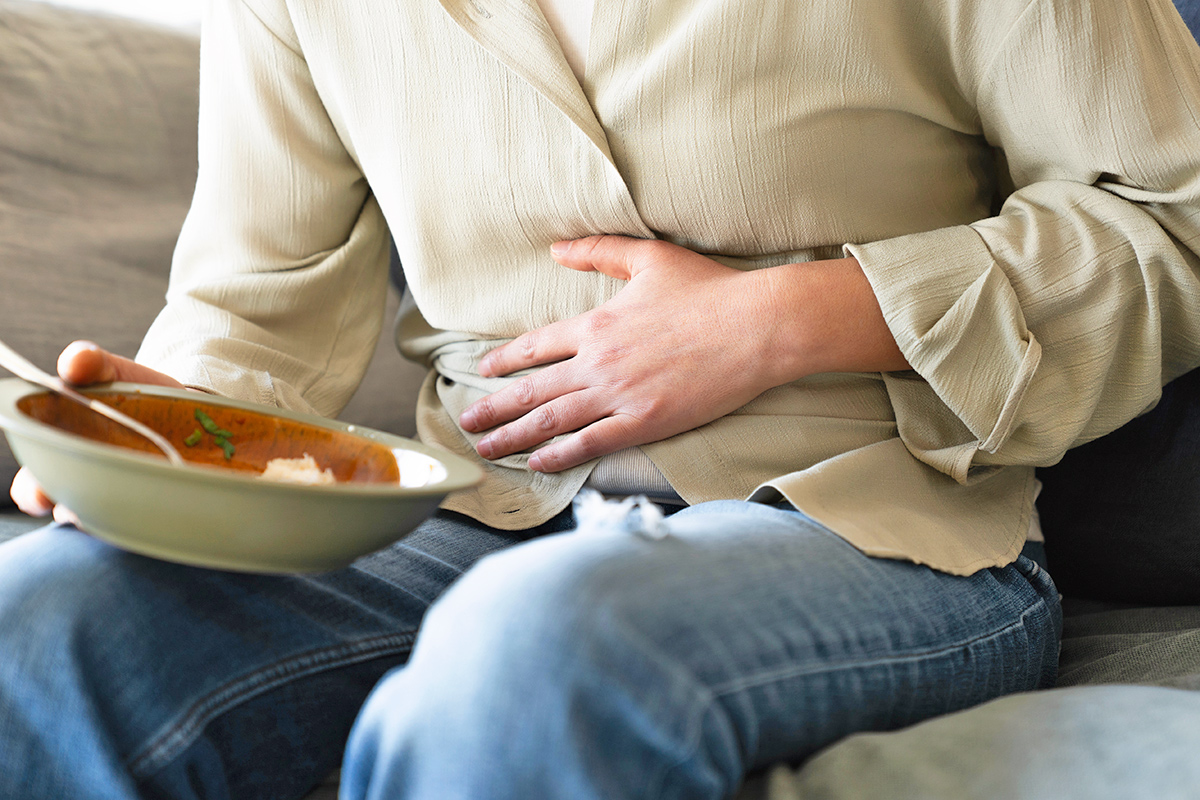
The food GLP-1 users eat isn’t the only thing that matters — so does the time of day. Any change in eating schedule, including brunches, early dinners, and multiple parties, can throw a wrench in a person’s daily routine and cause unwanted side effects.
Patients taking a GLP-1 get full faster, and that signal is sometimes ignored at social gatherings. This can have consequences, according to Dr. Snipes, including “nausea, vomiting, reflux, and often hours of discomfort.” And that’s not all GLP-1 users need to be aware of: “Grazing at parties can also sneak up on people,” he says. “If you’re standing around socializing and snacking, the snacks add up.”
While the list of challenges can seem overwhelming, especially during the holidays, Dr. Snipes says people do get through it. “It’s good to think it through ahead of time and do a little proactive planning, and most people do really well with that.” This might mean eating at only one party instead of both, or pacing yourself at an all-day event. Sticking to a schedule that works for your body is more important than ever.
People Are More Intentional About Meals and Portion Sizes
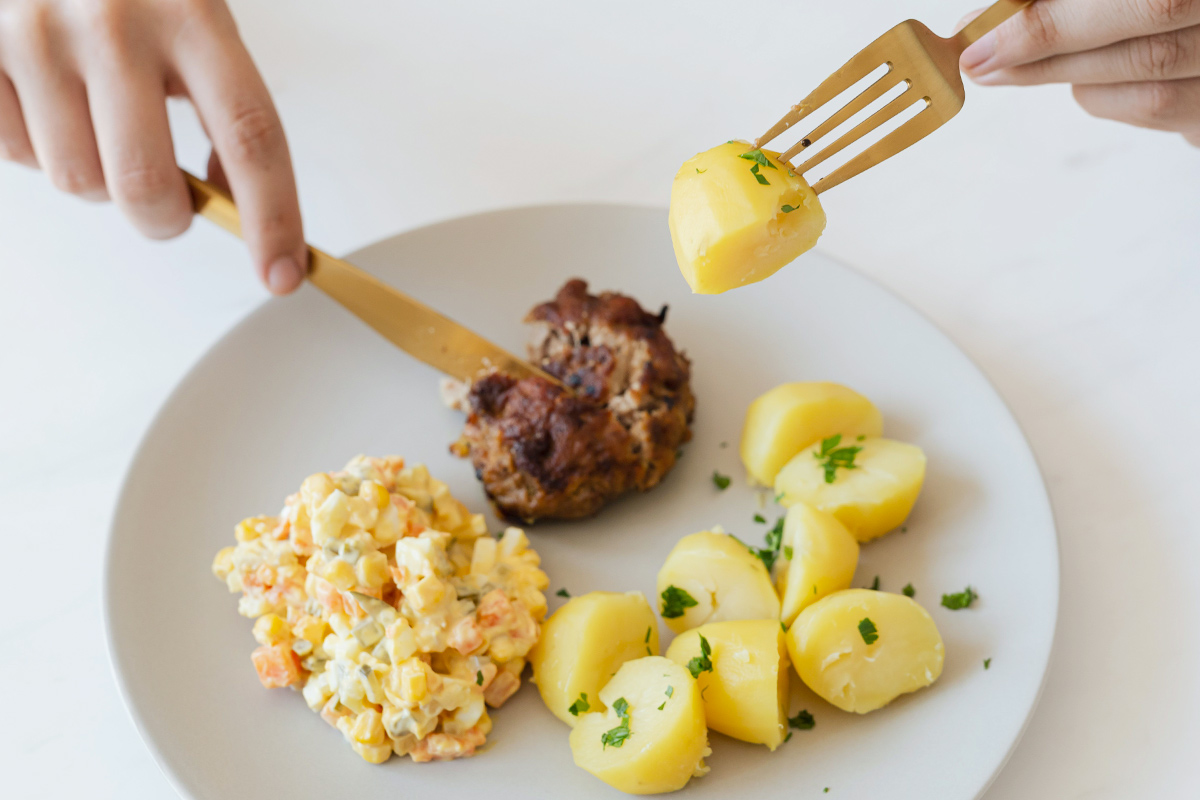
To stay comfortable after a holiday meal, GLP-1 users have to eat differently than before. This often means slowing down and stopping — two things that can be difficult during holiday feasts. “If you eat quickly, you can go past the point where you’d normally stop without realizing it,” Dr. Snipes says. “Putting your fork down halfway through and taking a few seconds to check in helps. Make the goal ‘I’ll stop when I’m comfortably satisfied,’ not ‘I’ll stop when I’m stuffed.’”
GLP-1 users are also eating smaller portions than they normally would, and should keep their food volume more balanced throughout the day to curb unwanted side effects. “Don’t ‘save up’ for the big meal, whether that’s brunch or dinner. That usually backfires,” Dr. Snipes explains. “Trying to make room usually leads to eating a larger volume all at once, which is the opposite of what we want. A light meal earlier in the day, preferably with some protein, usually works much better.”
As for what types of food GLP-1 users should be filling their plates with, “nutritionally, the priority is protein,” Dr. Snipes says, because “falling short on protein can lead to muscle loss, which is one of the main things we’re trying to avoid with these medications.”
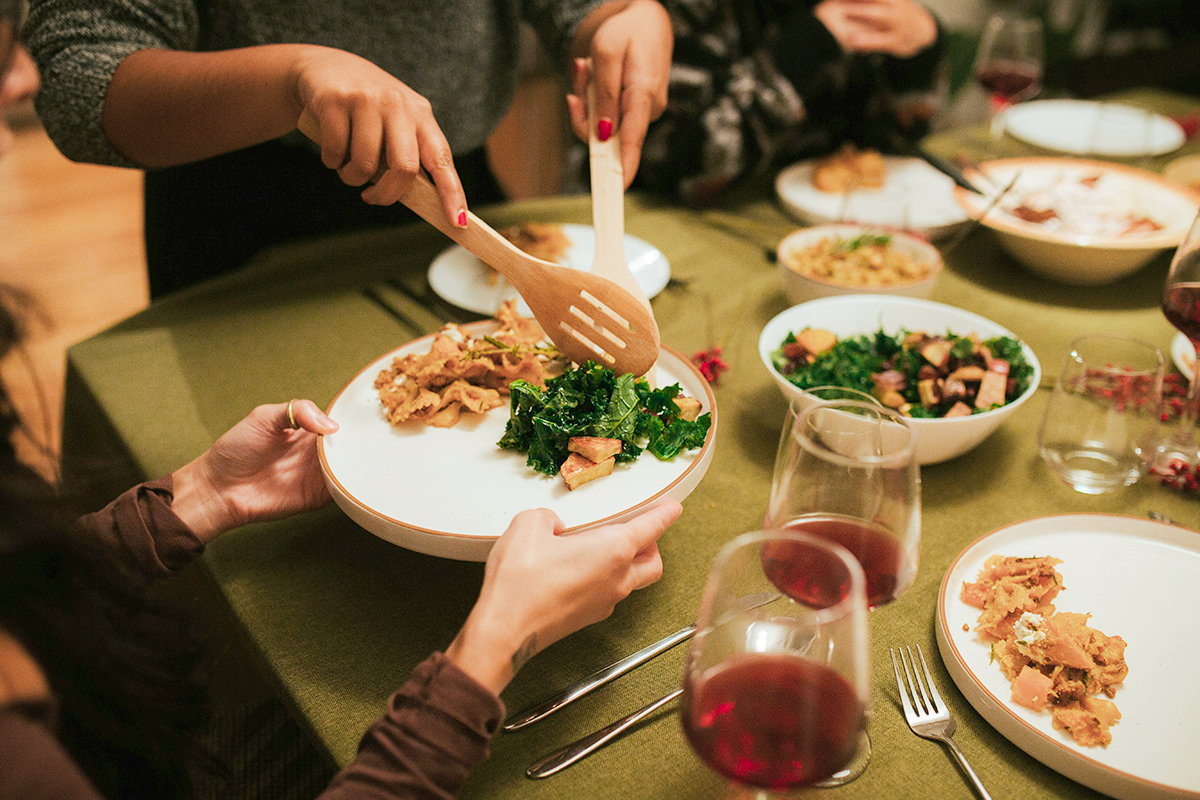
His recommendation for a holiday meal is to “fill part of your plate with whatever protein is there: turkey, ham, deviled eggs, or beans if you’re vegetarian. Every holiday meal I’ve ever seen has some form of protein. Then add vegetables. A small portion of a richer side or dessert after that is fine. That approach helps with fullness and with blood sugar.” After protein, he recommends prioritizing fiber and fluids.
Not Everything Has To Change
Holiday meals may look a little different for many Americans taking GLP-1s this year, but traditions don’t have to be completely upended. “Pick two or three dishes that are your favorites, or that have sentimental meaning, and enjoy them fully, even if the portions are smaller,” Dr. Snipes suggests. “If your family is anything like mine, there’s no shortage of dishes, and not all 10 are my favorites. Skip the things you eat just out of habit.”
Finally, he says, “the last thing I tell people is just to be kind to yourself. Make good choices, and think through these things ahead of time. But if you eat a little bit of pie, or some foods you might not normally eat, that’s not going to derail your overall progress. If it’s part of the holidays for you, and you’re making smart choices and doing the things you’re supposed to do, everything’s going to be OK.”
Featured Image Credit: © Milko—E+/Getty Images
More From Our Network
Better Report is part of Inbox Studio, an email-first media company. *Indicates a third-party property.