Is It Actually Bad To Wear Your Shoes in the House?

All featured products and deals are selected independently and objectively by the author. Better Report may receive a share of sales via affiliate links in content.
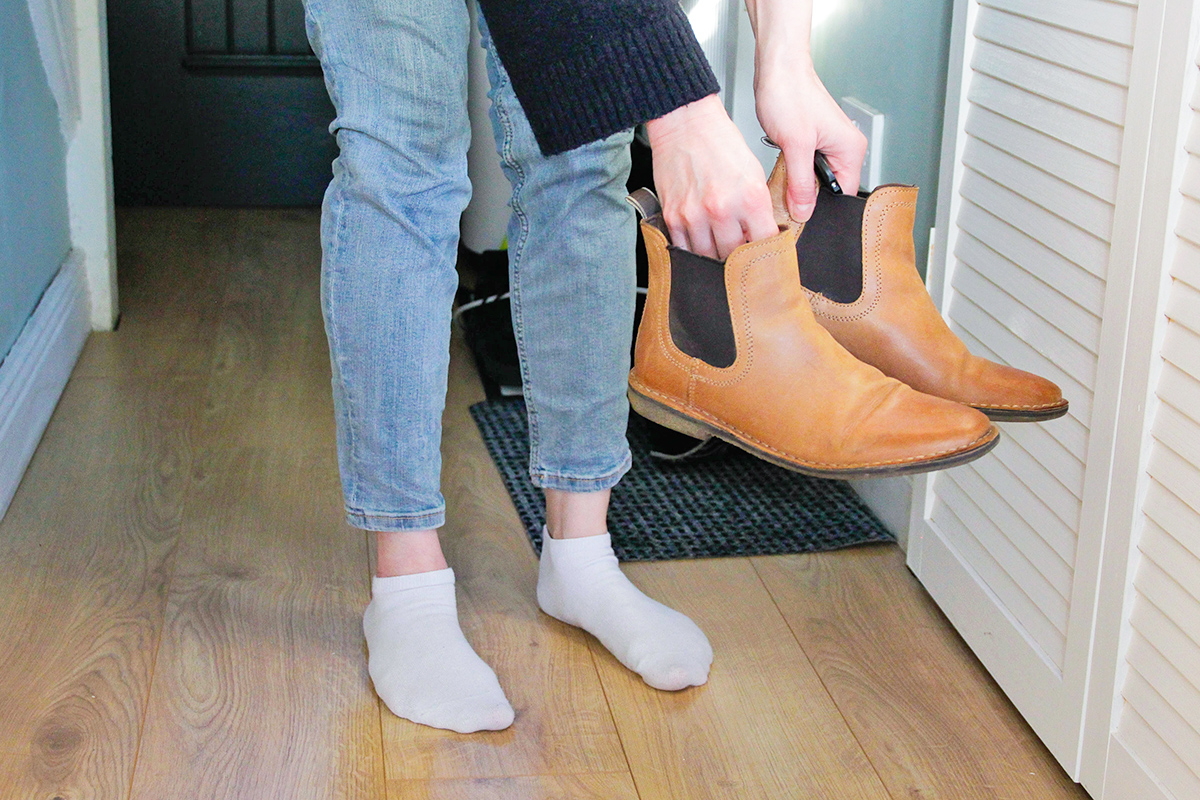
In Korean culture, taking off your shoes when you enter a home is a sign of respect. In Japan, where indoor cleanliness is a Shinto religious principle, people take off their shoes in a special vestibule designed specifically for that purpose. Shoe removal is also traditional in India, the Middle East, and Eastern Europe. Most U.S. households do take shoes off indoors, but don’t ask their guests to do the same. Should they?
Plenty of unwanted microbes and environmental irritants can hitch a ride on your shoes and invade your home as you step across the threshold — and some are known to cause serious health issues. Here’s a rundown of what you may be tracking in, and a few easy ways to keep your home clean and sanitary.
Shoe-Borne Bacteria
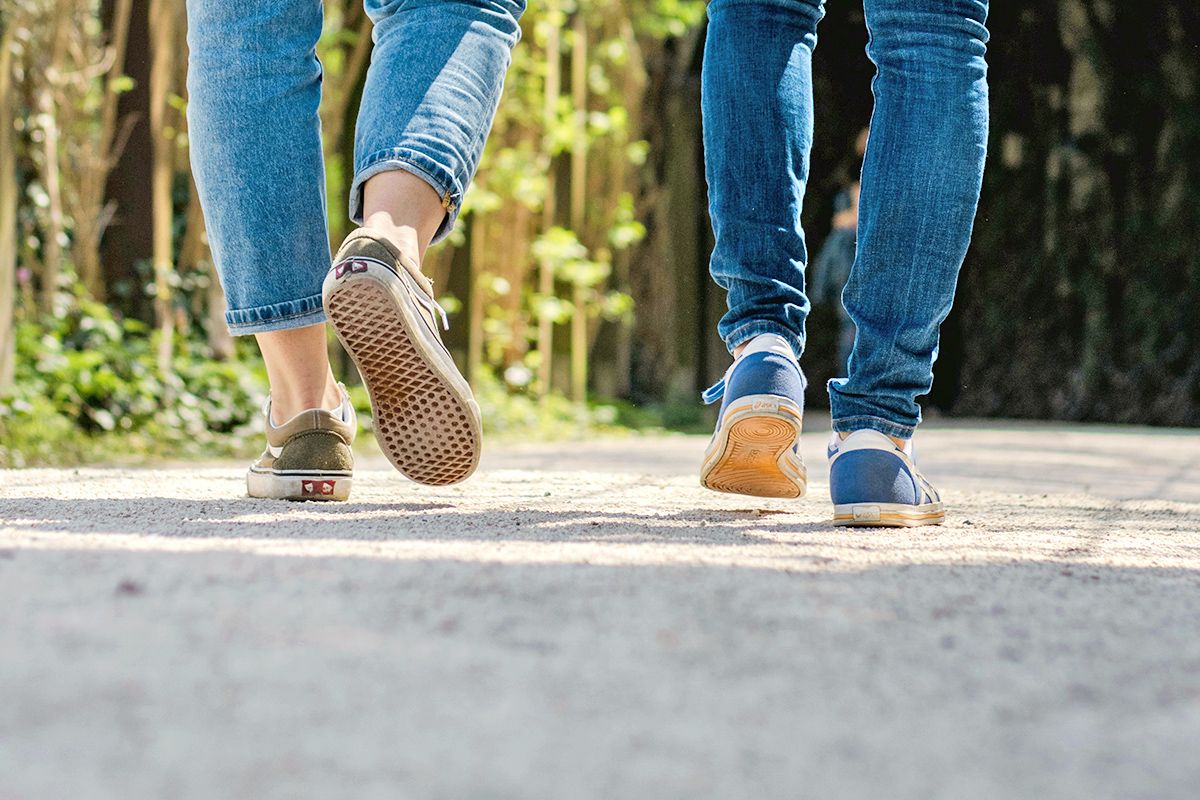
Anything you step in outside could end up on your shoes and in your home. Microbiologist Charles Gerba, known for studying the most bacteria-laden items in kitchens, investigated the microbes brought into homes on shoes for a 2008 report. Gerba had 10 volunteers wear Rockport shoes (the study’s sponsor) for two weeks and then assessed the number and type of bacteria the footwear picked up. He discovered an average of 421,000 units of bacteria on each shoe’s outer surfaces, including the disease-causing species Escherichia coli and Klebsiella pneumonia, which Gerba told TIME were likely obtained from restroom floors and sidewalks where dogs and birds do their business.
Subsequent research has identified salmonella as well as antibiotic-resistant strains of Clostridioides difficile (otherwise known as C. diff) and Staphylococcus aureus (aka MRSA) on shoe bottoms. All can cause illness or infections with mild to severe symptoms.
But as microbiologist Donald W. Schaffner told The New York Times, the mere presence of shoe-borne bacteria in your home won’t make most people sick. These pathogens become an issue only if you happen to touch a bacteria-infested shoe and then lick your fingers or rub your eyes, or if you eat food that’s been dropped on a contaminated floor. That said, pets or kids who spend a lot of time on the floor may be at a slightly higher risk of exposure.
Recommended Articles

Reader Favorites



Dust, Chemicals, and More
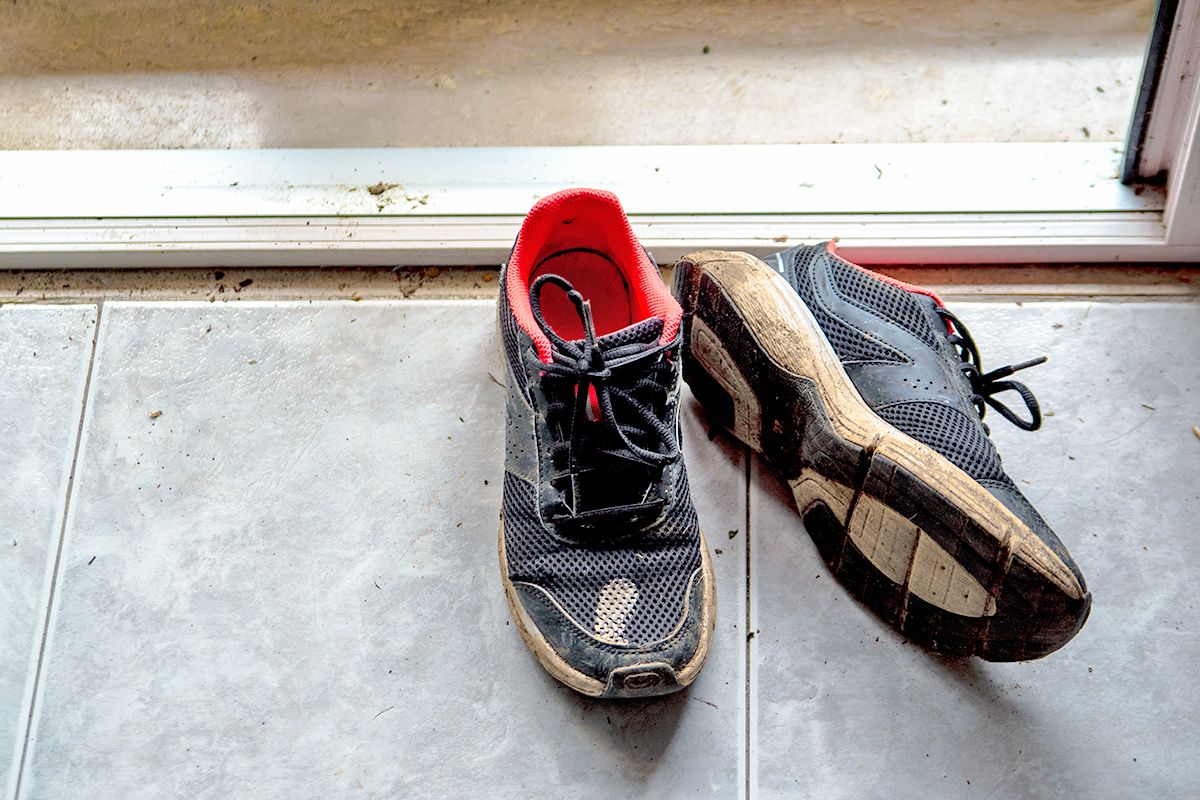
Shoes can also transfer environmental toxins and allergens into your home. Lead dust — common in older buildings where lead-based paint has flaked off the walls — is a big concern because children can accidentally ingest it when they play on the floor. Lead poisoning causes neurological damage, and no amount of lead exposure is safe.
Lawn care chemicals and allergens are additional hazards lurking just outside your home. Walking through a lush lawn may bring your shoes in contact with pesticides and weed-killers linked to nervous and endocrine system dysfunction and other potential health risks, while pollen can get stuck in your shoes’ treads. People with allergies might be especially sensitive to invisible irritants clinging to shoes worn indoors.
What’s a Shoe To Do?
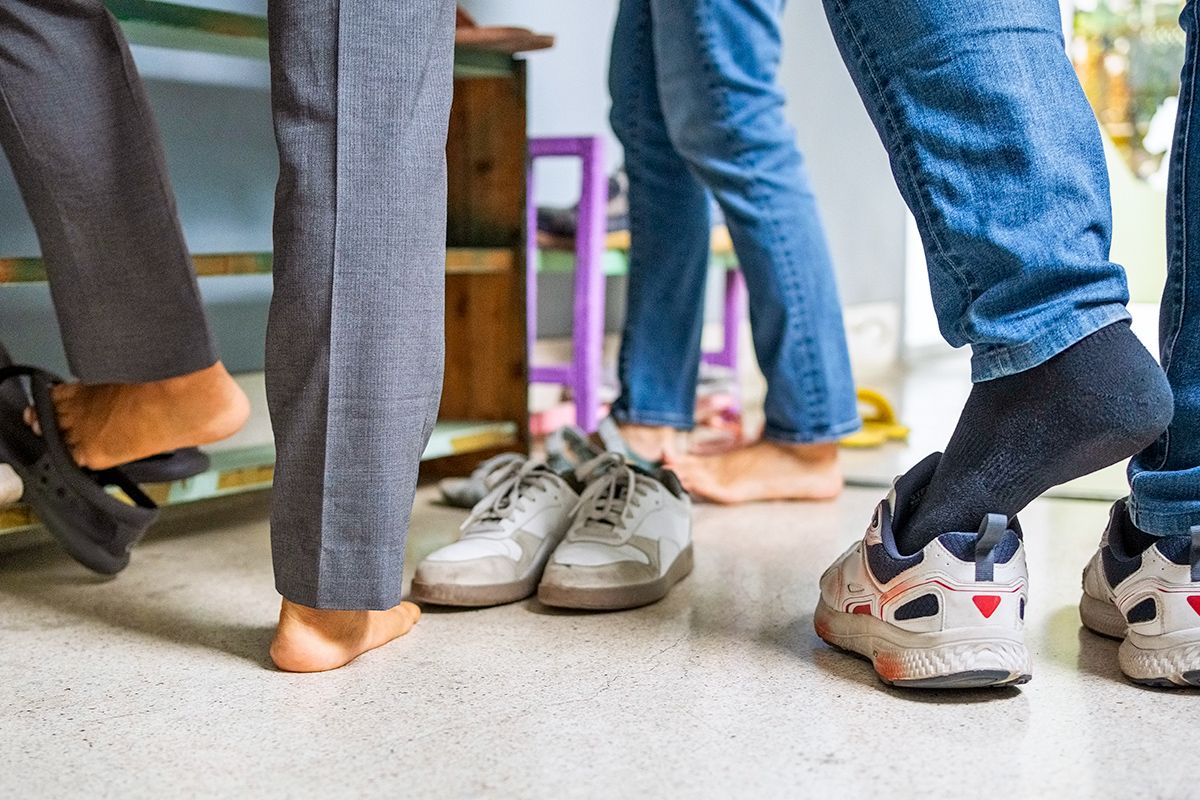
Some scientists argue that taking off your shoes at the door is a no-brainer if you want to avoid any hint of exposure to the gunk stuck to your soles. But cultural customs or personal preferences also factor into the decision, so there’s no right answer for whether you should or shouldn’t de-shoe.
If you do choose the shoeless route and want your guests to do the same, there are simple ways to make the process more pleasant. Place a pair of indoor-only slippers near your entryway so you can transition footwear easily, and have a few sets of washable slippers or shoe covers on hand for visitors. A shoe rack or cabinet by your front door will help keep shoes neat. And in winter, a boot tray can corral footwear and prevent mud, water, and road salt from damaging your floors.
Featured Image Credit: © Kinga Krzeminska—Moment/Getty Images
More From Our Network
Better Report is part of Inbox Studio, an email-first media company. *Indicates a third-party property.



Kat Long is a freelance science journalist in the Washington, D.C. area. Previously, she was the science editor at Mental Floss and a digital editor at National Geographic. She now writes the Arctic Archives newsletter on Substack. Kat spends her free time birdwatching, road-tripping to historical sites and perusing old manuscripts at libraries.
This article is for general informational purposes only.
Affiliate Disclaimer Medical Disclaimer Financial Disclaimer