Which Sweetener Is the Healthiest?


Most of us know — even if we’re loath to accept — that sugar is not good for us. While the occasional sweet treat is fine, many of us have too much sugar in our diets: According to statistics published by the Centers for Disease Control and Prevention (CDC), the average daily added sugar intake for Americans 2 and older was 17 teaspoons (or roughly 71 grams) in 2017–2018. That’s well over the Food and Drug Administration’s recommendation of no added sugar for children under 11 and only 10 grams of added sugar per meal for adults.
But are any sweeteners healthier or better than others? To find out, we talked with Sarah Rockoff, licensed nutritionist and founder of Renewed Roots Nutrition, and Dr. Jean-Marc Schwarz, professor of biochemistry at Touro University’s College of Osteopathic Medicine. Schwarz is also the co-author (with associate professor Dr. Grace Marie Jones) of a 2017 study on dietary fructose restriction in children with obesity.
Natural vs. Added Sugar
According to Rockoff, sugar itself isn’t necessarily bad. “It’s a carbohydrate, and carbohydrates are essential macronutrients that act as the body’s main energy source for the organs, muscles, and brain,” she explains.

Reader Favorites



However, not all sugar is created equal — what’s found in fruits or milk isn’t the same as the sweetener you add to your coffee. “[Natural sugars] are naturally found in foods such as whole fruits, dairy products [like milk and yogurt], vegetables, and whole grains,” Rockoff says. “Sugar in whole fruits and grains contains fiber, vitamins, minerals, and some antioxidants and is digested more slowly, which can blunt blood sugar spikes.”
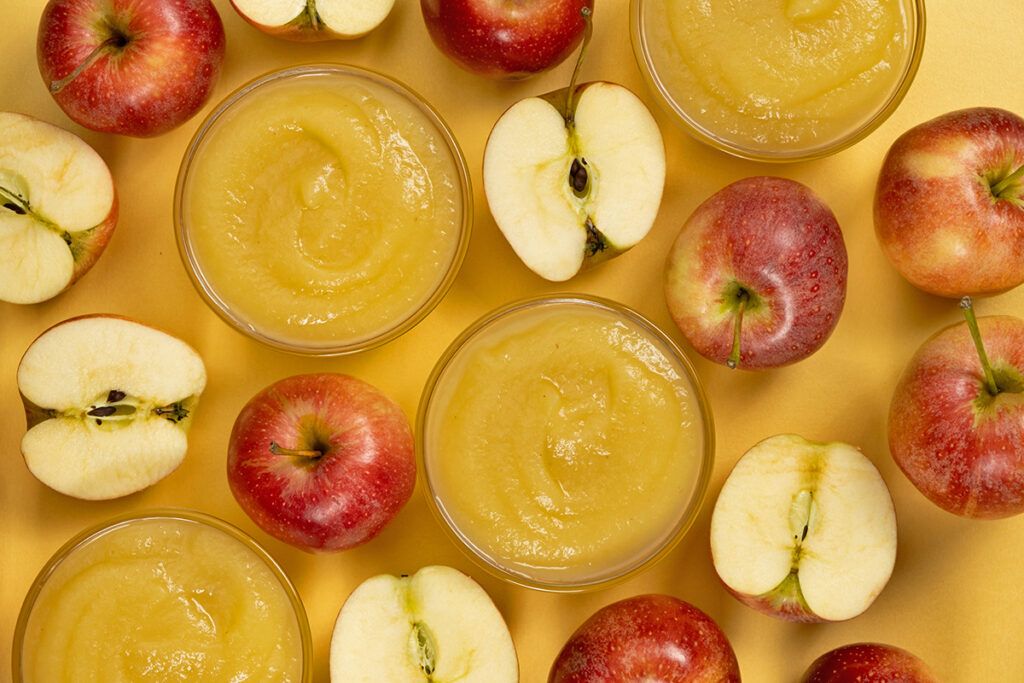
Take, for example, apples versus applesauce. “Although the sugar molecules are chemically similar, their health impact differs,” Dr. Schwarz explains. “Whole foods deliver nutrients and satiety, whereas added sugars are more likely to contribute to excess intake and metabolic risk when consumed in large amounts.”
It’s refined added sugar we need to watch out for. “Concerns about health and intake arise when added and refined sugars found in foods such as condiments, soda, candy, and breads are consumed in excess,” Rockoff says. “This can lead to health concerns such as weight gain, cardiovascular diseases, blood sugar elevations, and chronic inflammation.” These added sugars can be found in processed foods and are added to make them taste better. “They are typically highly refined sugars, meaning they are processed and stripped of nutritional value,” Rockwood explains, “[and they] … tend to be digested very quickly, causing a spike in blood sugar.”
Artificial Sweeteners vs. Other Sweeteners
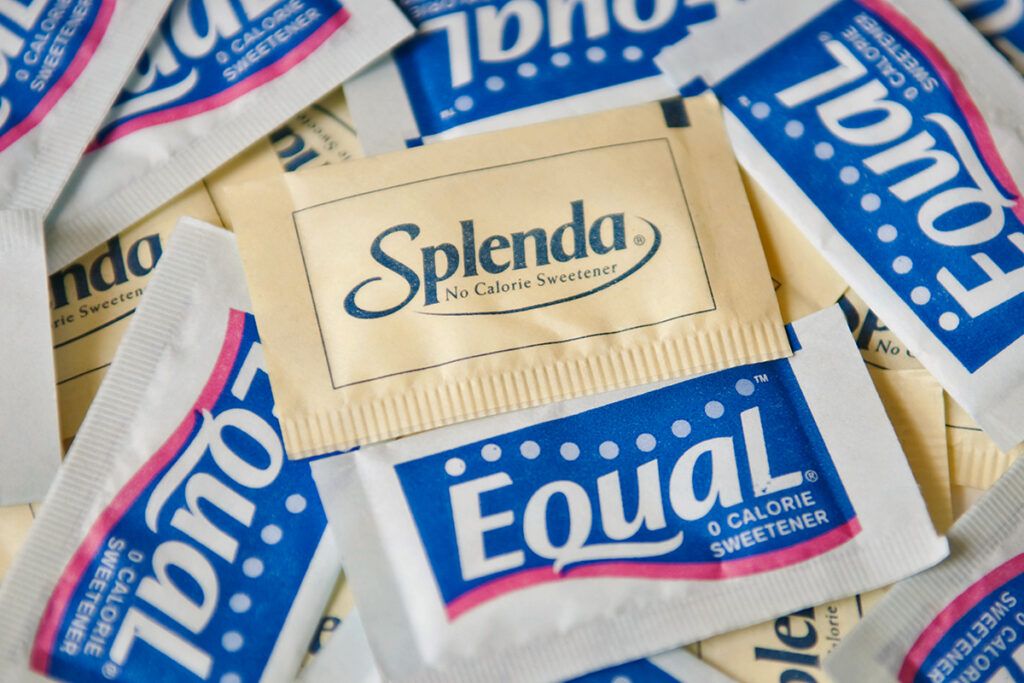
To reduce sugar intake and the calories that often accompany it, many people turn to artificial sweeteners such as sucralose (Splenda), aspartame (Equal and NutraSweet), and saccharin (Sweet’N Low, among others). While they tend to have a low glycemic index (GI) — which measures the extent to which foods increase blood sugar levels, ranging from 1 to 100 — these low-cal sweetener swaps aren’t necessarily healthier.
“Some options, like noncaloric or plant-based sweeteners, may offer advantages such as fewer calories or minimal impact on blood sugar, but they don’t provide true health benefits,” Dr. Schwarz says.
According to Rockoff, recent research has shown a connection between sweeteners like sucralose and adverse changes to the gut microbiome, among other negative effects, and the World Health Organization has classified aspartame as a possible carcinogen to humans.
Plus, many have added sugar alcohols like xylitol and erythritol, which have been linked to an elevated risk of heart attacks and strokes, Rockoff explains, “due to increased blood platelet activity, which increases blood clot formation.”
The truth is, the healthiest option is avoiding added sugars as much as possible. “Improving health comes primarily from reducing overall intake of added sugars and lowering our preference for sweet foods altogether,” Dr. Schwarz says. “A practical rule is to focus on whole foods and check labels for ‘added sugars’ to limit intake.”
The GI Ranking System
| Low GI | Medium GI | High GI |
| 0–55 | 56–69 | 70–100 |
Different Types of Sugar
Cutting added sweeteners from our diet is easier said than done, of course. If you need a little sugar for your batch of freshly baked cookies, your glass of iced tea, or your morning cup of coffee, you have a few options to consider, some healthier than others. But according to Rockoff, “There is no perfect sweetener.”
“All sugar is broken down in a similar way through digestion, absorption in the gut, and transported through the bloodstream and converted to energy or stored in the cells,” she says.
Dr. Schwarz concurs. “Most caloric sweeteners, whether white sugar, brown sugar, maple syrup, or turbinado sugar, are metabolically quite similar,” he explains. “[They] should be viewed as sources of added sugar rather than healthier alternatives.”
When choosing your preferred sweetener, Rockoff advises basing your choice on your health goals. “For example, someone who is trying to manage their blood sugar may choose something different than someone who is focusing on unprocessed whole foods,” she says.
Cane, Brown, and Turbinado Sugar
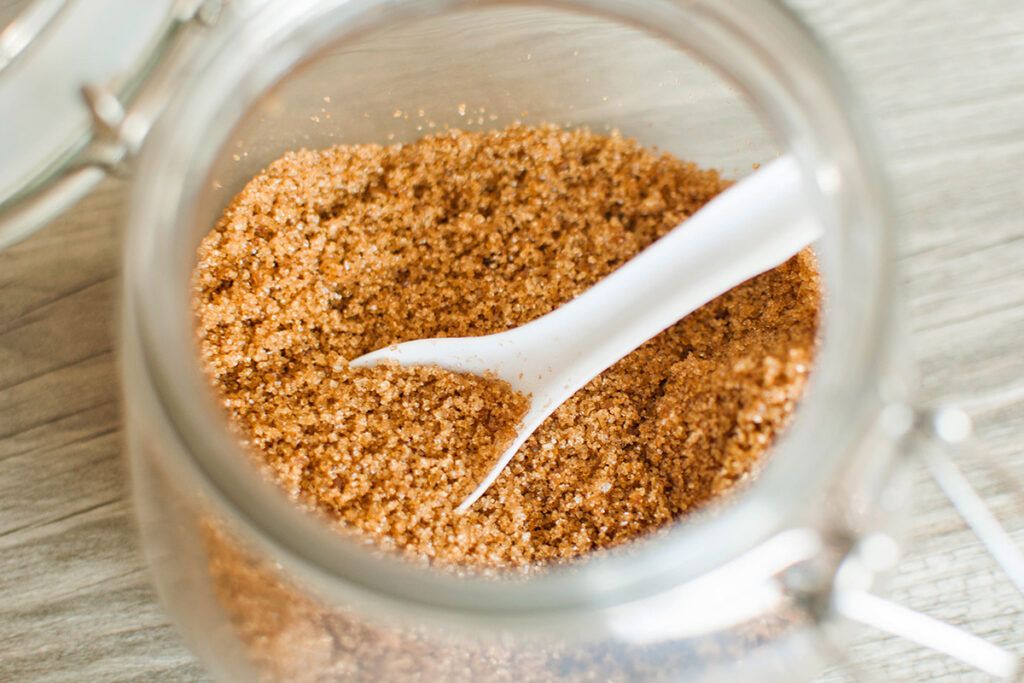
These are the three most popular table sugars that Rockoff views as quite similar to each other. “White and brown sugar are highly refined,” she says. “White [is] the most refined, leaving just sucrose crystals and removing all molasses. Brown sugar is white sugar with molasses added back in.” Turbinado, meanwhile, is minimally processed cane sugar that contains only trace minerals. “Nutritionally, [these three sugars] are almost identical and should be consumed in moderation, as [they] can be digested very quickly, causing a spike in blood sugar,” she explains.
All three have high GI scores of about 65 and roughly the same calorie content, at about 16 calories per teaspoon.
Corn Syrup
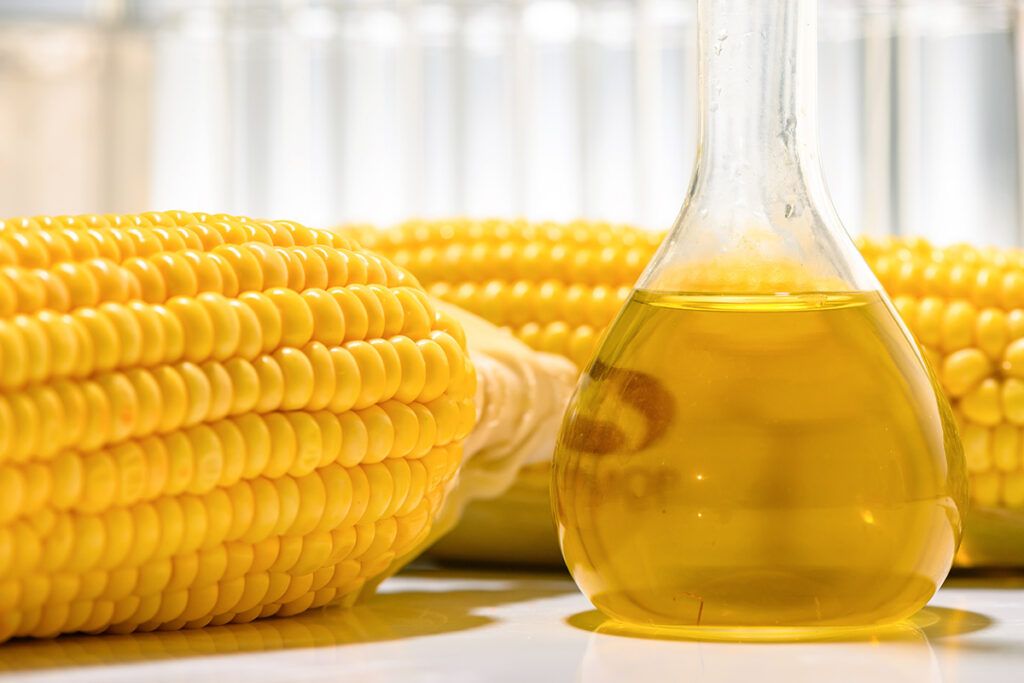
Corn syrup is often considered the same as high-fructose corn syrup; however, they differ in how they’re made. “Corn syrup is a liquid sweetener that is made from cornstarch,” Rockoff says. “It is made from 100% glucose and can be used at home and in commercialized baked goods to support texture and sweetness.”
High-fructose corn syrup (HFCS) goes a step further. While it’s also made from cornstarch, it has additional enzymes that convert glucose into fructose, the same sugar found naturally in fruits and vegetables. But because it’s manufactured, it doesn’t have fiber and nutrients like its naturally occurring form. “Glucose is absorbed directly into the bloodstream, while fructose is absorbed more slowly and metabolized in the liver,” Rockwell explains. “The liver can convert excess fructose into fat, which can lead to higher blood triglycerides and nonalcoholic fatty liver disease.” Triglycerides are the most common type of fat in your bloodstream — too much puts you at risk for heart disease — and fatty liver disease can lead to cirrhosis or liver cancer.
Dr. Schwarz warns that excessive fructose can “increase the risk of cardiovascular disease, insulin resistance, and Type 2 diabetes,” adding, “These effects are most strongly associated with fructose consumed as added sugar in processed foods and sugar‑sweetened beverages.” (It’s very hard to get too much fructose from eating fruit because it takes time to digest, so your liver isn’t bombarded with fructose all at once, as it is with refined sugars and HFCS.)
It’s important to note that corn syrup has a GI of 90, higher than HFCS, which comes in around 56. Corn syrup is also a bit higher in calories — it has 20 calories per teaspoon, while HFCS has 18.

Honey and Maple Syrup
Rockoff’s favorite sources of natural sugar are honey and maple syrup. “Honey is one of the oldest natural sugars and has been used since ancient times for both its nutritional and healing properties,” she says. “Research suggests that it contains antioxidant and antimicrobial compounds and can help support a healthy anti-inflammatory response. It also contains trace amounts of minerals, vitamins, amino acids, and enzymes.”
When it comes to maple syrup, make sure you buy one marked “100% pure,” as many inexpensive options contain blends of other ingredients such as high-fructose corn syrup and artificial flavorings. Pure maple syrup, on the other hand, “is produced only from the concentration of sap from a maple tree,” Rockoff says. “Maple syrup has higher nutritional value compared to other sweeteners and contains manganese, riboflavin, zinc, magnesium, calcium, and potassium. It also contains antioxidants that can be beneficial to human health.”
If you’re watching your blood sugar or calorie intake, however, be aware that honey and maple syrup both have medium GI scores: Honey’s can vary depending on the type, though the average is 55 to 60, and maple syrup’s GI is 54. They also have similar calorie counts to table sugar, with honey containing about 21 calories per teaspoon and maple syrup 17.
Stevia and Monk Fruit
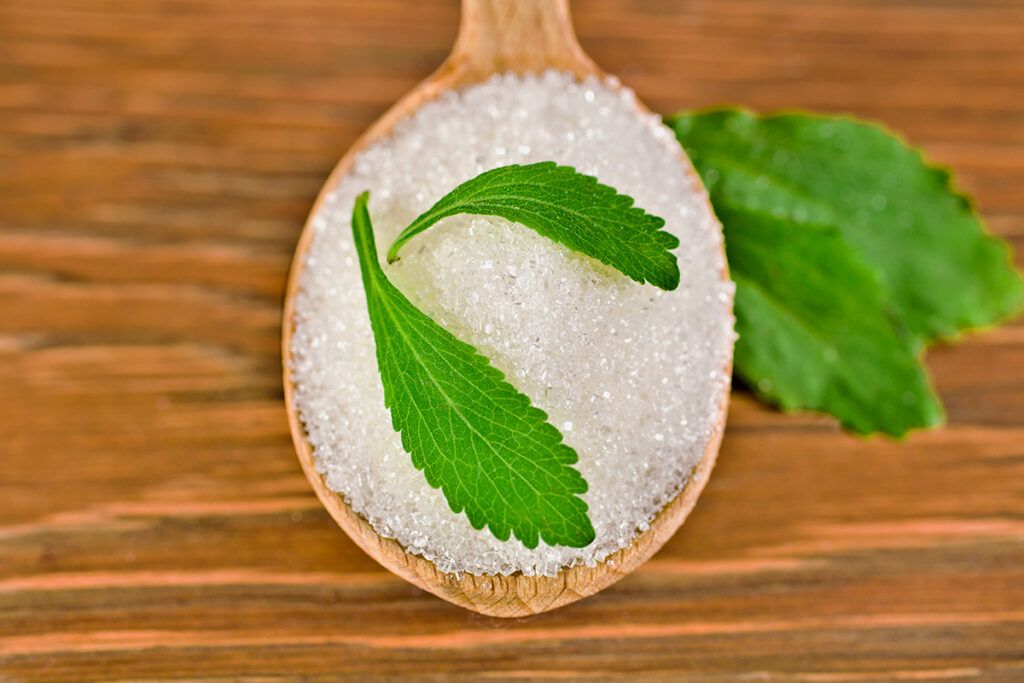
Stevia is derived from the stevia plant found in South America, and monk fruit comes from a plant native to Southeast Asia. Both stevia and monk fruit have a GI of 0 and contain no calories. “Some benefits of these [sweeteners] are that they do not spike blood sugar levels, which is ideal for those managing diabetes, aiming for weight loss, and keto diets,” Rockoff says.
Dr. Schwarz warns that these sweeteners shouldn’t replace the goal of a healthy diet, though. “Low- or no-calorie options like stevia or monk fruit may help reduce calorie or glucose intake in specific situations, but they are best seen as substitutes, not inherently ‘healthy’ choices,” he explains. “The broader goal should be to moderate overall sweetness in the diet.”
Note, too, that you may need to experiment to get the ratio right when swapping traditional sugar for stevia or monk fruit in recipes or drinks. Generally, you’ll want to start with less, as stevia and monk fruit are significantly sweeter. “These are 100 to 400 times sweeter than white sugar,” Rockoff says. “The taste can range from intensely sweet to bitter.”
And, as always, keep an eye on the ingredients: Many stevia and monk fruit sweeteners have added erythritol, one of the sugar alcohols linked to a risk of cardiovascular problems and blood clot formation. Before buying, ensure your sweetener is made with pure monk fruit or stevia.
Sweeteners Cheat Sheet
| Type of Sweetener | GI Ranking | Calories per Teaspoon |
| Cane Sugar | 65 | 16 |
| Brown Sugar | 65 | 16 |
| Turbinado Sugar | 65 | 16 |
| Corn Syrup | 90 | 20 |
| High-Fructose Corn Syrup | 56 | 18 |
| Honey | 55–60 | 21 |
| Maple Syrup | 54 | 17 |
| Stevia | 0 | 0 |
| Monk Fruit | 0 | 0 |
Featured Image Credit: © K Abrahams/stock.adobe.com
More From Our Network
Better Report is part of Inbox Studio, an email-first media company. *Indicates a third-party property.







Based in Portland, Oregon, Nicole Pyles is an experienced freelance writer who writes about home and kitchen, health and wellness, and more. She's written for a variety of outlets, including Better Homes and Gardens, Tom's Guide, Better Report, and more.
This article is for general informational purposes only.
Affiliate Disclaimer Medical Disclaimer Financial Disclaimer