Is Mouthwash Bad for You?

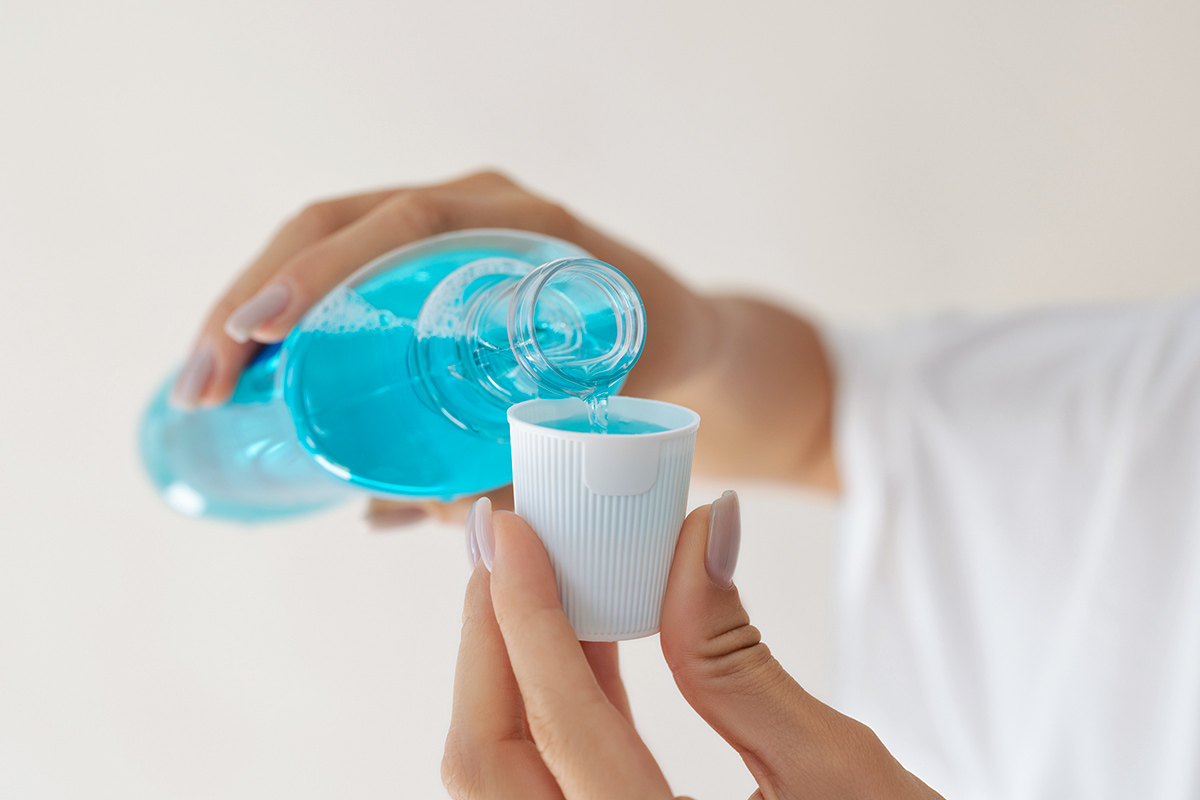
Most of us brush twice a day, and some of us floss at least once. You may even include a quick swish of mouthwash in your routine, whether it’s to freshen your breath after lunch or give your mouth that super-clean feeling at the end of the night. But what if your mouthwash is doing more harm than good?
Is Mouthwash Bad for You?
There are two main categories of mouthwashes: cosmetic and therapeutic. Cosmetic mouthwashes briefly relieve bad breath, while therapeutic mouthwashes address concerns such as halitosis (chronic bad breath), gum disease, or tooth decay. You may even have a prescription for a therapeutic mouthwash from your dentist, though they’re also available over the counter.
Problems with mouthwash typically arise from the ingredients and their effects on your mouth. Here are some signs you may want to set your mouthwash aside.
It Irritates or Burns Your Mouth
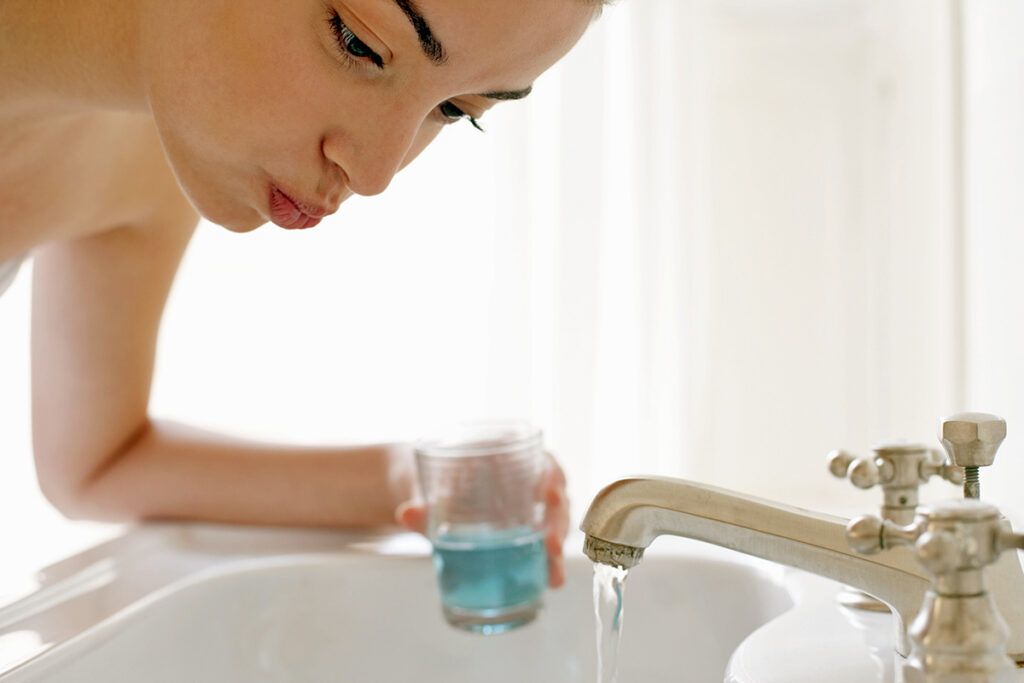
Ever notice a slight burning sensation after using mouthwash? Some mouthwash formulas can contain an ingredient known as sodium lauryl sulfate (SLS). It’s why toothpaste and soap foam when they interact with water. SLS can irritate your mouth and in some small studies has been associated with triggering canker sores or irritating existing sores. It’s especially aggravating if you’re undergoing cancer treatment — not because SLS is a carcinogen (it’s not), but because treatments for cancer can make the skin more sensitive. If you’ve experienced this problem, check your mouthwash for the ingredient and look for an alternative that doesn’t include it.

Reader Favorites



It Triggers Dry Mouth
Saliva helps our mouths stay healthy: It removes food particles from the teeth and around the gums, and it aids digestion. Regular use of an alcohol-based mouthwash can lead to dry mouth, a condition in which your salivary glands don’t produce as much saliva. Choose an alcohol-free mouthwash to help minimize the risk of this condition.
It Minimizes Good Bacteria
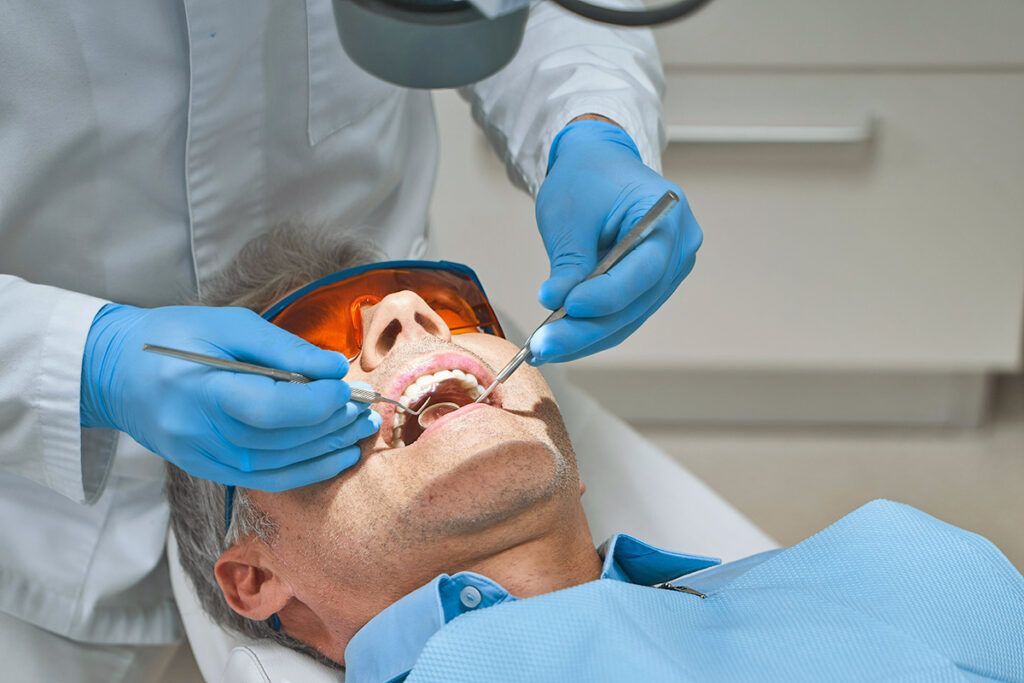
Most of us think of bacteria as harmful. Your mouth has all kinds of bacteria — some bad, but also some good. Adding an alcohol-based mouthwash or a chlorhexidine mouthwash (which helps reduce gum disease) to your regular oral hygiene routine can eliminate both harmful and beneficial bacteria. Ask your dentist about the risks of prolonged use of your mouthwash and their recommendation for the best option to protect your oral (and overall) health.
What Are the Benefits of Mouthwash?
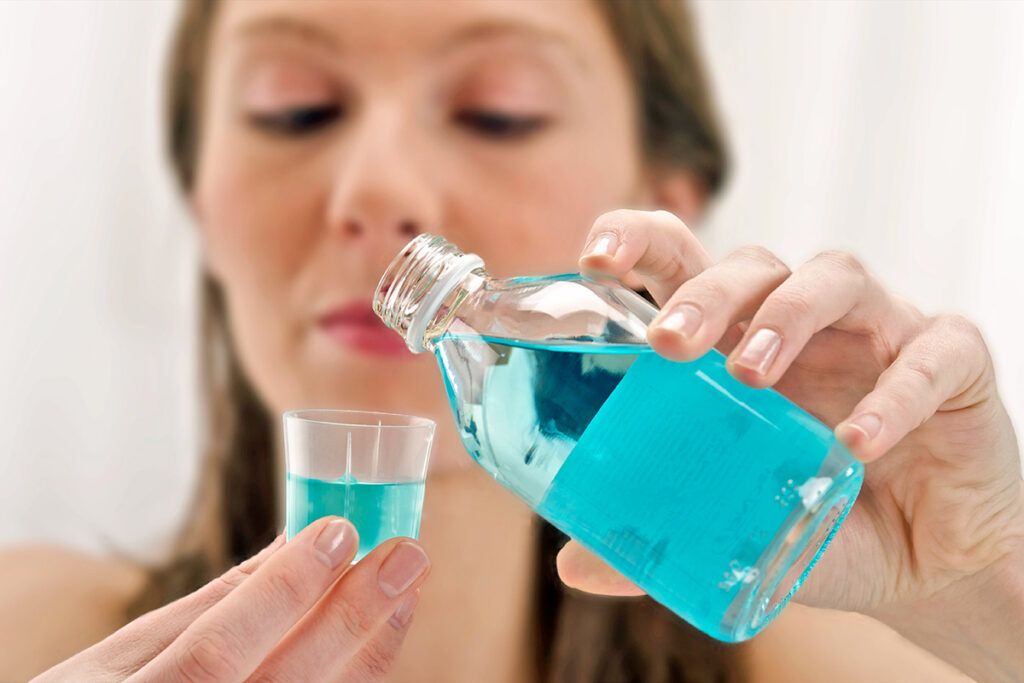
Despite the risks, there can be some benefits to mouthwash. Studies have shown it can reduce plaque in your mouth and your risk for gum disease. Your dentist may even have recommended that you include it in your oral care routine. To make the most of mouthwash without overdoing it, make sure to:
• Choose one with minimal synthetic ingredients, and avoid alcohol-based options.
• Use a mouthwash that includes fluoride, an ingredient known to help reduce the risk of cavities.
• Skip mouthwashes including artificial sweeteners, but look for ones with the sugar alternative xylitol.
• Use any prescription mouthwash as directed, but no more than the recommended use.
• Look for ones with the seal of approval by the ADA (American Dental Association).
Most importantly, talk to your dentist about your mouthwash. You should mention any concerns you have about your oral health during your next checkup. You can also bring your mouthwash with you, or take a photograph of it and its ingredients, to confirm it’s safe for regular use, especially if it hasn’t been prescribed or recommended by your regular dentist. And be sure to follow any guidance intended specifically for you, as everyone’s oral health needs are unique.
Featured Image Credit: © bymuratdeniz—iStock/Getty Images
More From Our Network
Better Report is part of Inbox Studio, an email-first media company. *Indicates a third-party property.







Based in Portland, Oregon, Nicole Pyles is an experienced freelance writer who writes about home and kitchen, health and wellness, and more. She's written for a variety of outlets, including Better Homes and Gardens, Tom's Guide, Better Report, and more.
This article is for general informational purposes only.
Affiliate Disclaimer Medical Disclaimer Financial Disclaimer