7 ‘Bad’ Foods That Are Actually Good for You


Everyone’s nutritional needs are different — one person’s healthy food is another person’s food to avoid. In part because of this, it’s easy to assume a food item is bad for you when it may not be unhealthy at all. In fact, some foods commonly deemed unhealthy can actually benefit your health.
According to Dr. Theresa DeLorenzo, a registered dietitian, adjunct professor at Russell Sage College, and founder/owner of Nutrition for Optimal Performance, “There are no good and bad foods.” In fact, that line of thinking — separating “good” foods from “bad” foods — can lead to harmful behaviors. “When we label foods as good and bad, it creates feelings of guilt, leading to a cycle of restriction and binging that cycles over and over.” Instead, she recommends changing how you think about food. “Remember that ‘all foods fit.’ Eat slowly and mindfully and stop when you are full,” she says.
We talked to Dr. DeLorenzo and Candice Knauer, M.S., R.D., L.D., owner of Firstline Nutrition LLC, about some popular so-called “bad” foods that have surprising health benefits.

Pizza
Pizza is more than a comfort food. It’s also one of Dr. DeLorenzo’s favorite foods that people often say is bad for you. “Pizza is a perfect combination of carbohydrates, protein, and fat,” she says. “If made at home, you can use a whole-grain crust and olive oil and top with your favorite vegetables.” She also recommends it after a long run: “It replaces … electrolytes, sodium, calcium, potassium, and magnesium.”
Potatoes
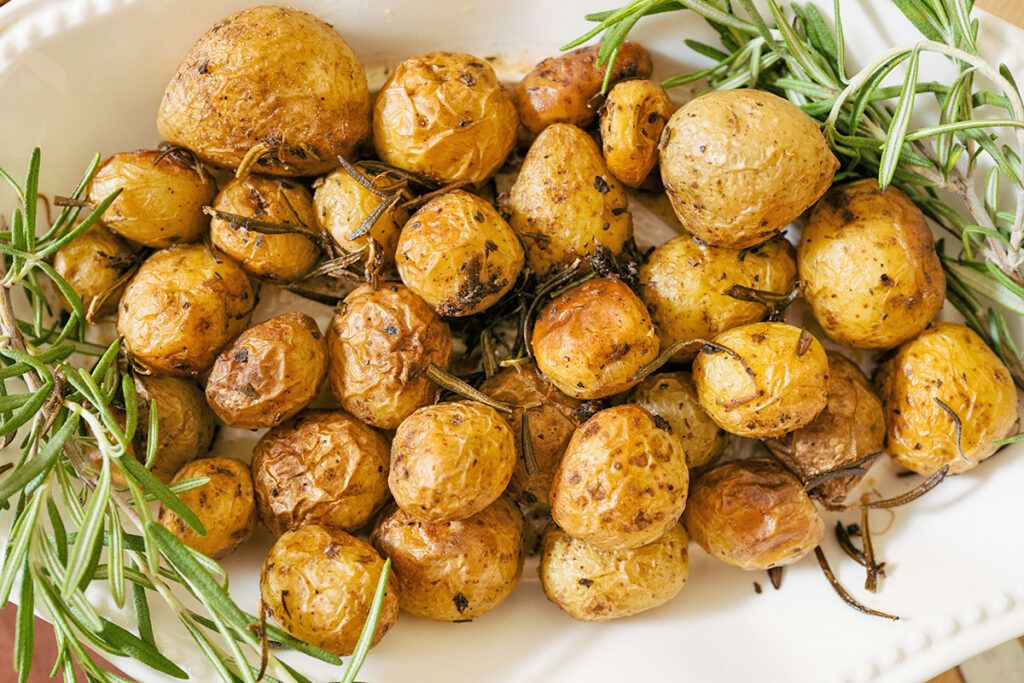
If you find yourself avoiding potatoes because you think they’re bad for you, we have some good news. According to Knauer, “potatoes in their unfried form can be an incredibly nutritious addition to the diet. They’re a good source of potassium and vitamin C, provide fiber when eaten with the skin, and even contain more protein than many people expect.” Eating potatoes will also help you feel full for longer. “Research has found that potatoes, especially when baked or boiled, are one of the most filling foods, which may help reduce hunger and the likelihood of snacking later in the day,” Knauer says. In this case, it’s how the vegetables are prepared that’s key: Avoid eating potatoes that are fried, topped with butter, or contain tons of added salt. “As with many foods, it’s often the preparation, not the potato itself, that makes the biggest difference,” Knauer says.

Reader Favorites



Chocolate
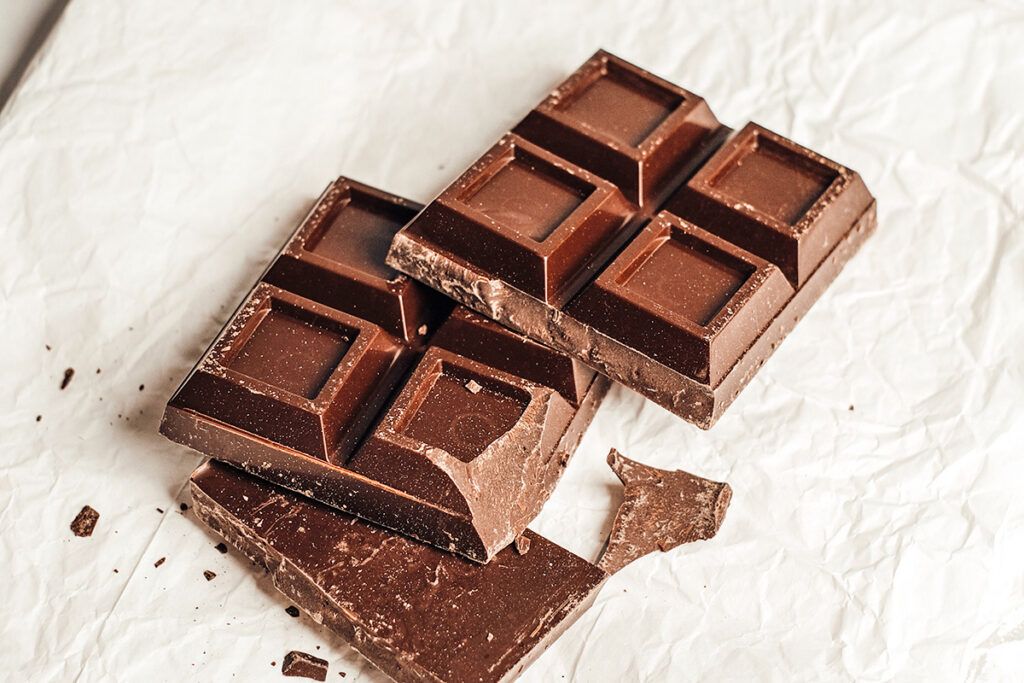
No need to feel guilty about your chocolate indulgences. “Many people view chocolate as a bad food,” Dr. DeLorenzo says, “but chocolate contains magnesium, a vital nutrient that our body is constantly depleting.” In fact, she notes, craving chocolate may mean your body is missing out on this nutrient.
But before you grab your favorite candy bar, be mindful of your choices. “The darker the better,” DeLorenzo says. “Dark chocolate … has antioxidants that protect our body from oxidative, disease-causing damage.”

Coffee
Coffee is sometimes said to be bad for you due to caffeine and its side effects, but there are actually some health benefits to your morning brew. “In moderation without tons of added sugar, coffee contains disease-fighting antioxidants and protects our liver from damage,” DeLorenzo says. Just be careful how much coffee you consume: “When it is consumed in excess, it can cause rapid heart rate and dehydration.” The FDA’s recommendation is to consume a maximum of 400 milligrams of caffeine a day, which is about what you’ll get from four 8-ounce cups of coffee.
Nut Butters
Both Knauer and DeLorenzo say that people tend to skip nut butters because they’re high in fat and calories. But not all fats are bad, and the fat in nut butters “includes some omega-3, anti-inflammatory fat,” DeLorenzo says.
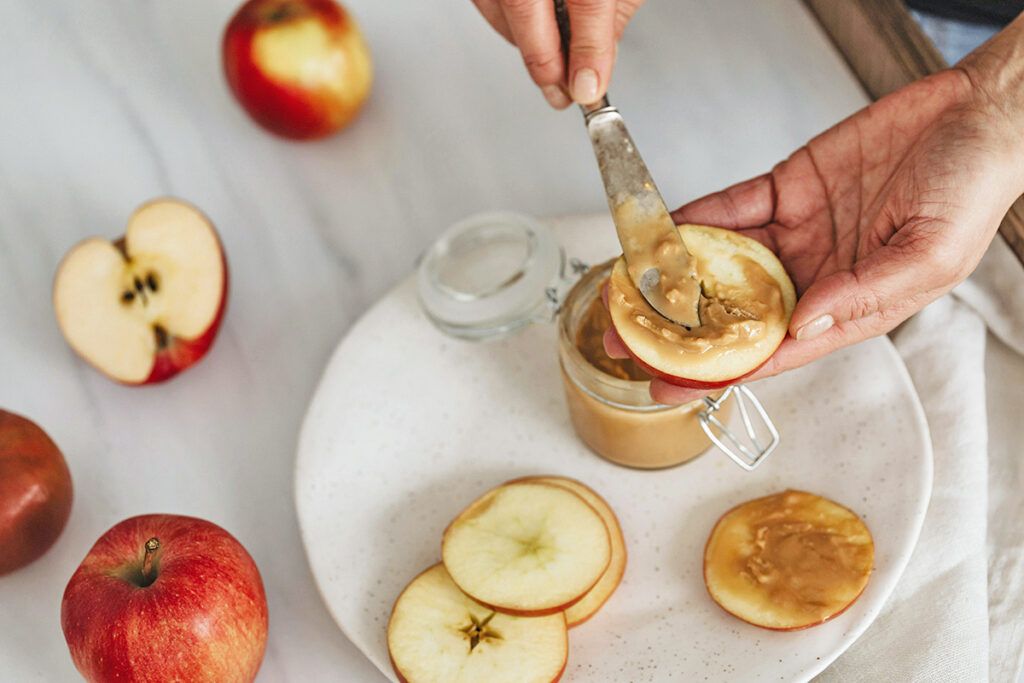
According to Knauer, “Nut butters provide plant-based protein, vitamin E, magnesium, niacin (vitamin B3), and trace minerals like copper.” Plus, “when paired with fiber-rich carbohydrates like whole-grain toast, apple slices, or oatmeal, nut butter can help promote fullness and satisfaction.” And it may also get people to eat more fruits and veggies if it’s used as a dip. Just keep an eye on the ingredients list. The best kind of nut butter has only nuts as the primary ingredient, with maybe a few additions like salt. Avoid any added sugars or hydrogenated oils.
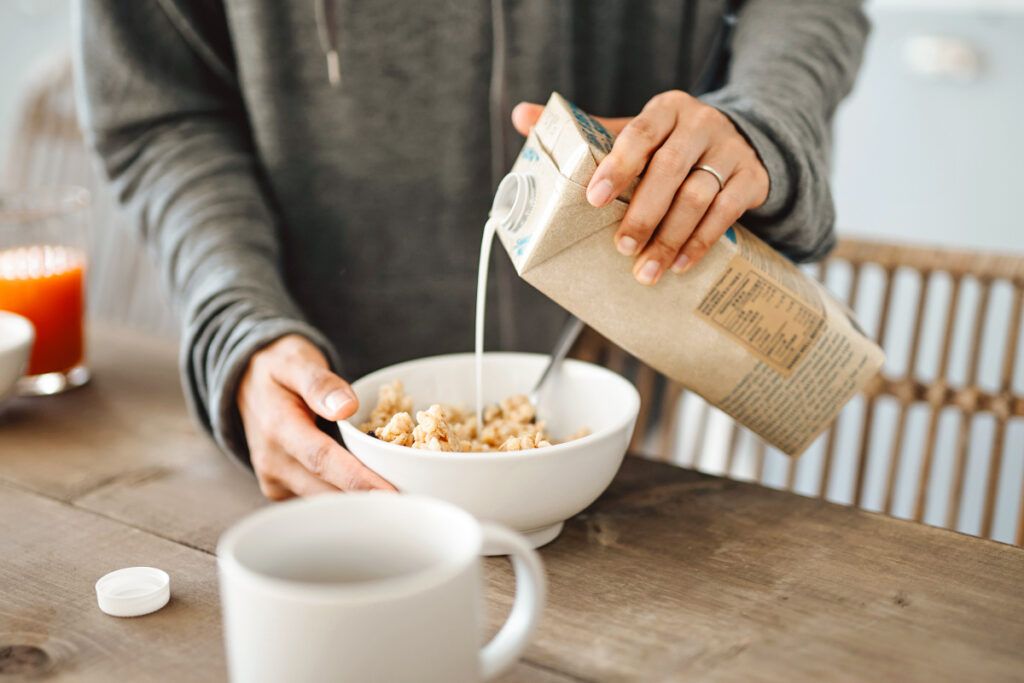
Soy Milk
Lauer often sees clients replace soy milk with almond milk. “Soy milk has gotten an unfair reputation because of misconceptions about the phytoestrogens it contains,” Knauer says. “These plant compounds are much weaker than human estrogen and don’t have the same effects in the body. Research consistently shows soy is safe for most people.” And while there’s nothing wrong with almond milk, “if your goal is to increase protein, it often falls short, providing just 1 to 2 grams of protein per cup.Unsweetened soy milk, on the other hand, provides around 7 to 8 grams of protein per cup while still being relatively low in calories,” she explains.
If you’re looking to reduce dairy intake or have a dairy intolerance, fortified, unsweetened soy milk has similar nutrients to those of cow’s milk. “It provides a comparable amount of protein, calcium, vitamin D, and often vitamin B12,” Knauer says.
Popcorn
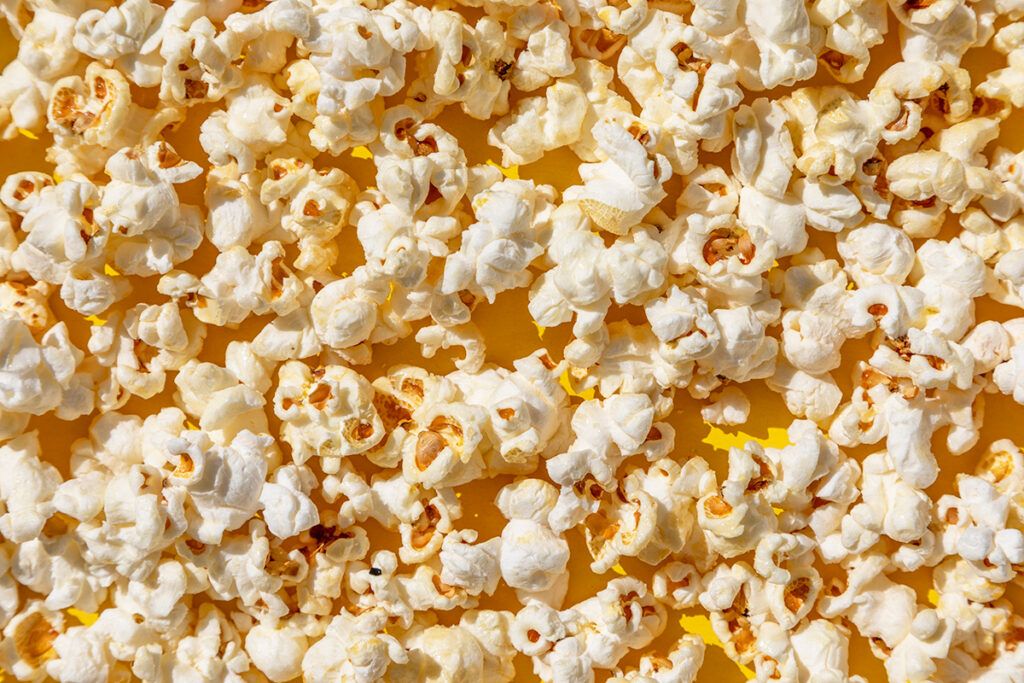
Popcorn has gotten a bad rap because of its status as a movie theater snack, where it can be loaded with salt and butter. Others avoid it due to a fear of PFAS, forever chemicals that can increase your risk for serious health problems, which were used in the lining of bags of microwaved popcorn and other foods until 2024.
Knauer notes that while “many companies have done a great job of reducing PFAS in microwave popcorn … I find that outdated concerns still make some people hesitant to buy it.” That’s a shame because “it’s a convenient way to incorporate more whole grains into the diet.” Properly prepared popcorn is an excellent snack. “It’s a whole grain, a good source of fiber, and what many dietitians refer to as a high-volume food, meaning it provides a satisfying portion without a lot of calories,” she says.
She recommends prepopped bagged popcorn if you’re still concerned about harmful chemicals. “Unlike microwave popcorn, prepopped varieties like SkinnyPop are already popped before they’re packaged, so you’re not heating the popcorn inside a microwave bag,” Knauer says. Just look for “a short ingredient list, moderate sodium, and minimal saturated fat.”
And if you want, you can make popcorn at home: “Simply add 1/4 cup of popcorn kernels to a plain brown paper lunch bag, fold the top over a few times, and microwave for about two to three minutes,” Knauer says. “Then season it however you’d like.”
Featured Image Credit: © cottonbro studio/Pexels.com
More From Our Network
Better Report is part of Inbox Studio, an email-first media company. *Indicates a third-party property.







Based in Portland, Oregon, Nicole Pyles is an experienced freelance writer who writes about home and kitchen, health and wellness, and more. She's written for a variety of outlets, including Better Homes and Gardens, Tom's Guide, Better Report, and more.
This article is for general informational purposes only.
Affiliate Disclaimer Medical Disclaimer Financial Disclaimer