6 Things You Should Never Buy From Amazon

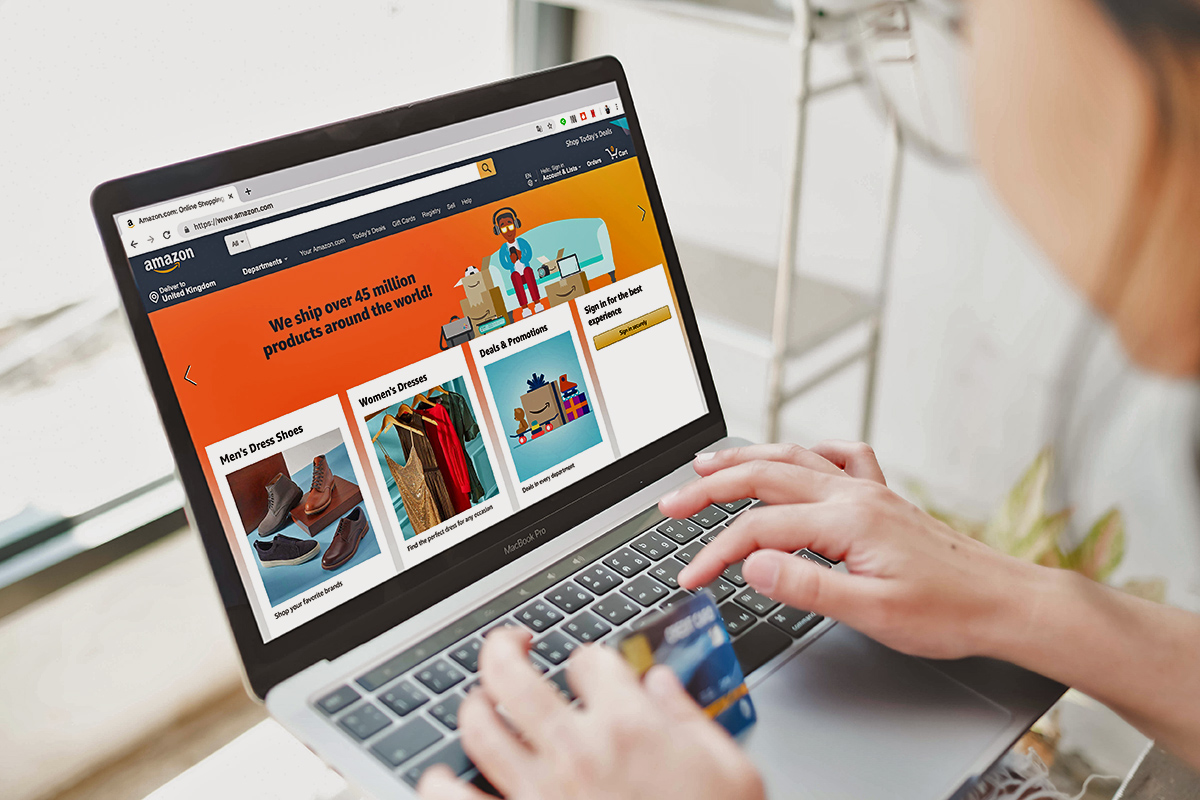
Shopping online from big e-retailers may be convenient, but it’s not without downsides. As sites like Amazon — the biggest online retailer, responsible for more than 35% of all online sales in 2025 — have gobbled up consumer dollars, it’s become harder and harder to know what you’re buying. After all, a marketplace with hundreds of millions of listings from a large number of vendors, and a limited ability to vouch for all of them, means that some categories of products carry risks worth knowing about before hitting “Buy Now.”
These aren’t Amazon-specific failures so much as categories where the platform’s model — which relies heavily on third-party sellers (many of them unknown) — creates conditions for counterfeits, safety gaps, or a worse deal than you’d get elsewhere. With costs rising, it’s tempting to save a few bucks wherever you can, but do yourself a favor and think twice before ordering the kinds of products listed below on Amazon.
Supplements
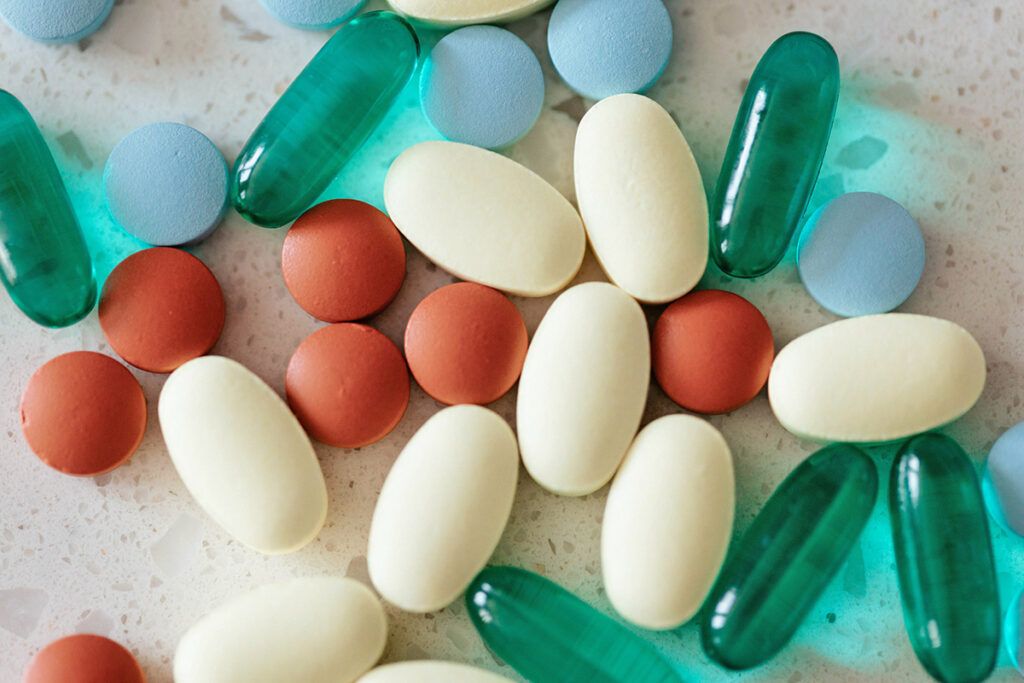
Many Amazon products come from third-party sellers, and experts warn that a lot of them would never be stocked in regular stores because they wouldn’t pass safety testing, are misleading, or are potentially dangerous to your health. This applies to supplements, where label claims are loosely regulated at all retailers, not just online.
Earlier this year, the FDA found that some products claiming to contain tejocote root — an herbal supplement derived from the Mexican hawthorn tree that’s marketed for weight management and appetite suppression — actually contained toxic yellow oleander, a poisonous plant that can be fatal to humans. Other supplements sold on Amazon have been found to include ingredients that weren’t on the label or even hidden prescription drugs. So, if you want to buy supplements, get them directly from a brand’s website or an authorized retailer instead.

Reader Favorites

Anything With a “Frequently Returned” Tag
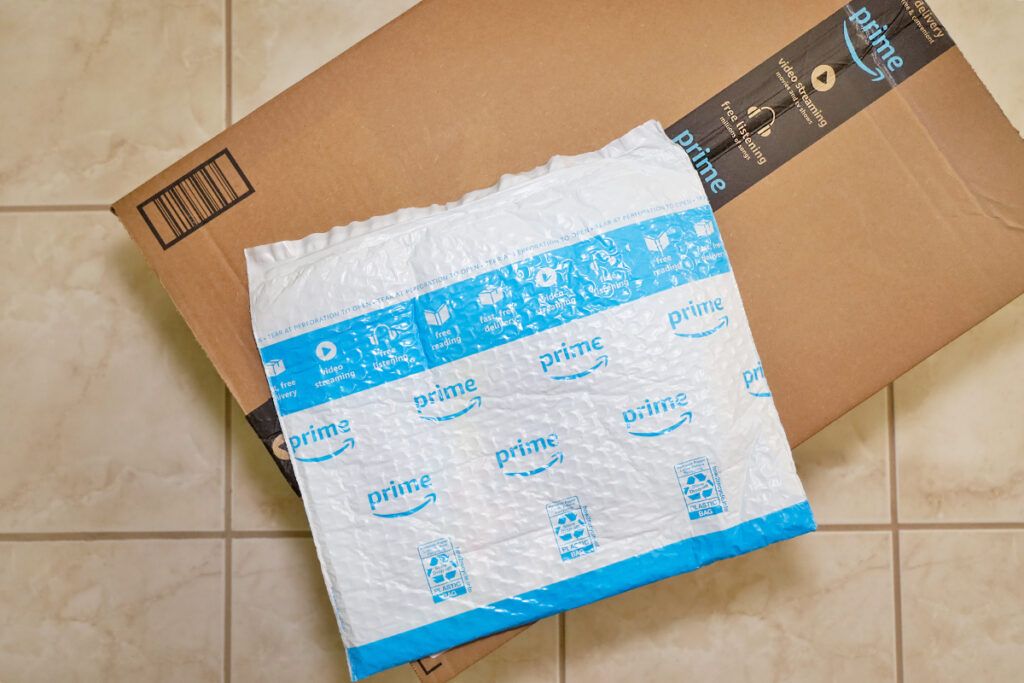
Amazon now flags items that have unusually high return rates, which is a useful signal — but the tag can be hard to spot on the product description pages. (The location of the tag has moved with updates, and its location can vary by page.) The label recommends checking reviews and the product description for more information, but a product can have a 4.5-star rating and a high return rate simultaneously, with no clear explanation as to why. Save yourself time, money, and stress and treat the “Frequently Returned” tag as a “Do Not Buy” sign.
Large Appliances
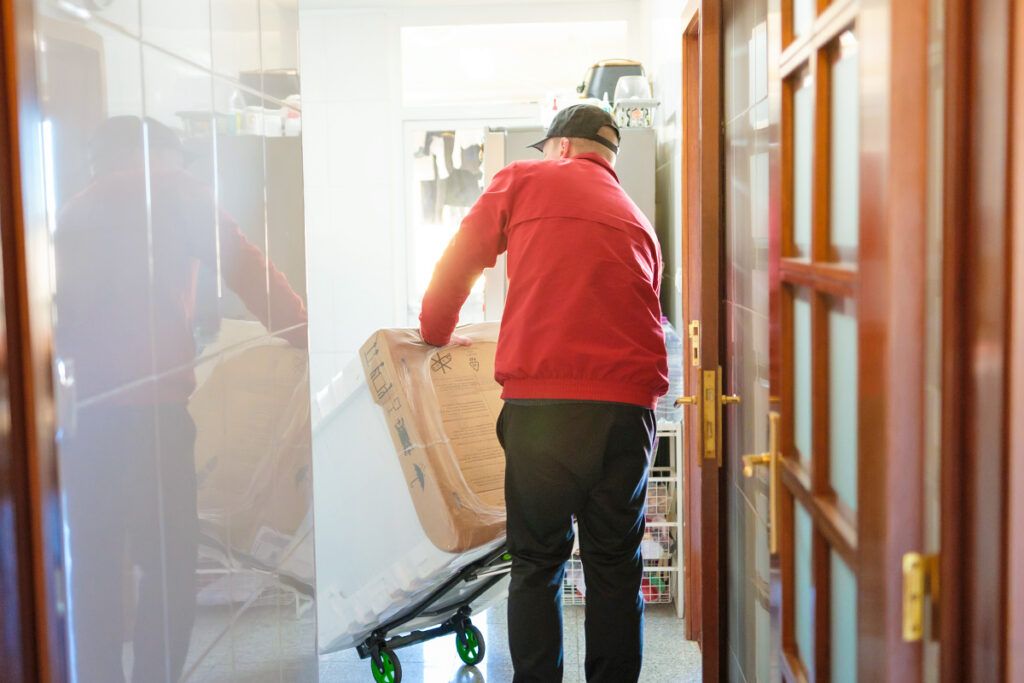
A refrigerator or washing machine that arrives damaged is not fun to return. Large appliances require delivery coordination, installation, and hauling away the old unit — all services that a local, dedicated appliance retailer is going to handle far better than Amazon. Also: If something goes wrong, you’ll want to be able to call an actual human, not waste time trying to get a chatbot to solve your problem. The extra money you spend to buy locally will be worth it.
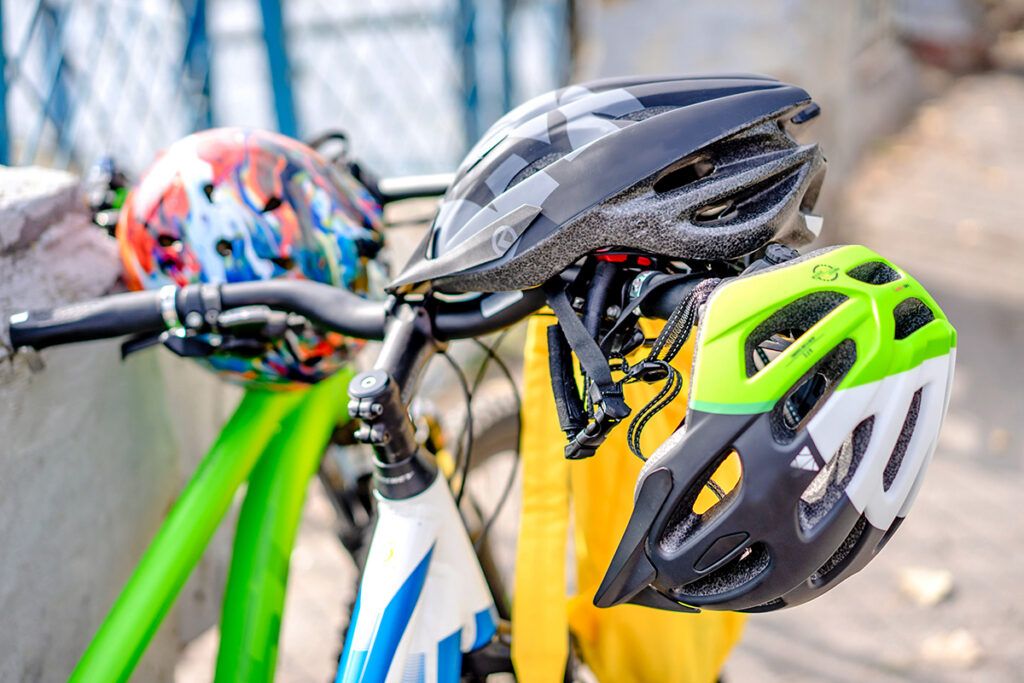
Children’s Gear (Especially Sleep Products for Babies)
This is the highest-stakes category on the list. In 2023, the Consumer Product Safety Commission’s eSAFE team requested that commerce websites remove more than 50,000 products that were illegal or had been recalled. Consumer Reports found that recalled sleeping products linked to infant deaths were still available on Amazon (and other e-commerce platforms), and uncertified bike helmets have been sold on the platform as well. The problem is structural: Products sold by third-party sellers may appear identical to Amazon’s own retail listings, so you may not realize you’re buying from an unknown seller with no accountability. Bottom line: For anything going near a baby — especially sleep products — buy from a brand’s own site or a traditional retailer.
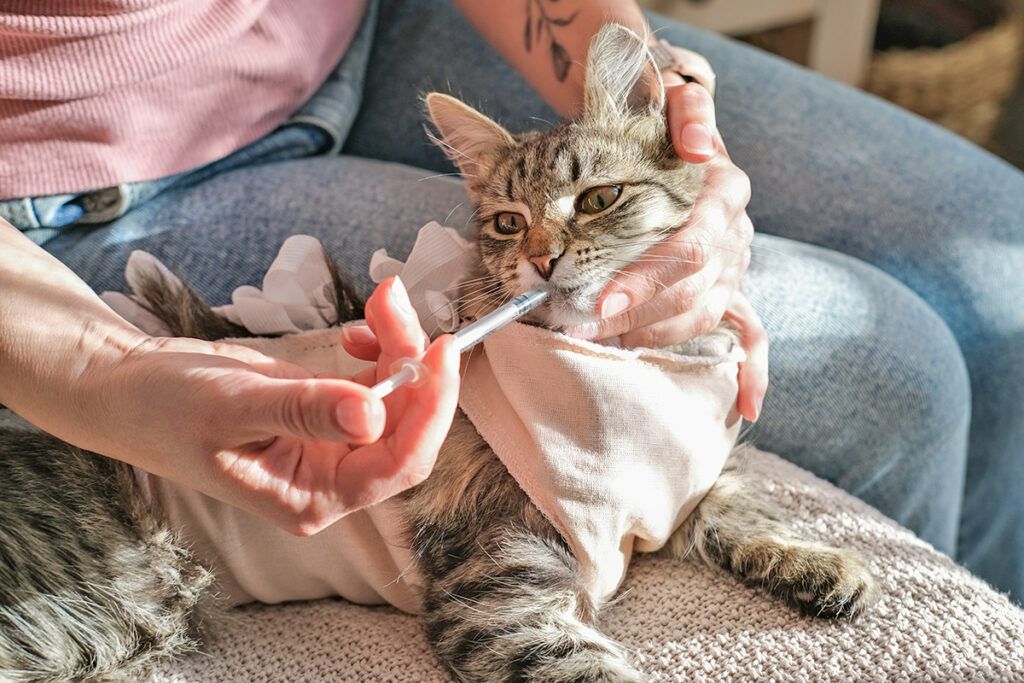
Pet Medications
Pet medications sold by third-party Amazon sellers may be counterfeit, improperly stored, expired, or harmful in ways that are impossible to detect from a photo — and even when you have the product in hand, in some cases. Sellers go to great lengths to mimic the look of popular name brands, but in reality, these fraudulent meds lack the ingredients that make the medication effective and may even contain harmful substances. Counterfeit versions of flea and tick medications sold online, for example, have been found to contain pesticides dangerous to cats and dogs. Don’t put your four-legged friend at risk — get those medications from your vet or a licensed pet pharmacy.
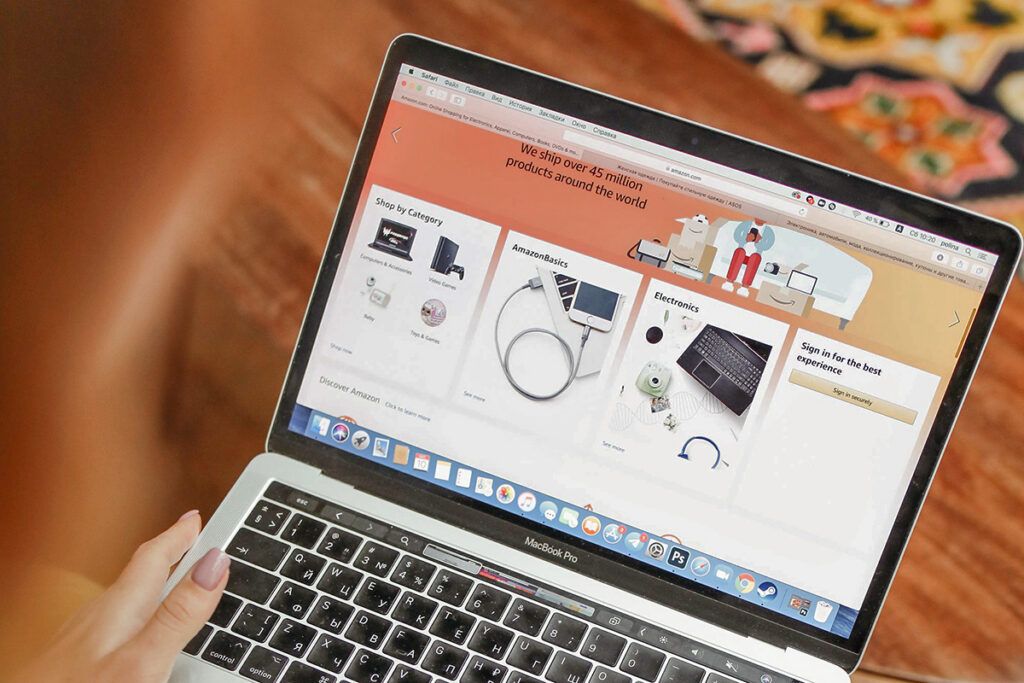
Anything From an Unfamiliar Seller (Especially If It’s High Stakes)
Purchases from third-party vendors make up more than 60% of Amazon’s sales, and for those purchases, it’s hard to suss who’s responsible for issues — especially when consumer safety is involved. According to Consumer Reports, Amazon has argued that it’s basically just a delivery service connecting the dots between sellers and consumers, and therefore isn’t liable for the safety of third-party listings.
So, the higher the stakes of what you’re buying, the more it’s worth buying from a seller you can actually identify. But low-stakes items that don’t match your expectations are still a waste of time, money, and resources. To see the vendor behind a specific product, look for the “Sold by” information. (Can’t find it easily? Do a CTRL+F search for “Sold by.”)
Does this mean you should never shop on Amazon? In some cases, it’s still the best option in terms of price, access, and speed. Just know that what you see on an Amazon listing isn’t necessarily what you get. So, taking a little extra time to investigate — checking the seller’s information, skipping sponsored results (anyone can pay to have their product featured first, which can inflate sales and reviews), reading the reviews closely, and going directly to a retailer’s page — is absolutely worth it to make sure you’re getting what you actually want.
Featured Image Credit: © Thaspol/stock.adobe.com
More From Our Network
Better Report is part of Inbox Studio, an email-first media company. *Indicates a third-party property.






Erin Scottberg is a Brooklyn-based writer, garden designer, and houseplant expert — and the founder of Full Sun Studio (fullsun.studio), a garden design and plant consulting studio in New York City. She holds an Urban Horticulture Certificate from Brooklyn Botanic Garden, an NYC Street Tree Pruner License, and an NYC Master Composter Certification, and spent three years as Head of Content and Education at The Sill. When she's not working, you can find her creating in her textile studio, running craft nights in her neighborhood, or hanging with her rescue pup, Sunny. She's an ambitious DIYer, avid composter, and has never been able to walk by a thirft store without taking a look.
This article is for general informational purposes only.
Affiliate Disclaimer Medical Disclaimer Financial Disclaimer