The Appliances Using the Most Electricity in Your Home


No matter how many lights you turn off or how many degrees you adjust your thermostat, odds are, your energy bills will still end up costlier than you’d like. A large chunk of energy use is attributable to certain home appliances that feed on electricity with the same fervor that fuels competitive eaters feeding on hot dogs. Here’s a look at which appliances are using up the most energy, and what you can do to lower your utility bills going forward.
The Worst Offenders
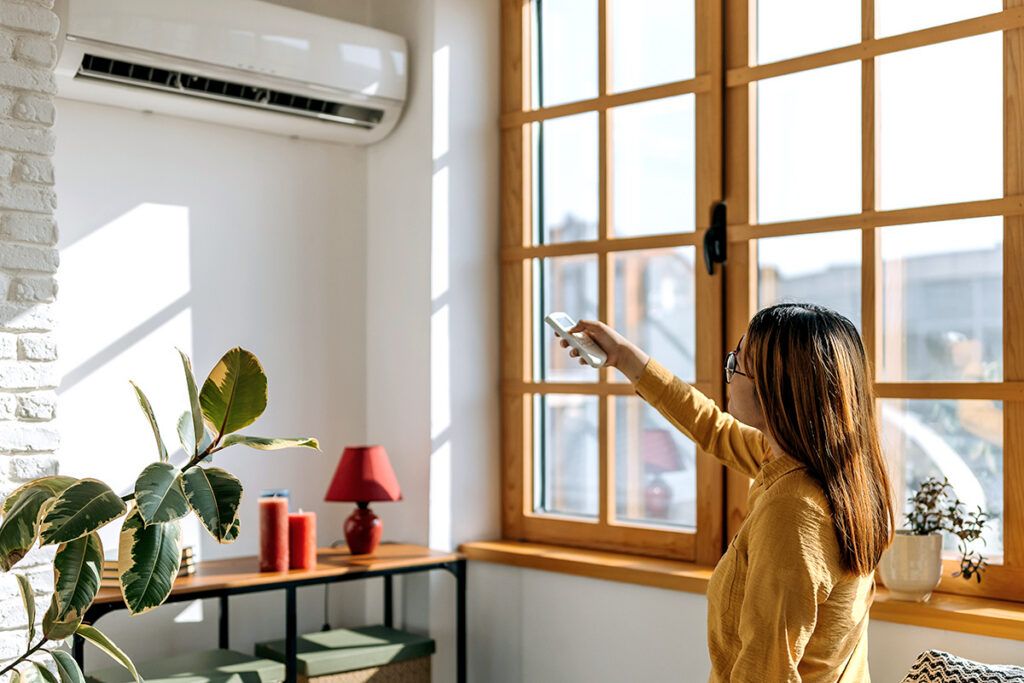
According to a 2025 U.S. Energy Information Administration report about residential energy consumption, heating and cooling systems (which can be combined into a single HVAC system) make up the largest chunk of electrical use.
Space cooling accounted for 17.3% of electricity consumption last year. In the summer months, according to the home warranty company American Home Shield, AC units run for six hours per day on average. Space heating systems, meanwhile, accounted for 14.1% of electricity use; furnace fans and boiler pumps were also a part of that figure. All told, heating and cooling make up 31.4% of home energy use.
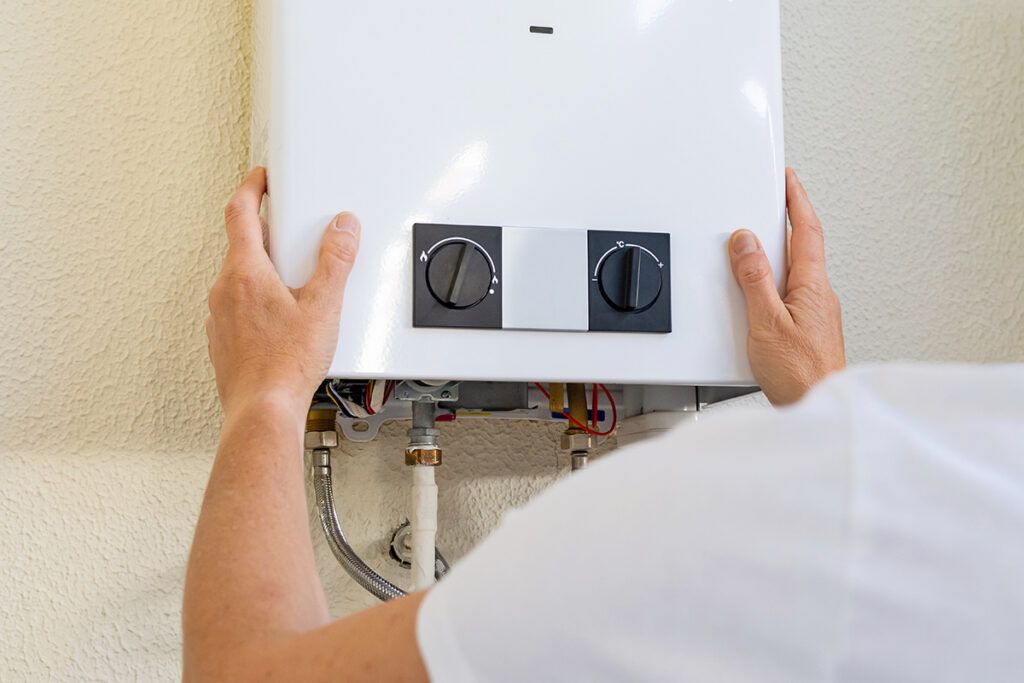
Outside of the heating and cooling of spaces, water heating systems accounted for 8.5% of total residential electricity consumption. While that number takes into account typical water heating needs (sinks, showers, etc.), it could be higher if you have a pool heater powered by electricity.
Refrigerators and freezers account for 8.0% of home energy use — which makes sense, given that those appliances are running 24/7, even if they’re not overly powerful. Home lighting accounted for 3.4% of electricity use, TVs (and related equipment) accounted for 2.3%, and computers (and related equipment) made up 1.8%.
That leaves approximately 44.5% attributable to every other electrical appliance you might use. This could include a kitchen blender, a phone charger, an electric toothbrush, and so on. But at the end of the day, no single appliance uses as much energy as what you use to heat and cool your home.

Reader Favorites



If you’re curious about the appliances using the least amount of energy, none do a better job than fixtures that use LED light bulbs — an energy-efficient type of lighting that uses up to 90% less energy than more wasteful incandescent bulbs. It’s also worth noting that ceiling fans are a more cost-effective alternative to HVAC systems since they help disperse air but don’t require extra energy to cool it off.
What Can You Do To Cut Costs?
When it comes to your heating and cooling equipment, there are a few ways to make the systems run more efficiently and cut down on utility bills. First, consider upgrading to a unit that’s ENERGY STAR-certified. These devices are designed to be more energy efficient and could save you roughly $1,000 to $2,000 (compared to a less efficient model) over the lifetime of the unit.
Also, you should familiarize yourself with the recommended thermostat settings for the various times of year, as they can help you to stay comfortable indoors without breaking the bank. In the springtime, it’s best to set it between 68 degrees Fahrenheit and 70 degrees Fahrenheit, or 72 degrees Fahrenheit in the day and in the lower 60s at night. In the summer, it’s better to set the thermostat around 78 degrees Fahrenheit. And in the winter, the settings revert back to 68 degrees Fahrenheit, similar to in the springtime.
But it’s not just the HVAC you should be worried about — consider replacing your water heater as well. Swapping from a less efficient water heater to an ENERGY STAR device uses 70% less energy and can help families save $550 annually. ENERGY STAR-certified refrigerators can also save you roughly $150 over the product’s lifetime.
Featured Image Credit: © miniseries—E+/Getty Images
More From Our Network
Better Report is part of Inbox Studio, an email-first media company. *Indicates a third-party property.





Bennett Kleinman is a New York City-based staff writer for Inbox Studio. He is also a freelance comedy writer, devoted New York Yankees and New Jersey Devils fan, and thinks plain seltzer is the best drink ever invented.
This article is for general informational purposes only.
Affiliate Disclaimer Medical Disclaimer Financial Disclaimer