What Temperature Should You Set Your Air Conditioner in the Summer?

All featured products and deals are selected independently and objectively by the author. Better Report may receive a share of sales via affiliate links in content.
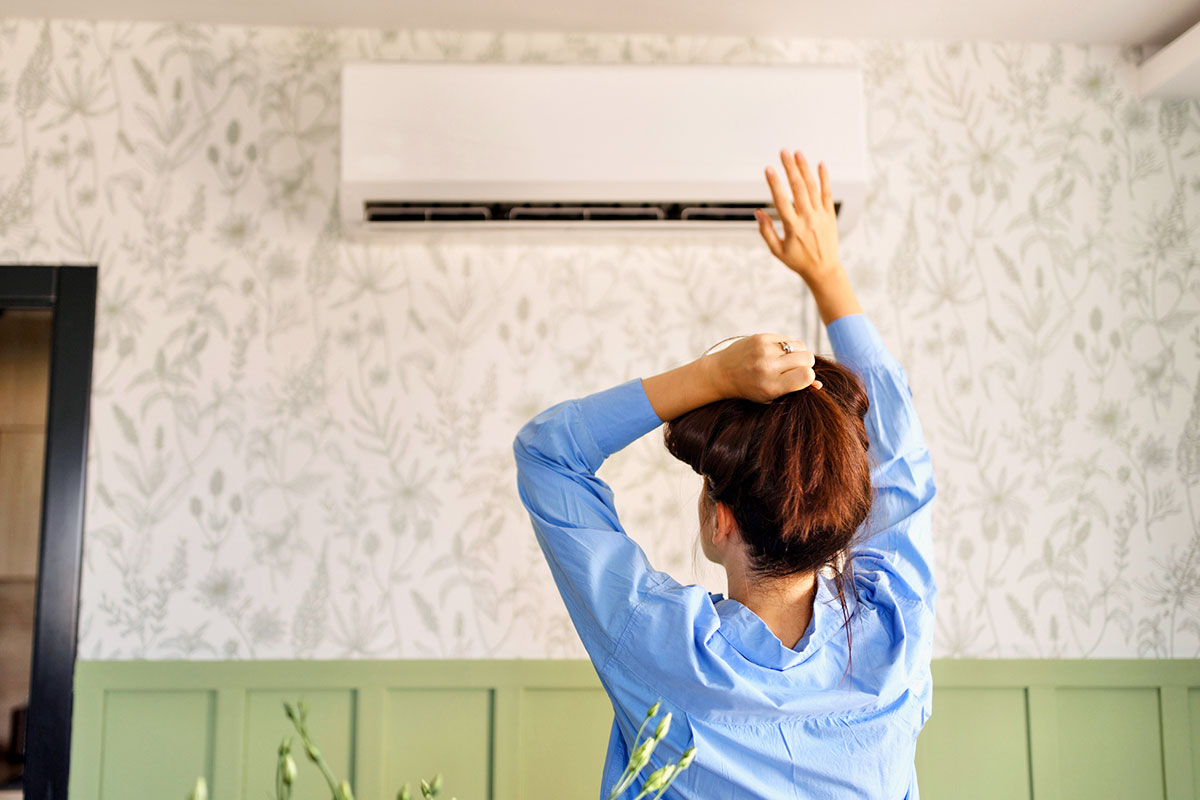
During the dog days of summer, there’s nothing like returning home, cranking the AC, and standing directly in front of the vent for a solid 30 minutes. But while it may be tempting to set the thermostat as low as possible during these warmer months, doing so isn’t such a great idea: Setting the thermostat too low could force your HVAC system to work overtime, which may result in lofty utility bills and, over time, a stressed system. Here’s how to set your thermostat during the summer to properly balance comfort and affordability.
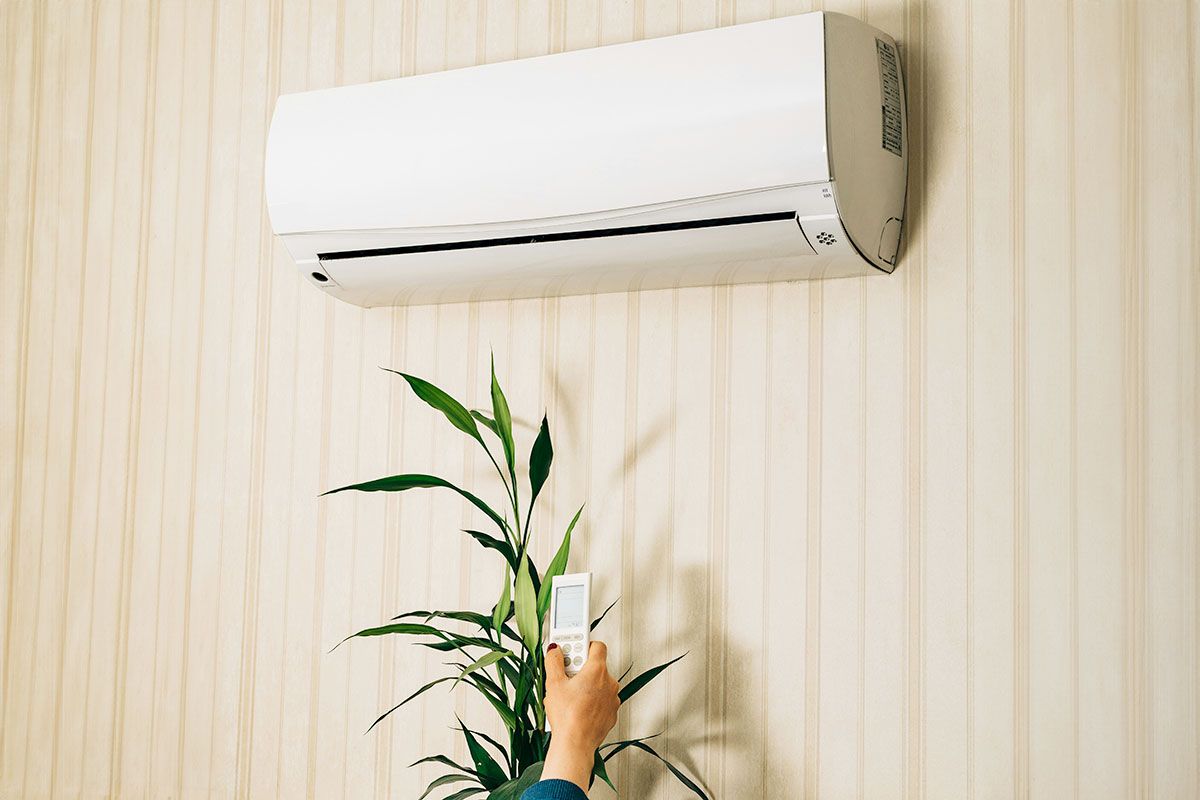
The Ideal Temperature When Home
You may assume that you should lower the thermostat on hot summer days, but that’s not actually the case. According to the government energy-efficiency program Energy Star, you should keep the device set at 78 degrees Fahrenheit. The hotter it is outside, the harder it is for your HVAC system to keep the interior of the house cold — so the lower you set the temperature, the more energy and money it will take to keep your home cool.
At the end of the day, though, personal preferences matter, and those who prefer colder temperatures may vehemently disagree with this recommendation. The World Health Organization (WHO), for its part, recommends keeping the household room temperature at a minimum of 64.48 degrees Fahrenheit for healthy individuals and 68 to 69.8 degrees Fahrenheit for the young, elderly, or those who have chronic health conditions. Indoor temperatures colder than 64.4 degrees Fahrenheit are associated with health issues. (WHO doesn’t have a recommendation for maximum safe indoor temperatures. Some suggest 82 degrees Fahrenheit is the hottest your house should be, while others say even 80 degrees may be too warm. This, too, may be a matter of personal preference.)
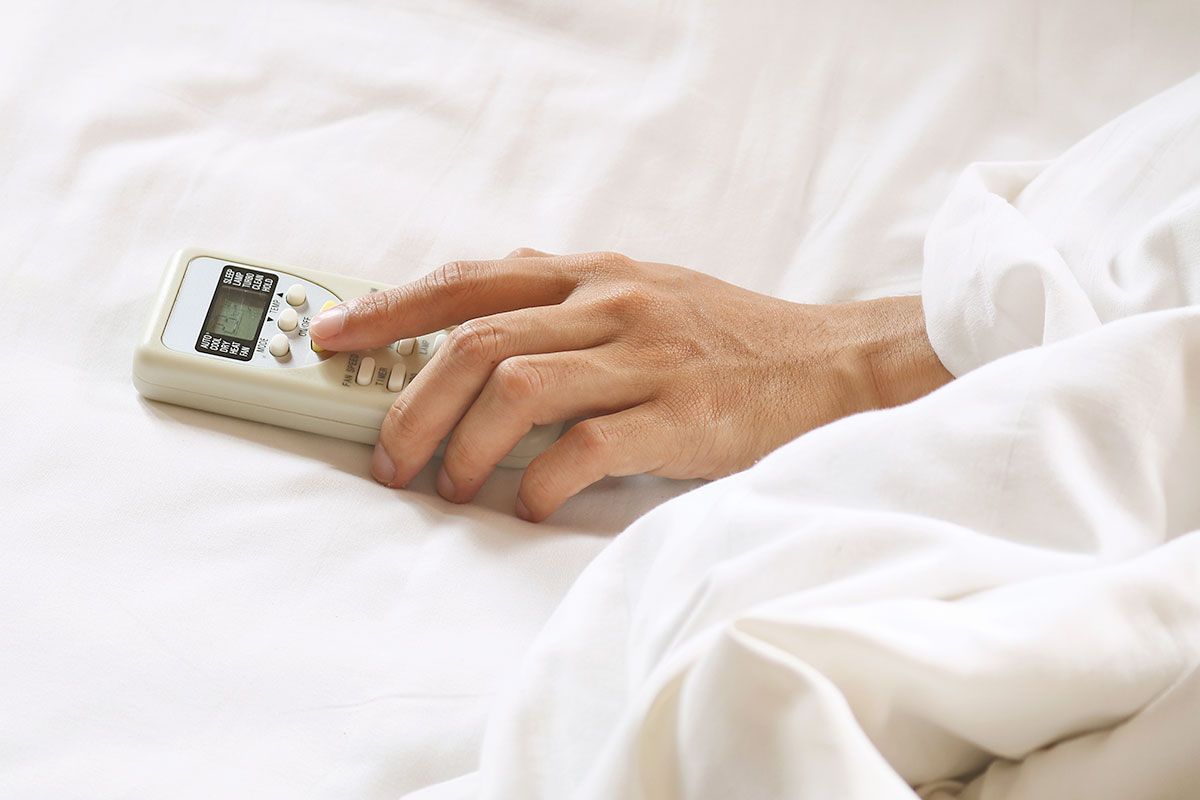
The Ideal Sleeping Temperature
The ideal temperature for sleeping, according to the National Sleep Foundation, is between 65 and 68 degrees Fahrenheit. That’s because cooler temperatures encourage the body to produce higher amounts of melatonin, a hormone that regulates circadian rhythm and leads to a deeper sleep.
It doesn’t cost as much to keep your house cool at night: Temperatures drop outside as soon as the sun sets, so your HVAC system won’t have to work as hard to combat the heat, and energy prices also tend to be lower. But when you’re sleeping, Energy Star recommends setting your thermostat at least 4 degrees higher than its daytime recommendation, which will help save on utility bills. Whether you choose to prioritize saving as much as possible or ramping up the AC to sleep better is up to you.
The Ideal Temperature When Not Home
When you leave the house to go to work or run an errand, the Department of Energy recommends setting your thermostat 7 to 10 degrees higher. So, if you keep it set at 78 degrees Fahrenheit, set it to 85 or 88 degrees Fahrenheit before you walk out the door. This helps you save even more on your utility bills: According to the DOE, “a higher interior temperature will slow the flow of heat into your house, saving energy on air conditioning.” Doing so for eight hours a day can save you 10% on heating and cooling costs per year. (Important caveat, though: You shouldn’t do this if you have pets — they overheat more easily than humans do. According to the American Kennel Club, dogs may overheat at temperatures above 81 degrees Fahrenheit.)

Reader Favorites



Why not leave your AC on at the lower temperature, or turn it off completely if you’re not going to be home? It’s a misconception that an air conditioner will need to work harder to cool down a hot house. Because it cools at a steady rate, it will instead need to run longer to bring your house to a lower temperature, which will increase your utility bills.
It’s more energy efficient to set your thermostat slightly higher when you’re not home. This will make the AC turn on every so often, keeping your home at a moderate point that will be easier to cool when you get back. It will also keep humidity low, therefore decreasing mold growth and issues such as wood warping. If you and your pets are going out of town for more than two days, however, experts say you can turn the AC off completely to save as much on your utility bills as possible.
Returning to a hot home is obviously a concern, but you can alleviate those worries by investing in a smart thermostat that can be remotely controlled with your phone. Just log in to the app on your way home, set the temperature to around 78 degrees, and you’ll come back to a cool, refreshing house.
This story was originally published in 2024 and has been updated for 2026.
More From Our Network
Better Report is part of Inbox Studio, an email-first media company. *Indicates a third-party property.





Bennett Kleinman is a New York City-based staff writer for Inbox Studio. He is also a freelance comedy writer, devoted New York Yankees and New Jersey Devils fan, and thinks plain seltzer is the best drink ever invented.
This article is for general informational purposes only.
Affiliate Disclaimer Medical Disclaimer Financial Disclaimer