The Social Security Shortfall Is Coming — Should You Be Worried?

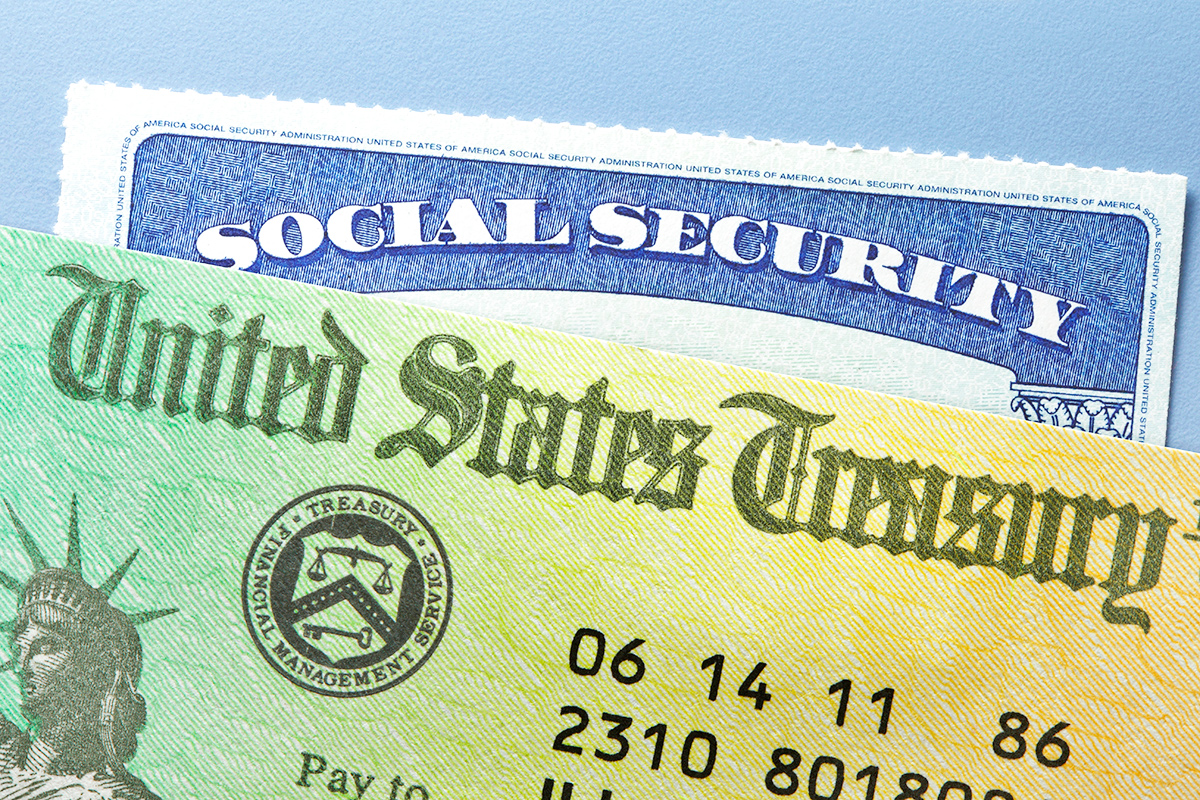
For millions of Americans, Social Security is the foundation of retirement security — so headlines saying that the program is running out of money can create a sense of panic. Americans have been told that the trust fund will be depleted, benefits could be cut by nearly one-quarter, and the program “will run dry.”
Those warnings aren’t entirely inaccurate, but they also aren’t the whole story. Here’s what an expert had to say.

Why the Headlines Are Misleading
Economists say the biggest misconception people have based on these headlines is that Social Security is going bankrupt. In truth, the situation is more complex — and less dire — than many Americans assume: Social Security is facing a serious funding gap, not an imminent collapse.
Today, Social Security is funded primarily through payroll taxes paid by workers and employers, with those taxes used to pay current benefits. But for decades, Social Security took in more in payroll taxes and other revenue than it paid out in benefits. Those surpluses were placed into the program’s combined trust funds, which are invested in Treasury securities and serve as a reserve when annual revenue falls short of benefit payments.
Social Security began drawing from those reserves in 2021, and the latest projections show they could be exhausted in late 2032, roughly a year earlier than previously estimated, following the passage of the One Big Beautiful Bill Act in 2025. (The act temporarily reduced revenue to the program, moving the deadline up slightly, but did not address the underlying long-term challenges driving the shortfall, including an aging population and a shrinking ratio of workers to beneficiaries.) If Congress takes no action, the Social Security Administration would only be able to pay benefits using incoming payroll tax revenue, resulting in an automatic reduction in payments of roughly 24% to all beneficiaries.
That’s an alarming number, to be sure — but that worst-case scenario does not mean Social Security would disappear.

Reader Favorites



“The way I put it to people is that there are two ways to think about it,” Kathryn Anne Edwards, an economist and co-host of the Optimist Economy podcast, tells Better Report. “No. 1: You pay into Social Security with every paycheck, so it can’t run out of money as long as there are workers in our country. … It can have not enough money … but that’s not the same thing as going bust.”
Secondly, Edwards says, is that “the program is 91 years old. It’s older than 99% of Americans. It’s been through presidents and Congress — people who are amazing leaders, people who are terrible leaders — and it keeps over 20 million people out of poverty in the U.S. It has a higher approval rating than Congress has ever had. So who do you think is going to be there at the end? I’m going to put my money on Social Security.”
If the reserve runs out, payroll taxes will continue flowing into the system, covering roughly three-quarters of promised benefits. For the average retired worker receiving about $2,071 a month in Social Security benefits today, that would mean a monthly check of roughly $1,575 instead — a reduction of nearly $500 a month, or almost $6,000 a year.
It’s a large gap that could make a huge difference to Americans who rely on Social Security as a major part of their income. But the looming shortfall is not a new problem, and it isn’t one that arrived overnight.

Why Experts Aren’t Panicking
The impending shortfall may feel sudden because the projected date is just six years away, but the underlying problem has been known for decades.
“Not much has actually changed since almost 1985,” Edwards says, referring to the first Trustees Report that warned about the program’s potential long-term funding shortfall. “It took two massive hits in the ’80s and in the Great Recession, but the idea that Social Security’s current tax and benefit structure will not last for 75 years is an idea that is 41 years old.”
The fundamentals remain largely the same: Baby boomers are retiring, Americans are having fewer children, and there are fewer workers contributing payroll taxes for each retiree collecting benefits. At the same time, rising income inequality means a growing share of national earnings isn’t subject to Social Security payroll taxes, further straining the program’s finances. (For 2026, the maximum amount on which Social Security tax is paid is $184,500, and as Kevin Thompson, CEO of 9i Capital Group, explained to Newsweek, “Incomes on the lower end are not bringing in enough of a tax base given the fact they have not risen as fast as higher incomes, which are beyond the cap.”) .
“You might be new to hearing about the problem because we’re getting closer to the trust fund depletion date,” Edwards says. “But nothing fundamentally has changed about Social Security or its solvency in almost 41 years.”
Congress Has Plenty of Time To Act
Perhaps the biggest reason experts say panic isn’t warranted is that lawmakers still have years to address the shortfall.
Congress has repeatedly stepped in before Social Security reached a breaking point, but Edwards is skeptical that lawmakers will reach a solution before the deadline is looming. “Whenever [the deadline] runs out,” she says, “they’re going to do their thing two weeks before it.”
That’s a view informed by history. In 1983, the trust fund was just three months away from being depleted. Rather than letting a benefit cut go through, lawmakers passed bipartisan reforms to Social Security, raising the retirement age and increasing payroll taxes, among other measures. “It was like a ticking clock,” Edwards says. “People were like, ‘Just do something.’ Yeah, that’s not great, but at least we know this is probably what’s going to happen [this time].”
The bottom line, Edwards says, is that “Congress has never let [a benefit cut] happen before. … Once it’s clear to Congress that they’ll be individually blamed for Social Security being cut, they’ll act.”

What Can Americans Do Now?
Rather than panic, Edwards says Americans should pay attention to where their elected officials stand on Social Security by asking them directly.
“If people feel strongly about Social Security, they should pick up the phone and call their member of Congress and ask, ‘Are you going to cut my benefits?’” she says. “And if they say yes, vote them out.”
Polling suggests voters across the political spectrum overwhelmingly oppose benefit cuts and generally favor raising additional revenue instead, including proposals such as lifting the payroll tax cap on high earners.
“There is no reason we have to cut benefits,” Edwards says. “There are lots of ways to raise revenue that Americans support.”
The stakes for voters are also immediate. The senators elected in November’s midterms will be in office when Social Security’s current projected trust fund depletion date arrives in 2032. Their decisions in the years ahead could determine whether the program faces benefit cuts, new revenue measures, or another compromise altogether.
The message for Americans is simple: Social Security is facing a serious challenge but not an immediate disappearance. The system has survived nearly a century of political battles, and its future will depend on whether lawmakers can find a solution before the clock runs out.
Featured Image Credit: © DNY59—iStock/Getty Images
More From Our Network
Better Report is part of Inbox Studio, an email-first media company. *Indicates a third-party property.







Jennifer M. Wood has been writing about news, entertainment, culture, and travel for longer than she cares to admit. She lives just outside Philadelphia with her husband and an ever-growing menagerie of rescue pets.
This article is for general informational purposes only.
Affiliate Disclaimer Medical Disclaimer Financial Disclaimer