Does Going Outside With Wet Hair Really Make You Sick?

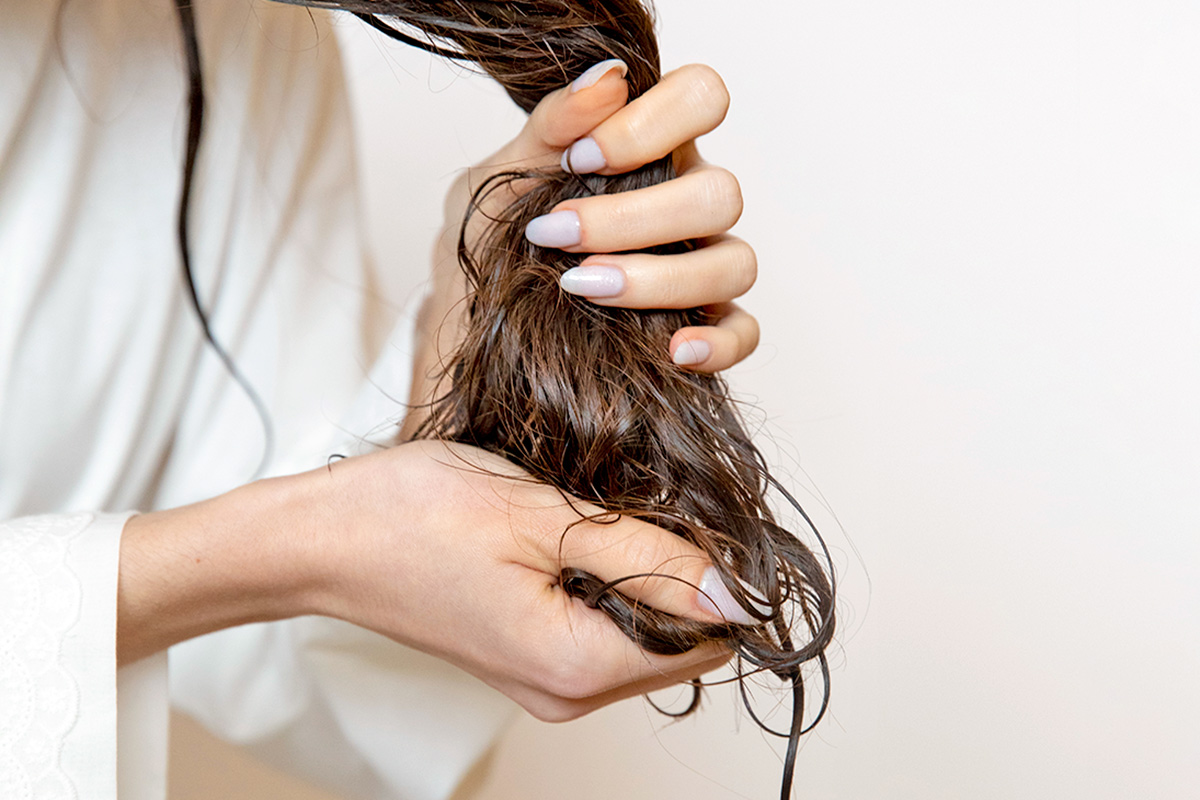
It’s a warning you probably heard as a kid: “Dry your hair before you go outside or you’ll catch a cold!” But most of us have dashed out the door with a damp head at least once. Did doing so really put you at risk for a cold or the flu?
Having wet hair in chilly weather might make you feel cold, but that’s not how catching a cold works. With all due respect to parents who have probably preached this, the causes of the common cold, the flu, and COVID-19 are all viruses — not wet hair or even cold weather.

Where Did This Myth Come From?
Nobody knows for sure where this myth originated, but one theory points to a 19th-century experiment by famed scientist Louis Pasteur, who found that chickens are naturally resistant to anthrax. Pasteur hypothesized that was because of their high body temperature and wanted to see if lowering it made them more susceptible.
When Pasteur exposed a chicken to anthrax and lowered its temperature, it contracted anthrax and died. He repeated the experiment with a chicken he later warmed in a blanket. That chicken became sick but ultimately recovered. His experiment showed that body temperature can influence how animals fight infections — but cold itself doesn’t cause infections.

Reader Favorites



Scientists soon started trying to replicate these results in humans with lowered body temperatures. One study of World War I soldiers compared men stationed in the barracks to those out in cold, wet trenches for 72 hours and found that the soldiers in the trenches were four times as likely to develop colds. Another from the 1940s showed that women reported being sick more often during cold, rainy weather versus chilly days with sun. These studies seemed to show that being in the cold did indeed lead to illness.
Then, in the 1950s, it was discovered that viruses cause colds. Scientists thus began to test whether exposing subjects to a cold virus and lowering their body temperature would make them more susceptible to getting sick. However, multiple studies found that lowered body temperature doesn’t increase the chance of catching a cold or affect the severity of one, and by 1968, researchers in Texas declared the case closed, writing, “Further studies seem unwarranted.”

Why the Old Wives’ Tale Persists
But there probably is a reason the wet hair old wives’ tale persists. As your hair dries, water evaporates from its surface, which pulls heat away from your body (similar to what happens when you sweat). That can make you feel colder, especially if it’s chilly or windy outside.
But feeling cold isn’t the same thing as having a cold. To develop a cold or the flu, you have to pick up the virus that causes it, usually through respiratory droplets or contaminated surfaces. Your wet hair doesn’t create a virus where there isn’t one.
You might get more respiratory infections during colder months, but that has nothing to do with wet hair. Cold weather can dry out the mucus membranes in your nose that serve as your first line of defense against viruses. Chilly temps also cause the blood vessels in your extremities to constrict to conserve heat, which makes it harder for virus-fighting cells to reach your nasal passages and fight off pathogens you come into contact with. You’re also spending more time indoors, where it’s easier for viruses to spread. Dr. Matthew Binnicker, co-director of the Clinical Virology Lab at Mayo Clinic, said lower humidity plays a role as well: Droplets from coughing and sneezing that might contain a virus can spread further and hang in drier air longer.
So if you’re running late, don’t worry about skipping the hair dryer. You can grab your coat and feel safe knowing your wet hair won’t do anything more to give you a cold than a bowl of chicken soup will do to cure one.
Featured Image Credit: © Lourdes Balduque—Moment/Getty Images
More From Our Network
Better Report is part of Inbox Studio, an email-first media company. *Indicates a third-party property.







Sarah Gleim is an Atlanta-based freelancer with more than 25 years of experience writing and producing explainers and features about history, science, food, and health for media outlets like AARP, WebMD, The Conversation, History.com, HowStuffWorks, CNN, and others. She’s also the editor of several cookbooks for Southern Living and Cooking Light.
This article is for general informational purposes only.
Affiliate Disclaimer Medical Disclaimer Financial Disclaimer