How To Spot a Bank Spoof Call


Getting a call or text from your bank isn’t something you typically think twice about. You might even feel relieved to see your bank’s name or phone number pop up, especially if they’re calling to let you know there’s a problem with your account.
But what if it only looks like your bank is contacting you?
Bank spoofing scams are designed to do exactly that. Scammers can manipulate caller ID, phone numbers, text messages, emails, and other details to make an interaction appear to come from a legitimate financial institution. They may claim there’s suspicious activity on your account, a problem with a payment, or an urgent security issue — then ask you to verify information, provide a code, or move your money into another account.
How To Avoid a Bank Spoofing Scam
In 2025, the Federal Trade Commission (FTC) reported that Americans lost $3.5 billion to impostor scams, nearly three times the amount reported in 2020. Impostor scams were also the most commonly reported type of fraud, accounting for roughly one in three fraud reports. A survey from the Bank Policy Institute found that the average number of identified scams per bank increased by a whopping 150% between 2024 and 2025 alone.
Fortunately, you don’t have to be a fraud expert to protect yourself. There are some telltale signs that can help you recognize a bank spoof before you hand over any compromising information or, worse, send your money to a scammer.

Reader Favorites



Don’t Trust Your Caller ID
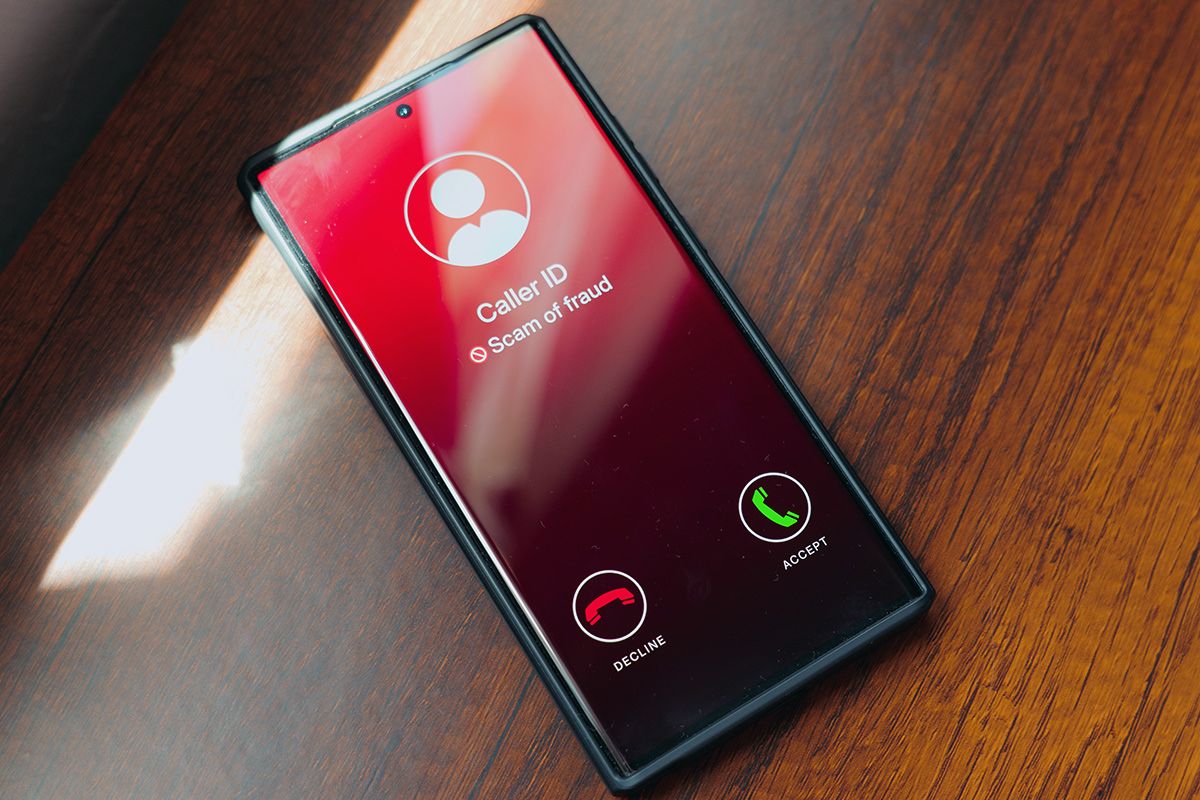
One of the most convincing things about a bank spoof can be the phone number itself. If the caller ID shows your bank’s name or number, it can be easy to assume the call is legitimate. Don’t fall for it.
Scammers can easily spoof phone numbers and caller ID information, making it appear as if a call is coming from a legitimate business. The same goes for texts and emails that use a bank’s name or logo (more on that in a bit). So, if you’re concerned that there really is a problem with your account, hang up and contact your bank using the phone number on the back of your debit or credit card, on its official website, or via its mobile app. (Do not just hit “call” on the number that called you, even if it appears to be the same number that’s listed on one of the aforementioned official sources.)

Urgency Is a Red Flag
One of the ways bank spoofing scammers are successful is by creating a sense of panic that makes the target feel they have to act immediately:Your account has been compromised. Someone is trying to make a purchase. Your money is about to be transferred. You need to verify your identity right now.
That urgency is part of the scam. The less time you have to stop and think, the less likely you are to notice something suspicious.
A legitimate fraud department may contact you about suspicious activity, but an unexpected request for immediate action should still be treated cautiously. Instead of responding to the incoming call or message, contact the bank yourself through an official channel.
Some scammers are also upping the scare factor by pretending to be the FBI. “[The potential victims] are already frazzled, and when they are making these decisions, the criminal then starts to rush them more,” Robert Richardson, a special agent with the FBI Chicago Field Office, told ABC7. “The more they are rushed, the more decision-making they make last-minute.”
Keep Your Security Code to Yourself
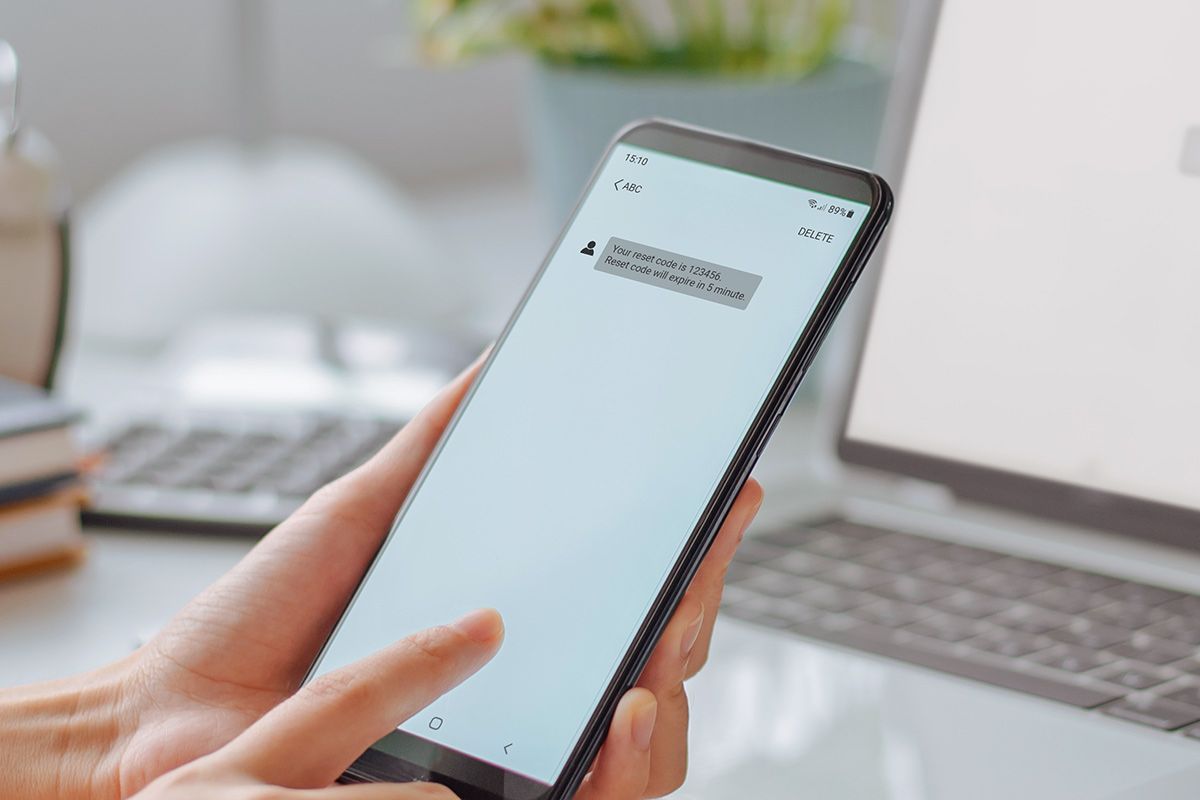
If someone claiming to be from your bank asks you to read back a one-time verification code that was just sent to your phone, that’s a major red flag.
Those codes are designed to help verify that you are the person accessing an account. A scammer who already has your username, password, or other banking information may be trying to get the final piece they need to log in. Don’t share a one-time passcode with someone who contacted you unexpectedly, even if the caller seems to know personal information about you or appears to be calling from your bank.
It’s also a good idea to avoid answering any questions, even if the answers are only “yes” or “no.” Not only does this tell the scammer that your phone is active — therefore confirming that you’re a potential target for future scams — but they may be recording your voice in order to authorize purchases on your credit cards or so they can feed it into AI voice cloning technology to use in other crimes.
Be Suspicious of Requests To Move Money
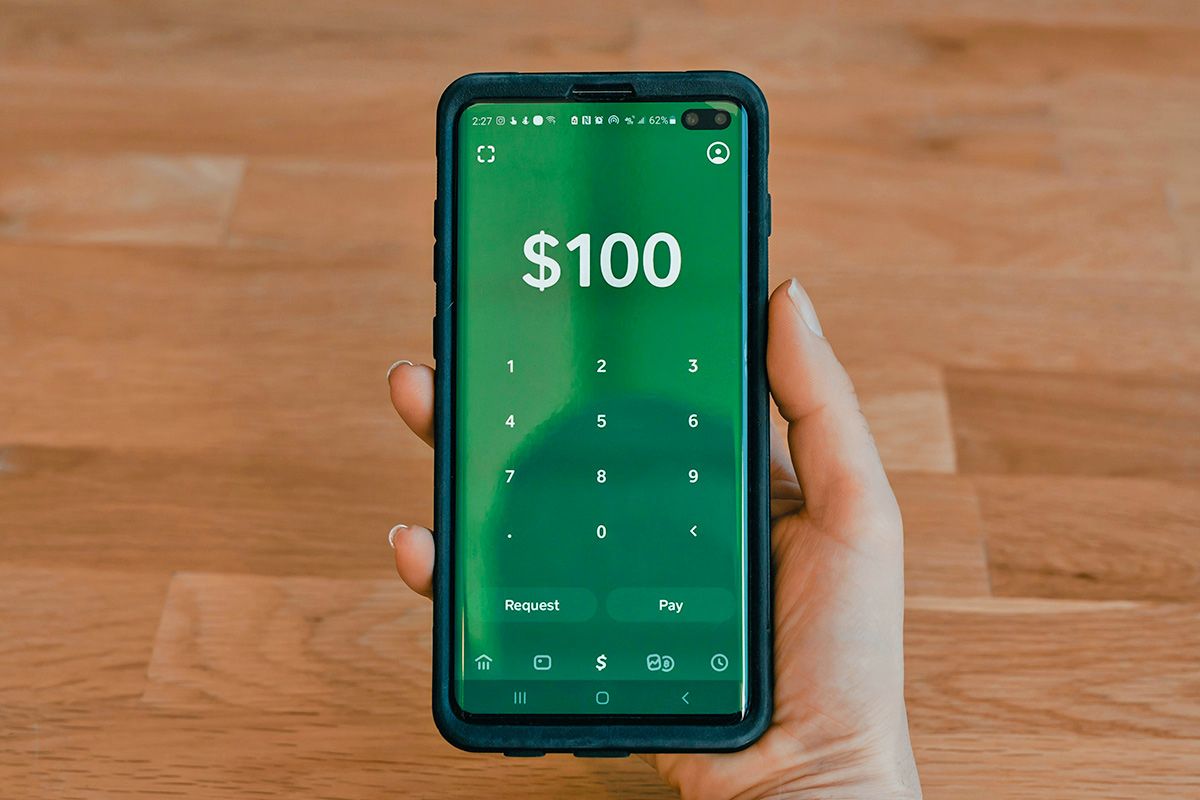
Perhaps the biggest red flag is being told to move your money to a different account in an effort to “protect” it, whether it’s another bank account or transferring money through a popular service like Venmo or Zelle.
A scammer may claim that your account has been compromised and that the only way to keep your money safe is to transfer it somewhere else. They may even provide instructions for how to do it. That’s not protecting your money — that’s you sending it directly to the scammer.
Never transfer money to another account because someone tells you to do so. If you’re worried about your account, end the conversation and contact your bank directly.

Don’t Click First and Ask Questions Later
Bank spoofing isn’t limited to phone calls. You may receive a text or email warning that your account has been locked, a payment was declined, or suspicious activity has been detected.
The message may contain a link that takes you to a website designed to look like your bank’s real site. If you enter your username, password, or other secure information, you’ve potentially handed it directly to the scammer. Instead of clicking the link, log on to your bank’s official website or app to see if you’ve been alerted to the same issue.

What To Do If You Think You’ve Been Scammed
If you realize you’ve given information — or sent money — to a potential scammer, don’t panic. Acting quickly can help limit the damage.
Contact your bank immediately. Again, use the phone number on the back of your debit or credit card, or the one listed on their official website or app. Tell the bank exactly what happened and ask what steps you should take to secure your account. If you gave the scammer your account credentials or a one-time verification code, let them know.
Change your passwords. If you gave away a username or password, change it immediately. If you used the same password anywhere else, change it there, too — as well as any other passwords you may have had saved to your computer. Start with your email account, since access to your email can potentially give a scammer a way into other accounts.Watch your accounts closely. Look for unauthorized transactions, new accounts, or other activity you don’t recognize or didn’t authorize. Keep checking your bank and credit card accounts even after you’ve contacted the bank.
If you sent money, report it right away. Depending on how you paid, your bank or payment provider may be able to stop or reverse the transaction, but there’s no guarantee it will. (As the Government Accountability Office notes, “payment scams often occur through payments that were authorized by victims themselves — meaning the victims were deceived into making the payments to the scammer. In these cases, financial institutions are not generally required to reimburse victims.”) Even if the money has already been deducted from your account, don’t assume it’s too late — the sooner you report it, the better.
Report the scam. You can report fraud to the Federal Trade Commission at ReportFraud.ftc.gov. If you gave a scammer personal information that could be used for identity theft, you can also visit IdentityTheft.gov for guidance on what to do next.
Being fooled by a convincing scam is nothing to be embarrassed about. These schemes are specifically designed to look legitimate and create a sense of urgency. The important thing is to act quickly once you realize something is wrong.
Featured Image Credit: © ArtMarie—E+/Getty Images
More From Our Network
Better Report is part of Inbox Studio, an email-first media company. *Indicates a third-party property.







Jennifer M. Wood has been writing about news, entertainment, culture, and travel for longer than she cares to admit. She lives just outside Philadelphia with her husband and an ever-growing menagerie of rescue pets.
This article is for general informational purposes only.
Affiliate Disclaimer Medical Disclaimer Financial Disclaimer