10 Cleaning Mistakes That Contaminate Cookware (and How To Correct Them)

All featured products and deals are selected independently and objectively by the author. Better Report may receive a share of sales via affiliate links in content.
Your kitchen is likely the heart of your home: a place where you have fun, spend time, and make memories with friends and family. Many of those things probably involve cooking and baking, and cooking and baking mean (ugh) cleaning up afterward.
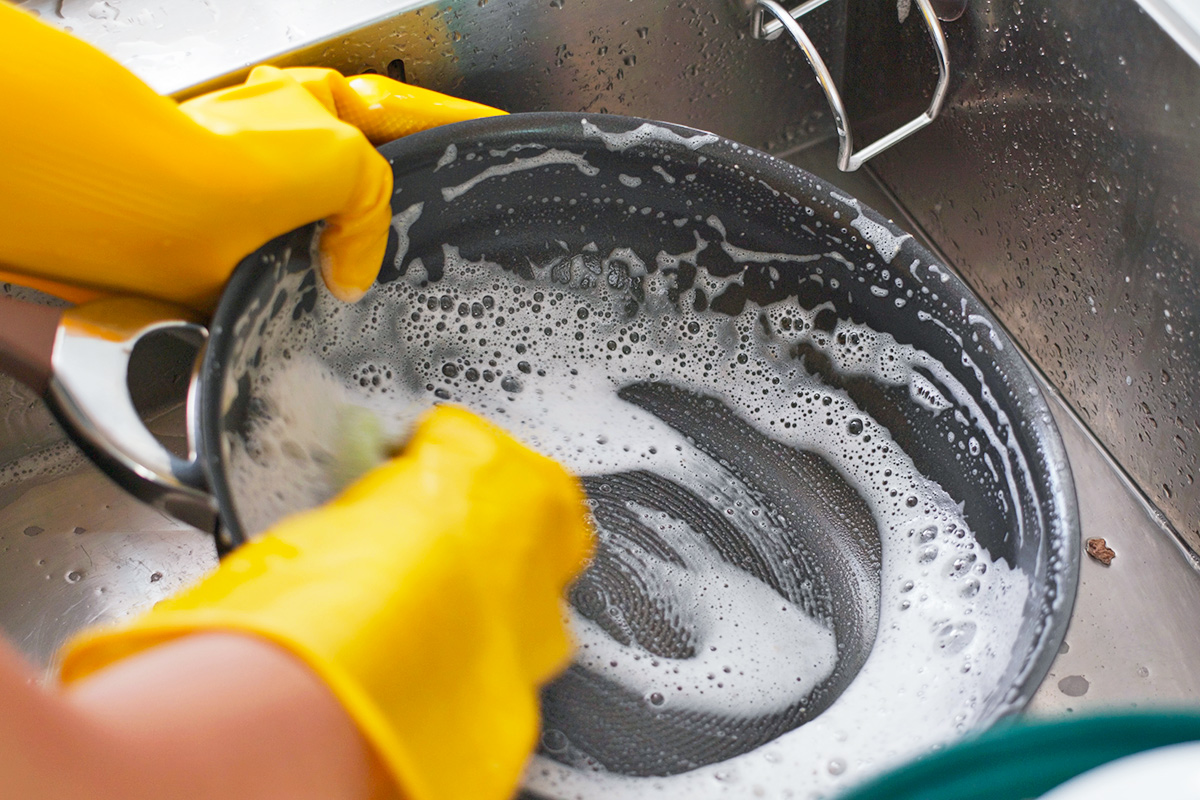
Doing dishes is something few people actually like, but it has to be done. So we do it. But a lot of us have bad cleaning habits that can leave cookware and utensils contaminated, threatening the safety of our food and potentially resulting in food poisoning. After I became a chef, and later a food safety trainer, I was frequently startled to learn how many things I’d taken for granted as a home cook that actually put my family at risk. Here are 10 examples.
Not Sanitizing Your Sponge or Cloth Regularly
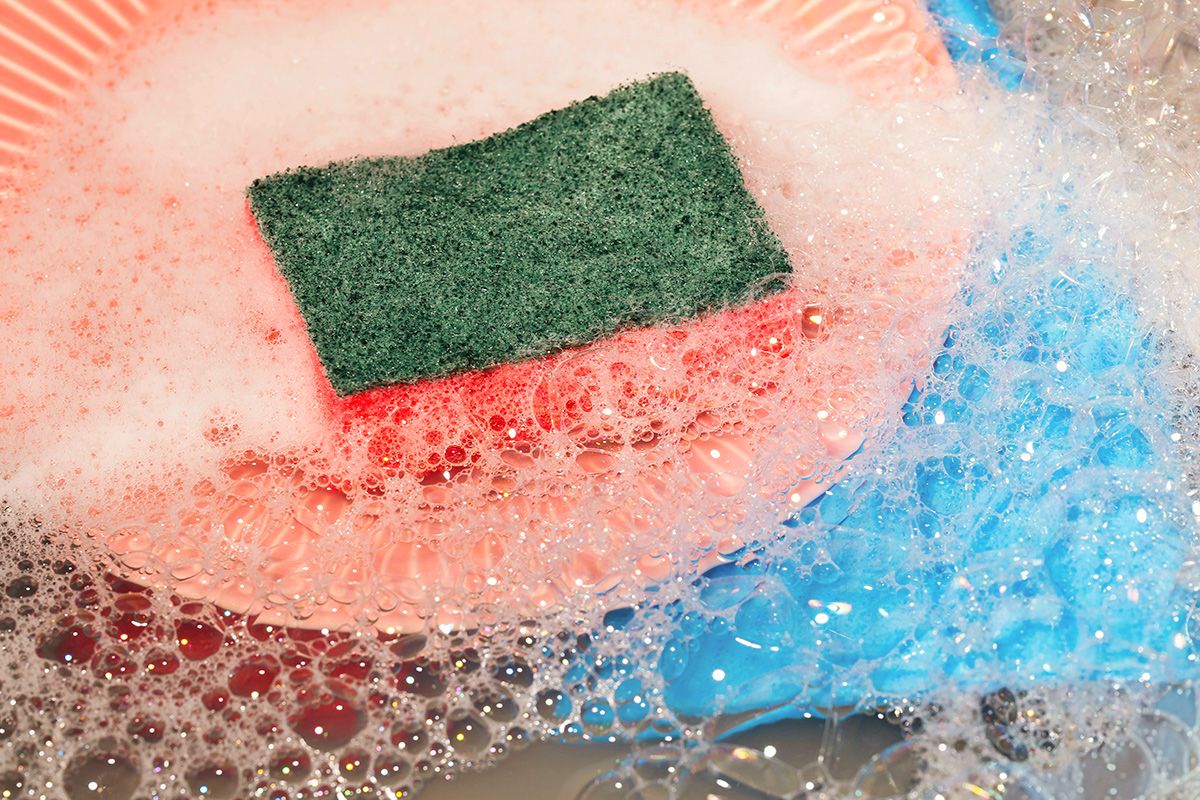
One of the first lessons I learned in culinary school was the difference between cleaning and sanitizing. Cleaning removes visible dirt or food residue; sanitizing afterward kills any remaining bacteria. And the most important thing to sanitize is often the cloth or sponge you use to clean everything else in your kitchen.

Reader Favorites



It makes sense, because the last thing you want to do is add bacteria to your pots and pans while you’re trying to clean them. If you use a cloth for cleaning dishes and cookware, rinse it thoroughly after each use and let it dry. Bacteria need moisture to reproduce, so this helps keep your cloth sanitary. Replacing it with a clean one every day or two is also important.
Sponges should be rinsed well and then soaked in pure bleach for a minute, thrown into your laundry, or run through your dishwasher on a hot-water cycle with hot drying as well. Even with all that sanitizing, though, you should use a sponge for a maximum of two weeks, so a better bet is to switch to a brush: They retain less food waste and bacteria, and they’re easier to clean and dry.
Soaking Your Cookware for Hours
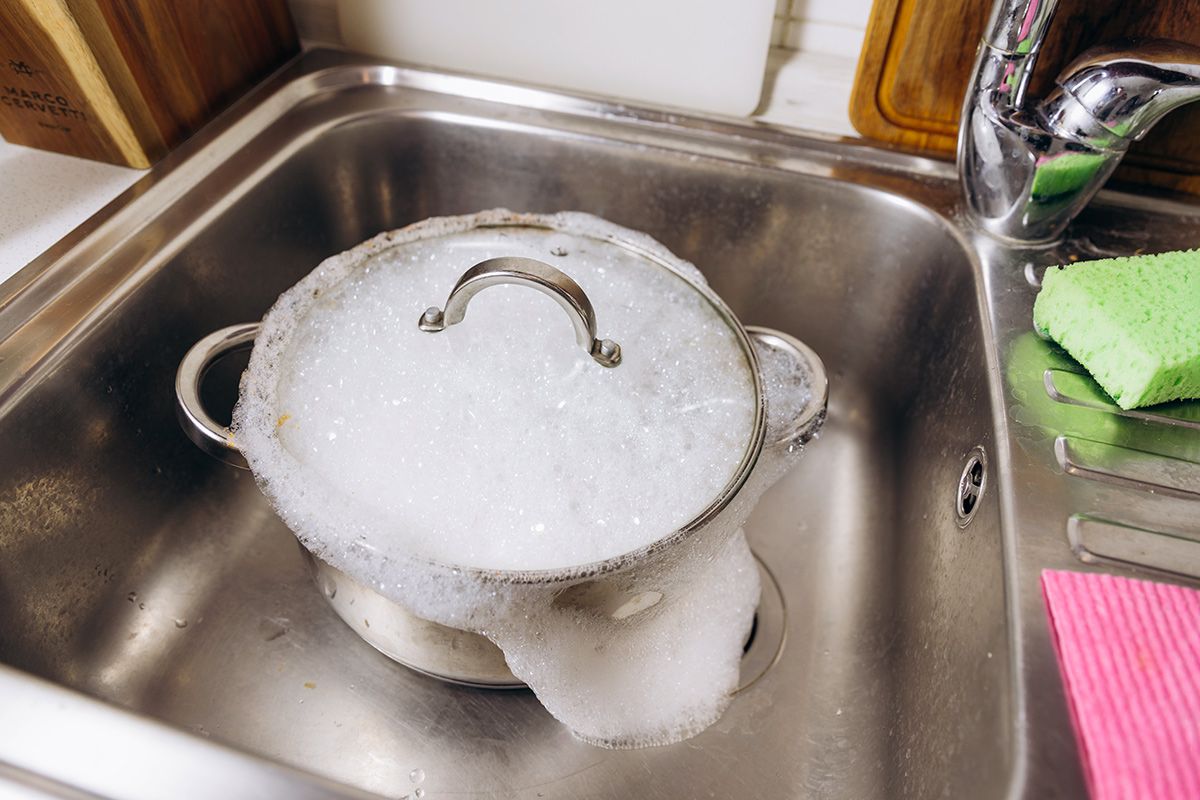
Marinating can be a good thing when you’re getting food ready for the grill. But it’s a bad thing to let your cookware “marinate” in a sink full of water overnight, especially if it’s the same dish water you’ve used to clean everything else. Hot water typically needs to be above 170 degrees Fahrenheit to kill bacteria reliably, and your dish water probably isn’t that hot. So the longer you leave your cookware in the water, the higher the likelihood that bacteria will find its way into seams and crevices.
This can include cracks in enameled cookware, scratched spots on cast iron or aluminum, and places where a nonstick coating has been scraped away. The seam where a utensil’s handle meets the business end is another danger spot. Wooden utensils will absorb dirty water, and they can swell and crack if they’re in it too long (and those cracks are bacteria magnets).
And when it comes to cookware, the handles themselves can often attract bacteria. You might think that doesn’t matter, because the handle doesn’t touch your food, but that’s actually not the case: Your hands touch the handle, and everything else as well.
Cross Contamination in the Sink
One of the big things we focus on in food safety training is cross contamination, which occurs when you handle something containing bacteria (such as raw chicken), then absentmindedly spread those bacteria to something that was previously safe.
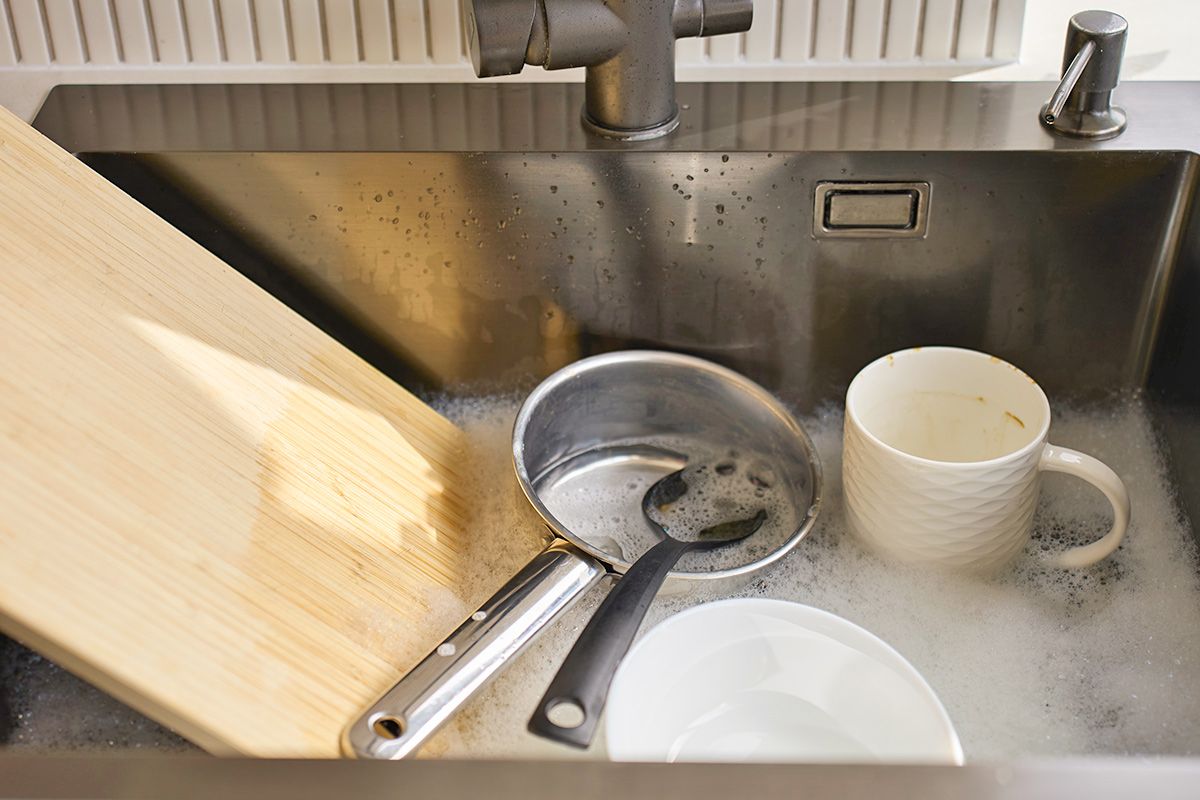
Your sink is one place cross contamination can happen very easily. It’s probably where you pour out the juices from meats and poultry, for example, and some people still like to rinse chicken before they cook it (don’t do it — it spreads germs). Similarly, dropping a cutting board full of meat juices into the water spreads bacteria around, including to cookware or anything else you put in afterward. It’s always best to segregate those things from your other dishes, wash them separately in extra-hot water, and then sanitize the sink.
One other thing: Don’t wash your dishes with your pet’s food or water dishes, which are a common source of unpleasant bacteria. You should be using separate cleaning utensils for them, too.
Putting Away Wet Cookware
Before I went to culinary school, I often tucked still-damp pans back into the cupboard, where I assumed they’d air-dry just fine.
Unfortunately, the inside of a closed cupboard isn’t actually a very good place for things to dry. Instead, the moisture lingers and provides a breeding ground for bacteria and mold spores, not to mention (in the case of cast iron or stainless steel) rust.
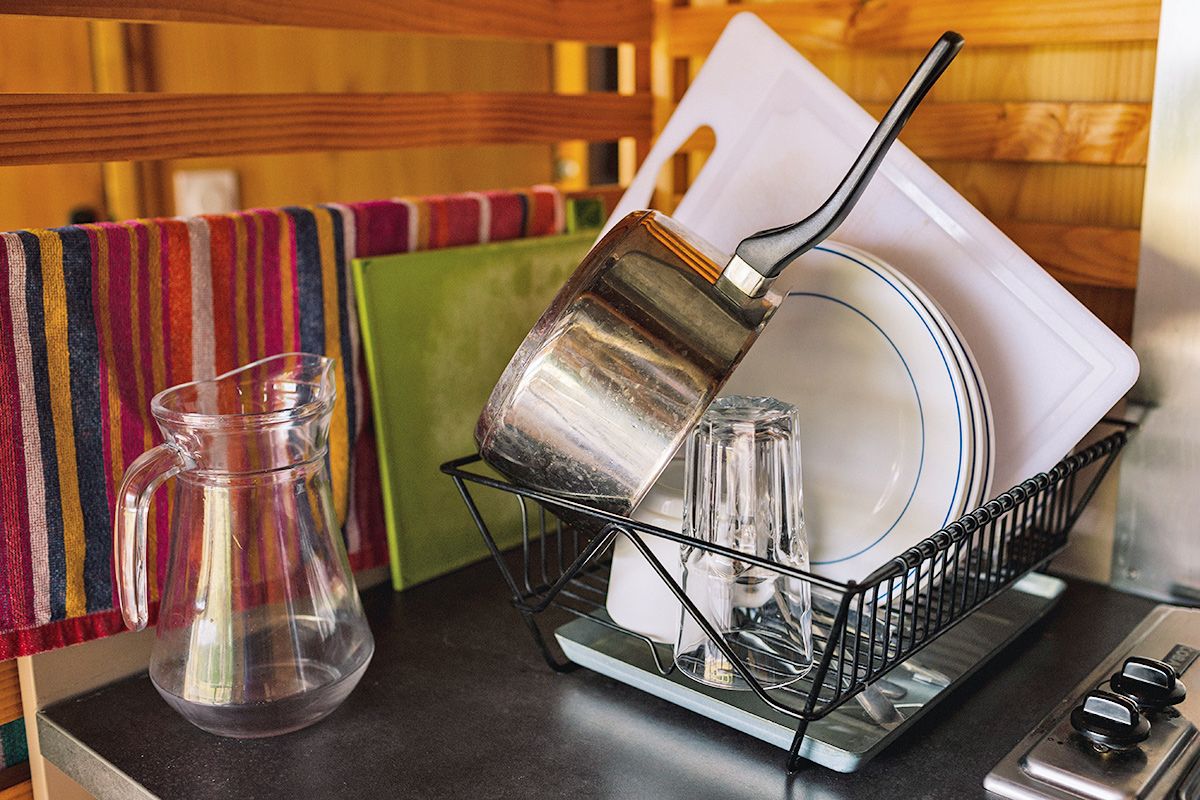
You can leave pots and pans in the dish drainer to air-dry, or dry them with a clean towel. Another option is to put them in a low oven (170 to 180 degrees Fahrenheit) for 10 to 15 minutes until they’re thoroughly dry.
One final tip: If you use silicone pan protectors, cloths, or cardboard between your pans to keep them from scratching each other, wash or replace those monthly.
Not Thoroughly Rinsing Your Cookware
Technically, the term “food poisoning” has a very narrow definition: It’s what happens when you’re sick specifically because of something toxic in the food. (Everything else falls under “foodborne illness,” a broader term.) Some bacteria do make you sick by producing a toxin (think botulism, or the nasty form of E. coli), but the source of the toxin can also be cleaning and sanitizing products. That’s why it’s mandatory in most jurisdictions for restaurants to carefully store them away from food-prep areas.
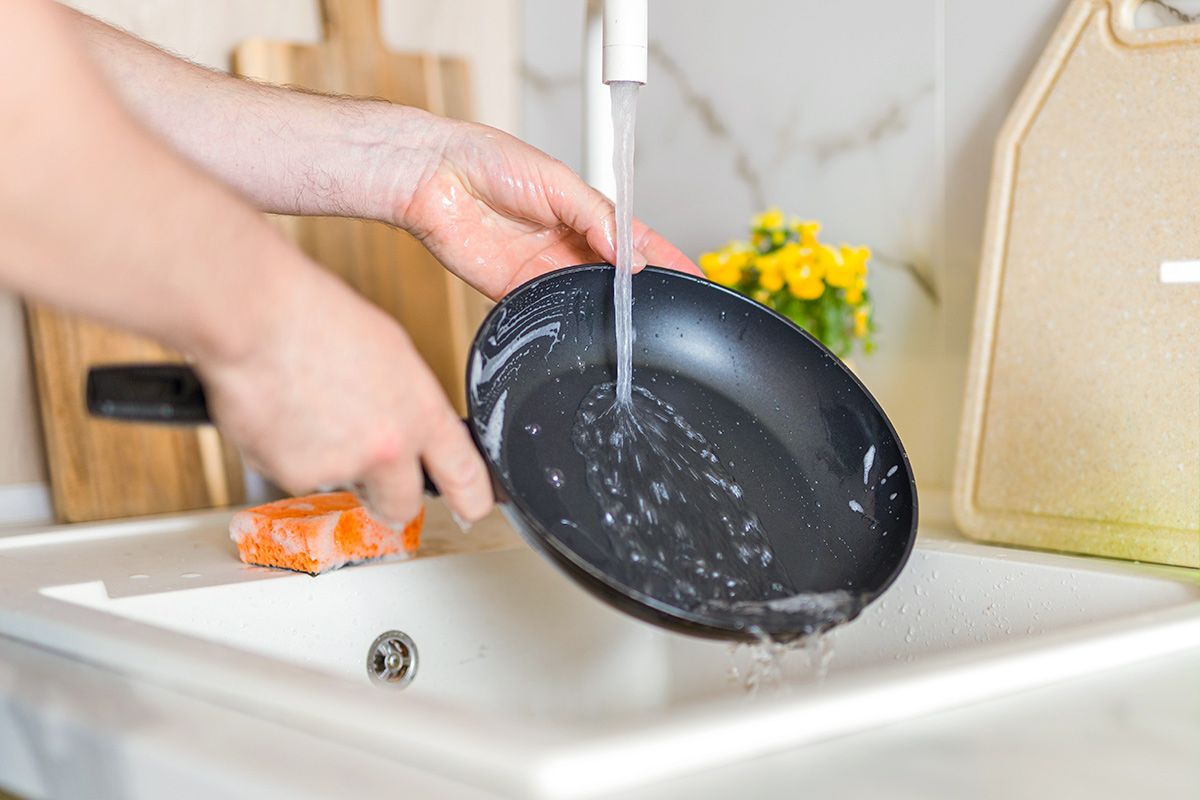
The dish soap you use at home is safe for use on surfaces that come in contact with food, because that’s its job. The same goes for common sanitizing agents such as bleach or hydrogen peroxide. But you’re not supposed to swallow them — that will make you sick. So make sure to thoroughly rinse your cookware and don’t leave any soap or sanitizing products behind, even when you’re watching your water use.
Not Cleaning Your Dishwasher Regularly
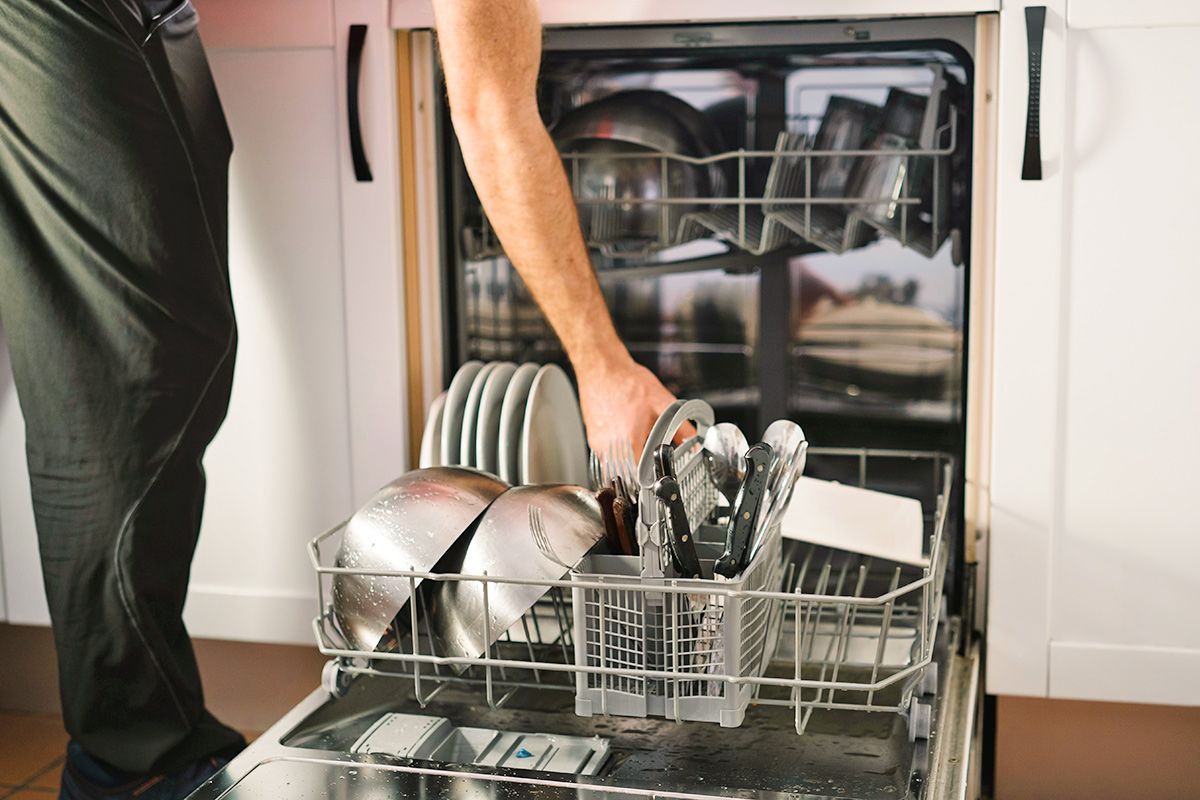
You probably put most of your dishes though the dishwasher, and most modern dishwashers have a pots and pans setting that will do a good job cleaning your cookware and utensils. But your dishwasher, despite being a cleaning tool, will still accumulate food debris and a sticky, gummy coat of gunk over time.
You can’t get clean dishes from a dirty sink and sponge, and dishwashers are much the same. They’re warm, damp, and filled with food debris, so they’re perfect breeding grounds for bacteria. Yes, they heat up to sanitizing temperatures during their cycle, but bacteria in some places may not be exposed long enough to be killed reliably. So make a point of giving your dishwasher a periodic deep clean to get the gunk out. I do mine once a month.
Neglecting Rivets and Seams While Washing Dishes
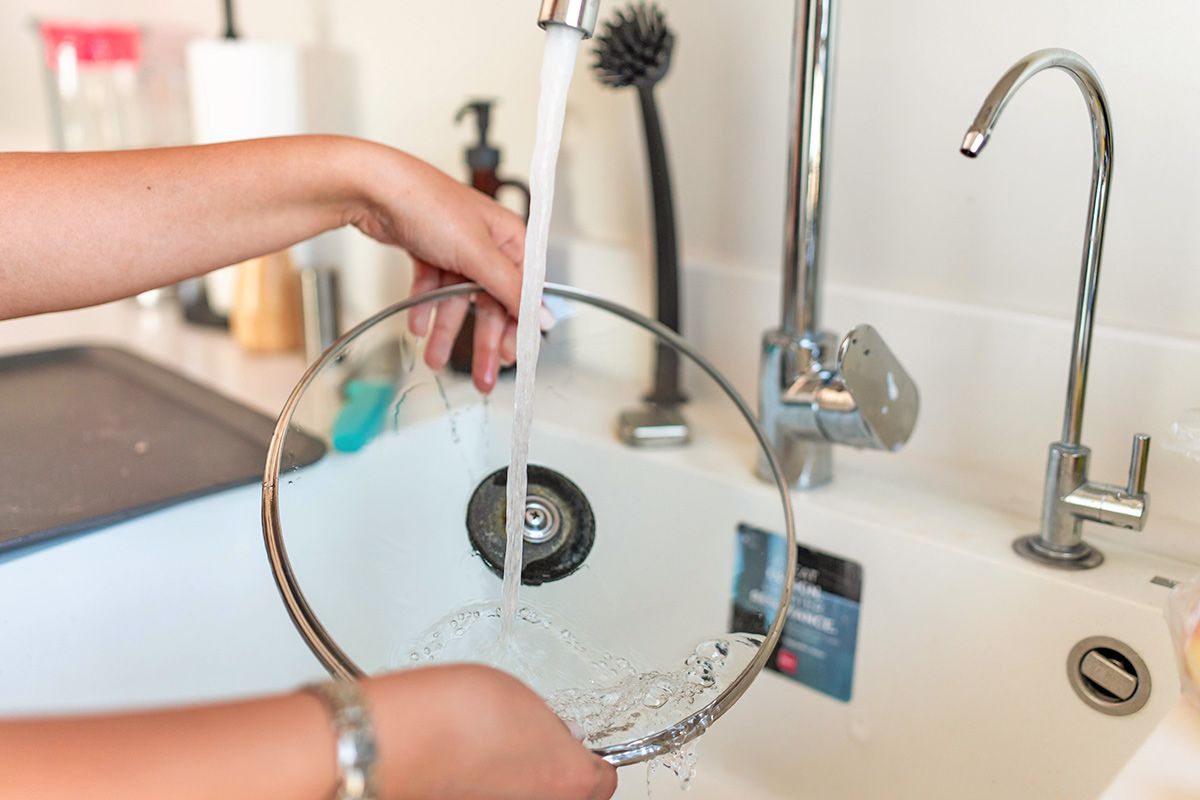
Even if you’re not oversoaking, bacteria will, over time, invade your cookware’s nooks and crannies. It’s good practice to regularly inspect your cookware, consider where bacteria might accumulate, and give those spots a deep clean.
The rivets that hold the handles to your pans, for example, often gather bacteria underneath their edges. And handles themselves can contain numerous crevices for bacteria to hide. If you’re able to, unscrew the handles, scrub them well with a brush (or boil them), and reattach them.
Pot lids often have similar problem spots around their handles, or where glass and metal meet in see-through lids. Brushes and toothpicks can help clean those tough spots; I’ve even used a tiny jeweler’s screwdriver. Peroxide is good, too, because it’s a sanitizer in its own right and can also bubble accumulated gunk out of small crevices.
Never Washing Your Cast Iron
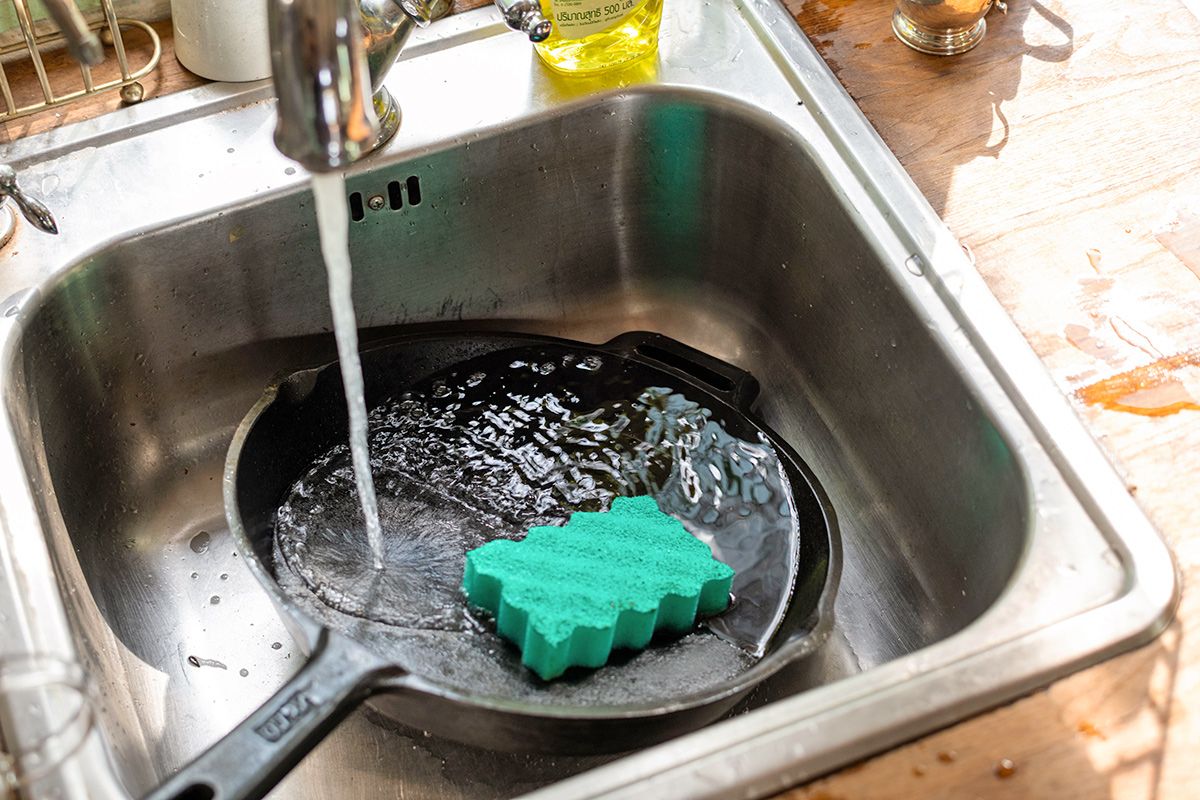
Here’s a fun experiment. Go to any food site and read their tips on getting that tough layer of cooked-on grease off of your sheet pans. Next, read their tips on how to protect cast iron’s layer of seasoning. Now, brace yourself for a shock: The grease and seasoning are the same thing. When oil gets cooked on at high temperatures, it forms a tough, long-lasting natural polymer (basically, organic plastic). That’s the black gunk on your sheet pans, and it’s also the seasoning on your cast iron.
The horror about washing your cast iron with soap and water is misplaced these days (a century ago, when people still used harsh lye-based soaps, may have been a different story). I shudder when I see people blithely cooking in a pan that still has bits of its last several meals stuck in the corners. Scrub freely. Use a soft brush or a cloth (not steel wool), rinse well and dry thoroughly afterward, and apply a (very) light coat of oil afterward to prevent rust.
Hand-Drying With a Dirty Towel
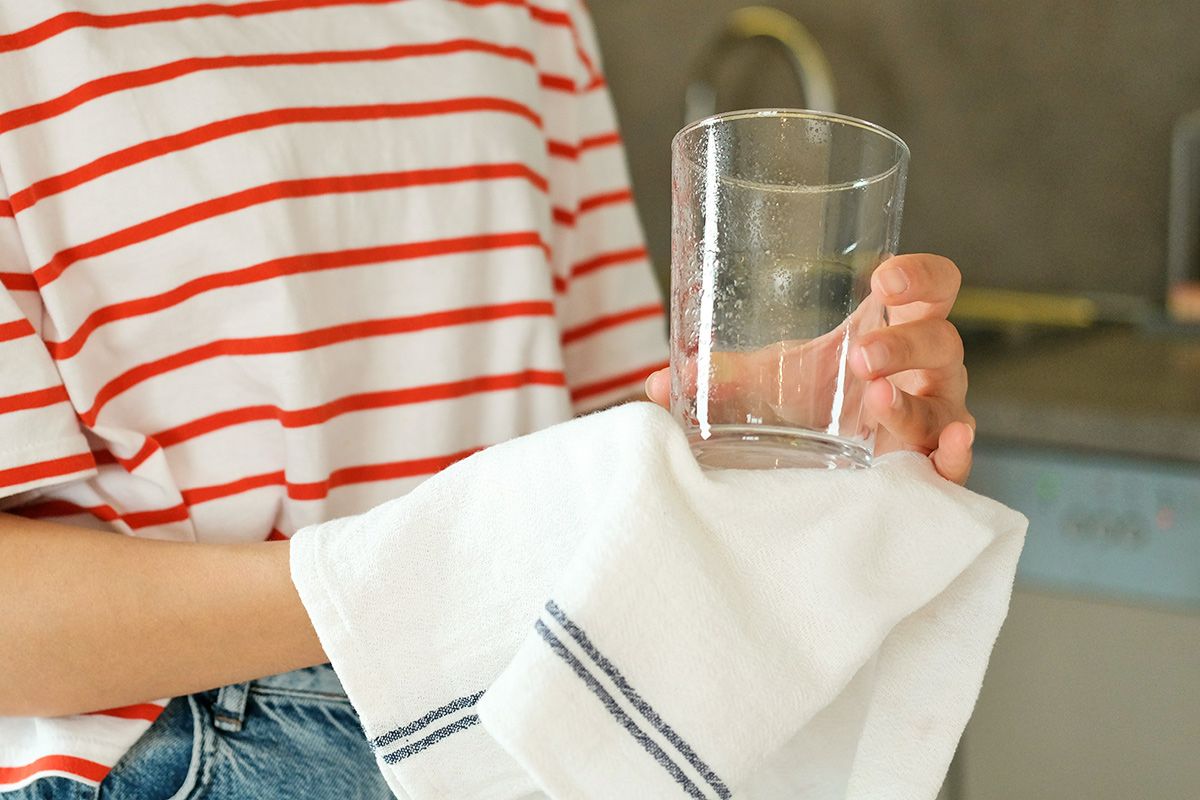
All those things I said earlier about washcloths and sponges apply to kitchen towels as well. You can do everything right, then undo it by drying the dishes with a towel that’s loaded up with bacteria — especially if you’ve used it for your hands as well as dishes.
This is a simple problem to fix: Just keep lots of kitchen towels on hand (they’re inexpensive), and make sure to replace your current one with a clean towel every day or two.
Neglecting Your Own Hands
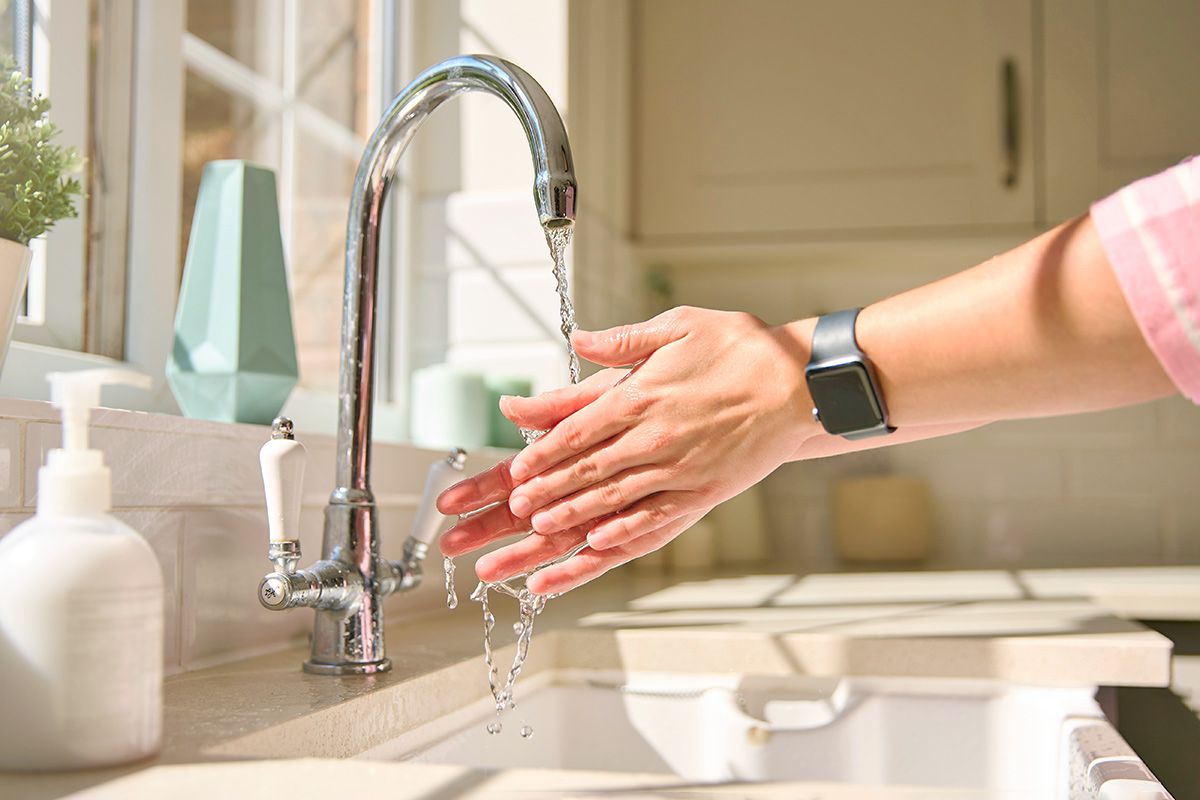
Your hands are the single biggest threat to food safety in your kitchen. That’s partly because we naturally have a lot of bacteria, like Staphylococcus aureus, living on our bodies. Mostly, though, it’s because we use our hands so much in the kitchen, and most of us don’t wash them enough.
If you handle something that’s contaminated with a pathogen or parasite, and then handle another dish, pan, or piece of food, you’re likely to spread that contaminant. It’s easy to remember when your hands are full of raw chicken juices or egg, but those aren’t always the culprits. So wash your hands between every kitchen task (or change gloves, which I wear because it’s easier on my hands), and you’ll be much less likely to contaminate your cookware while you’re trying to clean it.
Featured Image Credit: © leungchopan/stock.adobe.com
More From Our Network
Better Report is part of Inbox Studio, an email-first media company. *Indicates a third-party property.






Fred Decker is a trained chef and former restaurateur. Since closing his restaurants over a decade ago he has been a prolific freelance writer, publishing several thousand articles on dozens of high-volume websites including Taste Of Home, Hunker, Tasting Table, Week&, eHow, and GOBankingRates. He lives on a rural acreage shared with a big garden, chickens, rabbits, and grandkids.
This article is for general informational purposes only.
Affiliate Disclaimer Medical Disclaimer Financial Disclaimer