5 Vegetables You Should Never Store in the Fridge

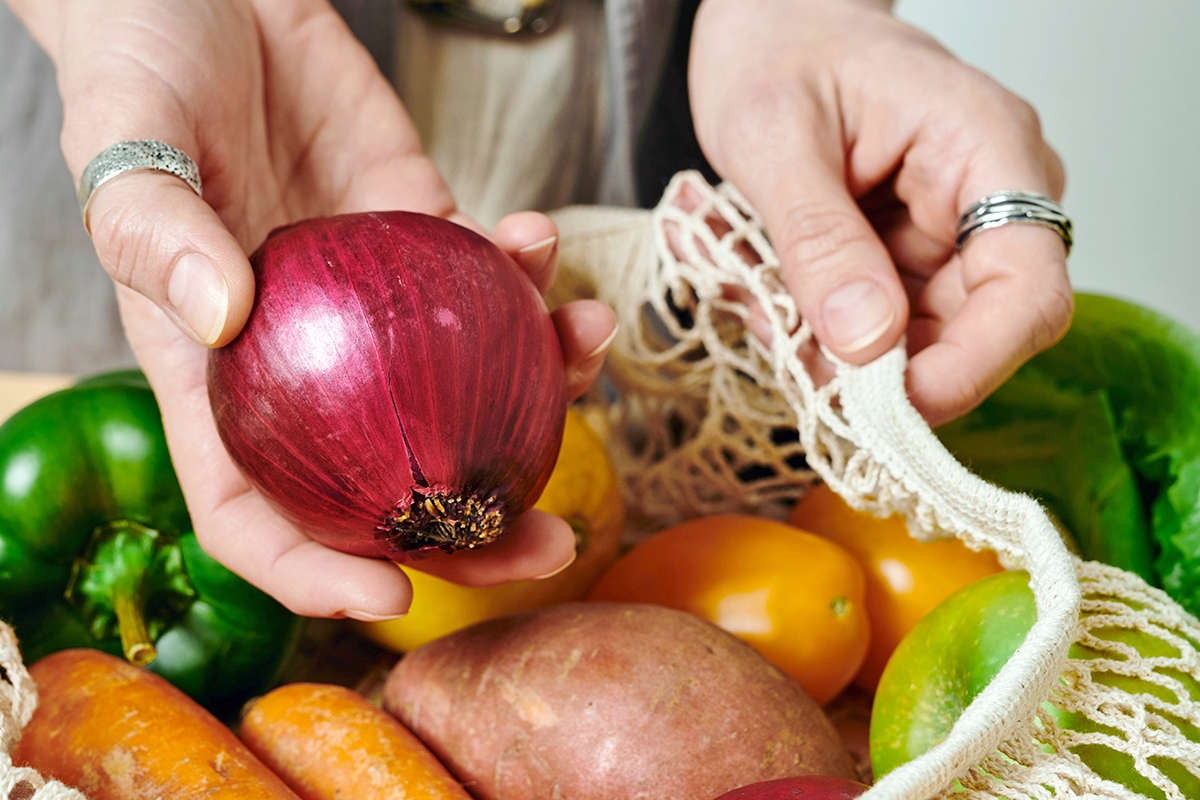
It can be tempting, after a trip to the grocery store, to throw anything that’s seemingly perishable into the fridge. And while it’s true that the fridge keeps many foods good for far longer than they would be outside of it, that’s not true of all foods. In fact, refrigerating certain foods actually decreases their shelf life. We all know the usual suspects that don’t belong in the fridge (tomatoes, avocados, and bananas, for example), but the vegetables below may surprise you.
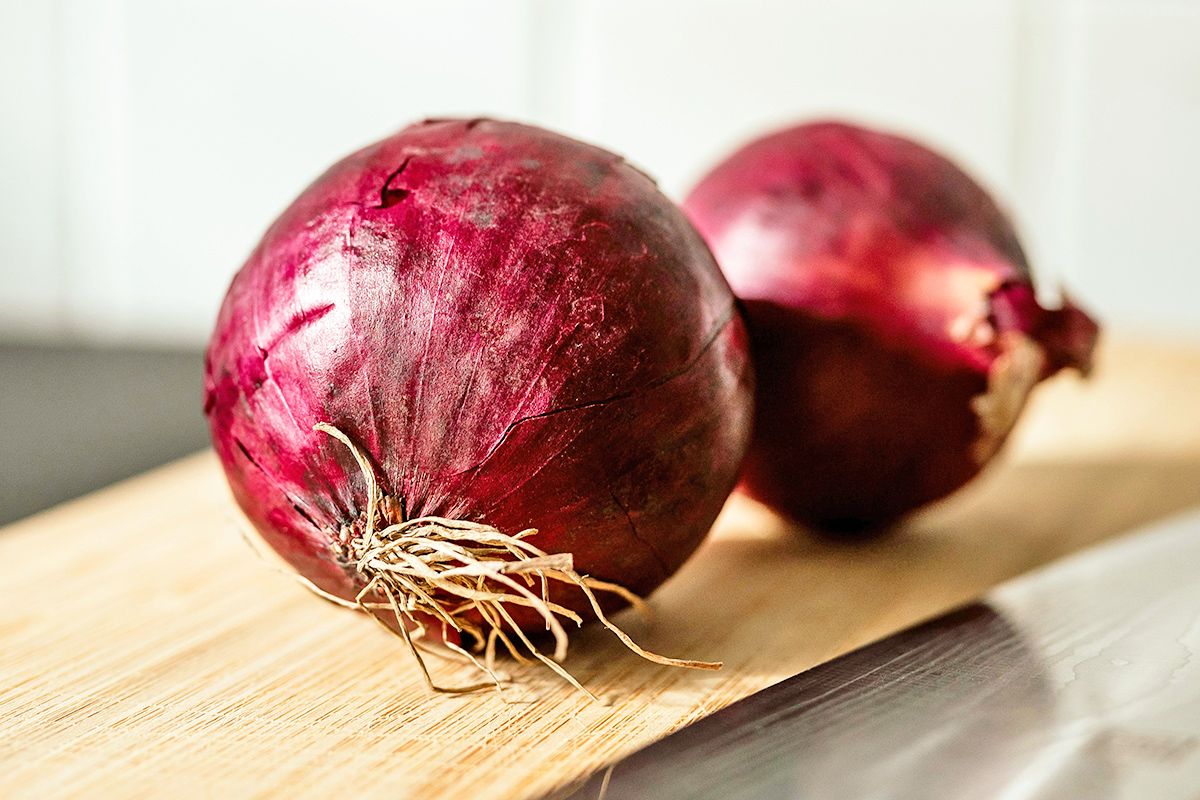
Certain Onions
There are some onions, such as scallions, that should go in the fridge — but yellow, white, and red onions don’t belong there (unless they’ve been peeled or cut). Your fridge is both cold and humid, creating an environment that causes them to go soft and spoil. Instead, store them in a perforated bag or mesh basket in a cool, dark spot that gets lots of ventilation. Avoid plastic bags, which encourage mold growth, and don’t place them in a well-lit area, which will cause them to sprout and change their flavor.
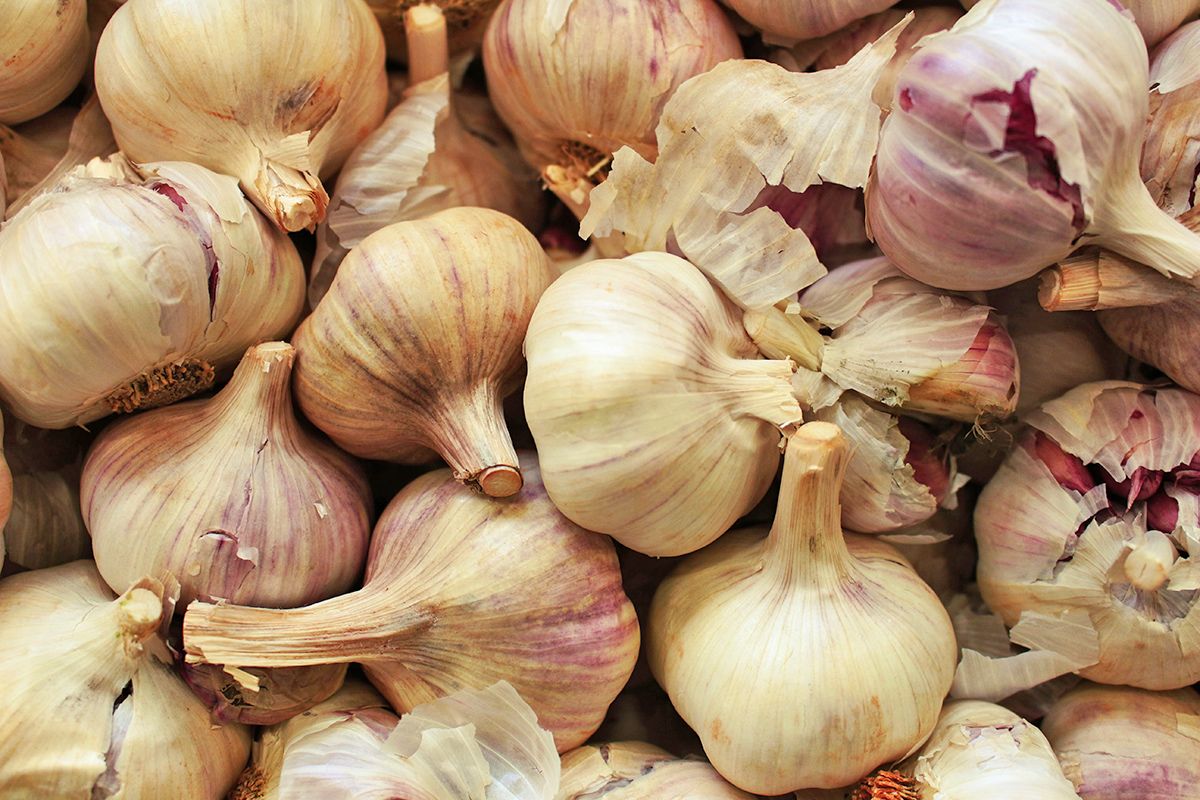
Garlic
Storing bulbs of garlic in the fridge will cause them to go soft and sprout — and while you can still eat those sprouts, they tend to taste pretty bitter. To keep your garlic fresh for as long as possible, store the bulb whole in a dark, cool place such as your pantry, and make sure it’s well ventilated.
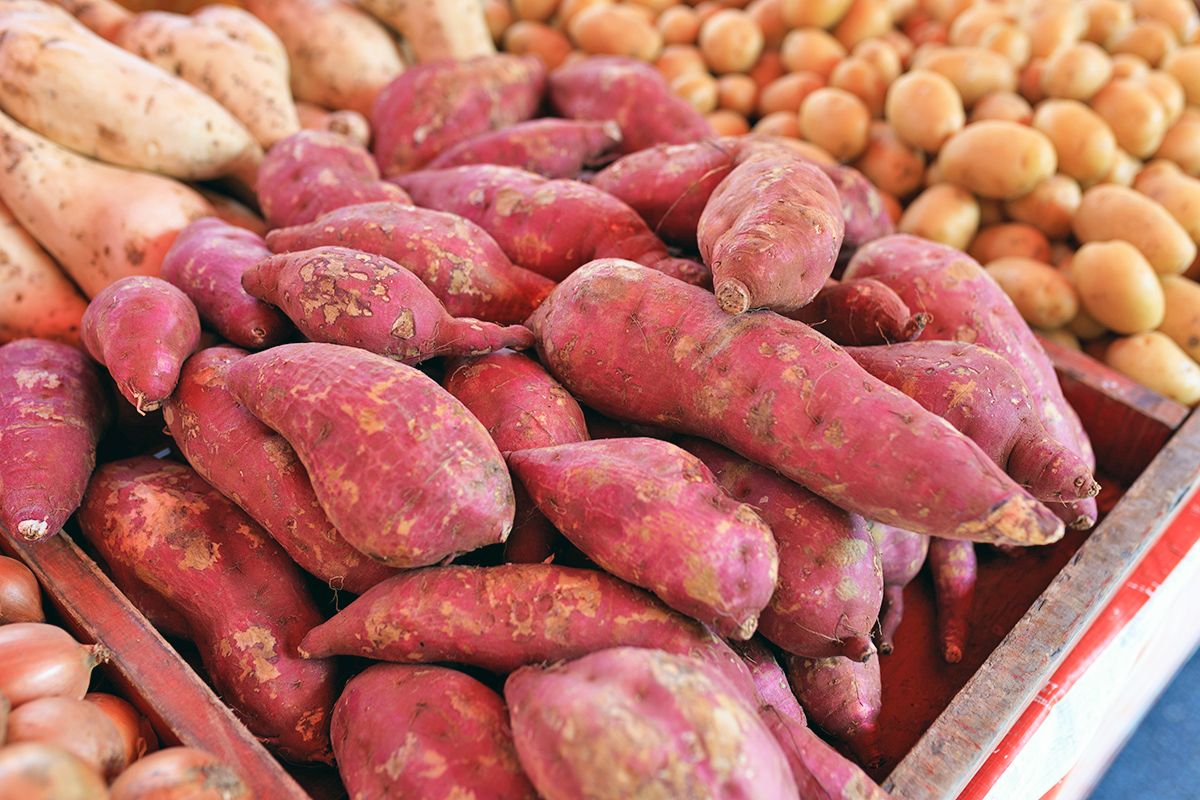
Potatoes and Sweet Potatoes
Whole potatoes and sweet potatoes fare better outside the fridge; inside, the chilly temp turns the starch in the vegetables to sugar. Both taste and texture suffer as a result. Store them in a cool, dark, well-ventilated area, and they should last for weeks. (But make sure your potatoes are far away from your garlic and onions, which emit gases that will cause the potatoes to sprout. If that occurs, you should throw your potatoes out.)

Reader Favorites



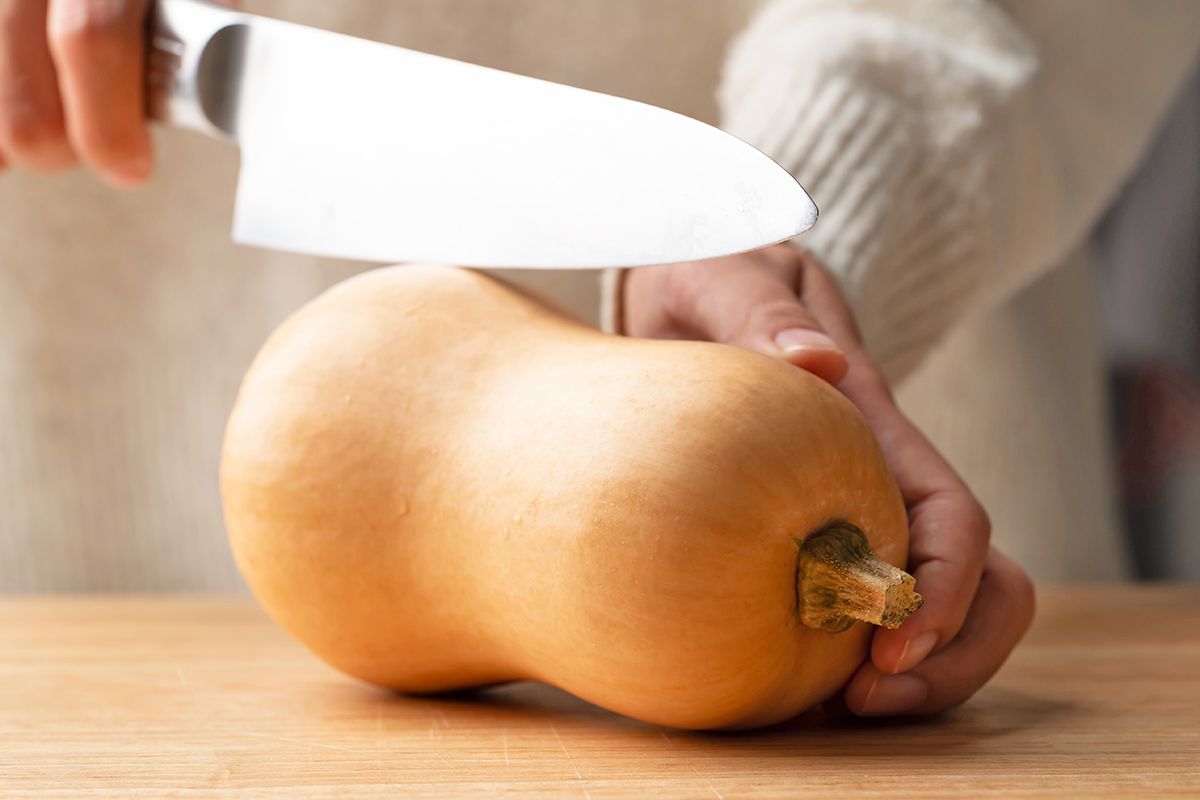
Winter Squash
Winter squashes like butternut, acorn, and delicata are planted in the spring and left on the vine until they grow to full size; their outer skin gets harder as they mature, which means when they’re whole, they can be stored without refrigeration and consumed much later when the weather has turned colder.
As with potatoes, your fridge’s cold temperatures will convert a winter squash’s starches to sugars, causing the vegetable to become very sweet, soggy, or even rubbery. Instead, find a spot like a root cellar or basement where the temperatures are between 50 and 55 degrees Fahrenheit and the humidity is between 50% and 70%. (Too humid and your squash will rot; too dry and it will shrivel up.) Depending on the type of squash, it’ll last two to six months when properly stored.
Featured Image Credit: © Getty Images/Unsplash.com
More From Our Network
Better Report is part of Inbox Studio, an email-first media company. *Indicates a third-party property.






Erin is a writer, editor, and content strategist living in the New York City area. Previously, she was the VP/Editor-in-Chief of MentalFloss.com and an editor at Popular Mechanics magazine. When she’s not working, Erin is hanging out with her cats, reading books from her never-ending TBR, traveling, karaoking, and making sourdough with her starter Stephen Sondheim.
This article is for general informational purposes only.
Affiliate Disclaimer Medical Disclaimer Financial Disclaimer