Should You Refrigerate Tomatoes?

The beginning of summer is a glorious time at the farmers market. Not only is the temperature excellent (not too hot yet) for an outdoor shopping day, but the produce is at the top of its game — especially the tomatoes. I went from a tomato skeptic to a tomato lover when I got the best ones from my local farmers market and treated them properly.
Whether you’re making an elaborate bruschetta or just eating tomato slices on their own, you want to make sure they’re at their best. And while it may feel like the right move to put them in the refrigerator, where you should store your tomatoes depends on a few factors. Let’s break it down.
The Case for the Counter
To figure out how to best store your tomatoes, you’ll want to determine how ripe they are and also when you plan to use them.
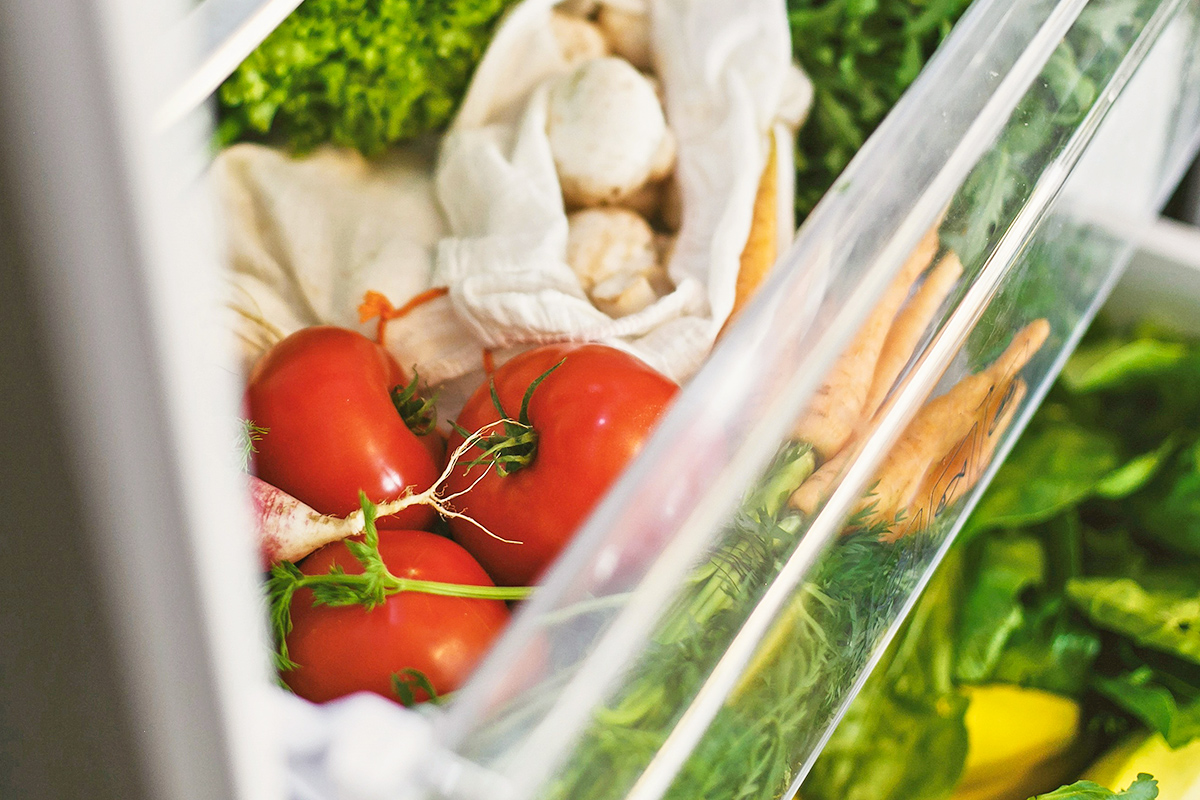
The refrigerator is a useful tool for extending the life of many foods, but for the most part, it’s one of the worst places for fresh tomatoes. In the fridge, tomatoes become mealy and lose flavor, becoming sour. This is part of why farmers market tomatoes are preferable to those you buy at the supermarket: They haven’t been chilled for transport and therefore haven’t lost taste and texture.
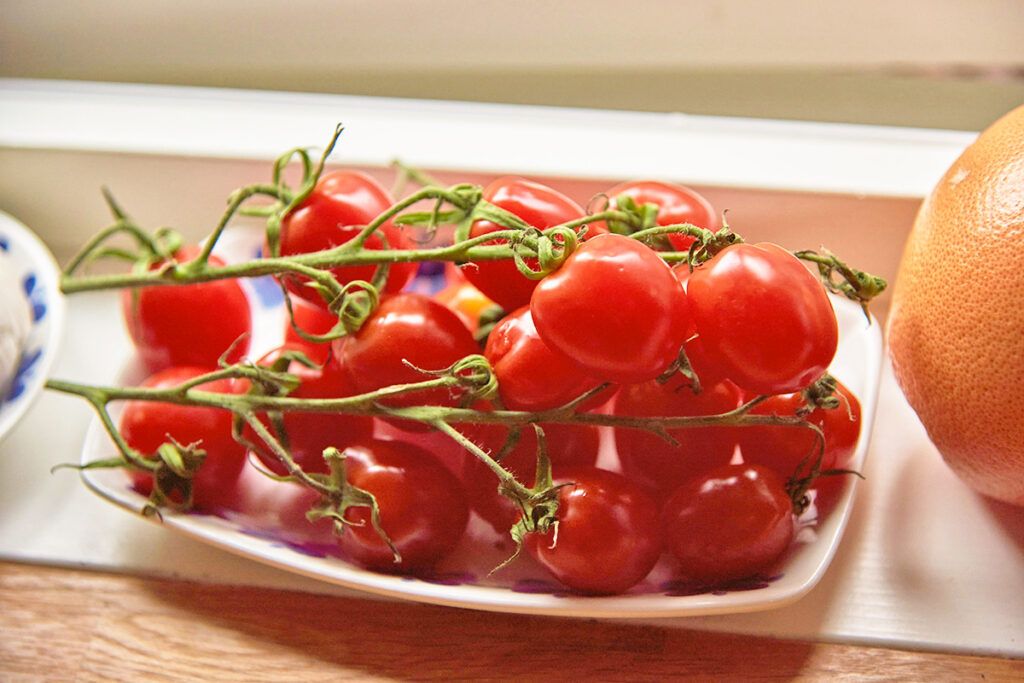
If you’re planning to make a meal with your tomatoes quickly, or if they need time to ripen, you can keep them in a dry area of the counter, stem-down — this prevents bacteria from entering the fruit and keeps them juicy. You can also put a little tape over the stem to keep them fresh. They should be out of direct sunlight and, ideally, at a temperature between 60 and 70 degrees Fahrenheit. Counter storage works for larger tomatoes and for smaller grape or cherry tomatoes as well, even though they’re in a container.
Fresh tomatoes last two to five days on the counter. Check them daily to ensure they don’t go bad — you’ll know your tomato is ripe when it’s uniform in color and tender to the touch, whereas an overripe tomato will be soft and possibly start leaking.

Reader Favorites



When It’s OK To Put Tomatoes in the Fridge
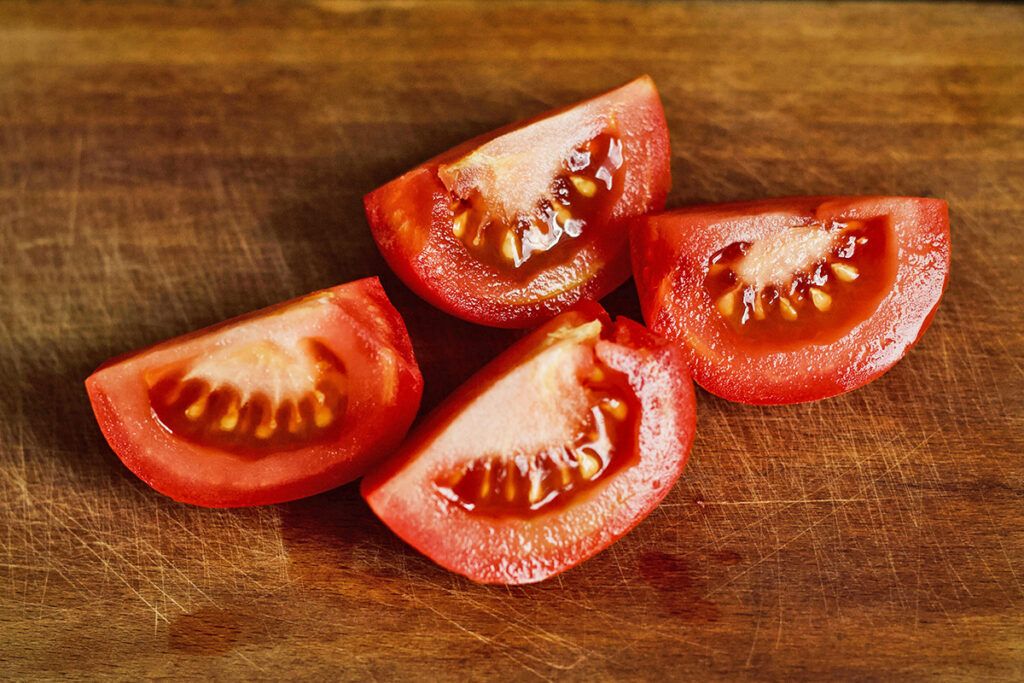
There are some scenarios where you should put your tomatoes in the fridge. Any cut tomatoes that aren’t used fully, for example, should be stored in the fridge. Cover them with cling wrap so they don’t dry out, then place them in an airtight container before putting them in the refrigerator. They’ll last a day or two and stay safe from bacterial growth.
Ripe tomatoes that are about to become overripe can also go in the fridge, where they may last for up to two weeks. That said, they likely won’t taste as good when you take them back out, so experts advise using them only in cooked dishes.
Getting the Most Out of Your Tomatoes
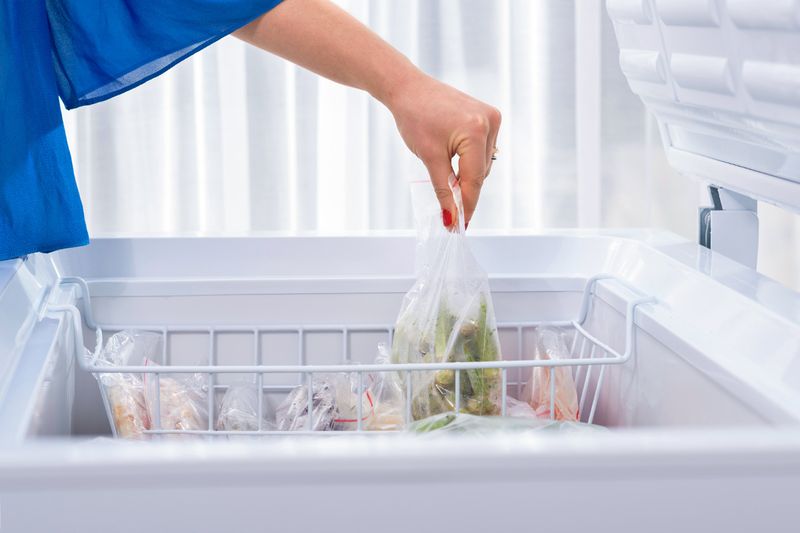
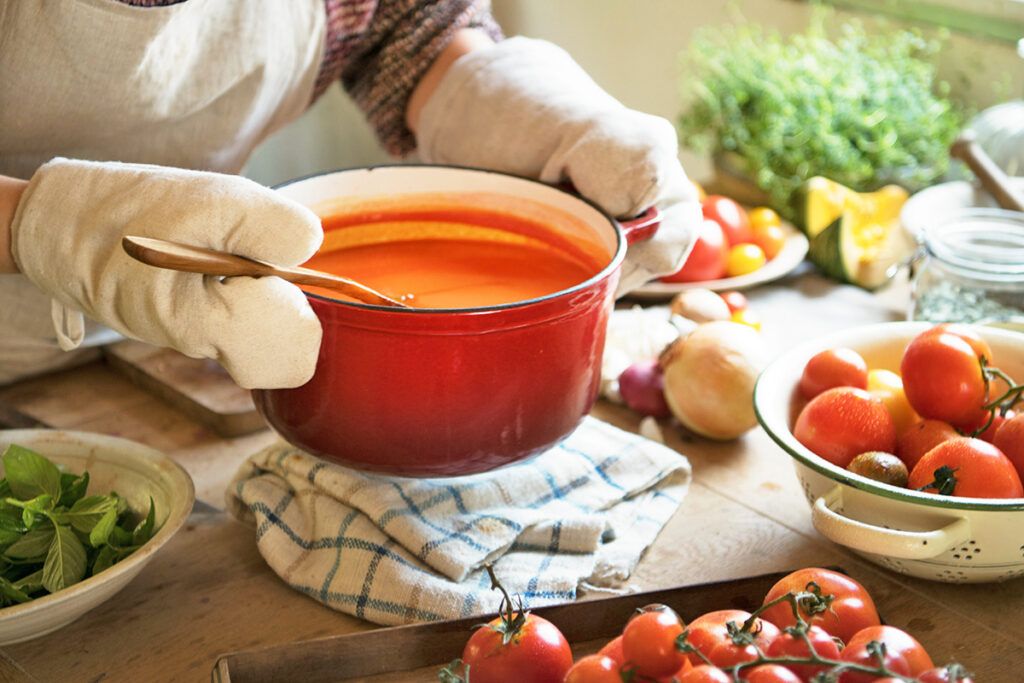
If you have tomatoes that are ripe but you don’t want to eat them yet (or you’ve had them in the fridge), you can make a red sauce, turn them into soup, or freeze them whole and use them later. Don’t just throw them in the freezer, though — take the time to blanch the tomatoes. Drop them into boiling water for 30 seconds, then put them in dated freezer bags. When you unfreeze these tomatoes later, it’s best to use them for recipes that require cooking.
As we get ready for peak summer produce season, consider the refrigerator the last resort, instead of the first step. Your tomatoes will thank you.
Featured Image Credit: © Getty Images/Unsplash.com
More From Our Network
Better Report is part of Inbox Studio, an email-first media company. *Indicates a third-party property.






Julia Rittenberg is a culture writer and content strategist driven by a love of good stories. She writes most often about books for Book Riot. She lives in Brooklyn with a ton of vintage tchotchkes that her cat politely does not knock over.
This article is for general informational purposes only.
Affiliate Disclaimer Medical Disclaimer Financial Disclaimer