6 Things You Didn’t Know Lemons Could Do

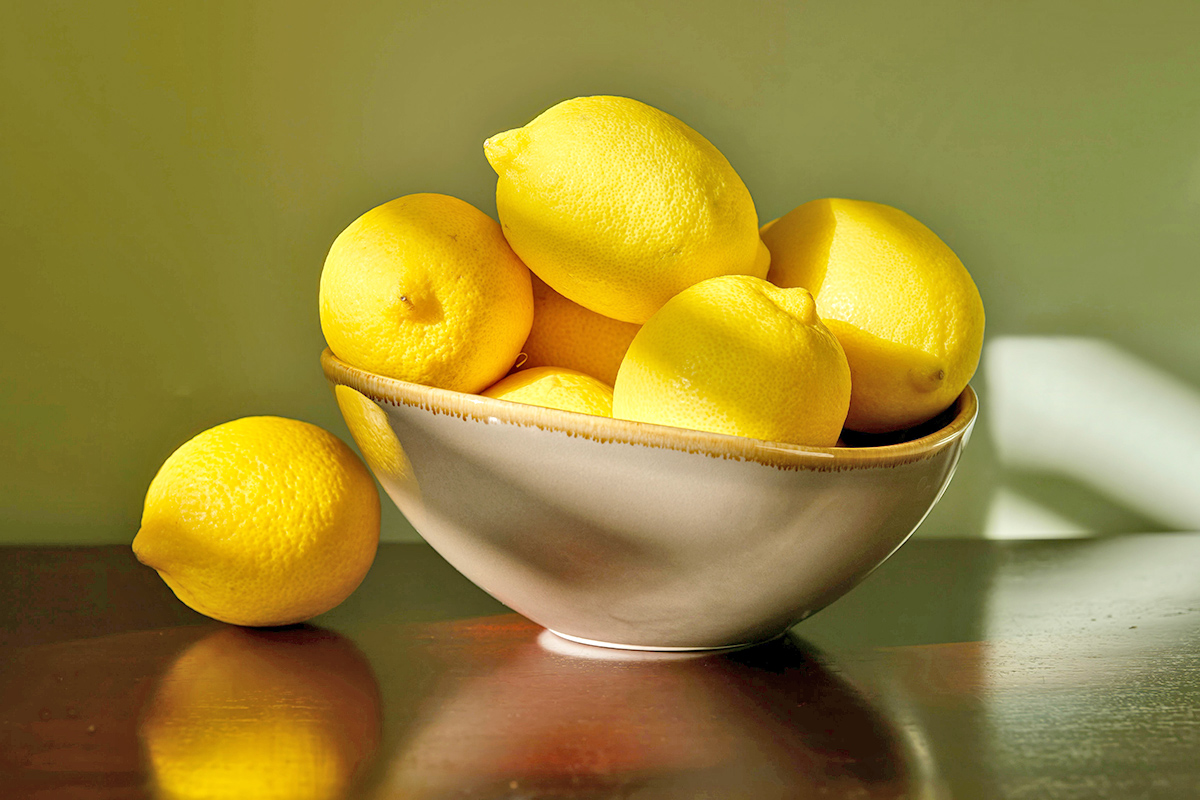
I buy at least one lemon any time I go to the grocery store. Why? Lemons are the kitchen’s biggest overachiever: They’ll zest up your pasta (or even a serving of frozen veggies), make your water feel fancy, and add a bright flavor to quick salad dressing. But they also have a ton of uses beyond culinary applications — a lemon can clean your microwave, help you make pancakes, and save you a trip to the nail salon. Here are six surprising reasons to always keep a lemon on hand.
Clean Your Microwave
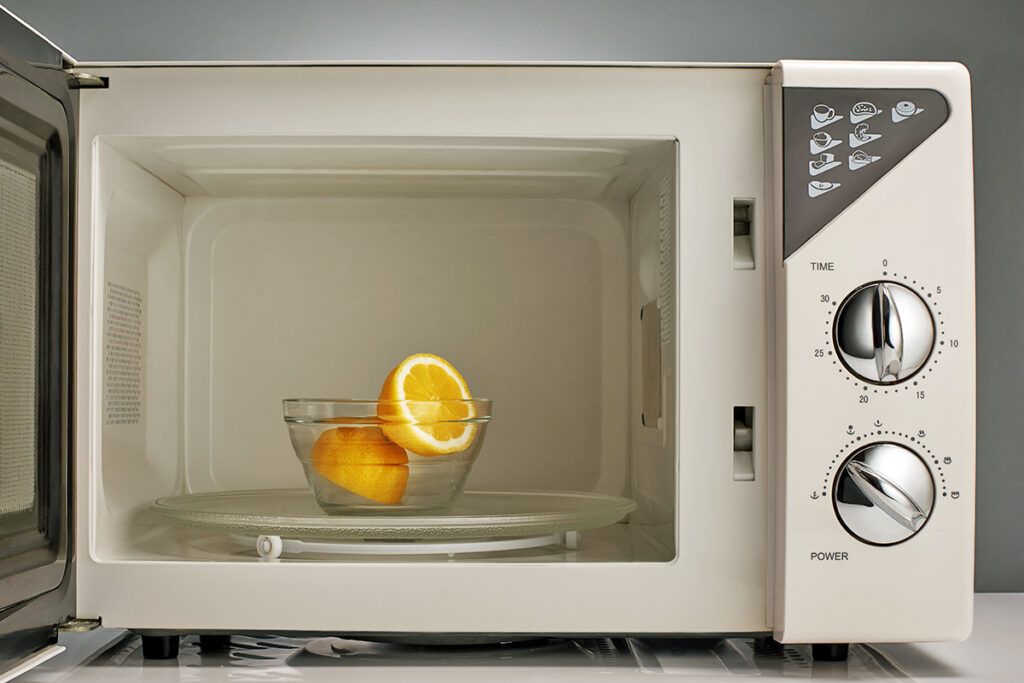
You know that baked-on splatter you ignore every time you open your microwave? Here’s the laziest possible fix: Squeeze lemon juice into a microwave-safe bowl of water, toss the halves in, and nuke it all for three minutes. Then let it sit for five minutes longer while the lemony steam does the heavy lifting. The citric acid acts as a natural degreaser and antibacterial agent, so when you finally crack open the microwave, all that crusty gunk should wipe right off.

Keep Neighborhood Cats Out of Your Garden
If you’ve ever found a mysterious “deposit” in your flower bed, you know the particular frustration of having a curious kitty in your neighborhood. Thankfully, there’s an easy, natural solution to this problem. Cats hate the smell of citrus — their noses are about 40 times more sensitive than ours, and that makes the scent of lemons (as well as other citrus fruits, such as oranges and limes) very unappealing. To keep the local felines from treating your garden like a litter box, scatter citrus peels around the edges. The catch: Peels have to be fresh (dried ones aren’t a deterrent), so you’ll need to replace them as they lose their scent.
Make a DIY Foot Peel With Aspirin
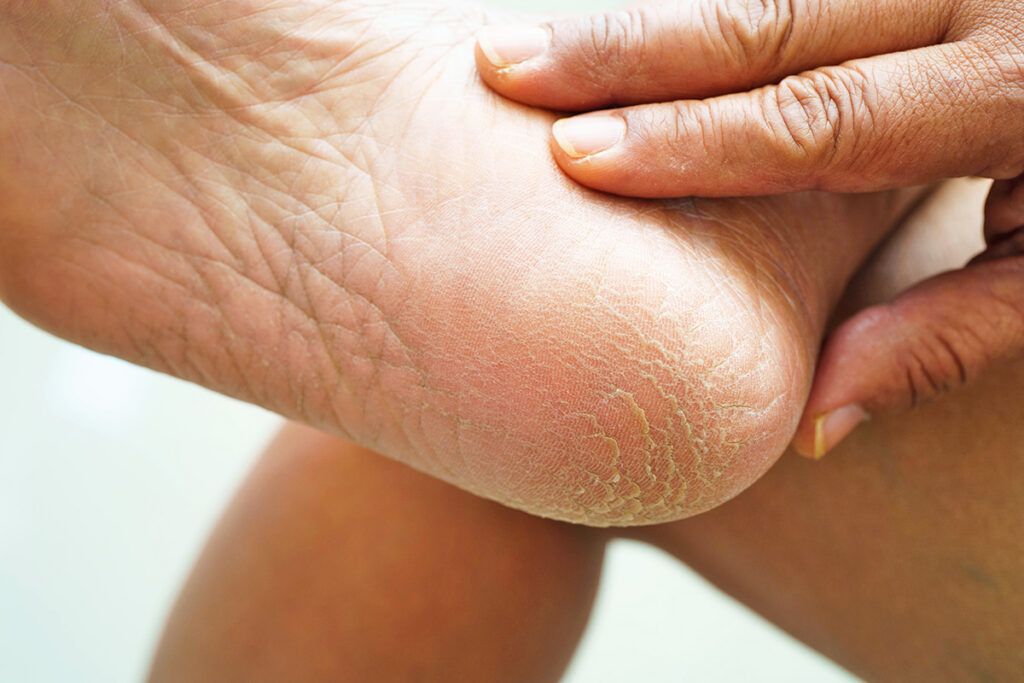
This sounds kind of wild, but it’s dermatologist-approved. To keep your feet in shape during sandal season, simply crush a few aspirin tablets into a powder and combine with freshly squeezed lemon juice and water to form a paste. Apply to cracked heels, wrap them in plastic and slip on some socks, and leave on up to an hour (but make sure to rinse immediately if it stings!). Finally, moisturize. The mixture is an acidic exfoliant that helps to loosen and dissolve dead skin — aspirin contributes aminosalicylic acid (which is related to the salicylic acid in acne products), while lemon juice amplifies the effect.

Reader Favorites




Fake Buttermilk in a Pinch
Imagine: You’re three ingredients deep into a pancake recipe and realize you don’t have buttermilk. Save your breakfast by adding a tablespoon of fresh lemon juice to a cup of whole or 2% milk or heavy cream, let it sit for five to 10 minutes to thicken, and stir before using. It won’t be identical to the real thing, but it’ll do the job in pancakes, muffins, or cakes — especially when buttermilk isn’t the star flavor.
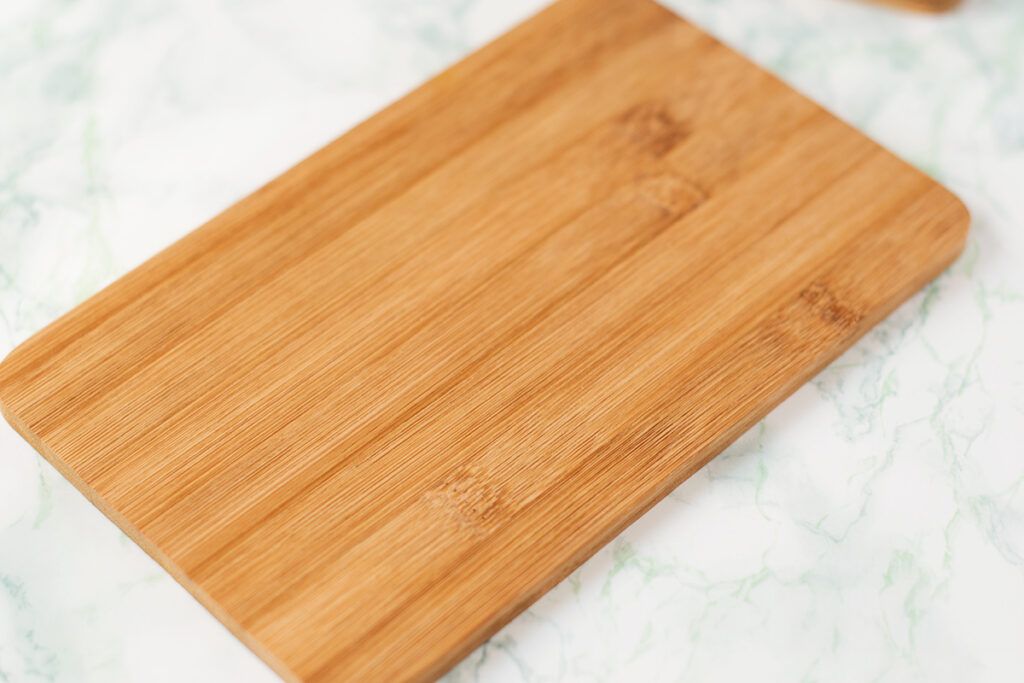
Scrub Your Cutting Board Clean
Wooden cutting boards are harder to sanitize than plastic ones because you can’t throw them in the dishwasher. Soap and hot water are usually sufficient to clean them, but if you want to give your wooden cutting board a deep clean, sprinkle the surface of the cutting board with some salt, cut a lemon in half, and start scrubbing. The salt acts as an abrasive and the lemon juice lifts stains and eliminates odors, making the board smell better than it has in years. Let the salty paste sit for five minutes, remove it with a bench scraper, and rinse the board well.
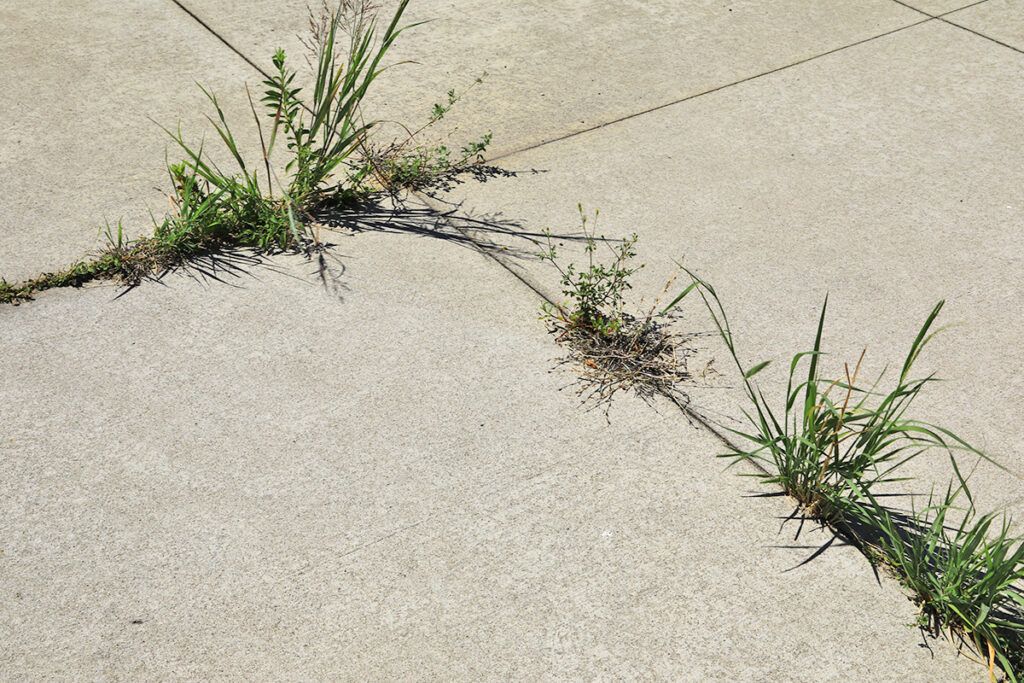
Kill Weeds (Kind Of)
Lemon juice is acidic enough to damage and kill small weeds, making it a nontoxic alternative to herbicides. That said, getting results from this hack requires a lot of lemon juice, and it will work only on young, small weeds with direct sun exposure. You’ll probably see the most success on gravel driveways or cracks between pavers — places where you can apply lemon juice liberally without worrying about affecting the plants you want to keep around.
Feature image credit: © WJ Y/Pexels.com
More From Our Network
Better Report is part of Inbox Studio, an email-first media company. *Indicates a third-party property.






Erin Scottberg is a Brooklyn-based writer, garden designer, and houseplant expert — and the founder of Full Sun Studio (fullsun.studio), a garden design and plant consulting studio in New York City. She holds an Urban Horticulture Certificate from Brooklyn Botanic Garden, an NYC Street Tree Pruner License, and an NYC Master Composter Certification, and spent three years as Head of Content and Education at The Sill. When she's not working, you can find her creating in her textile studio, running craft nights in her neighborhood, or hanging with her rescue pup, Sunny. She's an ambitious DIYer, avid composter, and has never been able to walk by a thirft store without taking a look.
This article is for general informational purposes only.
Affiliate Disclaimer Medical Disclaimer Financial Disclaimer