9 Things in Your Kitchen You Should Toss Right Now


All featured products and deals are selected independently and objectively by the author. Better Report may receive a share of sales via affiliate links in content.
The kitchen is one of the most-used rooms in the house — and for many of us, it’s also a den of expired, outdated, and unneeded items. Between the overstuffed junk drawer, overflowing utensil jars, and pantry staples from decades past, things accumulate fast.
But unlike clutter you can shove behind a closet door, old or worn kitchen items actually work against you by making cooking harder or wasting your grocery budget. Whether you’re doing a full clean or just finally dealing with that one drawer (you can do it!), here are the kitchen items worth ditching today.
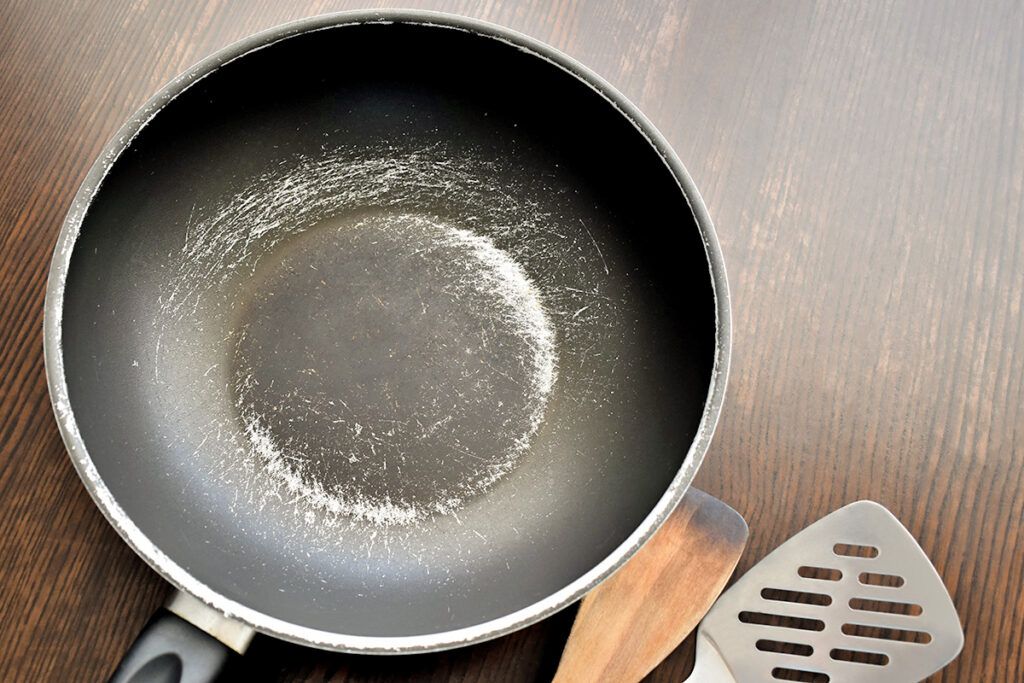
Dull, Warped, or Scratched Nonstick Pans
Nonstick coatings don’t last forever. If your pan is visibly scratched or flaking, has developed a warped bottom that wobbles on the burner, or was purchased more than five years ago, it’s time to toss it. Scratched coatings can end up in your food, and a warped pan won’t heat evenly — which means hot spots, food sticking, and frustration every time you use it.
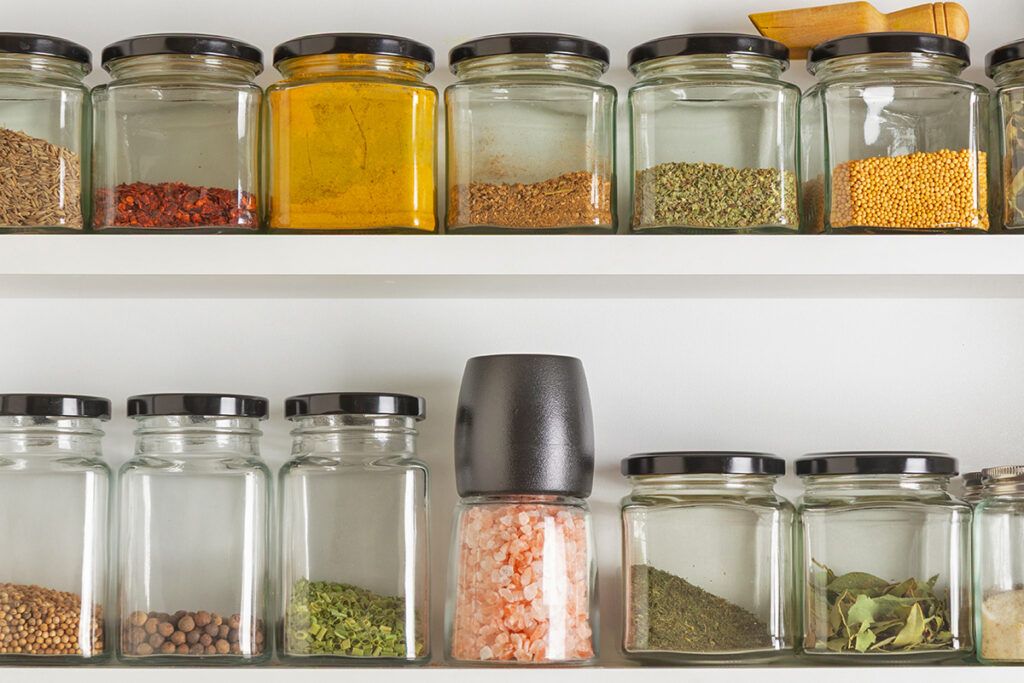
Expired Spices
When spices get old, the problem is not so much that they get dangerous but that they get flat. Some spices can last years, while others lose their oomph much more quickly. A good way to tell? Do a sniff test: If a spice doesn’t have a strong, immediate aroma, it’s past its prime and you’re essentially seasoning with dust. Ground spices generally last a year, and experts suggest using whole spices within two.
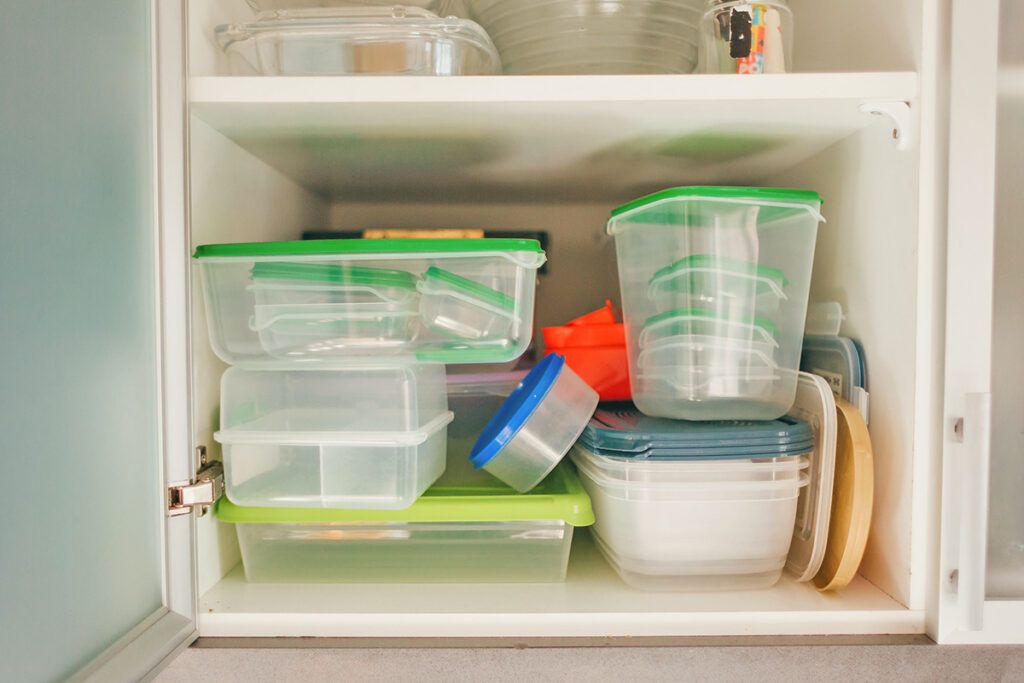
Any Food Storage Container With Stains, Cracks, or No Match
The container cabinet may be the most daunting of all areas when it comes to purging — which is exactly why you need to get in there, stat. Cracked or deeply scratched plastic can harbor bacteria; staining and lingering odors may also be signs of bacteria. Texture means that the material has degraded and needs to go. Also look for anything where the lid no longer seals correctly, and anything that doesn’t have a match.
Quick tip: Before you toss a glass container that’s missing a lid, check to see if the company offers or sells replacement lids.
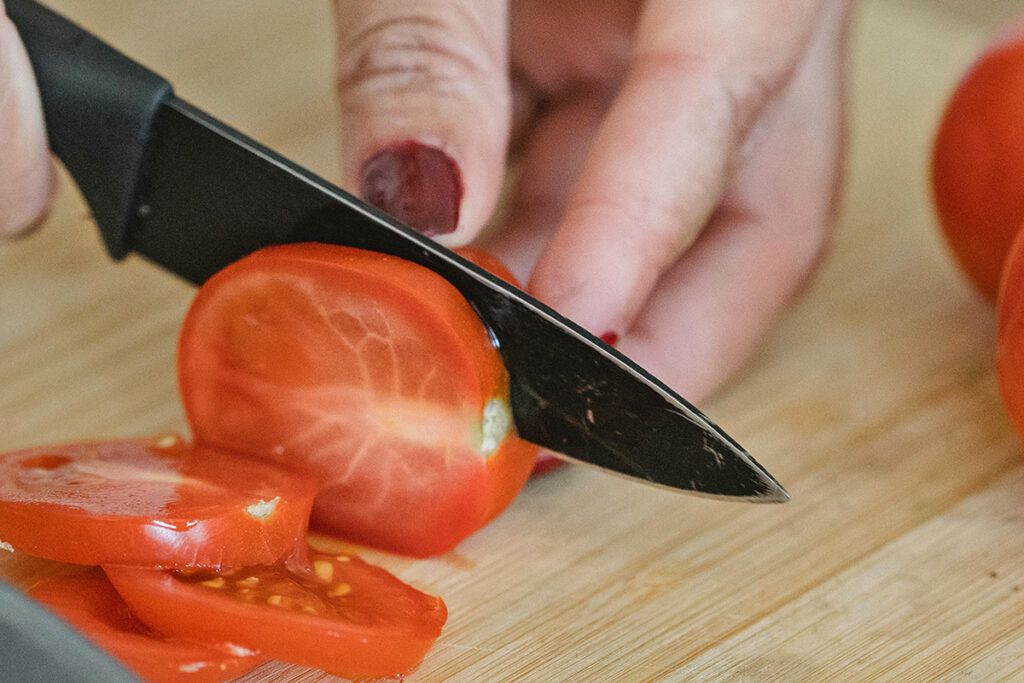
The Knife You Never Sharpen (and Never Use)
Most home cooks use only two or three knives regularly, which means that giant knife block full of blades is taking up valuable counter real estate. Toss or donate anything that’s rusted or chipped, or that you haven’t reached for in the past year. (Don’t just toss them in the garbage, though; wrap them in paper or cloth and secure them in a box before putting them in the trash.) And if the knives you keep aren’t sharp, invest in a sharpener or take them to a professional — a dull knife is less effective and more dangerous than a sharp one.
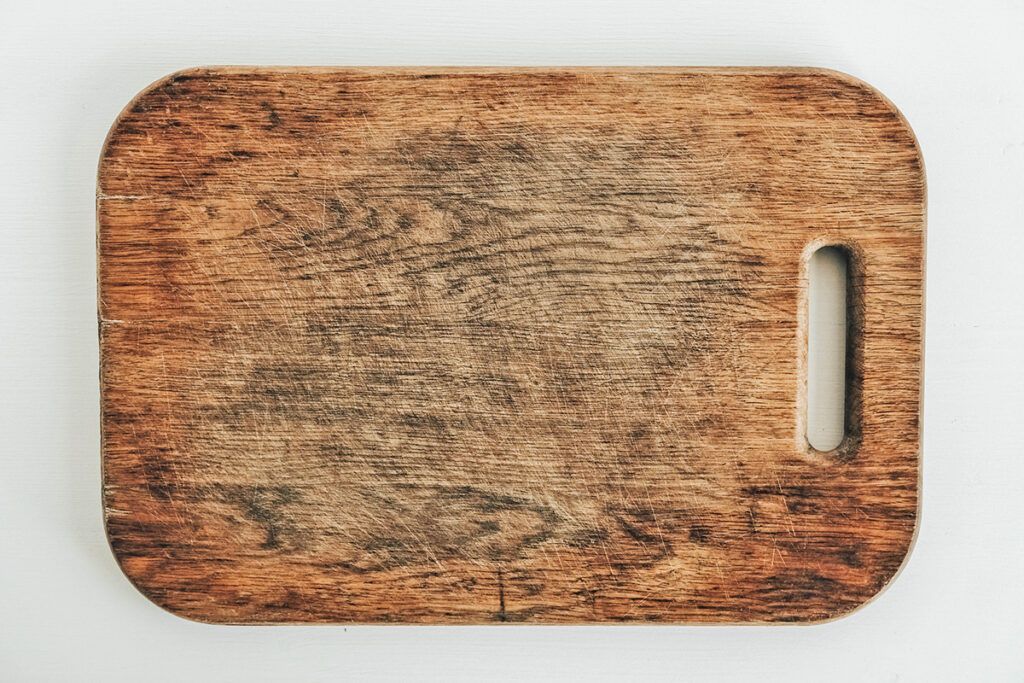
Old Cutting Boards With Deep Grooves
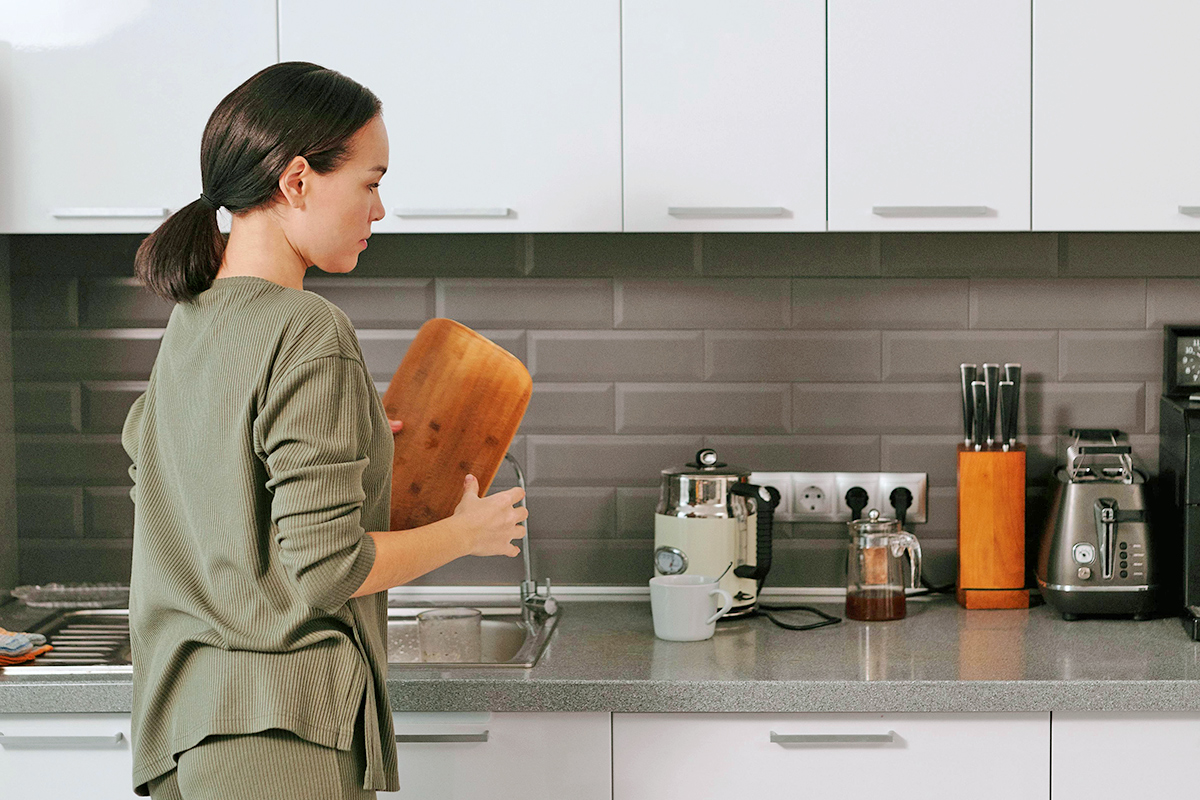
Knife marks on a cutting board aren’t just cosmetic wear — they’re places where bacteria can hide, even after washing. Plastic boards with major scoring should be replaced entirely. Wooden boards can be sanded down and re-oiled if the grooves are minor, but if your board is badly scarred, warped, or has developed a persistent odor, it’s time for a new one.
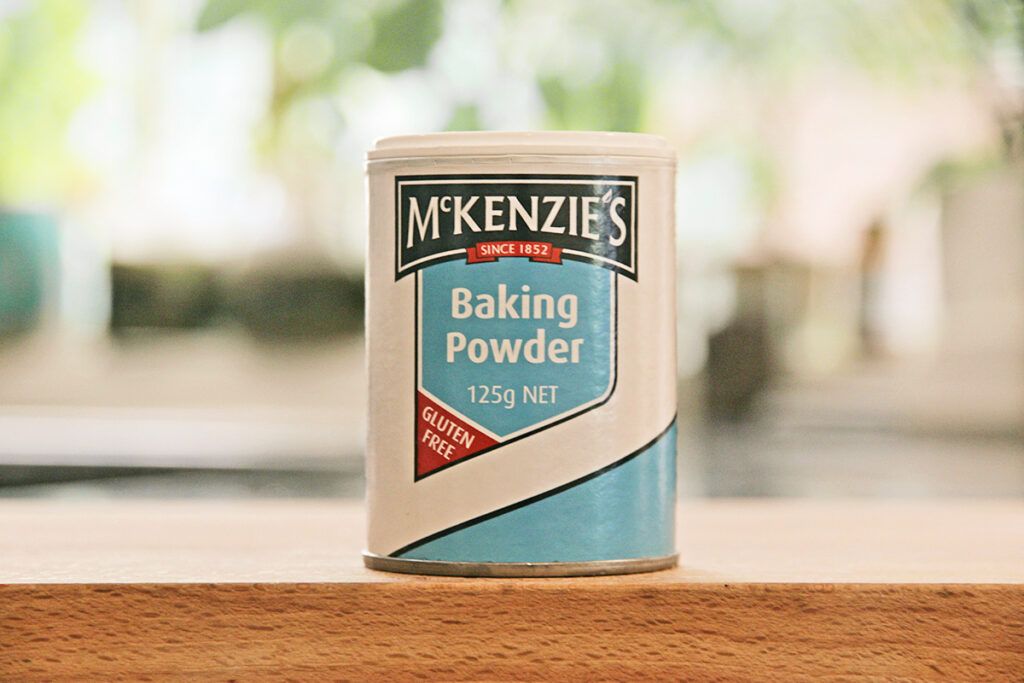
Expired Pantry Staples
Baking powder, baking soda, and yeast all have a shelf life, and using them past their prime is usually why baked goods don’t rise the way they should. To test baking powder, put a teaspoon in a bowl and pour in boiling water: It should bubble vigorously. Test baking soda with vinegar or lemon juice — if there’s no reaction, it’s dead. To tell if dried yeast is still good, add 1 teaspoon sugar to 1/4 cup warm water (approximately 100 degrees Fahrenheit). Stir in an envelope of yeast (2 1/4 teaspoons) and let it sit for 10 minutes. Yeast that’s good to go will foam to the 1/2-cup mark. (And you can still use the test batch — just reduce the amount of liquid you’d normally add to the recipe by 1/4 cup.)
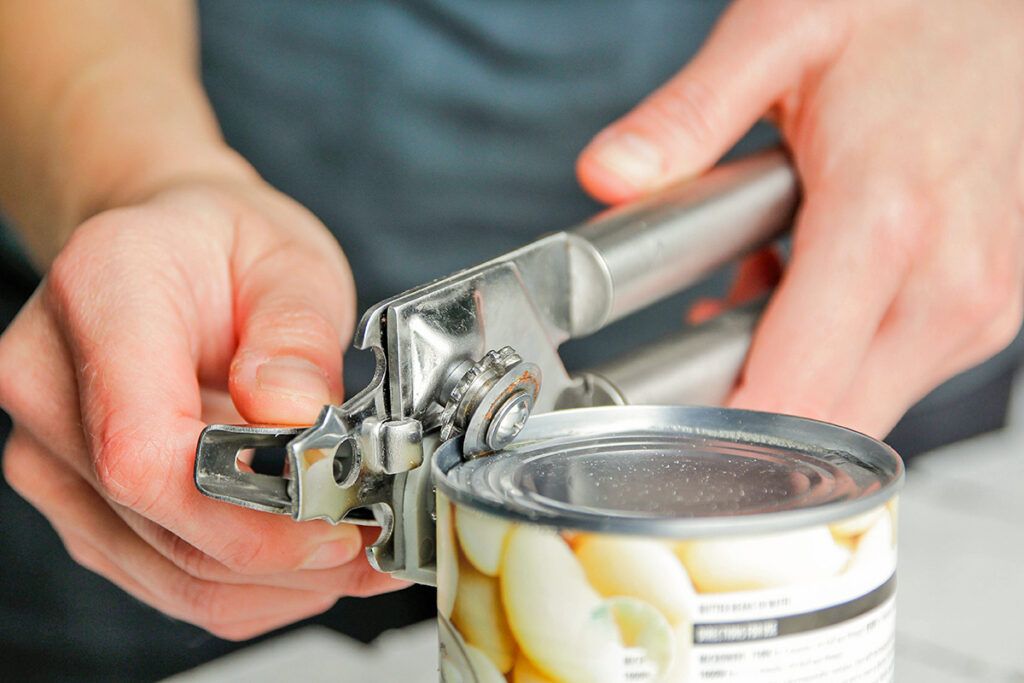
A Clogged or Gunky Can Opener
Manual can openers are breeding grounds for grime, and most people never clean them thoroughly enough (even though all it takes is a paper towel). If yours has rust or visible buildup along the cutting wheel, or it’s starting to slip and tear rather than cut cleanly, replace it. A clean, sharp can opener is genuinely one of those small quality-of-life upgrades that make a difference.
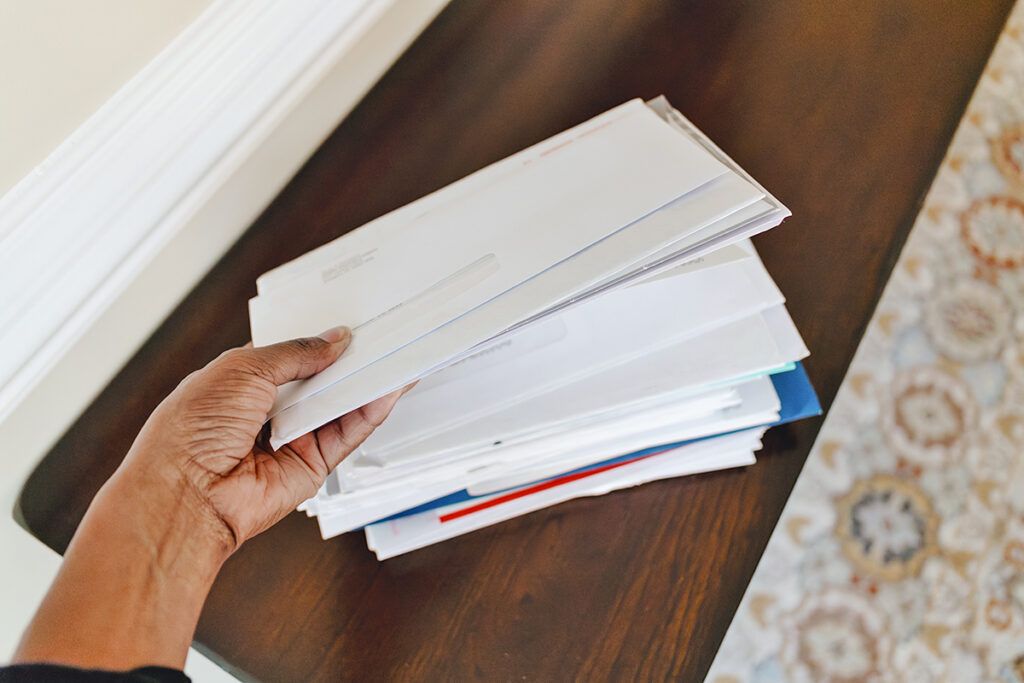
Old Takeout Menus and Junk Mail
Now is the time: Expired coupons, old to-go menus, mystery keys, and dead batteries have no business in your kitchen. Set a timer for 25 minutes and deal with it head on — your future self will thank you.
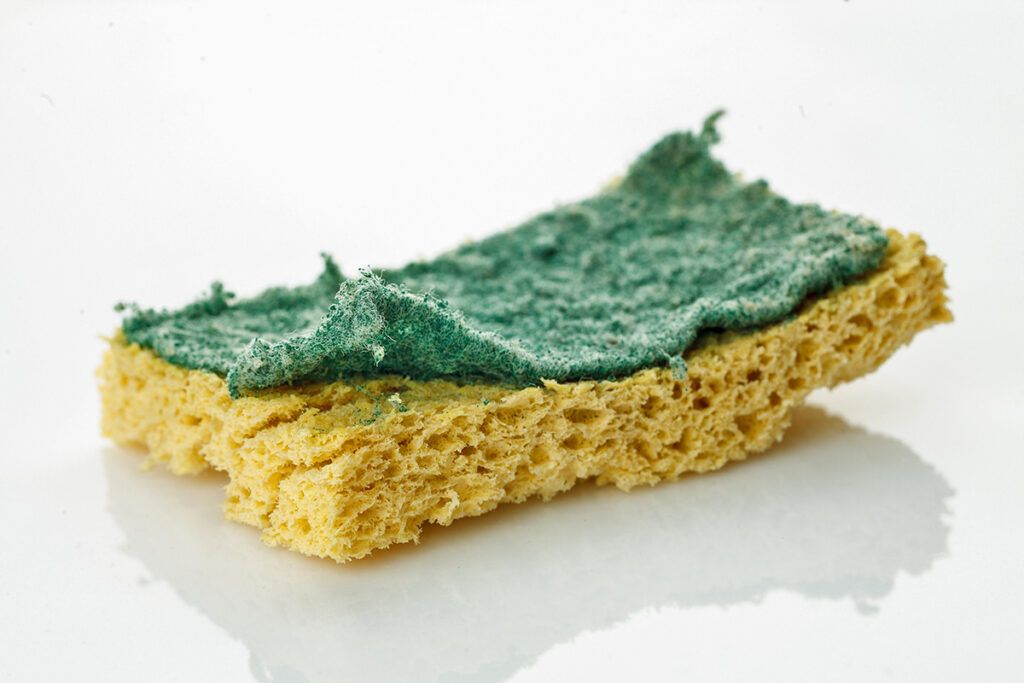
Dish Sponges and Brushes That Are Way Past Their Prime
Experts recommend that you should swap out your kitchen sponge every one to two weeks. While that may seem excessive for something that spends most of its time in hot, soapy water, kitchen sponges are bacteria traps. To extend the life of your sponges, try running them through a dishwasher with a dry cycle, or microwaving for one minute — according to the USDA, that will kill 99.9% of germs on your sponge. The Food Network recommends sanitizing your sponge daily, while the cleaning professionals at MaidPro suggest you should do so every two or three days. But no matter what, toss it once that one- to two-week window has passed. Dish brushes have a shelf life, too: If the bristles are flattened, fraying, or smelly, swap it out.
A little kitchen purge goes a long way. You’ll be amazed at how much more pleasant your counters and cabinets will feel once you’ve cleared out the expired, broken, and never-used nonsense. Your kitchen will probably be easier to navigate, too. Final tip: If you’re not sure whether something’s worth keeping, use the closet rule — if you haven’t used it in the past year and can’t name a specific upcoming use for it, it’s time to say goodbye.
Featured Image Credit: © Jep Gambardella/Pexels.com