The Dirtiest Places in Your House
The dirtiest place in your home might surprise you. It’s not just about visible dirt and mud — we’re delving into the microscopic world of potentially harmful germs and bacteria. Sure, welcome mats and garage floors might contain the most visible dirt, but the reality of contamination levels is quite different. Now, you’re probably thinking, it must be the bathroom, but alas, according to the professionals at the National Sanitation Foundation (NSF), that isn’t the dirtiest place, either.
On the Hunt for Germs
To help people practice a healthier lifestyle, the NSF, a global organization that helps standardize food safety and sanitation, identified germ “hot spots” in the home. It’s true that not all bacteria are harmful, but some that are commonly found on items and surfaces in the house can make you and your family sick. These include yeast, mold, and coliform bacteria (such as salmonella and E. coli). Levels of these bacteria were measured on everyday household items to identify which were the dirtiest. Spoiler alert: Toilet seats did not fall within the top 10 germiest items.
The Dirtiest Places Revealed
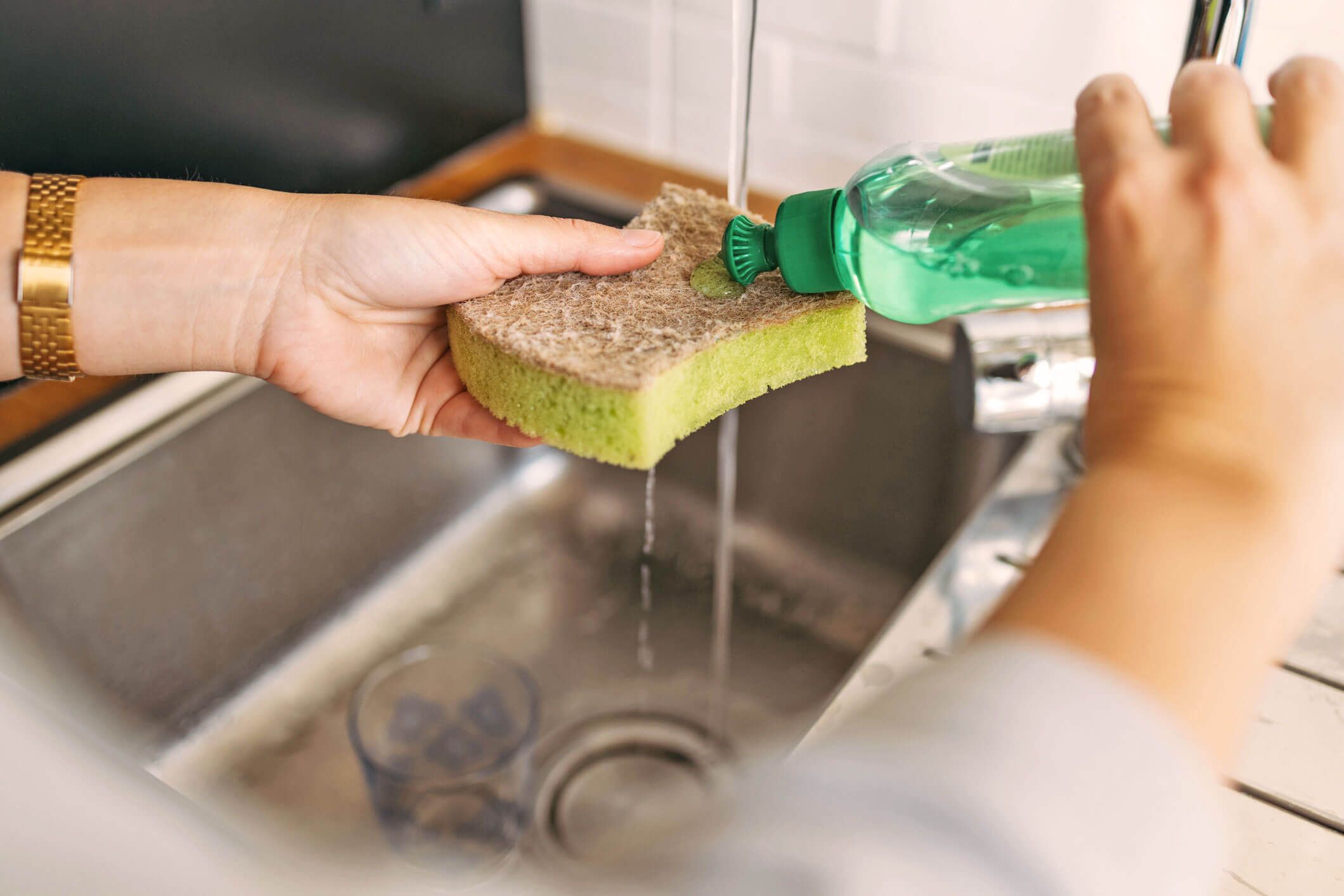
The kitchen is the dirtiest room in the home — it contained more germy items than any other rooms tested. If you’re surprised, you aren’t the only one. The results of the NSF’s study caught participants off guard, too. While most guessed that toothbrush holders would be the dirtiest items, the results showed that one kitchen item had more microorganisms than anything else: the kitchen sponge. Around 77% of kitchen sponges and rags tested positive for coliform, 86% contained some yeast or mold, and 18% had Staphylococcus aureus, which can cause infection.
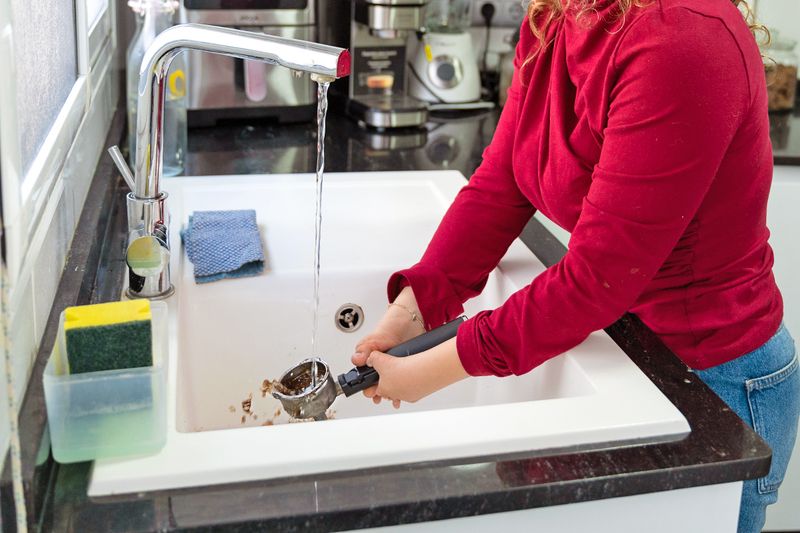
Comparing these results with toilet seats provides a stark contrast — only 5% of toilet seats harbored coliform, 27% had yeast or mold, and 5% contained Staphylococcus aureus. Knowing how dirty dish sponges are, the second-germiest place might come as no surprise. The kitchen sink is the second-dirtiest place in the home. Other dirty areas in the kitchen include coffee machine reservoirs (where water is held), countertops, stove knobs, cutting boards, and refrigerator door handles. Regular cleaning and disinfecting of these areas is crucial for a safe and healthy home.
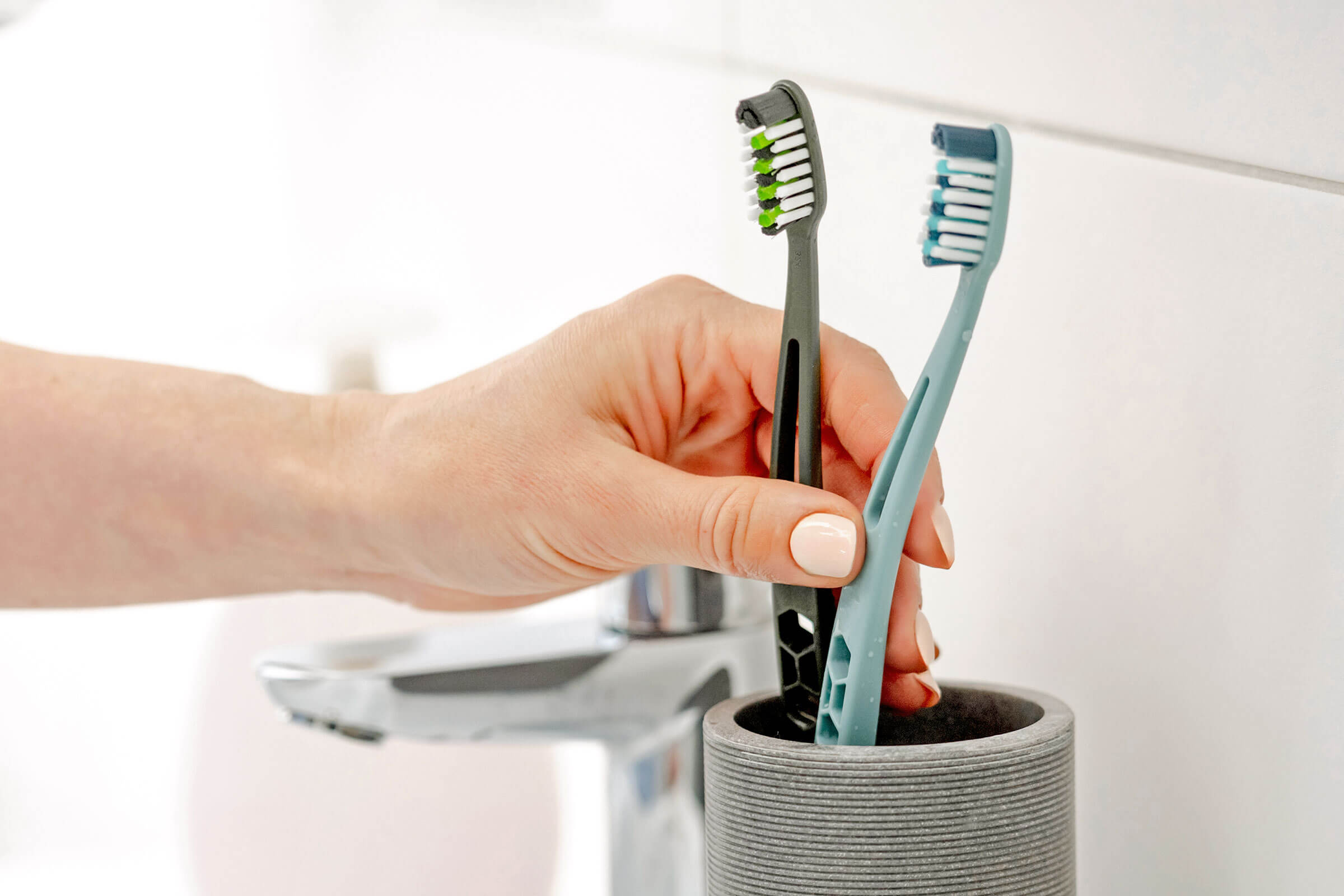
Another revelation from this study came as NSF microbiologists scoured the bathroom for germs. The dirtiest place wasn’t the bathroom doorknob, faucet, toilet handle, or even the toilet seat; it was the toothbrush holder. Although toothbrushes are perceived as a clean item because we use them to clean our mouths, this is far from the truth. The human mouth is home to around 700 species of microbes. “The oral cavity is home to hundreds of different types of microorganisms, which can be transferred to a toothbrush during use,” explains Assistant Professor Maria L. Geisinger, DDS. Couple this with a damp, enclosed environment (a brush holder), and it’s a breeding ground for bacteria.
Not all of the dirtiest items are located in the kitchen or bathroom. To ensure your environment is clean and safe for you and your loved ones, check out the top 15 dirtiest places and items in the home, according to the NSF.

Reader Favorites



Top 15 Dirtiest Places
1. Dish sponges and rags
2. Kitchen sink
3. Toothbrush holder
4. Pet bowl
5. Coffee machine reservoir
6. Bathroom faucet handle
7. Pet toy tennis ball
8. Countertop
9. Stove knobs
10. Cutting board
11. Toilet seat
12. Pens
13. Bathroom doorknob
14. Bathroom lightswitch
15. Microwave handle
Keeping Dirty Places Clean
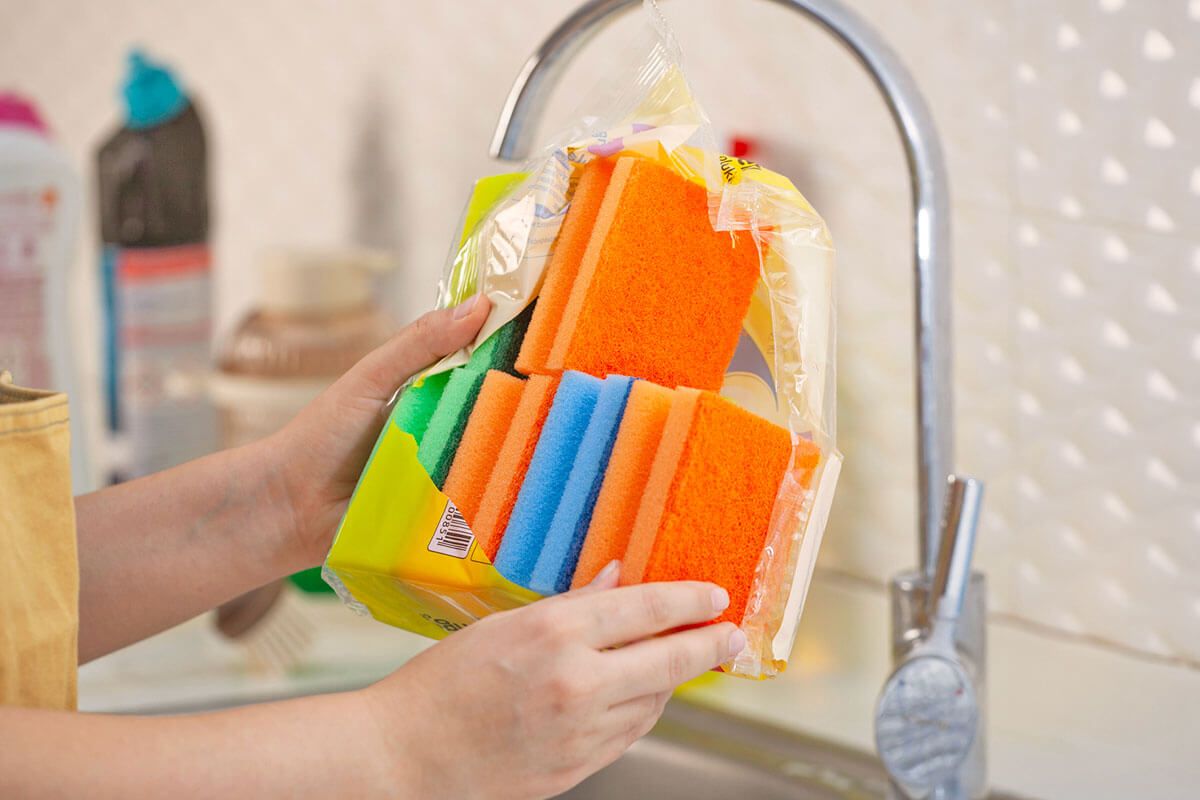
According to the NSF findings, warm and moist environments are the best breeding grounds for household germs, so clean these areas or swap out these items most often. This includes dish sponges, toothbrush holders, pet bowls, and coffee machines. In the case of the dirtiest item, sponges, you should swap them out for a new one once a week, according to experts. Microbiology professor Phillip Delekta, Ph.D. explains, “In view of the trillions of germs inside a sponge, probably no domestic method will eradicate all of them, and after a few days or maybe even hours, the sponge is recolonized again.” To extend the life of your sponge, opt for a dishwasher-safe product to make weekly cleaning a breeze.
Keeping toothbrush holders clean is at the forefront of your mind after reading the results of this study. Fortunately, there are a few tips and tricks. “Soaking toothbrushes in an antibacterial mouth rinse has been shown to decrease the level of bacteria that grow on toothbrushes,” says Geisinger. She adds that the American Dental Association does not recommend storing toothbrushes in enclosed or covered holders. Instead, allow them to air dry upright between uses. Hopefully, this knowledge of the germiest places allows you to take control of your home’s cleanliness to create a safe place for you and your family.
More From Our Network
Better Report is part of Inbox Studio, an email-first media company. *Indicates a third-party property.