The Surprising Item You Should Almost Always Wash in the Dishwasher

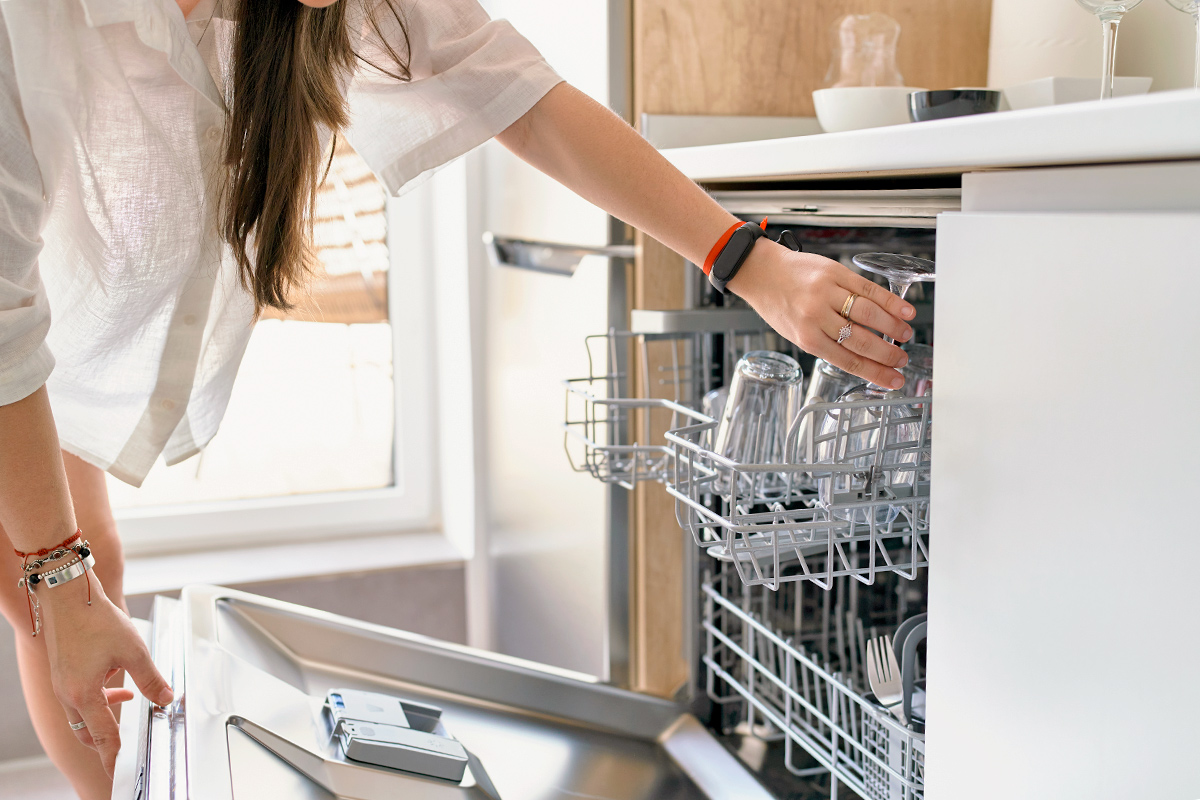
For years, wine lovers have been told the same thing: Never put wine glasses in the dishwasher. Hand-washing has long been considered the safer option, especially for delicate stemware — but according to experts, that advice may be outdated. In fact, your dishwasher could actually be the safest place to clean your wine glasses. Here’s why.
The Case for Skipping Hand-Washing
The fear about putting wine glasses in the dishwasher largely stems from older machines, which weren’t as gentle as today’s models. As Wine Enthusiast reports, many dishwashers today include dedicated glassware settings and adjustable racks designed to keep stemware secure throughout the wash cycle, making them a good option for many dishwasher-safe glasses.
And according to The Spruce, stemware is often more likely to get damaged or broken during hand-washing. People may squeeze the glasses too hard as they’re scrubbing, or accidentally knock them against the sink, the faucet, or another dish. That’s not an issue when glasses are properly placed in a dishwasher (more on that in a bit).
But there’s another reason experts prefer the dishwasher: cleaner glasses. The high temperatures reached during a wash cycle, along with modern detergents and rinse aids, help remove residue that can linger after hand-washing, resulting in clearer glassware with fewer water spots and streaks. And for wine drinkers especially, that can make a big difference: Fingerprints can affect the appearance of a glass, and even small amounts of lingering soap residue can interfere with the tasting experience.
How To Protect Your Stemware
That doesn’t mean every wine glass belongs in the dishwasher. Experts caution that delicate, hand-blown, antique, or decorative glasses may still require hand-washing. So, before placing stemware in the dishwasher, check the manufacturer’s care instructions to confirm that it’s dishwasher-safe.
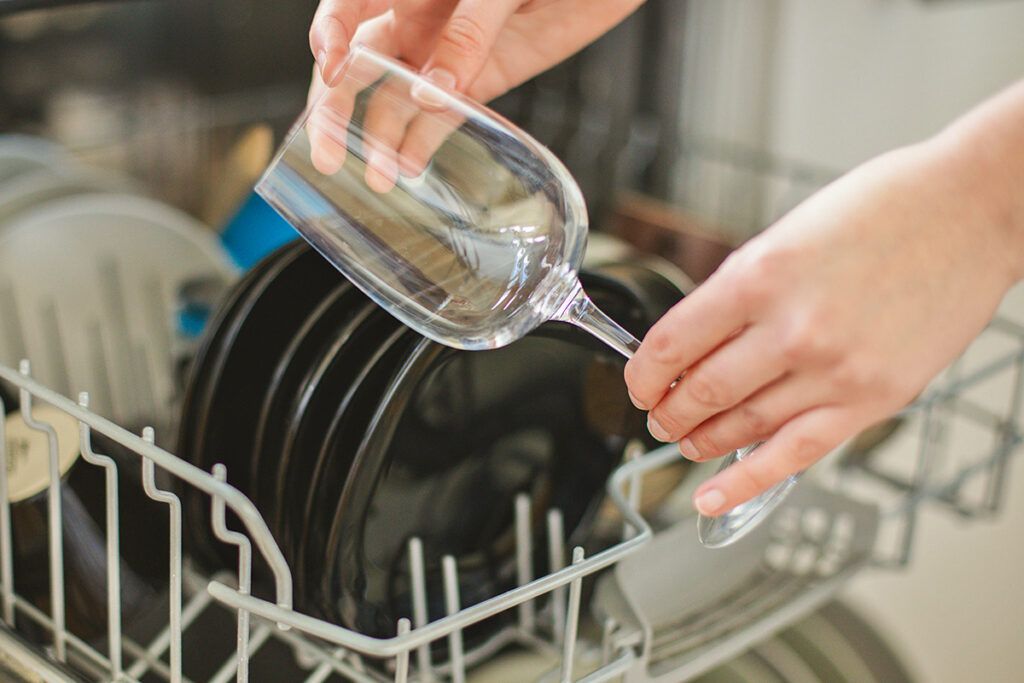
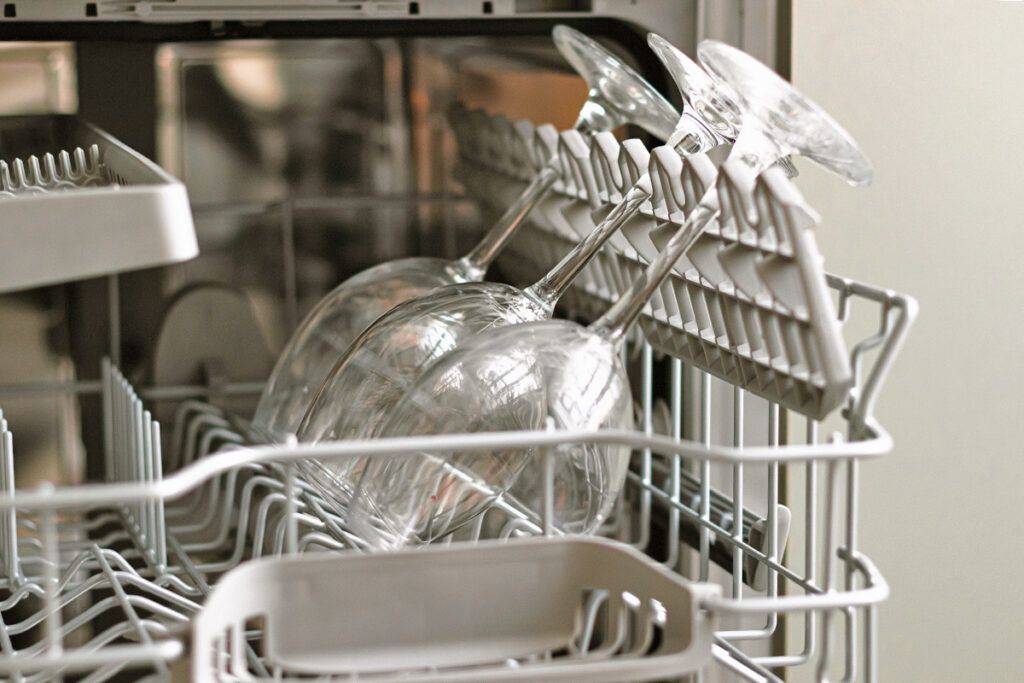
If they are, proper loading is key. Place the glasses securely in the top rack, face down, making sure they don’t touch one another or other dishes. According to Real Simple, keeping them a finger-width apart is a good rule of thumb. While these steps may sound simple, they can go a long way toward preventing chips, cracks, and other damage that can shorten the lifespan of your glassware.

Reader Favorites



It’s also worth paying attention to what you’re putting in the dishwasher besides wine glasses, as well as the condition of your dishwasher itself. Food particles, hard-water deposits, and clogged filters can affect cleaning performance and leave residue on glassware. Regularly cleaning the filter and checking that spray arms are free of debris can help ensure glasses come out spotless. Experts also recommend running the delicate cycle, skipping the heated dry, and using a rinse aid, which can help reduce water spots and improve drying — particularly in homes with hard water.
The key is knowing which glasses are dishwasher-safe and loading them correctly. For many modern wine glasses, the dishwasher isn’t a risky shortcut — it’s the cleaning method experts recommend to save you time and money.
Featured Image Credit: © aire images—Moment/Getty Images
More From Our Network
Better Report is part of Inbox Studio, an email-first media company. *Indicates a third-party property.







Lauren Dana Ellman is a New York–based writer and editor specializing in lifestyle, travel, food, and shopping. A graduate of Syracuse University’s SI Newhouse School of Public Communications, she covers everything from destinations and hotels to fun product finds and personal essays. Her work has been featured in Condé Nast Traveler, AARP, Travel + Leisure, Time Out, The Knot, and more lifestyle-oriented publications.
This article is for general informational purposes only.
Affiliate Disclaimer Medical Disclaimer Financial Disclaimer