Why You Need a Go Bag — And What Should Be in It

All featured products and deals are selected independently and objectively by the author. Better Report may receive a share of sales via affiliate links in content.
Most people don’t think about what they would take with them in an emergency, at least not until they have to — but when something does happen, there’s rarely time to stop and think about what matters. You take what you can carry, often in a rush, and hope you haven’t forgotten anything important.
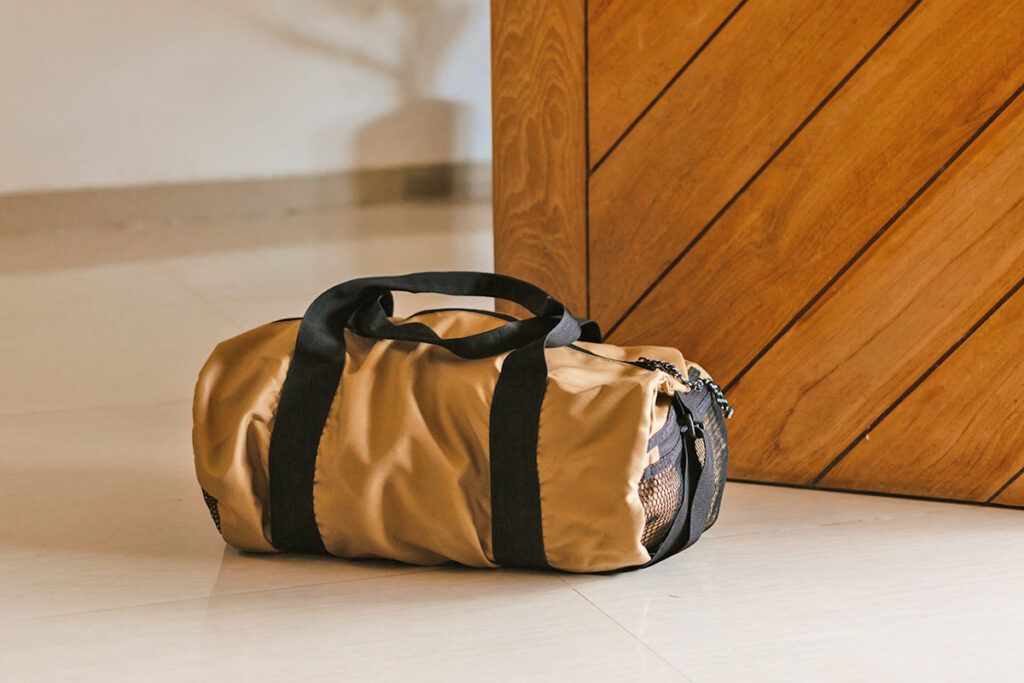
That uncertainty is exactly why being prepared is so crucial, particularly when help may not arrive straight away and access to basic supplies isn’t guaranteed. As the name suggests, a go bag is simply a bag you pack in advance so you can leave quickly if needed. Sure, it takes a bit of planning and effort, but having one makes things easier if you find yourself in an emergency. And while a go bag won’t fix everything, it can help you get through those first hours (or days) with a bit more control. Here’s what you need.
What To Pack
There’s no single version of a perfect go bag, and what you pack will differ depending on where you live and your specific situation. Most follow the same basic idea, though: Cover your essential needs for (at least) a few days.
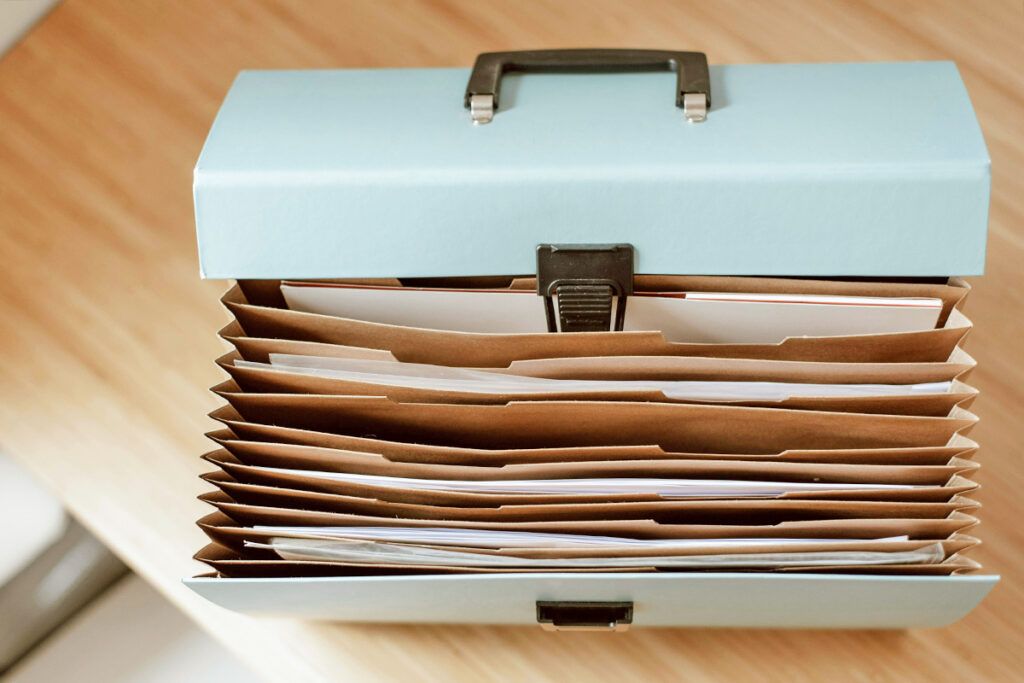
Essential Documents and Valuables
These can include copies of birth certificates, Social Security cards, passports, driver’s licenses, and insurance cards and policies, along with emergency contact information and a small amount of cash. You may also want to keep copies of the front and back of your credit cards in your go bag in the event that you can’t grab your wallet as you’re evacuating. It’s wise to keep everything together in a waterproof and fireproof pouch so it’s protected from the elements. (If you don’t want paper copies of these documents, you can store them on an encrypted flash drive instead.)

Reader Favorites



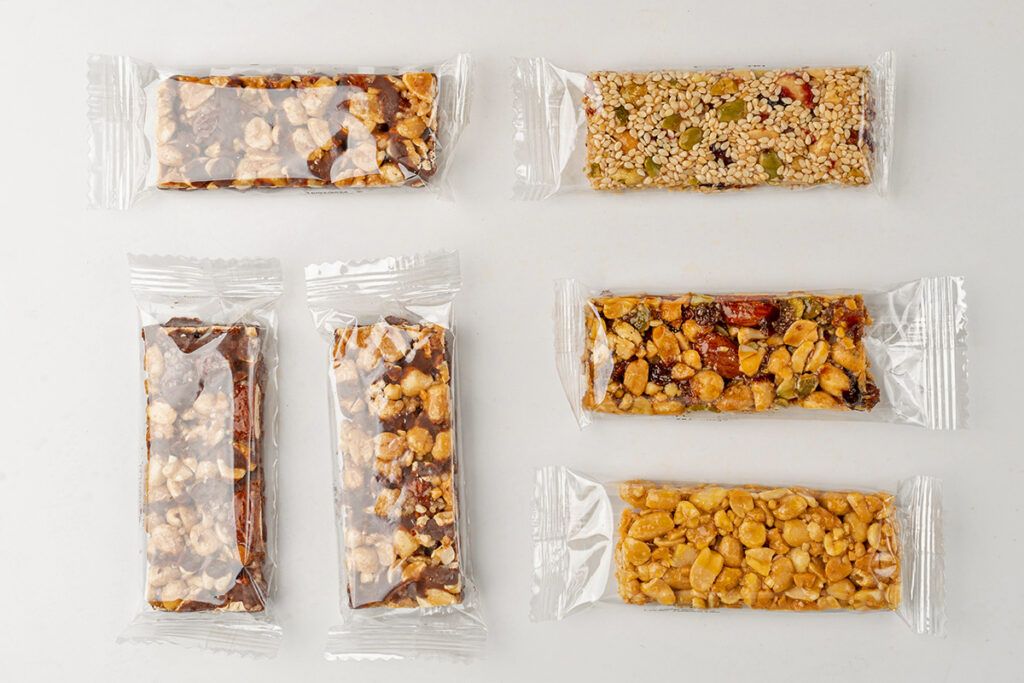
Food and Water
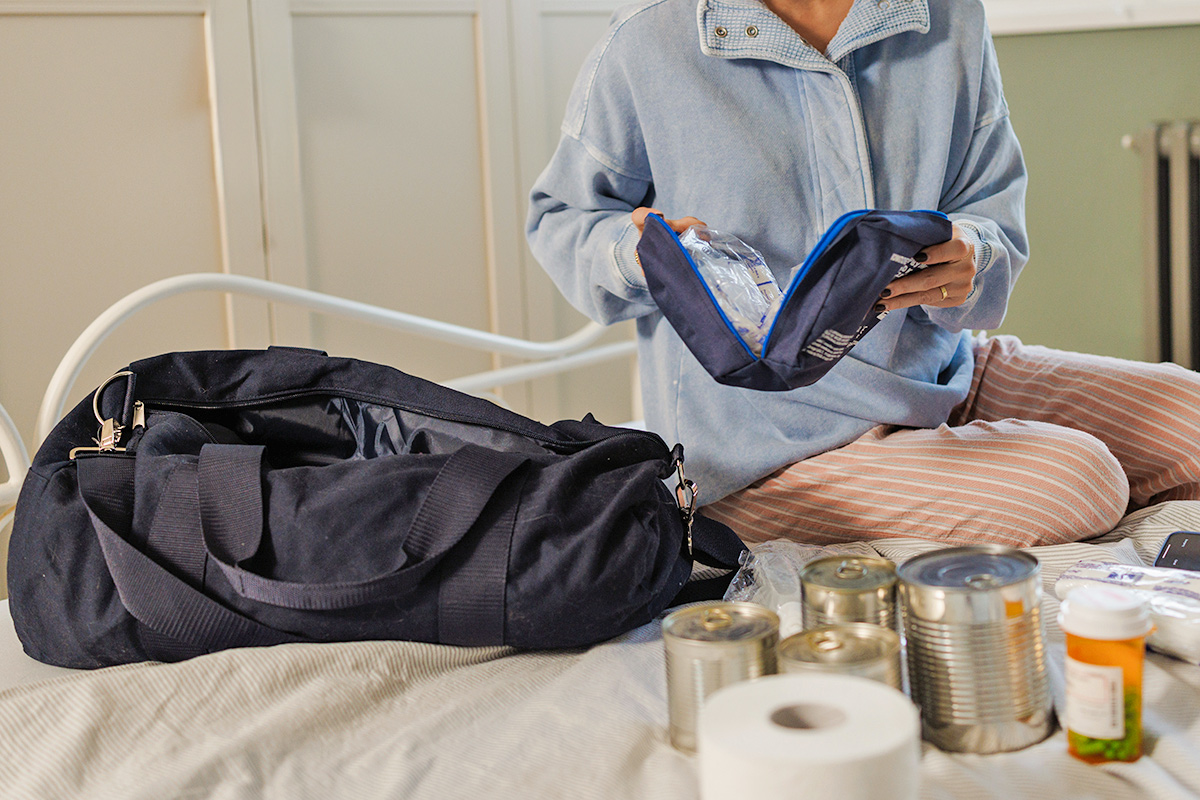
You’ll need a small supply of nonperishable food — think lightweight, ready-to-eat items like energy bars, canned goods, or dried foods — and enough water for at least three days of drinking and basic hygiene. If you have pets, you’ll want to pack food and water for them, too.
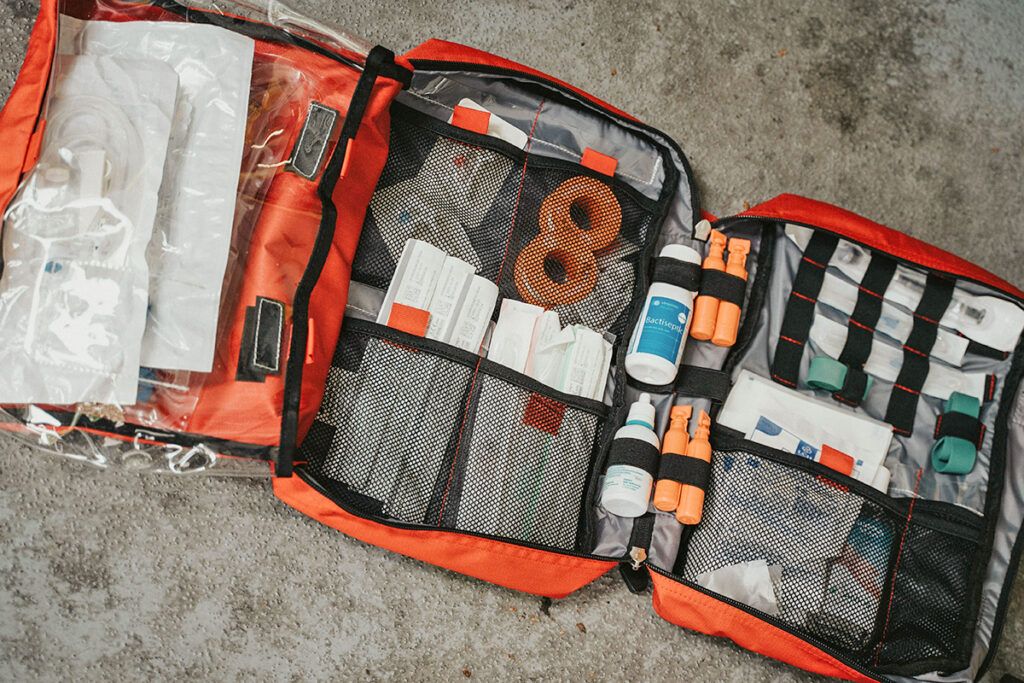
Medical Supplies
A basic first-aid kit — which includes bandages, antiseptic wipes, and pain relief — along with any prescription or over-the-counter medications you rely on, are essentials. It’s also worth packing a few simple hygiene items, such as hand sanitizer or wipes, and keeping copies of prescriptions in case you need them. You should also pack an extra set of eyeglasses (if you have them) or contact lenses, and you’ll want to bring along your pet’s medications and vaccine records, too.
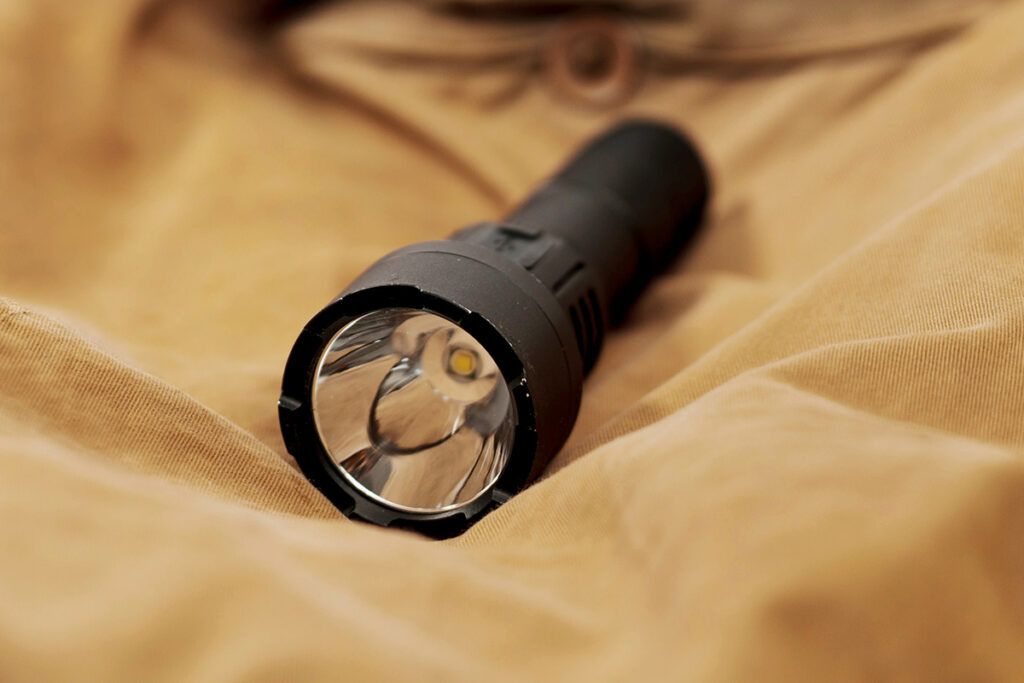
Lighting and Communication
A flashlight and spare batteries are important if the power goes out, and a portable radio can help you stay informed if internet access or cell service is unavailable. Similarly, something like a whistle might seem trivial, but it can come in especially handy if you need to get someone’s attention quickly. Don’t forget to pack extra chargers for your phone and other devices.
Protective Items
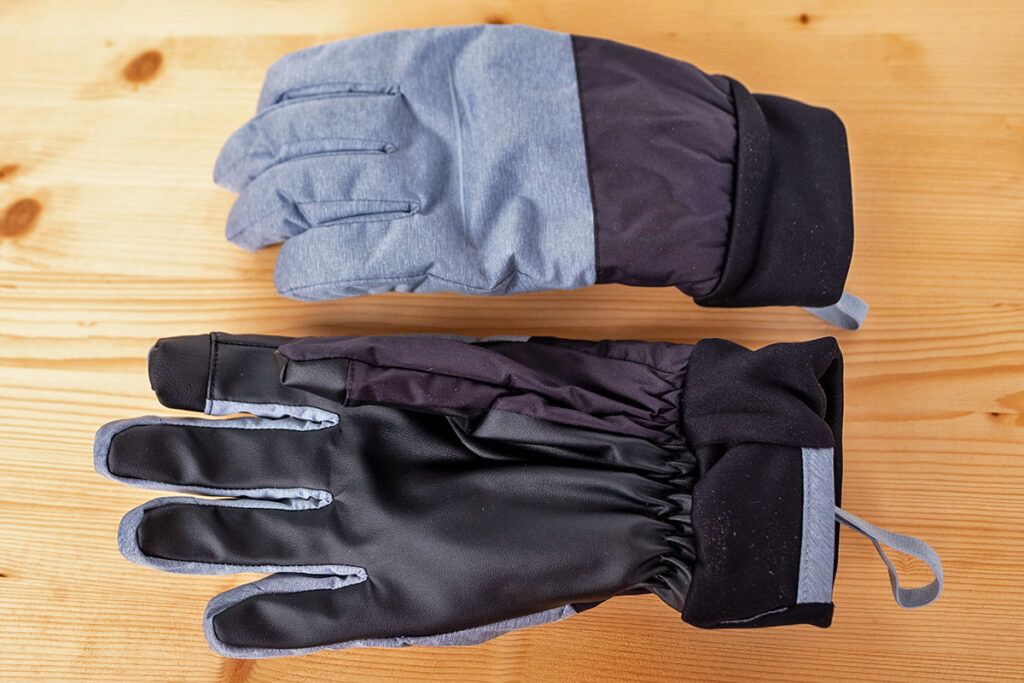
Think in terms of practicality — clothing suited to the weather, waterproof gloves and outerwear (depending on the season or climate), and an emergency blanket. You should pack at least one change of clothing and a durable pair of shoes for each member of your family.
Basic Tools
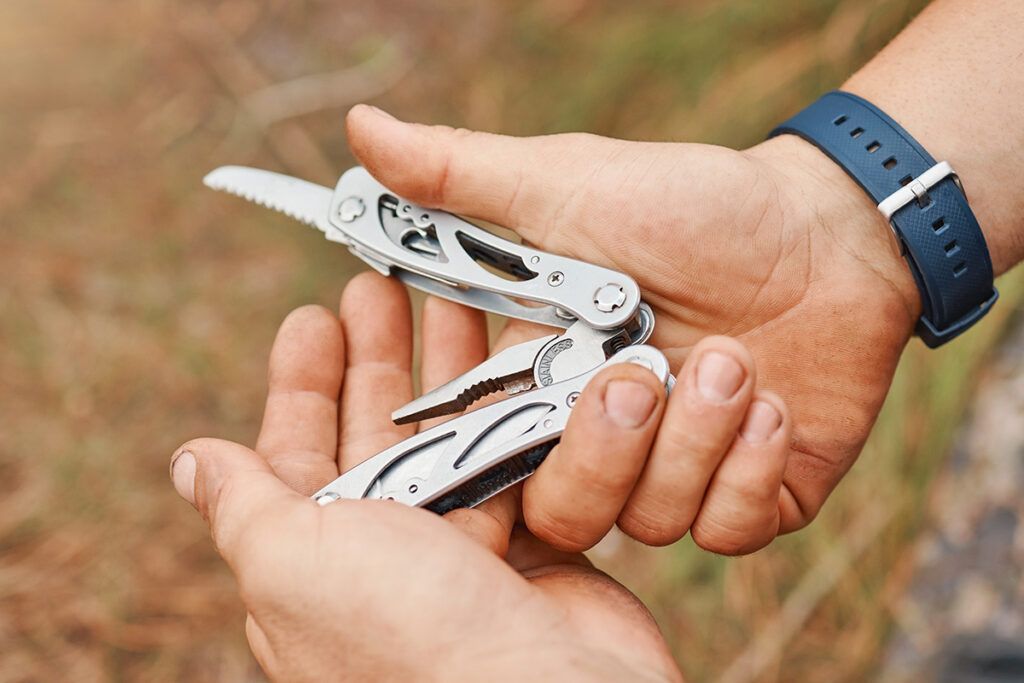
It’s a good idea to stash a couple of basic tools, such as a multitool, duct tape, and a manual can opener, in your kit. They can come in handy for quick fixes, turning off utilities, or setting up a temporary shelter if necessary.
Your Go Bag Is Packed — Now What?
Keep your go bag in a designated spot in your home and make sure everyone knows where it is so they can grab it if necessary. (You may also want to consider keeping similar kits at work and in your car.)
An important note: A go bag isn’t something you pack once and forget about. Supplies run out, batteries die, and your needs change over time, so it’s worth checking it every so often. That might mean updating it for the season, replacing expired items, or making sure it still fits your situation — whether your health has changed or you now have a child or pet.
Featured Image Credit: © Riska—E+/Getty Images
More From Our Network
Better Report is part of Inbox Studio, an email-first media company. *Indicates a third-party property.






Lauren Dana Ellman is a New York–based writer and editor specializing in lifestyle, travel, food, and shopping. A graduate of Syracuse University’s SI Newhouse School of Public Communications, she covers everything from destinations and hotels to fun product finds and personal essays. Her work has been featured in Condé Nast Traveler, AARP, Travel + Leisure, Time Out, The Knot, and more lifestyle-oriented publications.
This article is for general informational purposes only.
Affiliate Disclaimer Medical Disclaimer Financial Disclaimer