11 ‘Healthy’ Foods That Aren’t Actually Good for You


Walk through any supermarket and you’ll see shelves full of foods marketed as smart, natural, or diet-friendly. Labels like these — along with “low-fat,” “organic,” and “gluten-free” — can create what’s known as a “health halo,” making products seem more nutritious than they really are. But in reality, many of these foods are highly processed and/or packed with added sugar or sodium. Here are some “healthy” foods you may want to examine a little more closely before adding them to your cart.

Flavored Yogurt
Flavored yogurt is often viewed as a nutritious breakfast or snack since, like traditional unflavored yogurt, it contains protein, probiotics, and calcium. However, many flavored varieties are loaded with added sugars. Even “sugar-free” flavored yogurt often contains artificial sweeteners, along with added colors and preservatives, which are linked to risks like metabolic syndrome (a group of conditions that include high blood pressure, high blood sugar, and high cholesterol) and cardiovascular disease.
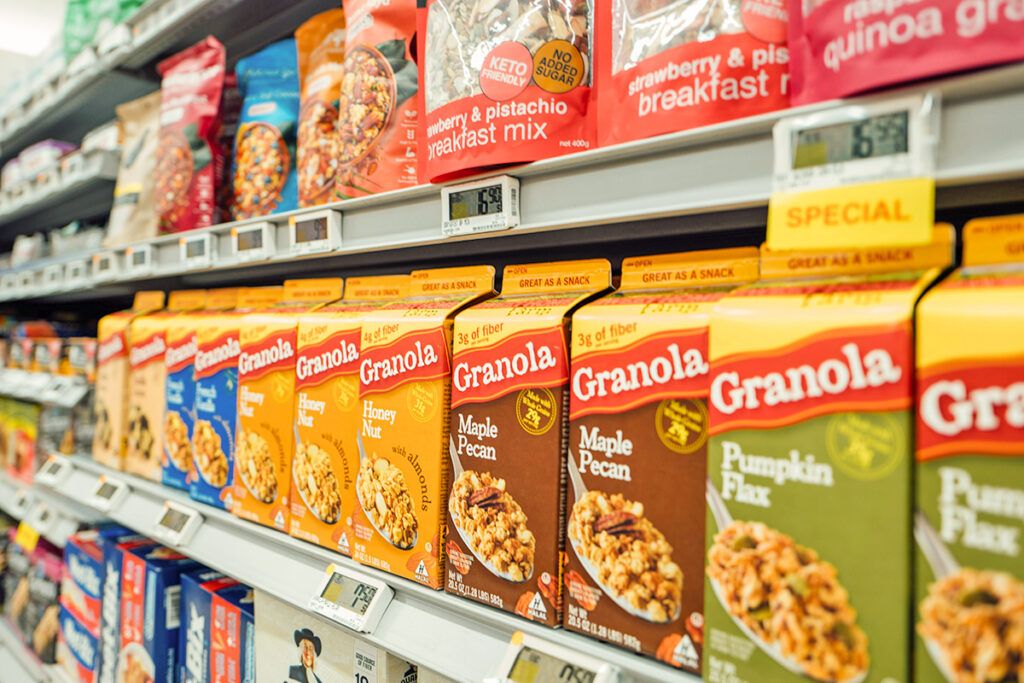
Granola and Granola Bars
Granola has a reputation as a healthy, energy-boosting snack thanks to its makeup of oats, nuts, and seeds. But many store-bought versions are packed with added sweeteners like honey or syrup that are mixed with oils, which are high in sugar and fat. Granola bars can be even more misleading — nutritionally, they’re often more like candy bars than a truly filling, healthy snack.
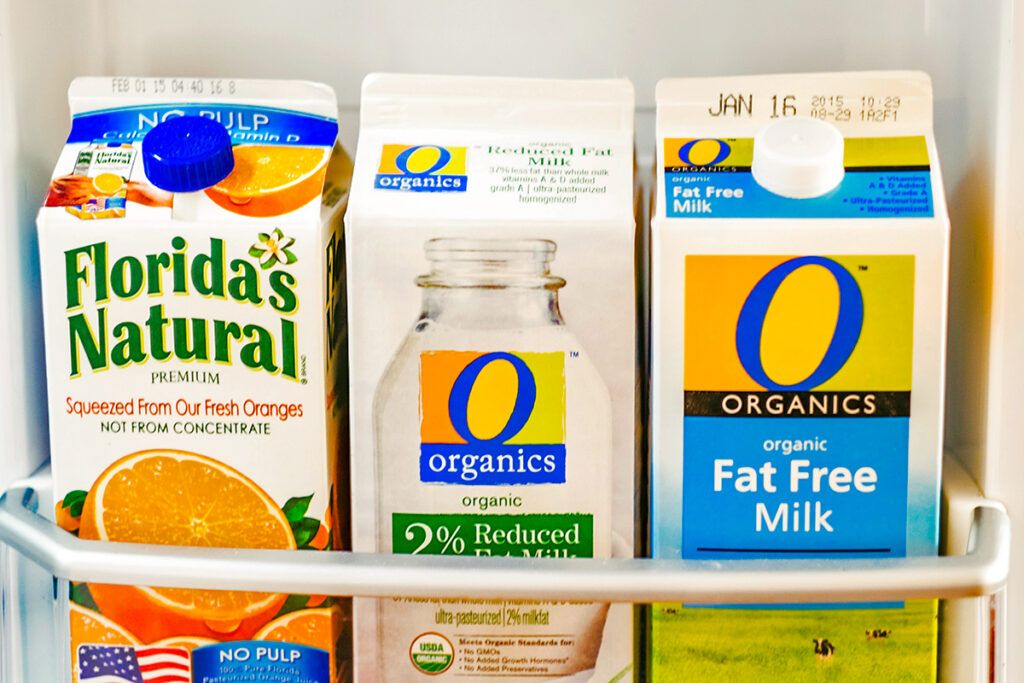
Low-Fat and Fat-Free Products
Foods labeled “low-fat” or “fat-free” might seem inherently healthy, but it’s not that simple. When fat is removed, flavor often goes with it — so manufacturers frequently add sugar, salt, or other ingredients to compensate. And not all fat is bad, anyway: Healthy fats play an important role in things like heart health, brain function, and reducing inflammation.

Reader Favorites




Gluten-Free Snacks
Gluten-free foods are essential for people with conditions like celiac disease, but for everyone else, they’re not automatically the healthier option. A lot of gluten-free snacks are made with refined flours and added sugars to get the right texture and taste, and they often miss out on the fiber and nutrients you’d get from whole grains. If you do go gluten-free, it’s better to stick with more nutrient-dense options made from whole ingredients, such as almond flour, quinoa, brown rice.

Smoothies, Juices, and Vitamin Drinks
Beverages marketed as healthy can be deceptively high in sugar. For example, fruit juices — even when labeled “natural” — often have most of their fiber removed during the juicing process. This fiber normally helps slow the absorption of sugar, so without it, juice can cause rapid spikes in blood sugar. Similarly, bottled smoothies and vitamin-enhanced waters, such as Vitaminwater, can easily mislead consumers with their high sugar contents. Vitamin-enhanced waters in particular lack the fiber found in whole fruits or even in some smoothies, yet deliver a concentrated dose of sugar, making them more like soda and other sugary drinks in terms of nutritional value.
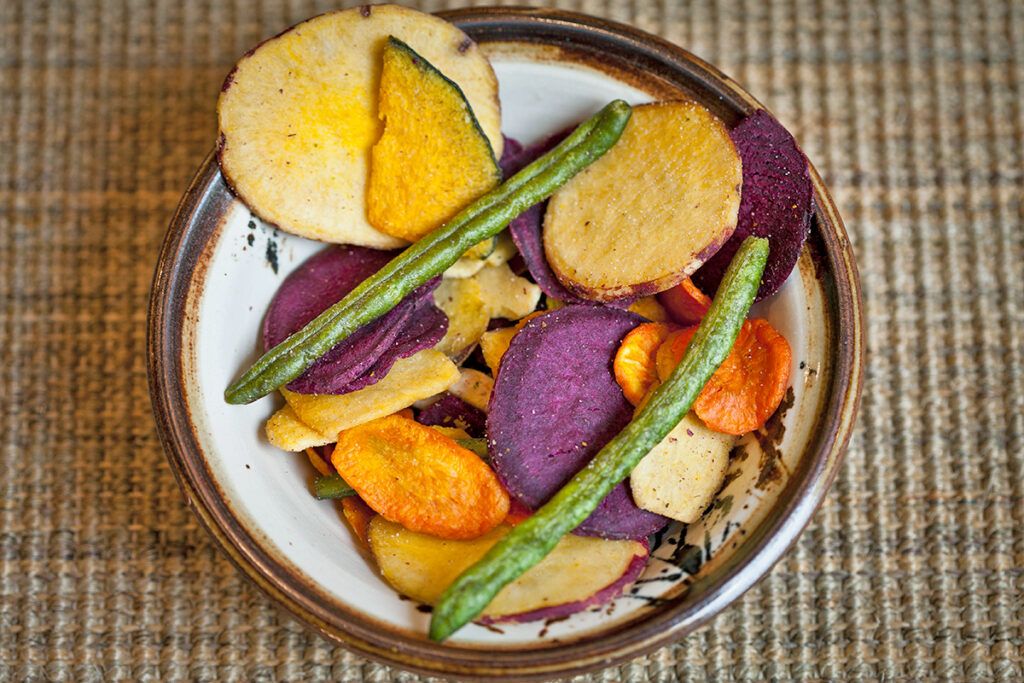
Veggie Chips
Veggie chips might seem like a better-for-you substitute for potato chips, but a closer look at the nutrition label says otherwise. These snacks are often made from refined starches, such as potato or corn flour, and then deep-fried. Fried foods can contribute to inflammation, while the process also adds calories, unhealthy fats, and a lot of sodium. Many versions of veggie chips also include artificial flavors and additives, which further reduce their overall nutritional value.
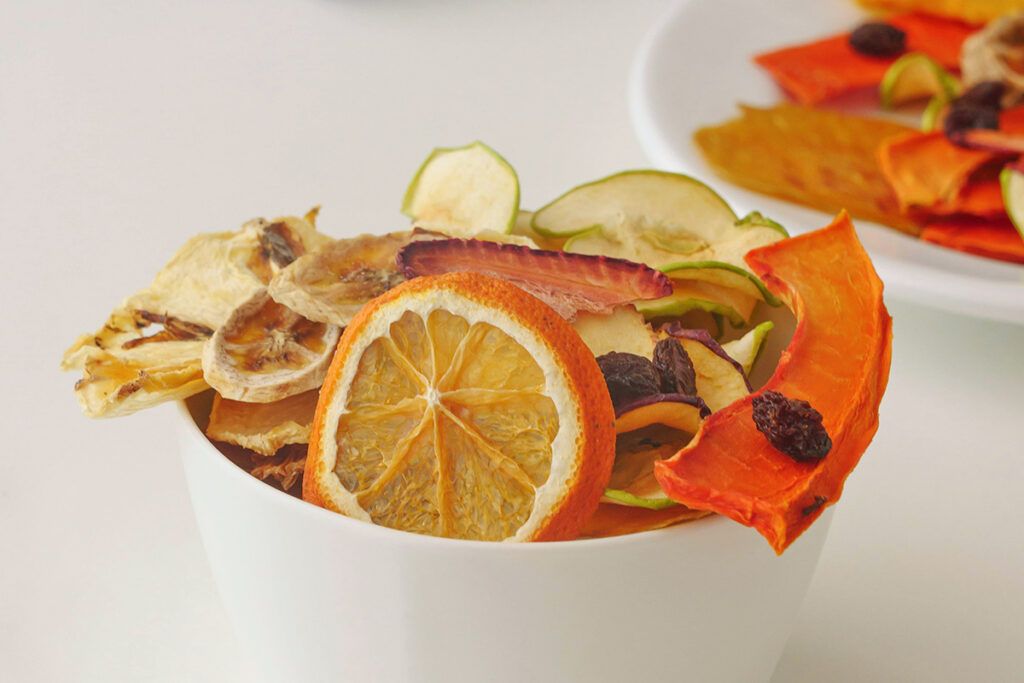
Dried Fruit
Dried fruit seems like an easy, healthy snack, but the drying process concentrates sugar and calories: According to Harvard Health Publishing, there are 10 grams of sugar in 100 grams of fresh apple, but the same amount of dried apple has 57 grams of sugar. And manufacturers may add even more sugar on top of that — all of which means it’s easy to consume a lot more sugar than you realize when you reach for a bag of dried fruit.
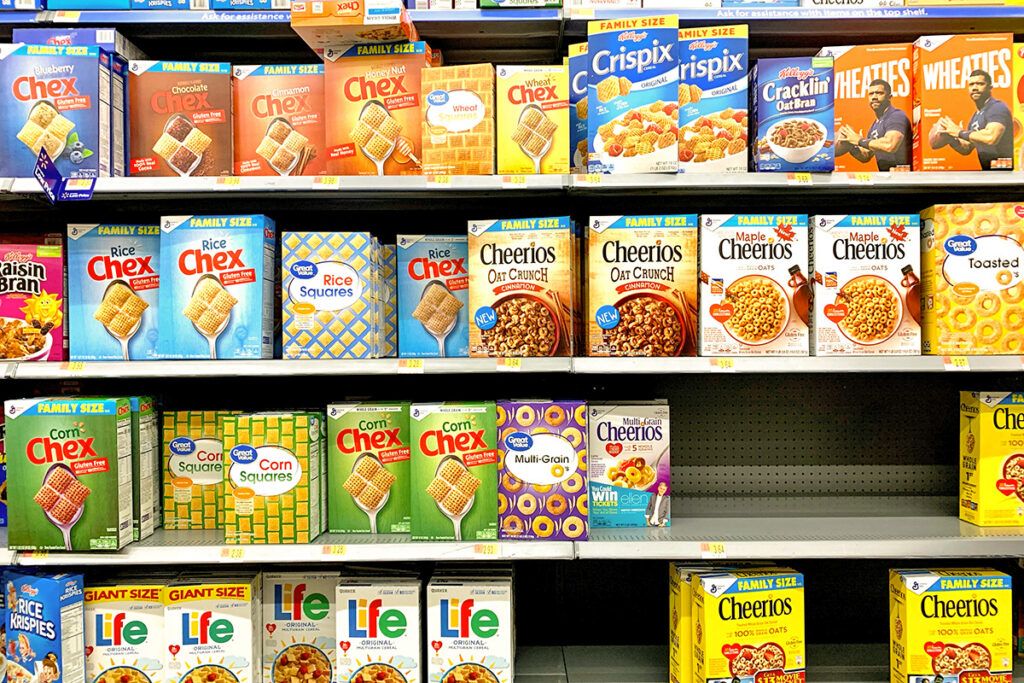
Breakfast Cereals
Many breakfast cereals are heavily processed and packed with added sugar — even ones you wouldn’t expect. Unbeknownst to many, some cereals labeled “whole grain” still include refined grains, which removes fiber, vitamins, and minerals, making them less nutritious than they seem. Rice Chex, for example, has whole grain rice as its first ingredient, followed by refined rice, resulting in 2 grams of fiber and 3 grams of protein per serving (along with 3 grams of added sugars).
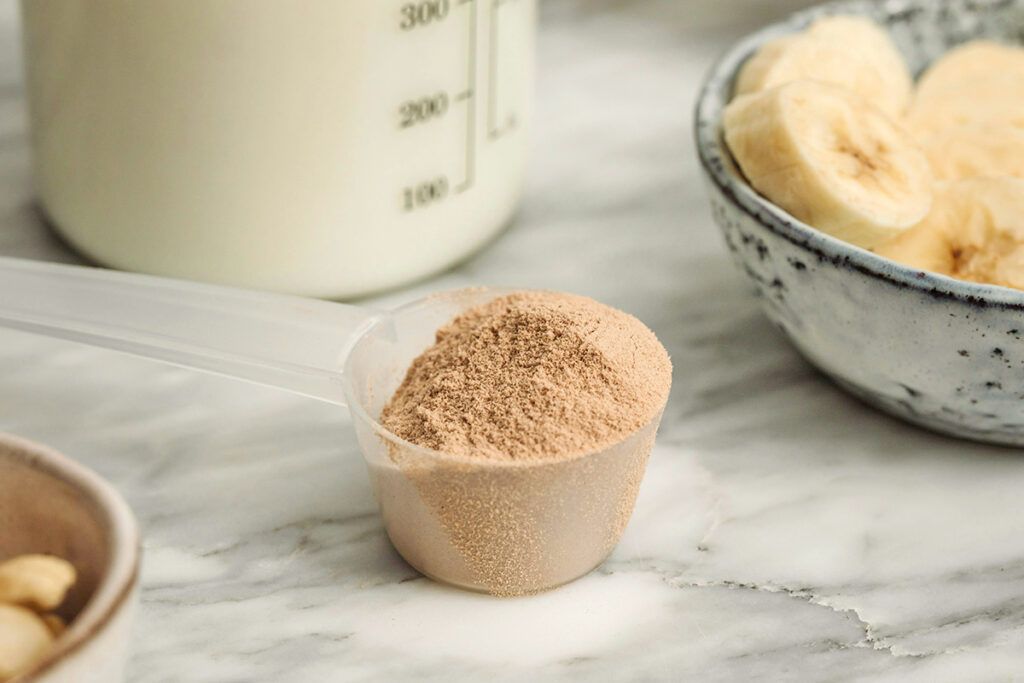
Protein Bars, Powders, and Shakes
Protein bars and shakes are popular for their convenience and “healthy” image. Still, many are highly processed and packed with added sugar and artificial ingredients, which reduces their overall nutritional value. Certain protein powders have also been found to contain heavy metals, raising further concerns about their safety, especially when consumed frequently or in large quantities.

Plant-Based Meat Alternatives
Plant-based meats are often promoted as healthier than traditional meat. And while they can be useful alternatives, many are highly processed and contain additives, saturated fats, refined sugars, and sodium — sometimes even more than traditional animal protein. For those without specific dietary needs or restrictions, it may be a better idea to focus on whole, minimally-processed protein sources such as legumes, fish, eggs, or lean meats.
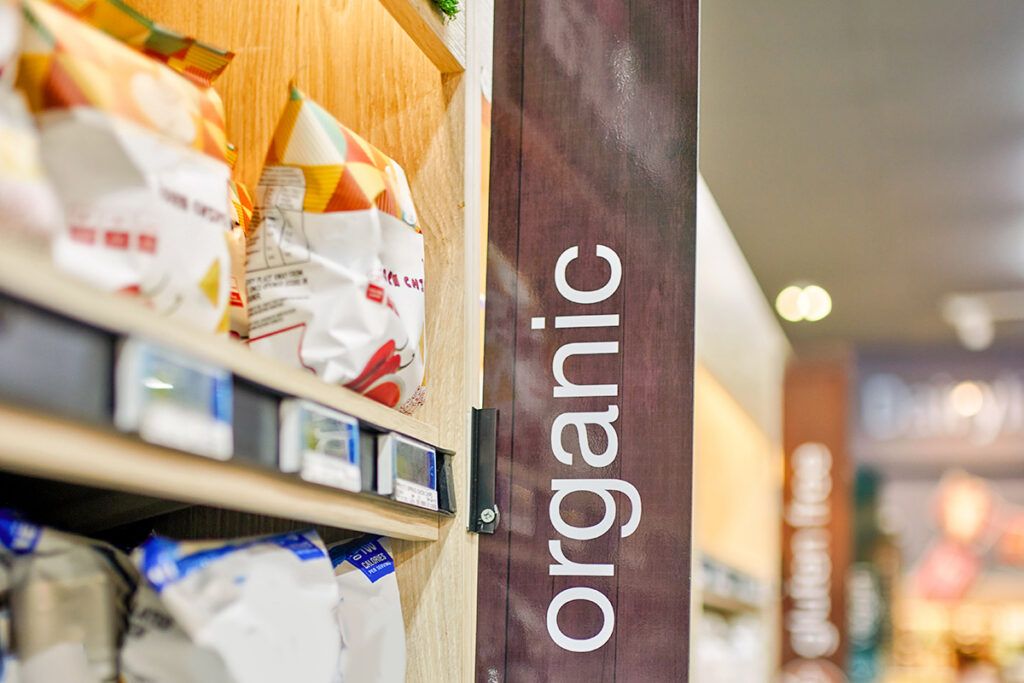
Organic and “Natural” Packaged Foods
Labels like “organic” and “natural” can be misleading. While organic foods may be made without certain pesticides, that doesn’t automatically make them more nutritious. Organic cookies, chips, and snacks, for example, can still be high in sugar, fat, and calories — they’re just made with different ingredients. The term “natural” is even less helpful, since it has no formal definition and doesn’t guarantee a product is minimally processed or actually good for you.
Featured Image Credit: © zigres/stock.adobe.com
More From Our Network
Better Report is part of Inbox Studio, an email-first media company. *Indicates a third-party property.







Lauren Dana Ellman is a New York–based writer and editor specializing in lifestyle, travel, food, and shopping. A graduate of Syracuse University’s SI Newhouse School of Public Communications, she covers everything from destinations and hotels to fun product finds and personal essays. Her work has been featured in Condé Nast Traveler, AARP, Travel + Leisure, Time Out, The Knot, and more lifestyle-oriented publications.
This article is for general informational purposes only.
Affiliate Disclaimer Medical Disclaimer Financial Disclaimer