6 Odors Around Your House That Could Be Unsafe


Not all smells around the house are good ones — and we’re not talking about the burnt casserole from last night’s dinner. Certain odors indicate dangerous issues that require immediate attention. Here are a few of the most common, unsafe smells around your home that you shouldn’t ignore.
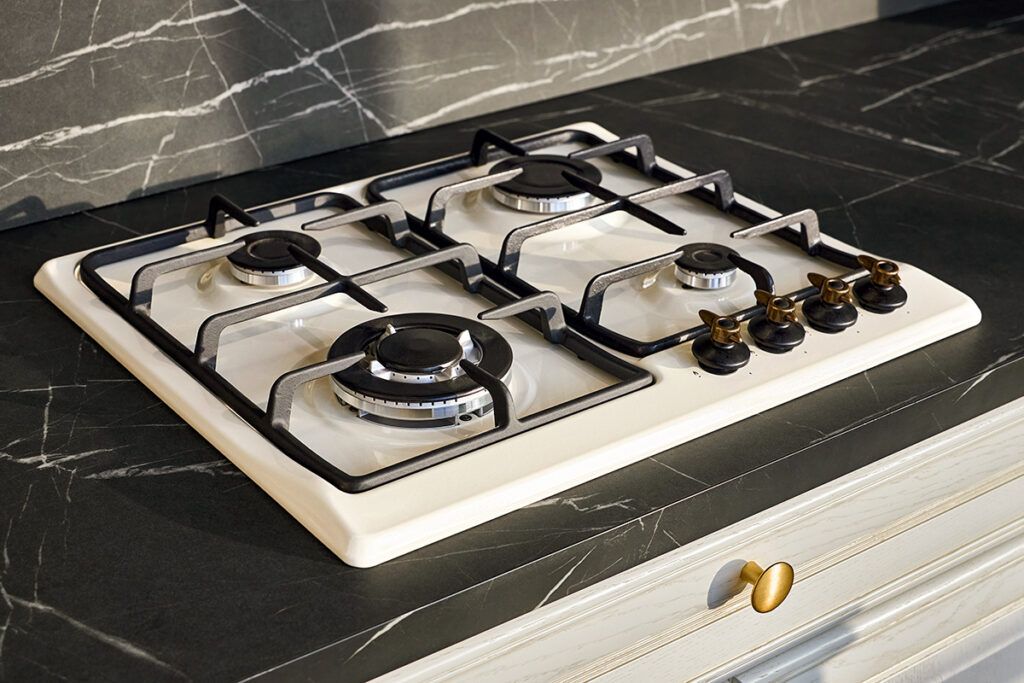
Rotten Eggs
If you smell sulfur, don’t check your fridge for rotten eggs: The smell comes from an additive to natural gas (which is itself odorless) and usually indicates there’s a dangerous gas leak. So, if you catch a whiff of rotten eggs, leave your house immediately and call 911 and the emergency contact number for your utility provider or city.
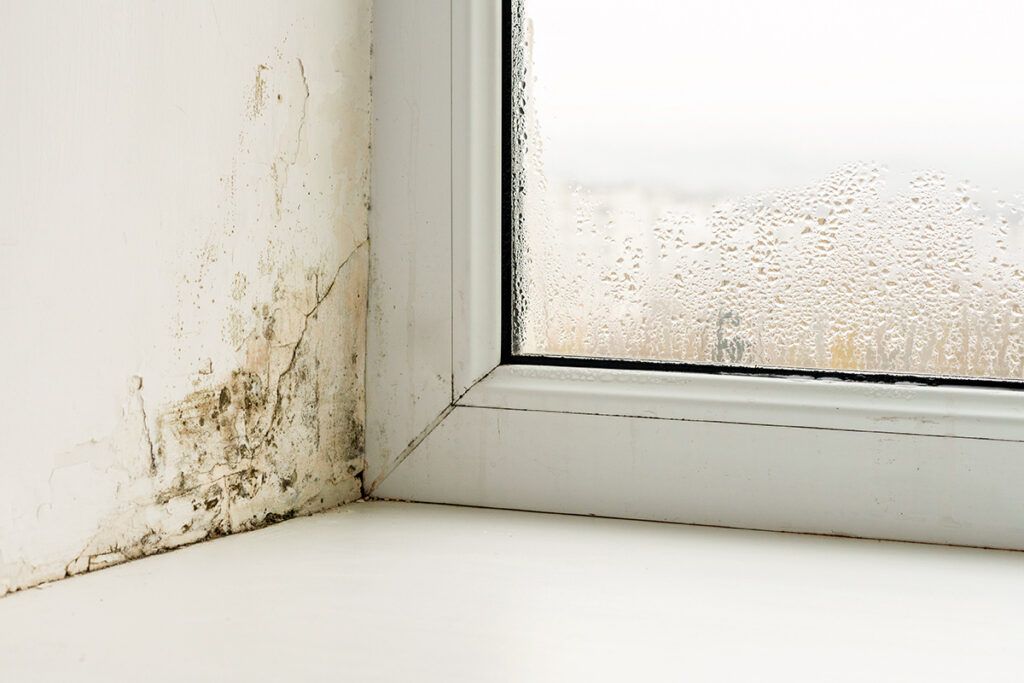
Mustiness or Dampness
A musty or damp smell — or odors similar to wet socks or rotten wood — may come from mold. Left unaddressed, mold can be toxic to your health and damaging to your home. Mold problems typically arise from damp areas. Check for leaks or signs of water damage under your sinks, around your HVAC system, and around appliances such as your refrigerator, washing machine, or dishwasher. Dark spots or stains on the walls and ceilings or by your windows may also indicate a mold problem.
Fix any obvious leaks or problematic appliances and clean up the mold (make sure to wear an N95 mask, gloves, and goggles). If the issue persists or covers a large area, it’s best to contact a mold detection and removal company.
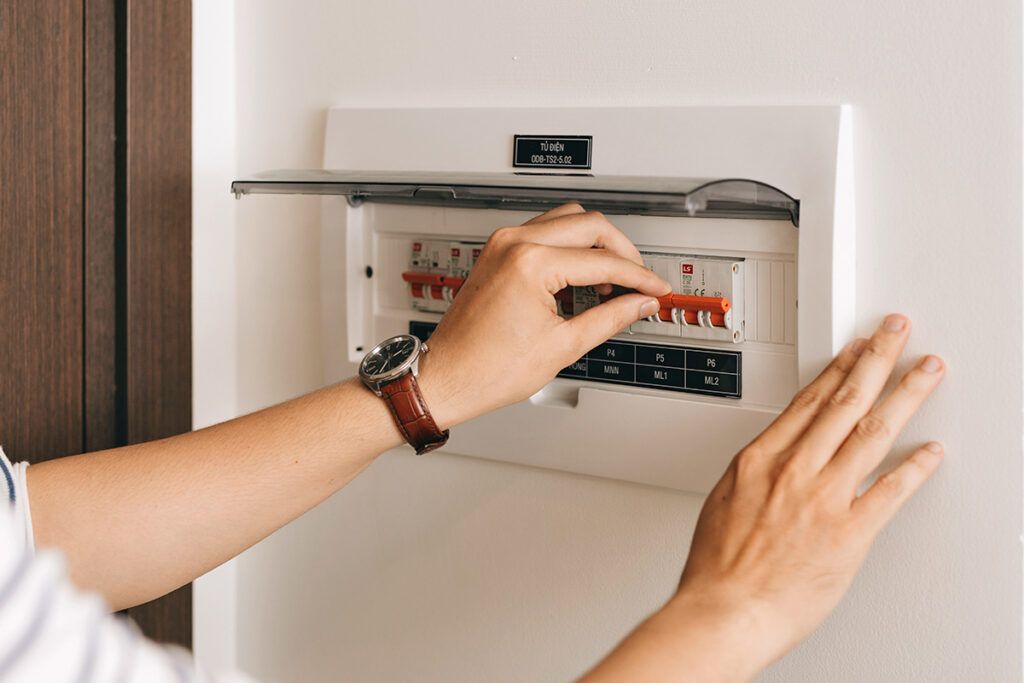
Fish
Assuming you didn’t have salmon for dinner, a fishy smell is a warning sign: Overheated electrical outlets or wires can burn the plastic insulation, triggering that fishlike odor.

Reader Favorites



Check your walls near light switches, outlets, and electrical panels, as well as appliances that are plugged in. If any outlets or switches feel warm to the touch, turn them off immediately. Unplug appliances as well. Contact an electrician to identify the exact issue, and never make any repairs yourself, as you can get injured.

Sewage
A strong odor of sewage can indicate a problem with your plumbing, such as a blocked sewer line, a dry section of pipe under a sink or floor drain, or improperly installed vents, among other issues. First, identify the source of the odor: Check in every bathroom, particularly around the toilet or shower drain; look in kitchen drains and around any floor drains in the laundry room or the basement; and examine any exterior vent pipes outside the house.
If you notice something like a dry drain, a leaking or damaged pipe, or a faulty seal around your toilet and you feel confident with repairs, you can handle the issue yourself. You can also try to resolve clogged drains by pouring hot water or a mix of baking soda and vinegar down the drain. But if you aren’t comfortable with repairs, are uncertain of the smell’s origin, or can hear bubbling in your drains, which could indicate leaking sewer gas,contact a plumber ASAP.
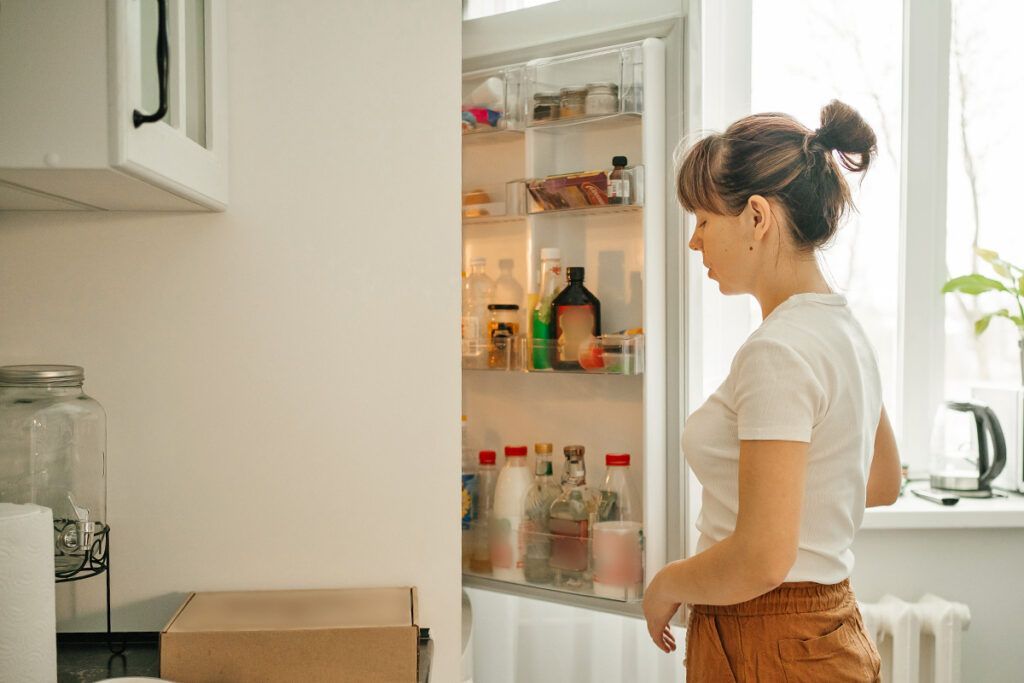
Ammonia
The lingering odor of ammonia in your home may be a result of a leaking fridge or washing machine hose. It can also be caused by an issue with your HVAC system — or a decomposing rodent.
If the smell is coming from the area around a major appliance, unplug it and contact a repair professional. A leak can increase your risk for a fire, so you don’t want to leave it unaddressed. If it’s coming from a crawl space, it may be a dead rodent. Since they can carry disease, and handling it yourself could expose you to unwanted illnesses, you may want to reach out to a pest control company for help.
Sweet
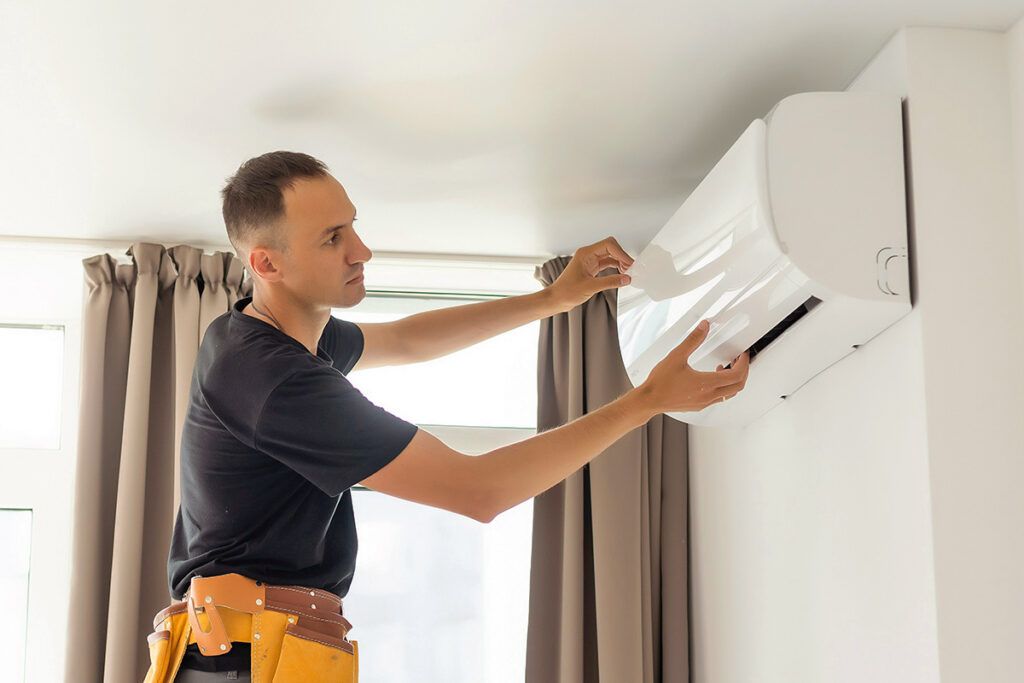
A sweet smell like maple syrup may sound pleasant, but unfortunately, it can indicate a refrigerant leak in your HVAC system, heat pump, or refrigerator. Even a mildly sweet smell can lead to a worsening problem — a leak can damage your home and also put your health at risk. So, turn off the appliance and call a professional for repairs.
Featured image credit: © Prostock-Studio—iStock/Getty Images
More From Our Network
Better Report is part of Inbox Studio, an email-first media company. *Indicates a third-party property.





Based in Portland, Oregon, Nicole Pyles is an experienced freelance writer who writes about home and kitchen, health and wellness, and more. She's written for a variety of outlets, including Better Homes and Gardens, Tom's Guide, Better Report, and more.
This article is for general informational purposes only.
Affiliate Disclaimer Medical Disclaimer Financial Disclaimer