How To Put Out Every Kind of Fire

All featured products and deals are selected independently and objectively by the author. Better Report may receive a share of sales via affiliate links in content.
A fire can cause immense damage to your home and property and even put your life at risk. According to the U.S. Fire Administration, there were more than 300,000 residential fires between 2014 and 2023, which caused over $11 billion in damage. The right fast-acting response can save your home and your life.
However, not all fires should be handled the same way. Nicholai Allen, an active wildland firefighter and CEO of the fire safety company MAUS USA, says that “using the wrong method can make a fire dramatically worse.”
With that in mind, we’re sharing ways to handle different types of fire in their earliest stages. Your first step should be to call 911. Then, “if the fire is small, contained, and you have the right tool on hand, you can attempt to suppress it, only if you can do so safely and maintain a clear exit path,” Allen says. But “if it’s growing, producing heavy smoke, or blocking your exit, leave immediately,” he adds, and leave the firefighting to the professionals.
Handling Fires by Class
The National Fire Protection Association (NFPA) classifies fires by the substance that is burning. There are five classifications — A, B, C, D, and K — and each requires a different approach.
Class A Fire
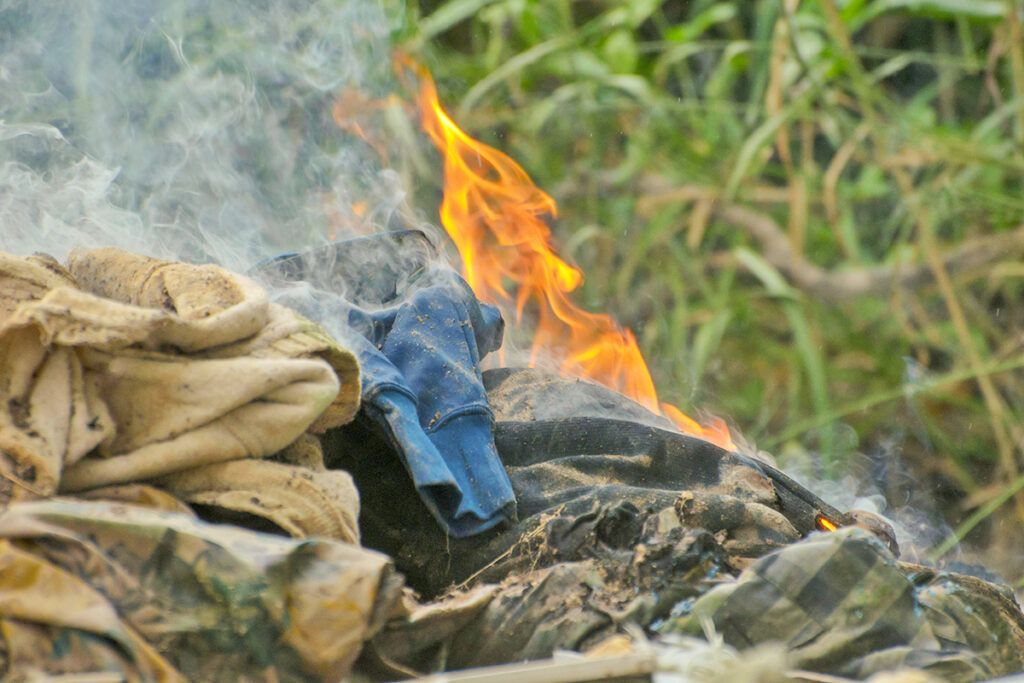
A Class A fire includes the burning of common combustible materials, such as wood, cloth, paper, rubber, and many plastics. For this type of fire, Allen says that “early intervention matters most” as it can “quickly become nondefensible.”

Reader Favorites



A Class A fire can be put out with a water, foam, or ABC extinguisher. To do so, “aim at the base [where the fire is burning] and maintain an exit path,” Allen advises. “Avoid letting it spread into walls, attics, or multiple fuel sources.”
Class B Fire
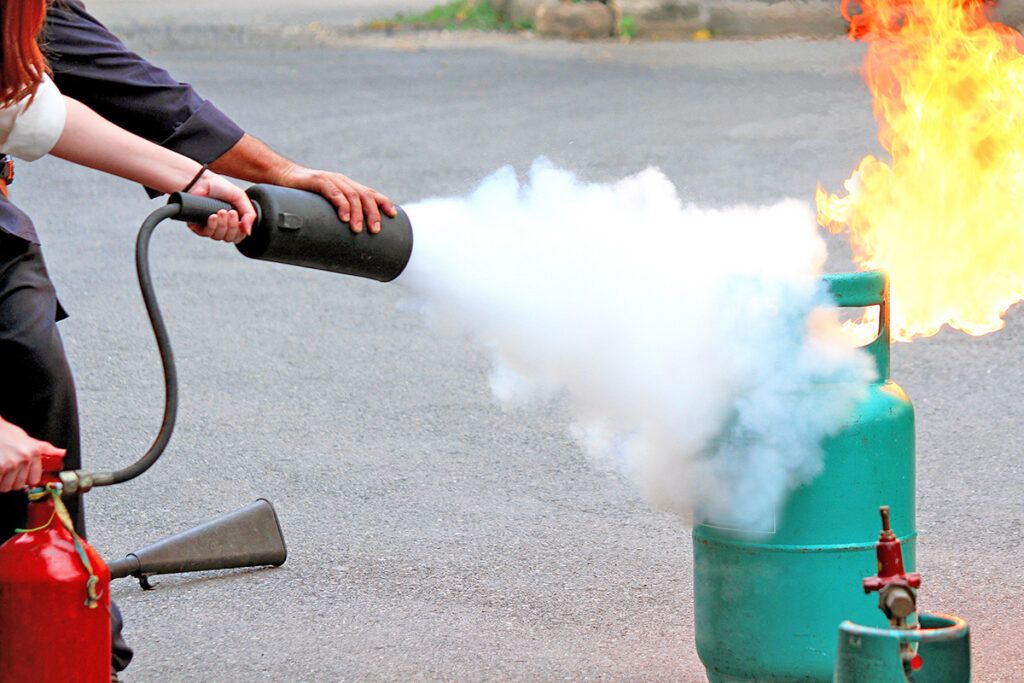
A Class B fire is the burning of flammable and combustible liquids, such as gasoline, solvents, or propane. For this type of fire, you should “never use water, as it spreads the fuel and fire,” Allen says. Instead, “use foam, CO2, or ABC extinguishers to smother the fire.” Additionally, if it’s safe to do so, “stop the flow of flammable liquid or gas feeding the fire,” Allen says. “For example, [by] turning off a gas valve, stopping a leak, or moving nearby fuel containers away from the fire.”
Class C Fire
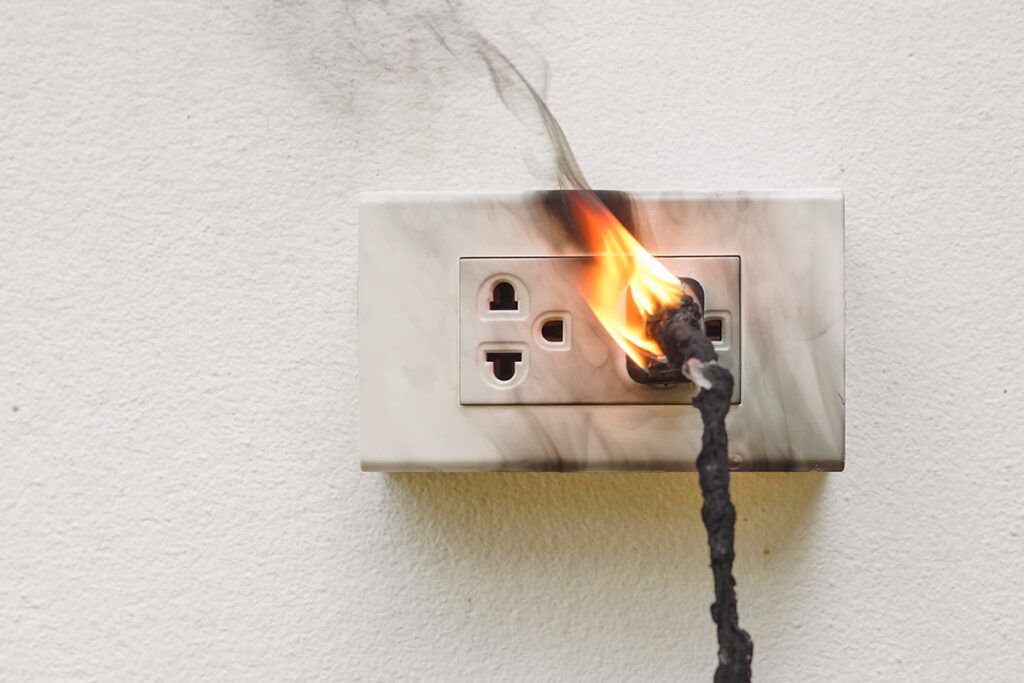
A Class C fire can include fuel from Class A or B, but with powered electrical equipment involved. Allen advises that the safest way to put out this type is to turn off the power first, if you can do so safely. Never use water, which can conduct electricity and put you in danger. Instead, Allen says, extinguishers that use “nonconductive agents like CO2 or dry chemical” are best. Using a fire suppressor — a device designed to interrupt the fire at a chemical level — is also an option. Not only do they “rapidly suppress fire in small spaces,” Allen says, but they also won’t damage your electronics, which is a possibility with traditional fire extinguishers.
Class D Fire
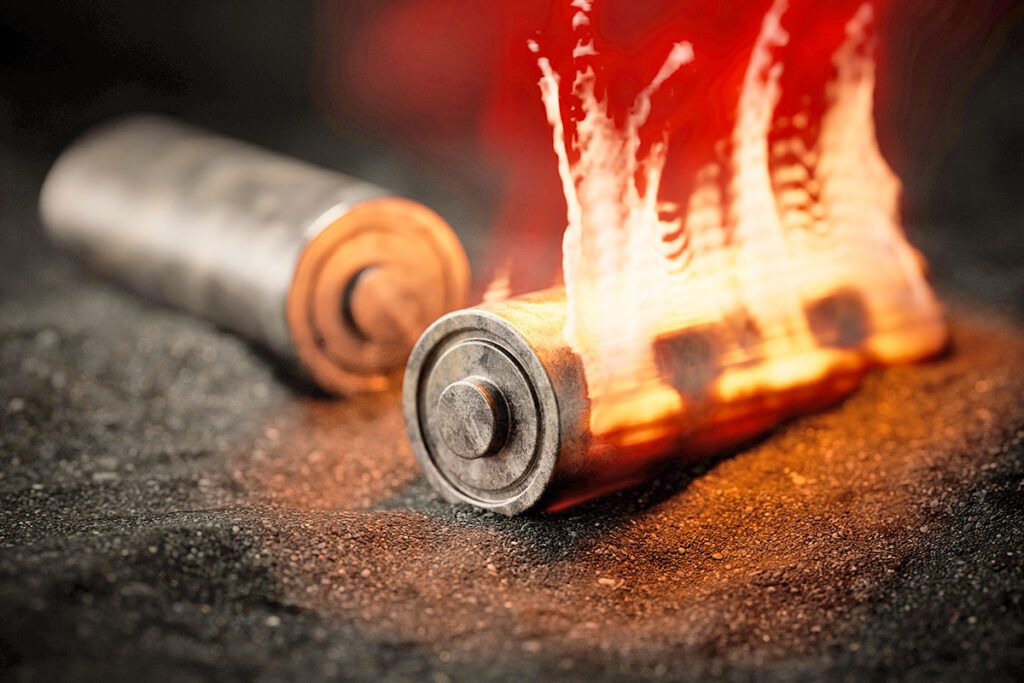
A Class D fire includes combustible metals, such as magnesium, titanium, zirconium, sodium, lithium, and potassium. Allen recommends avoiding DIY suppression as these “are highly specialized hazards.” Never use water or a traditional fire extinguisher, which Allen says can lead to explosions. Instead, evacuate the area and wait for professional firefighters to arrive.
Class K Fire
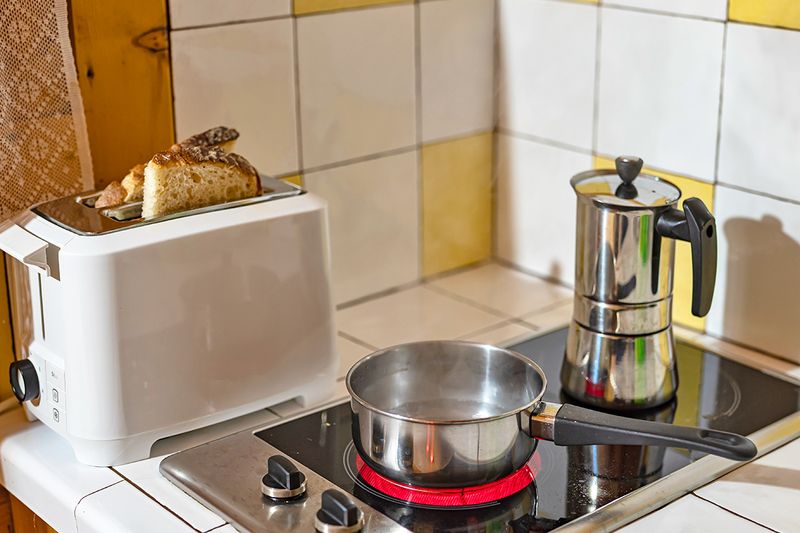
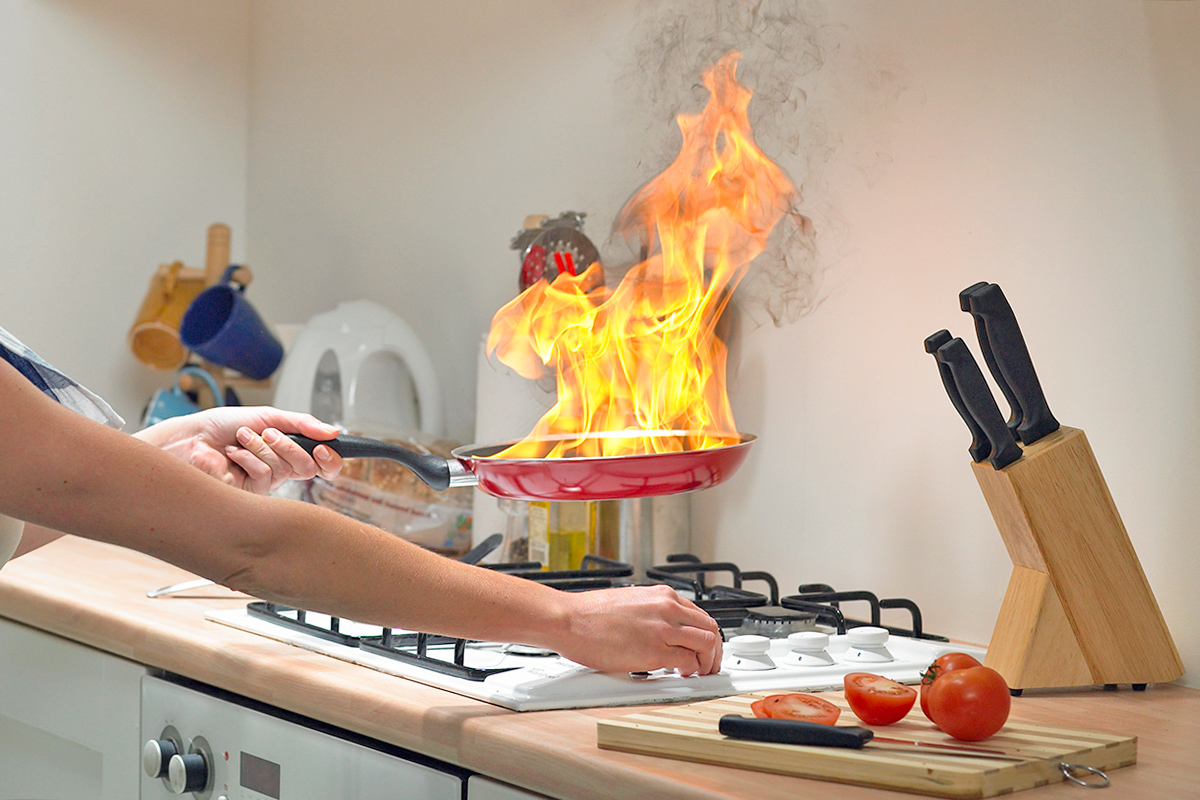
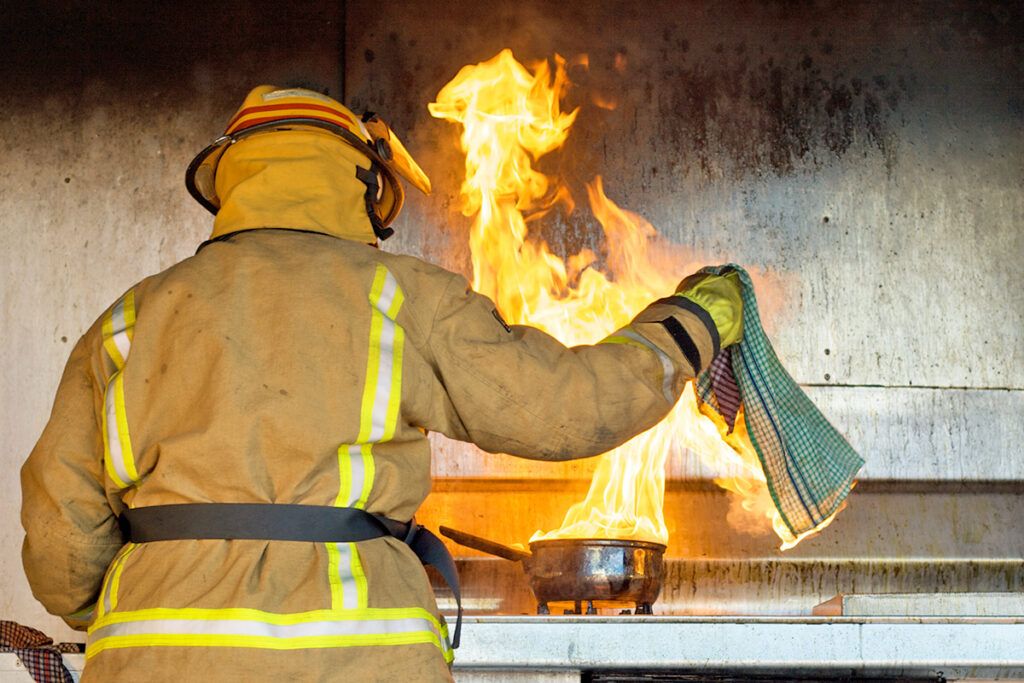
Class K fires include the burning of cooking oil and grease. This is the type of fire you’ll typically experience cooking at home. It’s responsible for about 44% of home fires in the U.S., according to the National Fire Protection Association (NFPA), and it’s “one of the most dangerous [fire scenarios] if handled incorrectly,” Allen says.
If it’s a small fire, the best move is to “cover it with a lid or fire blanket [and] turn off the heat,” Allen says. “Never use water, as it can cause explosive flare-ups.” For a larger fire, use a Class K extinguisher.
Must-Have Equipment for Handling Fires at Home
While it’s preferable to leave firefighting to the professionals, there are steps you can take at home to stop a fire from spreading. Just make sure to call 911 right away, as fires can spread quickly.
Here’s a list of must-have items to have on hand:
• Fire blankets, such as LifeVac Fire Blanket or Premium Defense Fire Blanket, are suitable for Class A, B, and K fires or for covering yourself during escape. However, they can leave fiberglass behind and may require cleanup.
• ABC extinguishers, such as the First Alert Residential Rechargeable Fire Extinguisher and Kidde Basic Fire Extinguisher for Home, Residential, can be used for Class A, B, and C fires.
• Aerosol fire suppressants, such as the one made by Allen’s company, MAUS Multipurpose Extinguishing Spray, or First Alert EZ Fire Spray, are suitable for Class A, B, and C fires.
• CO2 BC fire extinguishers such as the Kidde Home and Workshop BC Fire Extinguisher work on Class B and C fires.
Preventing a Fire
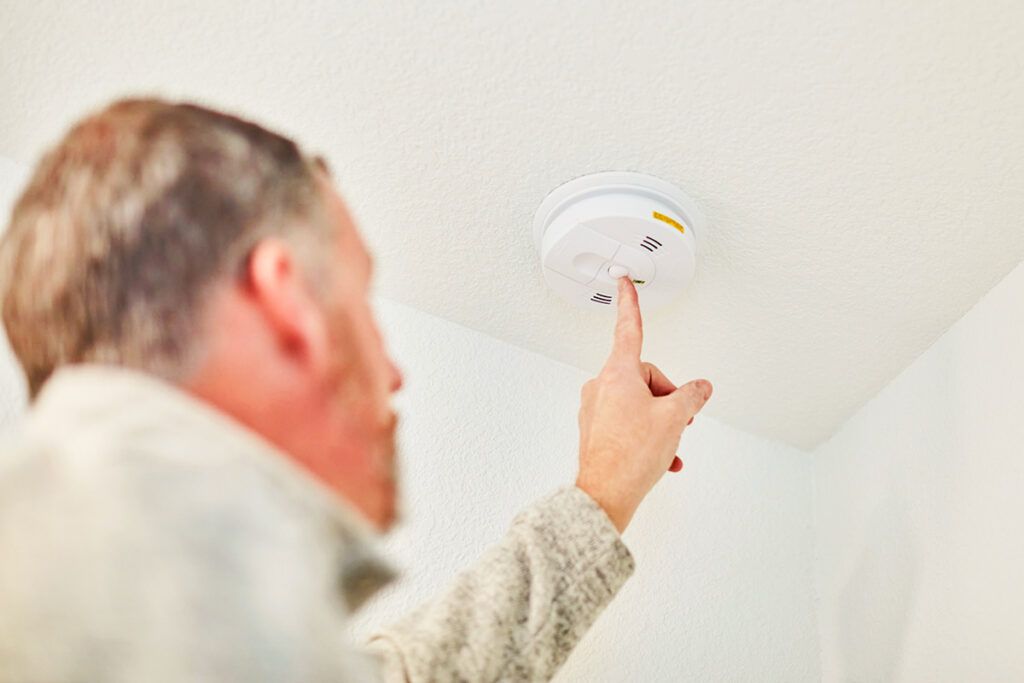
You can reduce your chances of having to handle a fire by taking the proper preventative steps. According to the American Red Cross, you should have smoke alarms installed on every level of your home. Test them every month to ensure they’re working and change the batteries when needed. Also, talk to your loved ones about a fire escape plan and practice it twice a year. As Allen says, evacuation is essential “when the fire is beyond control.”
Knowing how to use a fire extinguisher can help you take action when needed. Don’t practice with one around the house — you’ll need to refill it once it’s been used and will likely create an unnecessary mess. Instead, contact your local fire department or city for potential training. And don’t forget to check regularly to make sure it’s not expired.
Featured Image Credit: © Michael Blann—DigitalVision/Getty Images
More From Our Network
Better Report is part of Inbox Studio, an email-first media company. *Indicates a third-party property.






Based in Portland, Oregon, Nicole Pyles is an experienced freelance writer who writes about home and kitchen, health and wellness, and more. She's written for a variety of outlets, including Better Homes and Gardens, Tom's Guide, Better Report, and more.
This article is for general informational purposes only.
Affiliate Disclaimer Medical Disclaimer Financial Disclaimer