6 Reasons Your Washing Machine Smells

Of all the household appliances we’d expect to smell not-so-fresh after a while, the washing machine probably isn’t one of them — it’s continuously cleaning our clothes, after all, so shouldn’t it be clean itself? But over time, even the items in our household that clean other things need a little TLC. If you’ve noticed a musty or mildewy smell coming from the heart of your laundry room, it’s time to add it to your cleaning to-do list. Here are a few common causes behind unfortunate smells in your washing machine, along with cleaning tips to help freshen it up.
Buildup in the Gasket
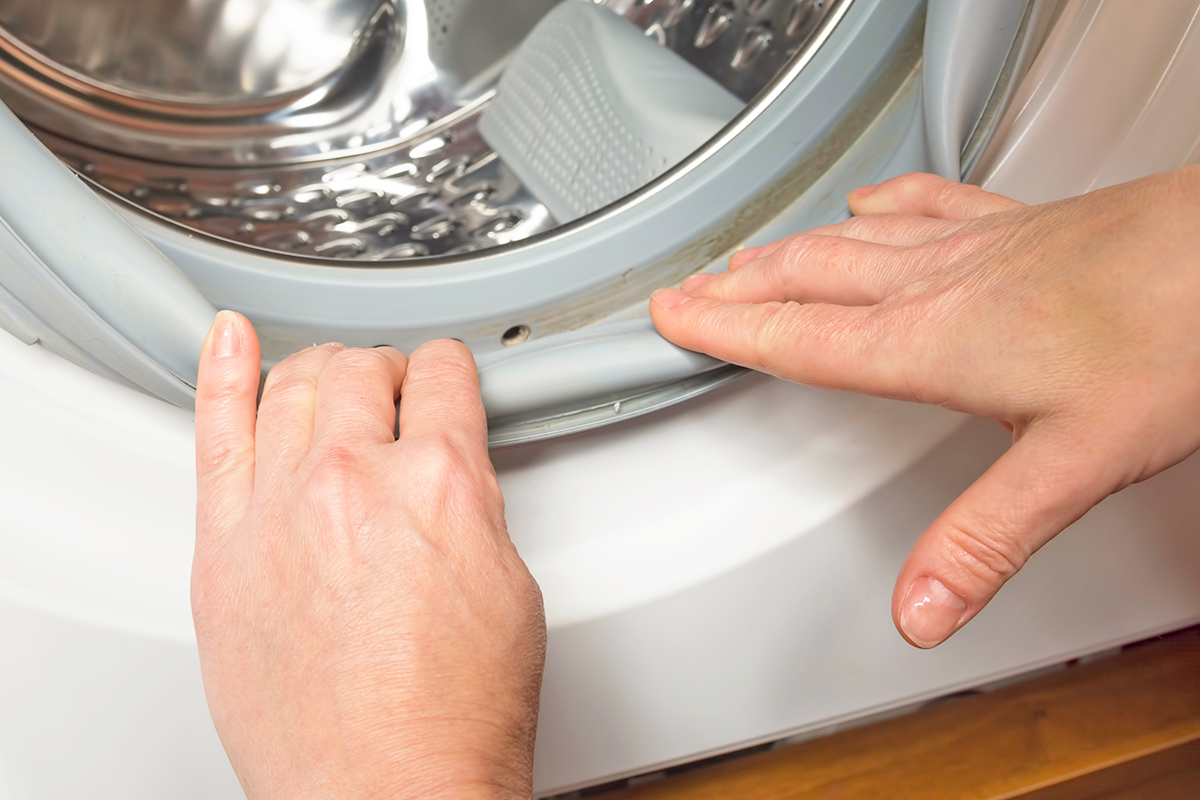
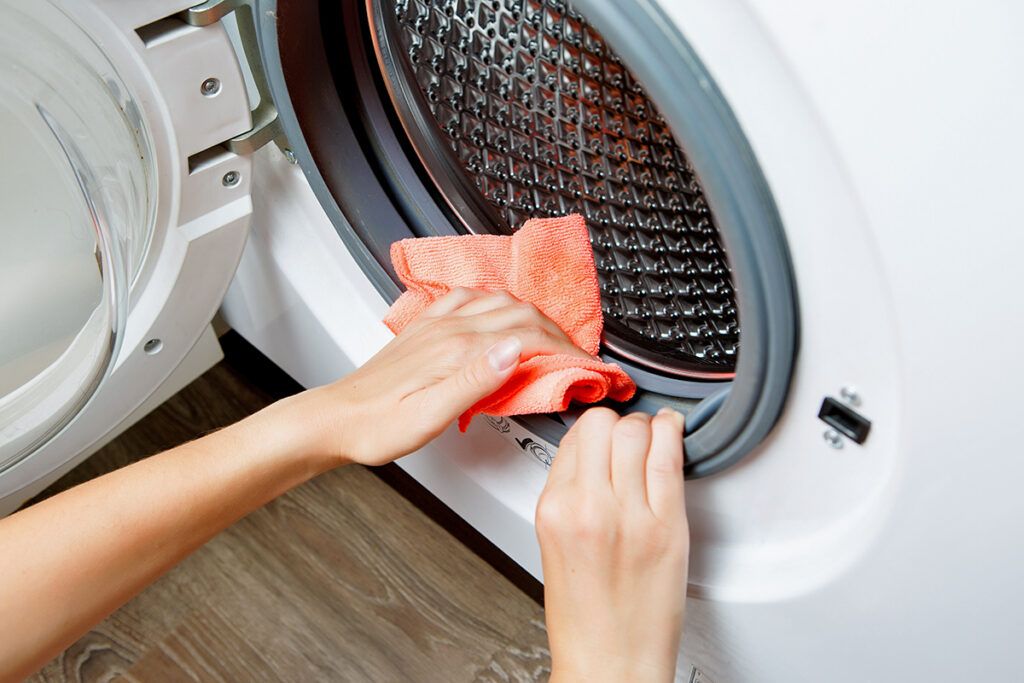
Whether you have a top-loading or front-loading washing machine, the gasket — the large rubber ring that acts as a water barrier — can start to smell due to mold and soap scum buildup. This will be more of an issue on front-loading washing machines than top-loading ones, but both should be cleaned regularly.
Clean the exterior of the seal using hot, soapy water and a microfiber cloth. To get into the seal’s narrow crevices, use an old toothbrush dipped in a vinegar and warm water solution. Wipe the seal down with a cloth and leave the door open until everything is dry.
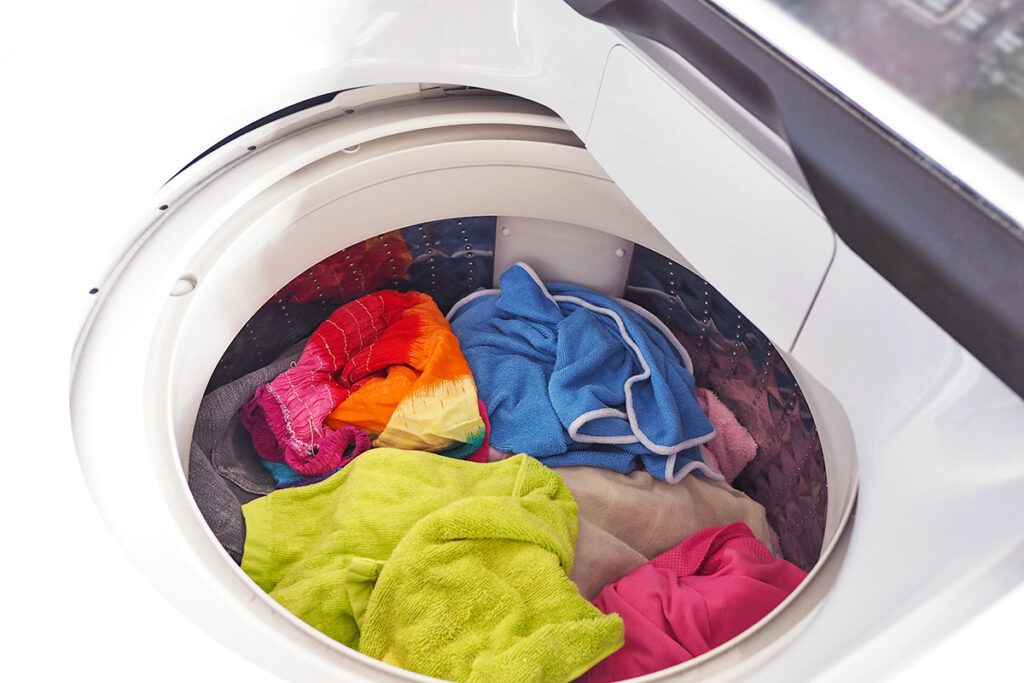
Wet Clothes Left in the Tub
While we’ve all made this mistake, leaving wet clothes in the tub for long periods after a cycle can lead to a musty smell. Remove clothes as soon as possible after the cycle is complete to keep your tub smelling fresh. To remove any lingering odors, wash your tub (more on that below).

Reader Favorites



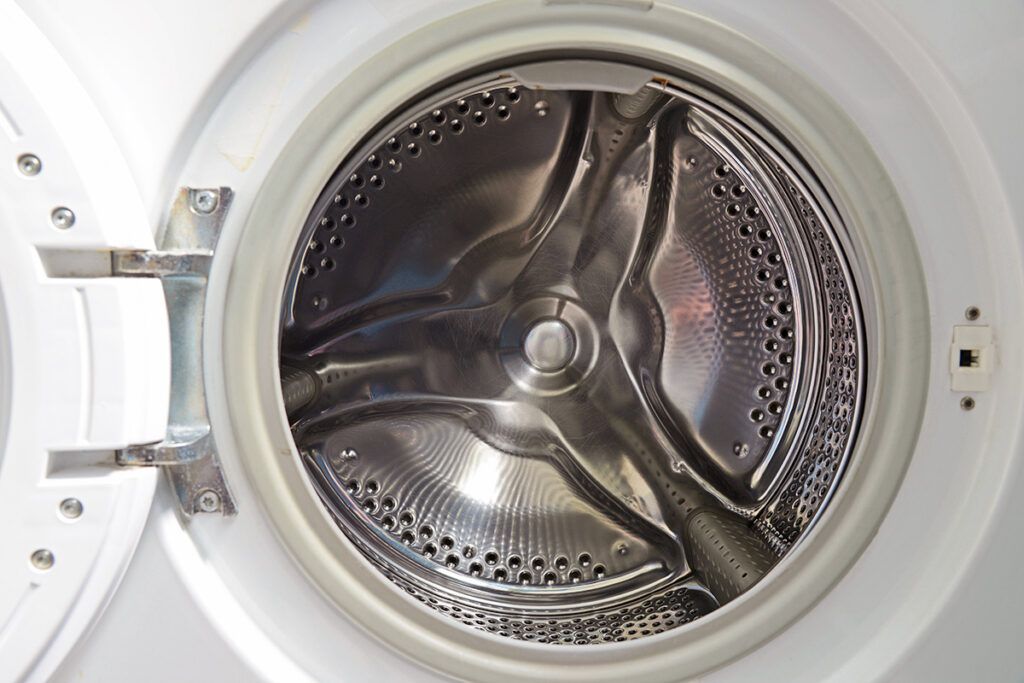
A Dirty Tub
Whether it’s from last week’s wet laundry or an accumulation of hard-water minerals, detergent residue, or hidden grime, your washing machine tub itself may be the source of unwanted odors.
To clean, pour one cup of bleach into the bleach dispenser and set your washer to the hottest cycle. (Make sure there’s no laundry in the tub.) When that’s done, run a final rinse cycle to remove any remaining bleach from the tub and clean the dispensers. Leave the door open for a while to allow everything to dry, and repeat once monthly to keep odors at bay.
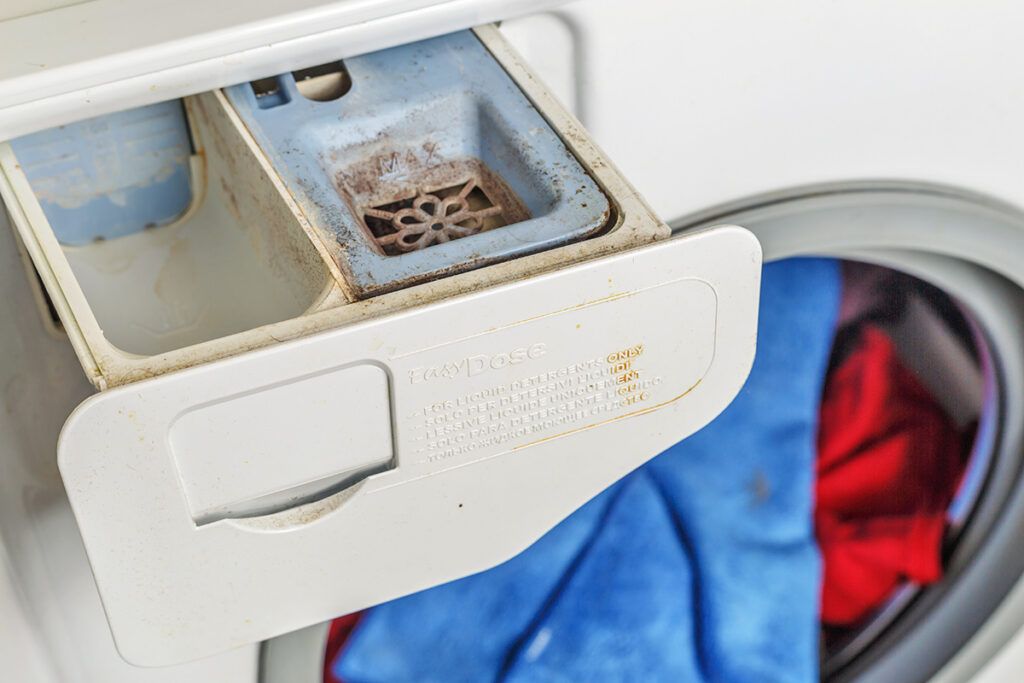
A Neglected Dispenser Drawer
Your dispenser drawer can smell because of the accumulation of soap and liquid softeners as well as mineral deposits from hard water. Remove the drawer, take out its inserts, and wash it all with mild soap and hot water using a soft brush. If you can’t remove the drawer, use a damp cloth to wipe it clean.
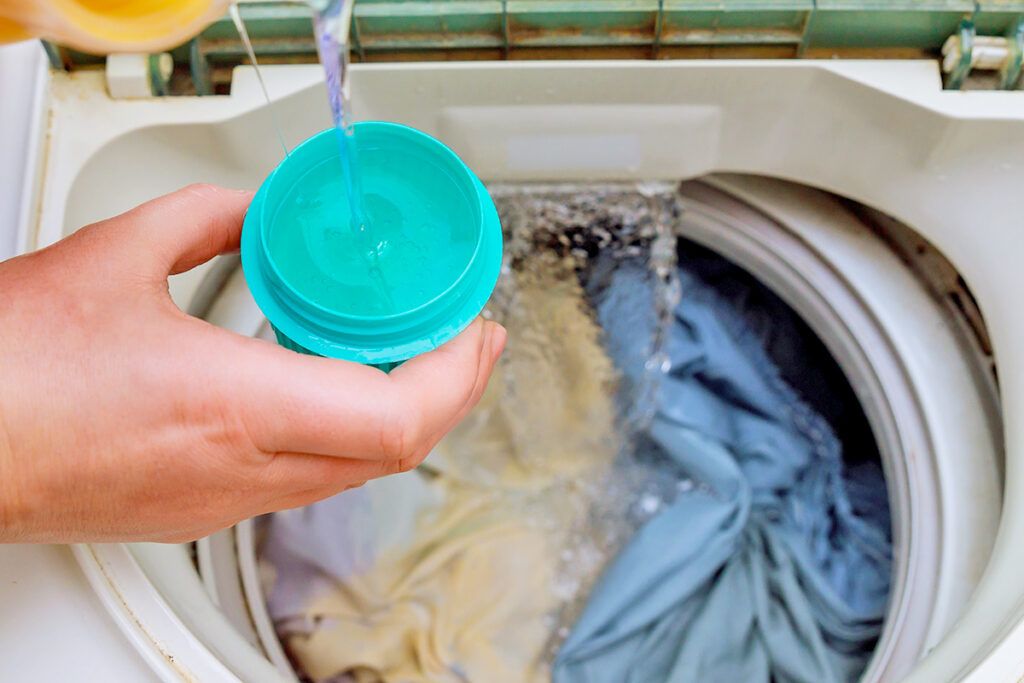
Using Too Much Detergent
Using an excessive amount of detergent is bad not only for your clothes, but also for the washing machine — high-efficiency (HE) washing machines typically don’t need as much detergent.
The exact amount you need will vary based on the size of the load, the soil level of your clothes, the type of detergent you use, and your washing machine. You should refer to your manufacturer’s guidelines to find out the ideal amount to use per cycle, but a good guideline for an average load is to use half an ounce of laundry detergent per cycle for HE machines and 1 ounce per cycle for non-HE machines.
Using Only Cold Water
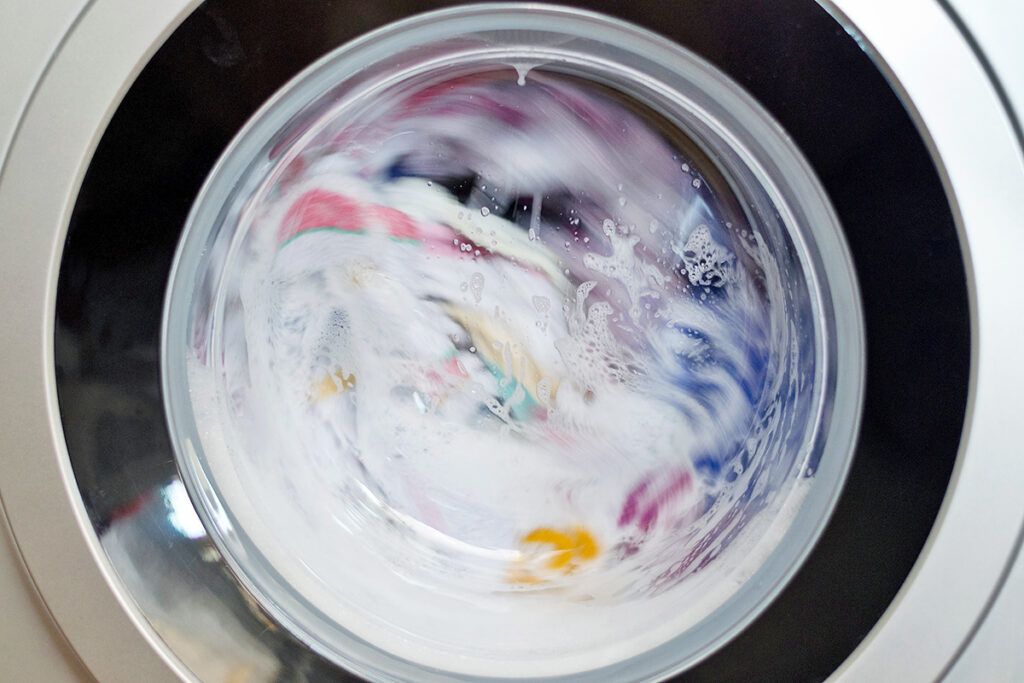
While using only cool water can certainly save money on your electric bill, it isn’t good for removing bacteria from clothes or residue from your washing machine tub, which can lead to increased mold and mildew that cause a smell.
You don’t need to switch to hot cycles to combat this problem. Just run the hot-water cycle in an empty tub occasionally to sanitize the machine.
Featured Image Credit: © denklim/stock.adobe.com
More From Our Network
Better Report is part of Inbox Studio, an email-first media company. *Indicates a third-party property.







Based in Portland, Oregon, Nicole Pyles is an experienced freelance writer who writes about home and kitchen, health and wellness, and more. She's written for a variety of outlets, including Better Homes and Gardens, Tom's Guide, Better Report, and more.
This article is for general informational purposes only.
Affiliate Disclaimer Medical Disclaimer Financial Disclaimer