Do You Actually Know How to Use Your Fire Extinguisher?


All featured products and deals are selected independently and objectively by the author. Better Report may receive a share of sales via affiliate links in content.
You’ve got one nearby. I’m sure of it. Maybe it’s behind a plastic case mounted to the wall in your apartment building’s hallway, at your storage unit, in your workplace, or at school. It’s smart to keep at least one in your home and garage. It’s your fire extinguisher, and despite what Looney Tunes and the Three Stooges would have you believe, it’s not entirely intuitive to use.
Take it from me. I’ve had to use several in my lifetime during real-life emergencies, both at home and in the garage. You might be thinking, “Hey, it’s just a point-and-click interface. How hard could it be?” Spraying the foam (or powder) isn’t the tricky part. It’s knowing where to aim it in order to actually put out the fire. Preparation beats panic. It pays to think about this now, because when there’s a real-life emergency, you’ll be in no emotional state to learn or figure out how to use a fire extinguisher. You won’t exactly have time to pull up your phone and begin loading YouTube tutorials when your curtains or your kitchen cabinets are burning away.
How to Use a Fire Extinguisher
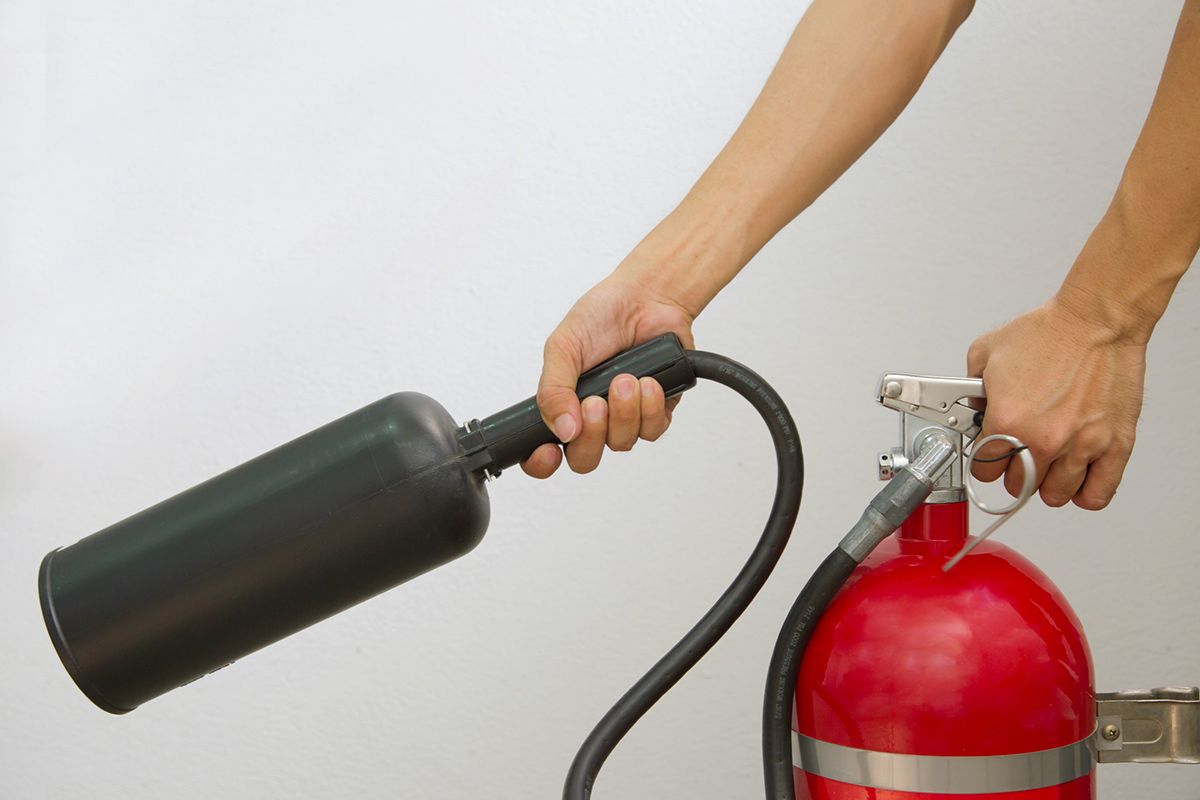
There’s a cutesy acronym for the right way to use a fire extinguisher: PASS. It stands for pull, aim, squeeze, and sweep. Do these four things correctly in that order, and your fire extinguisher just might put out the flames.
First, pull the safety pin that blocks the handle from being squeezed. It’s a loop of silver bare metal wire that unwinds into a straight pin, like a giant P, and it’s stuck through a hole in the handle. It’s easy to overlook, but every fire extinguisher I’ve seen has one. After all, the last thing you want is one going off accidentally and making a mess.
Then, aim the nozzle at the base of the flames. This is the important part that people tend to miss. In their panic, people often shoot the fire extinguisher wildly into the fire, and the extinguishing foam just goes through the tips of the flames without quenching them. You’re not going to put them out unless you go right for their base.
Now, with your nozzle aimed at the base of the flames, squeeze the trigger. Prepare yourself for a tremendous jet of white foam or powder to shoot out. The amount may surprise you, but keep going. Lastly, don’t just aim at a single spot at the base of the flames. Sweep the nozzle back and forth across the base of the area that’s on fire to put it all out, rather than just one little pinprick of an area.
Types of Extinguishers
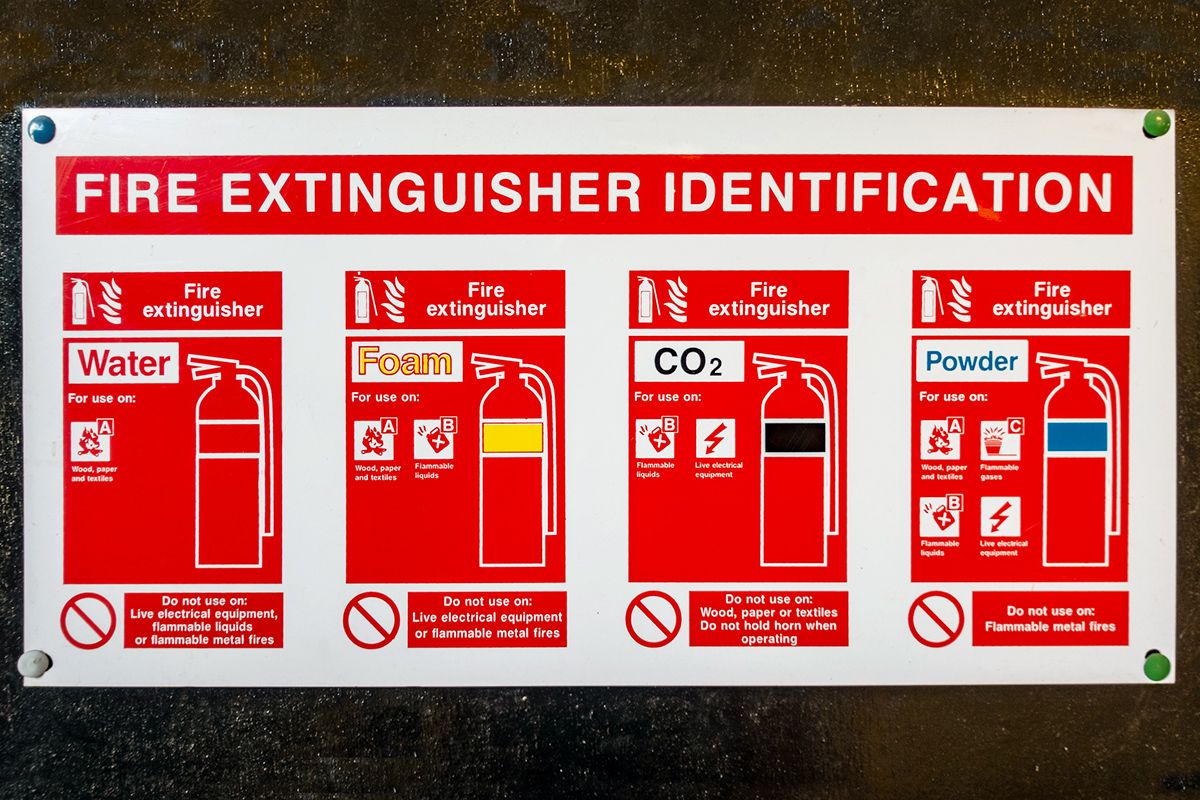
Whether foam or powder comes out of your extinguisher depends on the types of fires for which it’s rated. Fire extinguishers are classed according to the types of fires they’re designed to extinguish.
Class A: Common dry combustibles, including wood, paper, fabrics, rubber, and many types of plastics.
Class B: Flammable liquids, including gasoline, alcohol, oil, and paint.
Class C: Electrical equipment.
Class D: Flammable metals, such as titanium, magnesium, and sodium.
Class K: Cooking oils and fats, particularly for industrial kitchens.

Reader Favorites



Class A fires are so common, especially around the home, that it’s crucial to have an extinguisher capable of putting them out. Virtually everyone should prioritize having at least one or two ABC-rated fire extinguishers, which use sodium bicarbonate to smother A-, B-, and C-rated fires. I recommend the First Alert ABC-Rated Extinguisher or the Kidde ABC-Rated Extinguisher. Because cars are packed full of such diverse, flammable materials from all three classes, including rubber, gasoline, and electrical equipment, you should get an ABC-rated fire extinguisher for your garage, too.
BC-rated fire extinguishers use monoammonium phosphate as its extinguishing agent, which does a bit better of a job fighting Class B and C fires. Class D and K fire extinguishers are uncommon outside of industrial settings. Few companies sell them for the home.
Maintaining Your Extinguisher
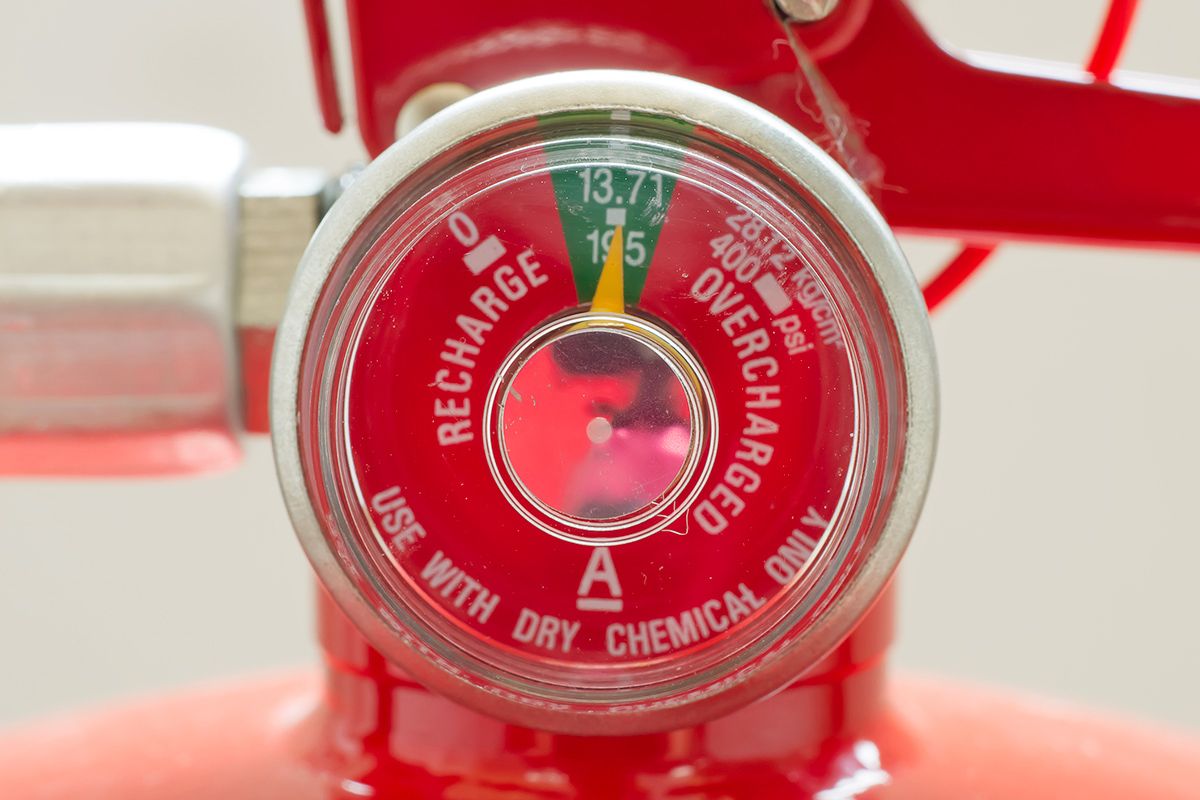
Whichever you buy, make sure you routinely check the pressure gauge on each of your extinguishers. The needle should rest within the green zone. If it exceeds or drops below and into the red on either side, you need to either replace the fire extinguisher or have it checked by a certified fire equipment dealer near you — not your local fire department.
Traditionally, the advice is to have one fire extinguisher per level of your home. My own practice is to keep one in the kitchen, because that’s one of the most common locations of home fires, one in the bedroom, and one in the garage, at a bare minimum. From there, I’d add more for additional floors of the home if I had multiple stories still without an extinguisher on them. However many you choose and whichever brand you get, you’ve done yourself a huge service in preparedness just by reading this article. Now you know how to use a fire extinguisher exactly how you’re supposed to, should you ever need to.
An Alternative
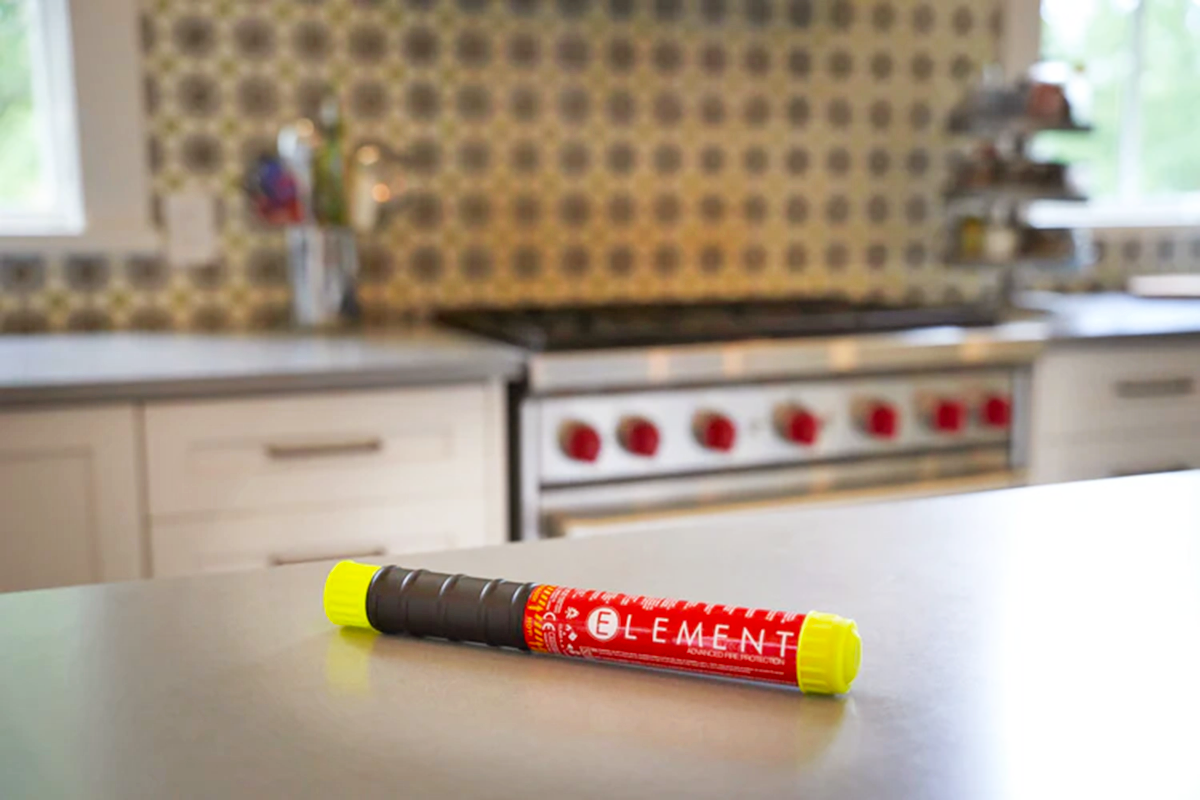
There is an interesting alternative fairly new to consumers. Marketed to regular folks most notably by Element, these fire extinguishers ditch the spray of foam or powder in favor of a mess-free gas that “chemically interrupts the chain of combustion,” as Element puts it. More simply, it suffocates the fire of oxygen so that the flame can’t sustain itself. Cleaning up after a fire extinguisher goes off takes a lot of elbow grease. Although it’s a lot easier than cleaning up after an unchecked fire.
Element extinguishers are a lot more expensive at $90, but they’re rated to fight all classes of fires, and they’re significantly smaller and lighter than traditional fire extinguishers. They haven’t replaced my traditional extinguishers around the house, but I’ve begun to outfit my cars with them.
Featured Image Credit: ronstik/ iStock
More From Our Network
Better Report is part of Inbox Studio, an email-first media company. *Indicates a third-party property.






Matt Jancer has been in the industry for 15 years and lives in the greatest city on Earth, New York City. He’s traded words for money on behalf of more than 15 magazines. Some of his longest-running bylines were spent covering motorcycles, electric cars, outdoors gear, and other cutting-edge technology for Car and Driver, Outside, Esquire, Popular Mechanics, and Wired. When he isn't writing up deals and guides on how to live your life more easily, he's writing for enjoyment or out enjoying the great outdoors.
This article is for general informational purposes only.
Affiliate Disclaimer Medical Disclaimer Financial Disclaimer