What’s the Best Time To Shower?
Showering can be a refreshing way to start the day or a soothing way to end one. Around 42% of Americans prefer to shower in the morning, according to a 2022 SleepFoundation.org survey, while about 38% wait until the evening. Still, some people don’t stick to a routine, and the question of whether it’s better to shower in the morning or evening is more nuanced than it seems.
Experts agree there is no universally “wrong” time to shower. Instead, the best choice depends on your lifestyle, skin type, and personal preferences. Here’s what to consider when deciding what works best for you.

The Benefits of Morning Showers
One of the strongest arguments for morning showers is that they’re mood boosters, helping you shake off grogginess and mentally prepare for the day ahead. Self-care rituals, such as showering, may improve mental health by reducing stress or anxiety. Not only is warm water relaxing, but it also improves circulation, helping the brain function by delivering more oxygen. This can reduce brain fog and increase concentration and motivation.
Hygiene is another factor. Your bed may look clean, but your sheets harbor bacteria, dirt, and grime that accumulate over time. Moreover, sweat and skin cells also collect while you sleep. According to the Cleveland Clinic, your body sheds up to 40,000 old skin cells daily.
Dust mites — microscopic organisms that live in warm, humid environments, such as bedding — feed on those flakes of dead skin, triggering allergy flare-ups in some individuals. A morning shower helps rinse away lingering mites and debris, reducing allergic reactions.
Morning showers may also help you have a better hair day. The scalp continuously produces oil, which can leave hair feeling greasy and exacerbate bedhead as hair becomes matted while sleeping. Showering in the morning reduces oil, debris, and pesky cowlicks, leaving you ready to start the day with a fresh ’do.

Reader Favorites



If you have oily skin or hair that’s prone to matting, or you tend to overheat while you sleep, showering in the morning may be the most practical choice before heading to work or social settings.
The Benefits of Evening Showers
Proponents of evening showers, on the other hand, say it’s the best way to wind down at the end of the day and transition into rest. Not only is the ritual of evening showering relaxing, but there’s science behind how it gets your body ready to sleep.
Research suggests that showering one to two hours before bed may help you fall asleep faster. This is because warm water directs blood flow away from the body’s core and to the hands and feet, helping you cool down and prepare for sleep. Warm showers can also help soothe sore muscles and stiff joints, reducing pain before bedtime and supporting better z’s.
In addition to providing comfort and relaxation, evening showers have clear hygiene benefits (just like morning showers). Showering at night rinses off the day’s dirt and pollutants, from sweat and bacteria to allergens and environmental debris. Going to bed with clean skin also prevents the transfer of debris to bedding, reducing bacterial buildup and allergens to maintain a healthier sleep environment.
This evening routine can be especially important for people with active lifestyles or certain occupations. For example, those who exercise in the evening, work in outdoor environments, or have high-exposure occupations (such as those in medical fields) may benefit from washing off sweat, dirt, bacteria, and irritants before bed. Skipping a nighttime shower in these cases may trigger allergies or skin irritation, including clogged pores and breakouts.
Even for those who prefer morning showers, washing your face at night remains important to remove makeup, oil, and daily buildup that can affect skin health. For those who suffer from allergies, have outdoor jobs, or are in frequent contact with germs, showering at night may be the best option.
The Verdict
While there are clear benefits to showering at any time of day, the best choice ultimately depends on your lifestyle and daily routine. Some prefer a shower to get energized for the day, while others enjoy the relaxation of an evening shower. Some people even benefit from a combination, such as a quick rinse in the morning and a full shower at night. No matter which option you choose, you’re gaining important hygiene benefits.
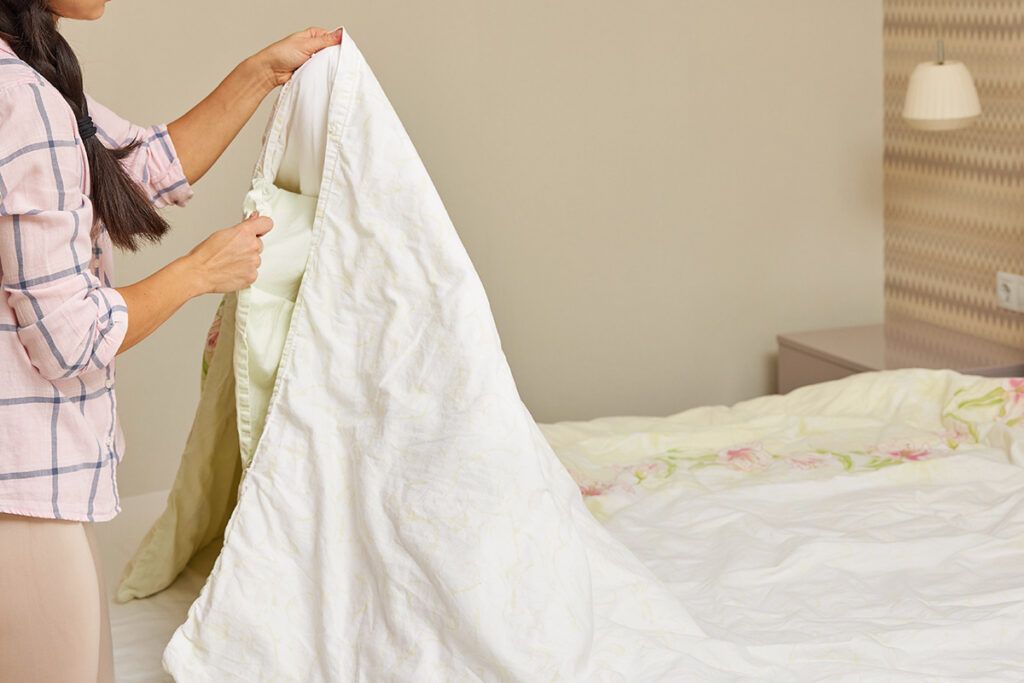
It’s important to note that dirt, grime, sweat, and skin cells will inevitably build up on bedding no matter what time of day you choose to bathe — so, along with showering, it’s equally important to wash your bedding frequently to promote good hygiene. Together, these habits maintain a happy and healthy sleep environment.
Featured Image Credit: © Halfpoint Images—Moment/Getty Images
More From Our Network
Better Report is part of Inbox Studio, an email-first media company. *Indicates a third-party property.