Is the Nickel Facing Extinction?


“Keep the change” could soon sound like a quaint expression from a bygone era.
Seven months after the U.S. Mint officially retired the penny, following the secretary of the Treasury’s determination that the one-cent piece, which cost nearly 4 cents to produce, was “no longer necessary to meet the needs of the United States,” USA Today reports that the nickel could follow its copper-colored sibling down the road to obsolescence.
“The argument for getting rid of the nickel is that it costs more to produce — quite a bit more, actually — than its face value,” David Smith, an economist at Pepperdine University, told the outlet.
When it comes to currency, being a literal money loser is a bad thing, as the penny learned the hard way. And in the case of the nickel, the annual losses are even greater.
How Much Does It Cost To Make a Nickel?
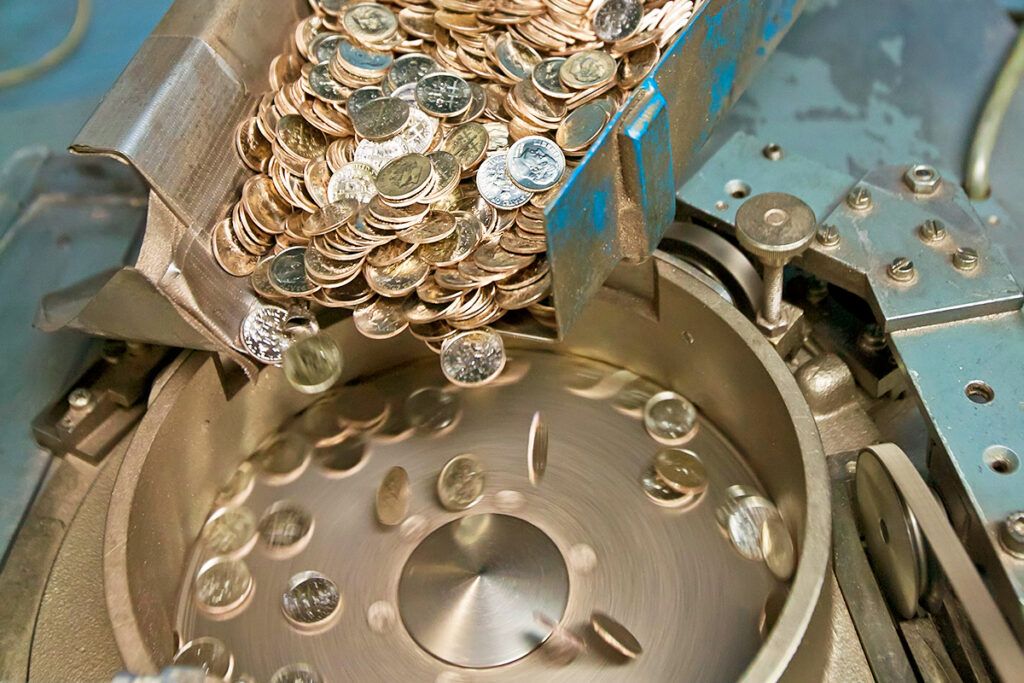
The attack on our coinage seems to have begun in earnest following the U.S. Mint’s 2024 Annual Report, which included a breakdown of the true cost of making change. It concluded that the cost of making a single nickel was 13.78 cents — nearly three times the face value of the coin itself.
With the government losing 8.78 cents on every nickel minted, the annual loss just to keep the coin in circulation was an estimated $85 million. And this is not a new problem: The 2024 report marked the 19th year in a row the nickel operated at a loss, fueling renewed calls to end its production.
What Problems Could Arise From Killing the Nickel?
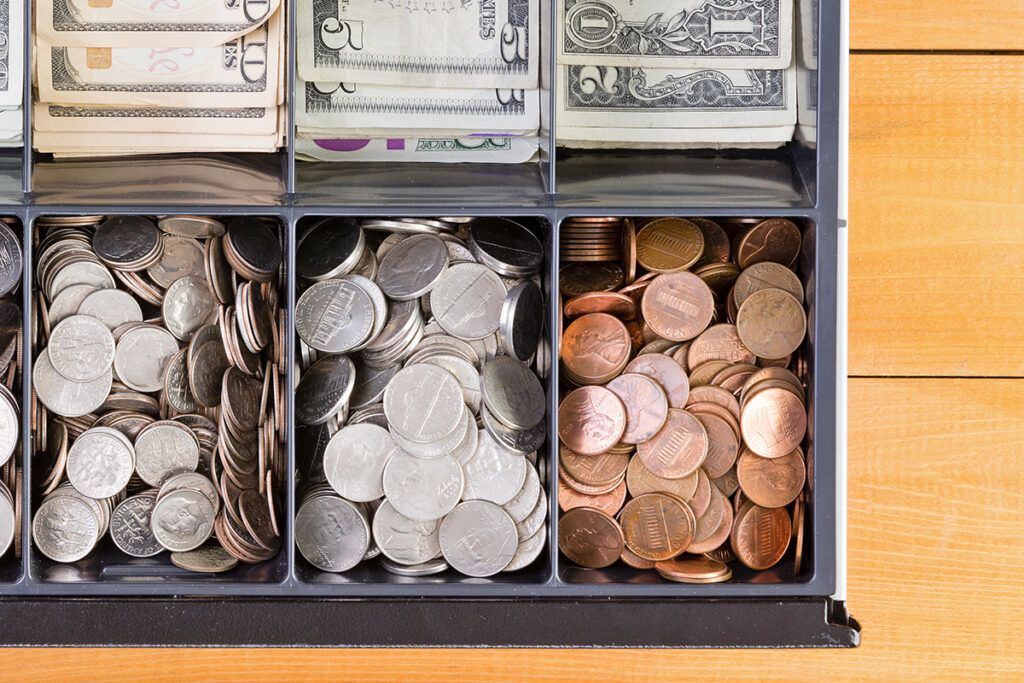
Eliminating the nickel isn’t as simple as just declaring it dead. As we’ve seen with the penny, there are some practical headaches that will likely arise for both businesses and consumers.
For example, without nickels or pennies, cash transactions will probably need to be rounded to the nearest 10 cents, which could result in higher prices that shoppers deem unfair.

Reader Favorites



In 2012, Mark Weller, executive director of Americans for Common Cents, who was advocating for the penny, argued in front of Congress that “in practice, price rounding cannot be fairly done.” While some economists have argued that the rounding will eventually even out, as some prices would likely be rounded down, Weller disagreed.
“The claim that rounding will have no appreciable effect on the consumer is predicated on the notion that there is an equal 10% probability of purchase prices ending in a particular digit,” he said. “In fact, evidence suggests that the equal probability assumption is false.”
On the opposite side of the argument, Wake Forest University economics professor Robert Whaples told Bankrate that his own research indicated “that the last digit in the cash register total is random, so there would be as much rounding down as there is rounding up — and the customer won’t be gouged, nor will there be an inflationary impact.”

What Do Cash-Paying Consumers Think of the Idea?
Even if the economics behind eliminating the nickel appear increasingly difficult to ignore, Americans may still need some convincing. Currency has a way of inspiring emotional attachments that far outweigh its monetary value, particularly for older consumers who still rely on cash transactions.
There are also logistical concerns. Retailers, banks, transit systems, vending machine operators, and laundromats would all likely need to update equipment and pricing systems to accommodate a newly nickel-less world. While digital payments dominate everyday commercial transactions, millions of Americans still regularly rely on cash — meaning any rounding policy could disproportionately affect lower-income households.
That said, the same concerns were raised for years about the penny before the Treasury ultimately decided the coin had outlived its usefulness. More than two dozen other countries, including Canada, Australia, the United Kingdom, and Italy, have already phased out low-value coins and adopted cash-rounding systems with relatively little long-term disruption.
For now, the nickel remains safe jangling around in Americans’ pockets, or lodged somewhere between their sofa cushions. But with the cost of producing the coin continuing to climb, and cash itself becoming less central to everyday life, the pressure to retire another piece of U.S. currency is unlikely to disappear anytime soon.
Featured Image Credit: © Winslow Productions/Tetra Images/Getty Images
More From Our Network
Better Report is part of Inbox Studio, an email-first media company. *Indicates a third-party property.






Jennifer M. Wood has been writing about news, entertainment, culture, and travel for longer than she cares to admit. She lives just outside Philadelphia with her husband and an ever-growing menagerie of rescue pets.
This article is for general informational purposes only.
Affiliate Disclaimer Medical Disclaimer Financial Disclaimer