Should You Stop Making Your Bed?

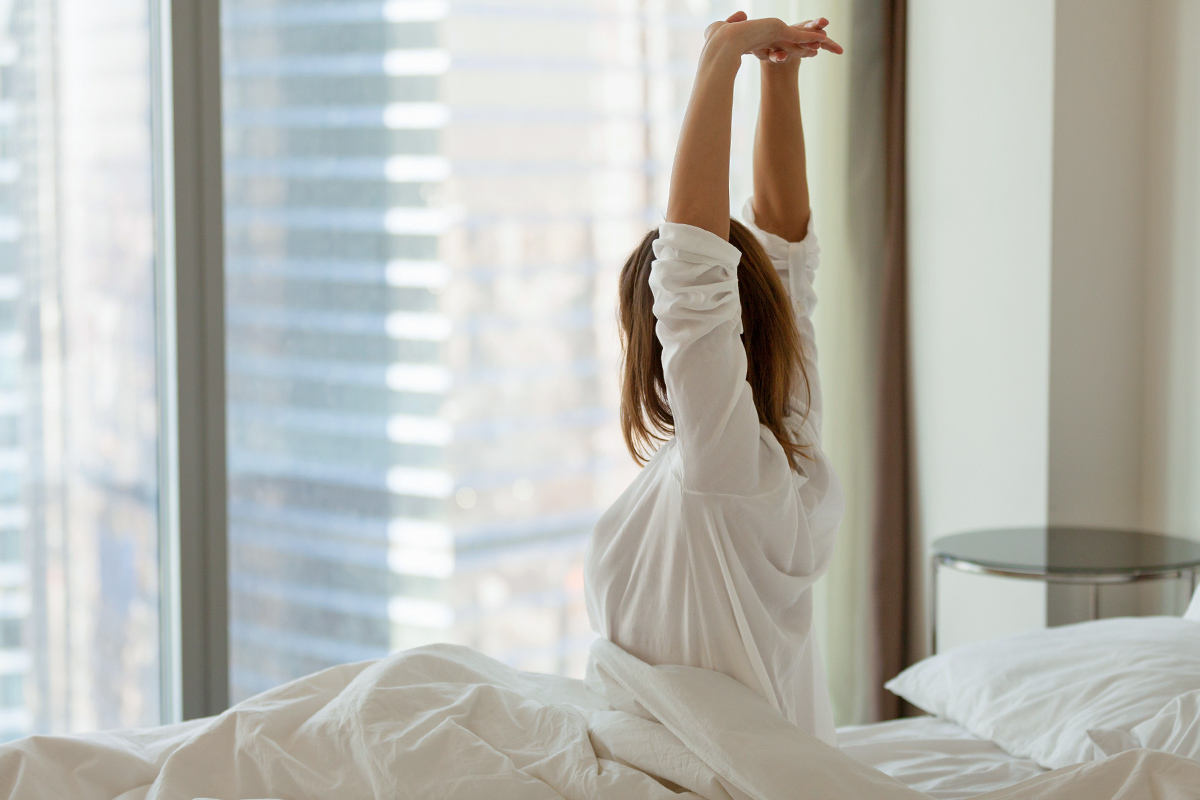
Making the bed is widely considered to be an excellent way to kick off the morning. It’s a simple chore that sets a positive and productive tone for the day ahead, and it requires barely any time at all. But according to some researchers and experts, making the bed may not be a great idea — they argue that there’s a potential health risk in doing so. Here’s what you need to know if you’re considering changing your morning routine and leaving your bed a bit more unkempt.
The Case Against Making the Bed
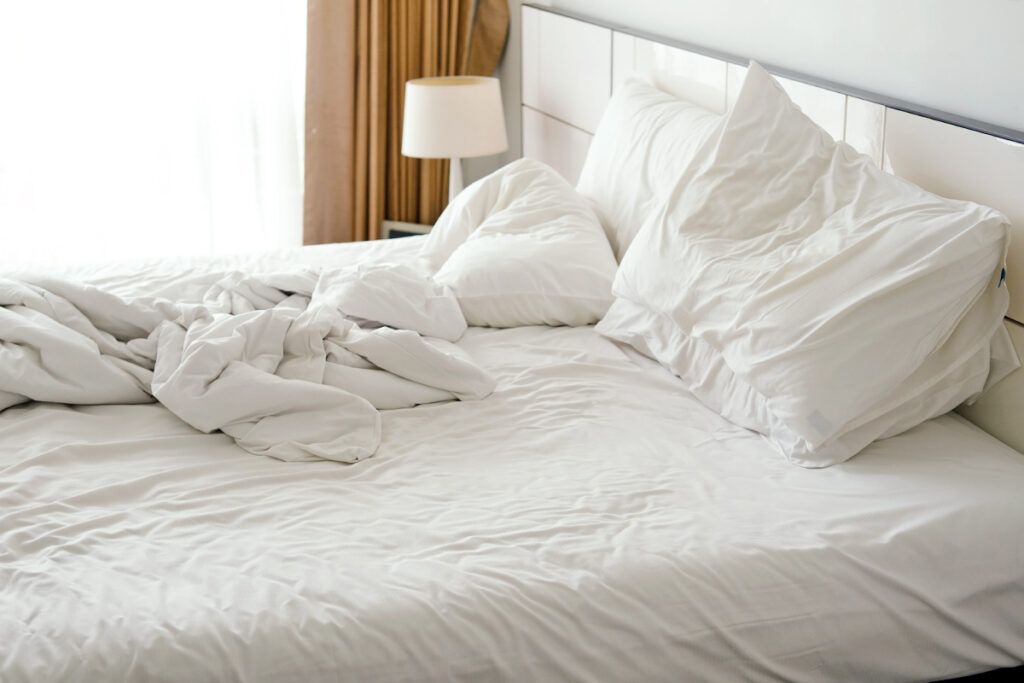
The risk in question has to do with trapping moisture in the bed. People may lose 400 to 700 milliliters of water during a single night’s sleep, which evaporates off their body into the bedding, leaving it slightly damp — and creating a more hospitable environment for dust mites and bacteria to thrive. That’s why some say you should avoid making the bed, at least immediately after getting up.
This idea dates back to the early 2000s, when a team of researchers studied how different indoor environments affected dust mite numbers. One of their takeaways from those studies was that unmade beds actually prevented dust mite proliferation. In a 2005 interview with the BBC, one of the researchers, Stephen Pretlove, said, “Something as simple as leaving a bed unmade during the day can remove moisture from the sheets and mattress so the mites will dehydrate and eventually die.”
Pretlove — now the director of sustainable engineering at the University of Roehampton — continued to tout those findings two decades later. In a 2025 interview with The Washington Post, he reiterated that there’s “evidence that suggests by not making your bed in the morning this will have a positive impact on reducing dust mite populations, however small.” He’s not the only one who thinks there’s something to this: Allergist Dr. Tania Elliott advised readers of House Beautiful to allow the sheets to air out for a bit before making the bed later in the day.
If you want to try this for yourself, avoid making the bed for at least 30 to 60 minutes. Make sure everything is spaced out so the pillowcases and bedding are exposed to the air. You can even use a fan to help them dry out quicker. After enough time has passed, touch the bedding and make sure it feels dry to the touch. Only then should you make your bed, if you still feel inclined to do so — though nobody is going to fault you if you choose not to.
There are major benefits in limiting dust mite populations in the bedroom, as their allergens can lead to sneezing, coughing, wheezing, and other unpleasant problems. (And, along with your sweat, skin, bacteria, and dirt, they get trapped in your pillow fibers, making your pillow heavier over time.) So why not try leaving your bed unmade and see if you notice a positive improvement? If you suffer from bad allergies, you may find yourself pleasantly surprised at the results.

Reader Favorites



The Case for Making the Bed
The risks associated with making your bed while it’s still moist are rather minor, and not all health experts agree that not doing so will have an impact.
As one allergist told AARP, most homes have high humidity levels, particularly in spring and summer, so leaving your bed unmade won’t make a difference when it comes to dust mites. It also won’t do anything to get rid of the mites that are already there — you’ll need to wash your bedding once a week in hot water to do that. One thing that could help keep mites at bay is using allergen covers on your mattress and pillows.
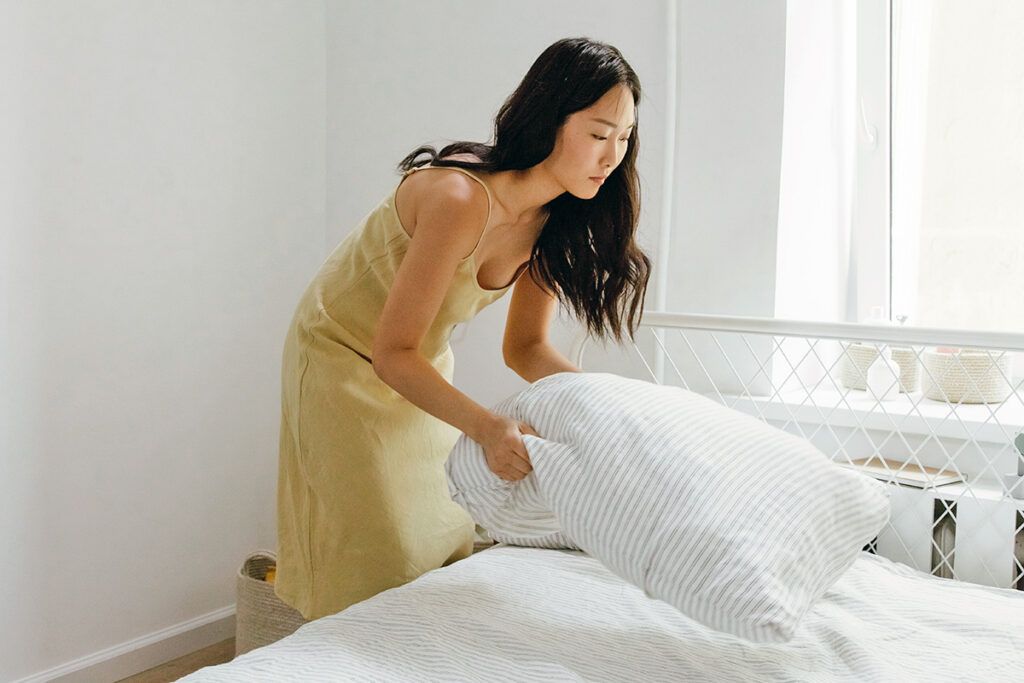
And there are benefits to making the bed that are unrelated to dust mites. Making your bed each day can have a positive effect on mental health. Messy homes are tied to issues with emotional regulation, and clutter impairs one’s ability to process information. Making the bed is an easy way to keep a space tidy, which can help with those concerns. Neat environments are also said to promote brain function in older individuals, and made beds can help reduce stress and lift moods, as many people view and process orderly rooms as positive, tranquil environments.
Considering the mental health benefits, as well as the fact that you can keep dust mites under control using other methods, it may not be worth the stress to leave your bed unmade. It’s up to each individual to determine what matters most to them, and the effect that a made bed — or lack thereof — has on their mood.
Featured Image Credit: © fizkes/stock.adobe.com
More From Our Network
Better Report is part of Inbox Studio, an email-first media company. *Indicates a third-party property.







Bennett Kleinman is a New York City-based staff writer for Inbox Studio. He is also a freelance comedy writer, devoted New York Yankees and New Jersey Devils fan, and thinks plain seltzer is the best drink ever invented.
This article is for general informational purposes only.
Affiliate Disclaimer Medical Disclaimer Financial Disclaimer