Is Sparkling Water Bad for Your Teeth?

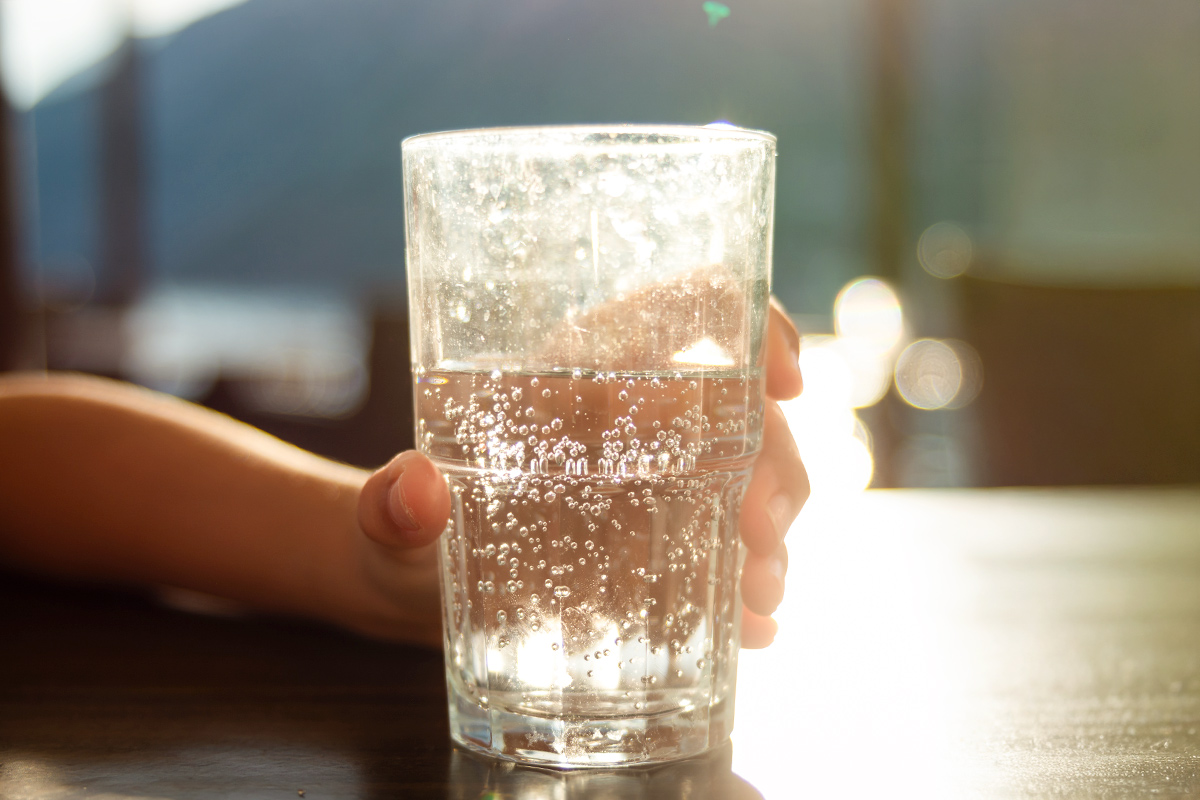
Looking for an alternative to plain ice water that doesn’t come with the high sugar content commonly found in sodas, fruit drinks, and sweet teas? Sparkling water is a satisfying option: Its refreshing effervescence satisfies a need for a bubbly kick, its sharp taste cleanses the palate, and it may make you feel full. It’s also as hydrating as water and, when infused with citrus fruits, feels like a more special drink than plain H2O. But if sparkling water has become your go-to beverage, it’s hard not to wonder: What’s it doing to your teeth?
The Impact of Sparkling Water on Your Teeth
The concern about drinking sparkling water comes from the acidity in its carbonation. Pressurized CO2 gets added to regular water, creating bubbles. Unfortunately, when consumed regularly, acidic beverages can erode your enamel, the protective outer layer of your tooth.
But here’s the good news: Sparkling water on its own isn’t as bad for your teeth as you might think. It’s only weakly acidic, and according to the American Dental Association, a study that exposed teeth to both sparkling water and regular water showed little difference in enamel erosion.
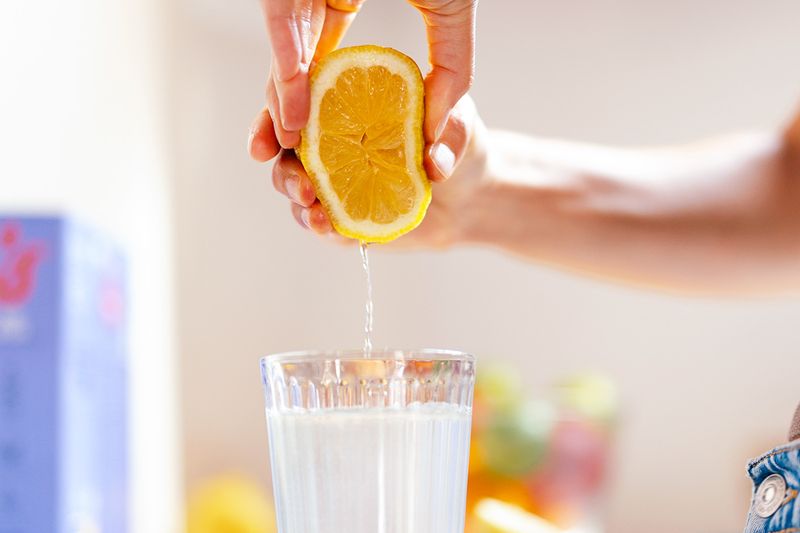
However, the risk can increase if you consume it frequently, because you’re still exposing your teeth to acids. (Rather than sipping it all day long, dentists generally recommend consuming sparkling water in one sitting or with a meal — more on that below — so that you’re not constantly exposing your teeth to acidity.) Flavored options tend to have higher acidity due to added acids that enhance taste, as do those containing citrus fruits (which tend to be naturally acidic). And if you opt for a sparkling drink with added sugar, you’re providing bacteria in your mouth with food; those bacteria, in turn, will create more acid that further erodes enamel.
How To Limit the Risk of Sipping Sparkling Water
If you can’t resist your favorite carbonated alternative to plain water and want to remain mindful of your dental health, there are a few ways to minimize the impact.

Enjoy It With a Meal
Eating helps your body produce more saliva, which is essential for neutralizing acids in your mouth and remineralizing enamel. Drink sparkling water with a meal or a low-acid snack, like cheese, to minimize the acidity of your bubbly brew.

Reader Favorites



Drink in Moderation
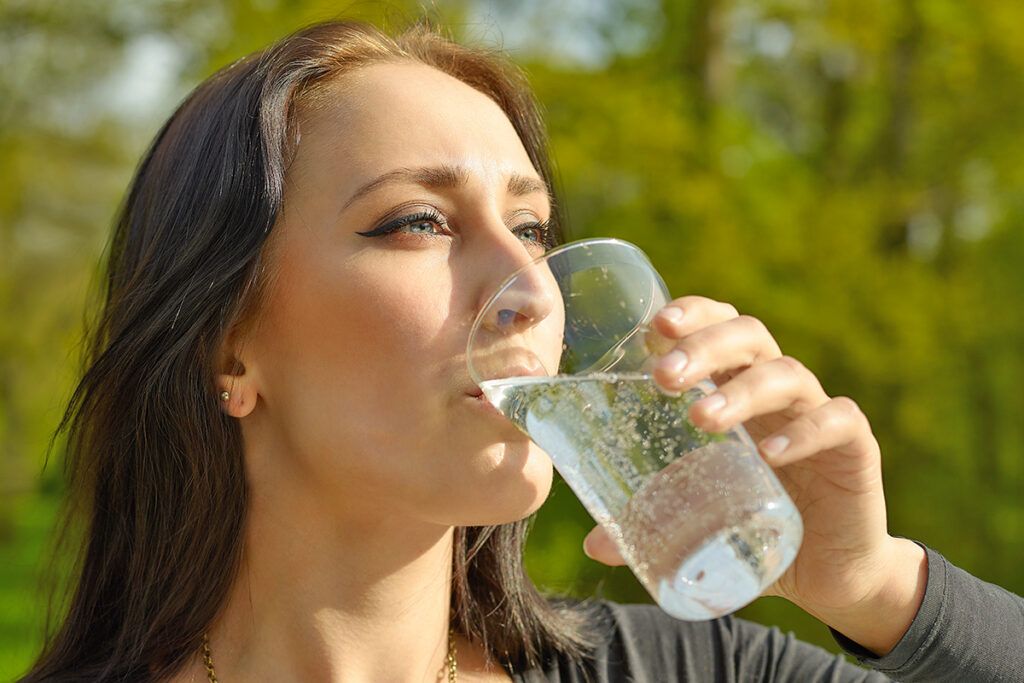
While plain water can seem boring, it’s one of the best ways to hydrate — and if you live in an area where your drinking water contains fluoride, drinking plain water can also improve your dental health, since fluoride remineralizes enamel. So, while drinking sparkling water occasionally is fine, make sure you’re drinking plain water to balance it out. Rinsing with regular H2O after drinking sparkling water will also help.
Wait 30 Minutes Before Brushing
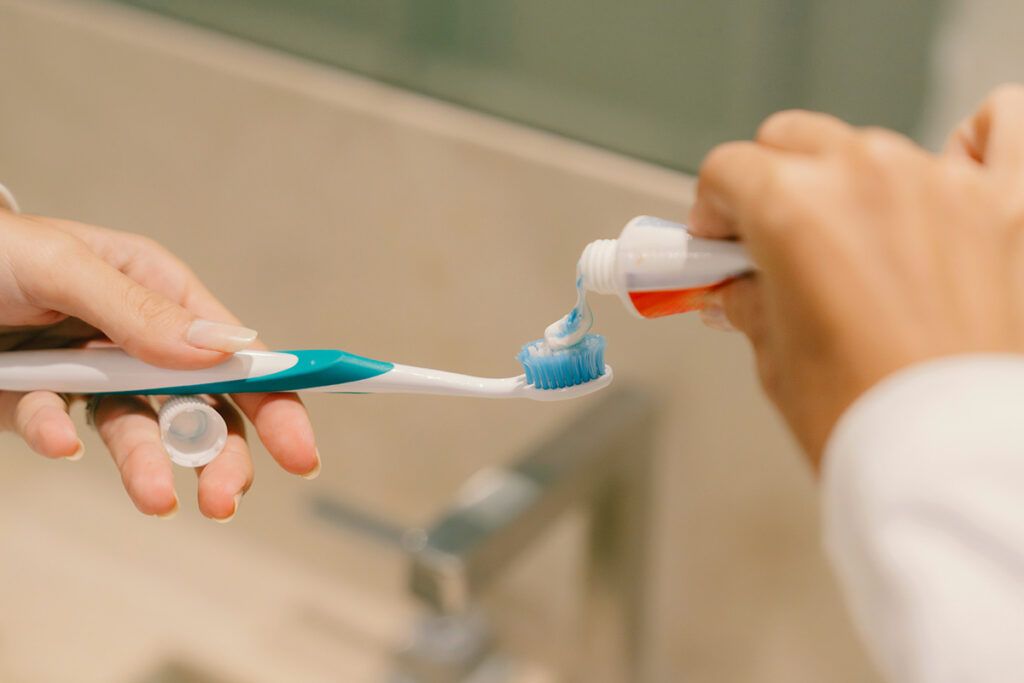
Brushing immediately after consuming sparkling water can do more harm than good. Acidic foods or beverages, including sparkling water, soften your enamel, and brushing your teeth will wear down this hard outer layer. Make sure to wait at least 30 minutes to an hour before picking up a toothbrush.

Sip With a Straw
Another way to minimize the impact of sparkling water is to use a straw while drinking, which helps the carbonation bypass your teeth. If you’re trying to reduce single-use plastics, opt for bamboo or silicone straws.
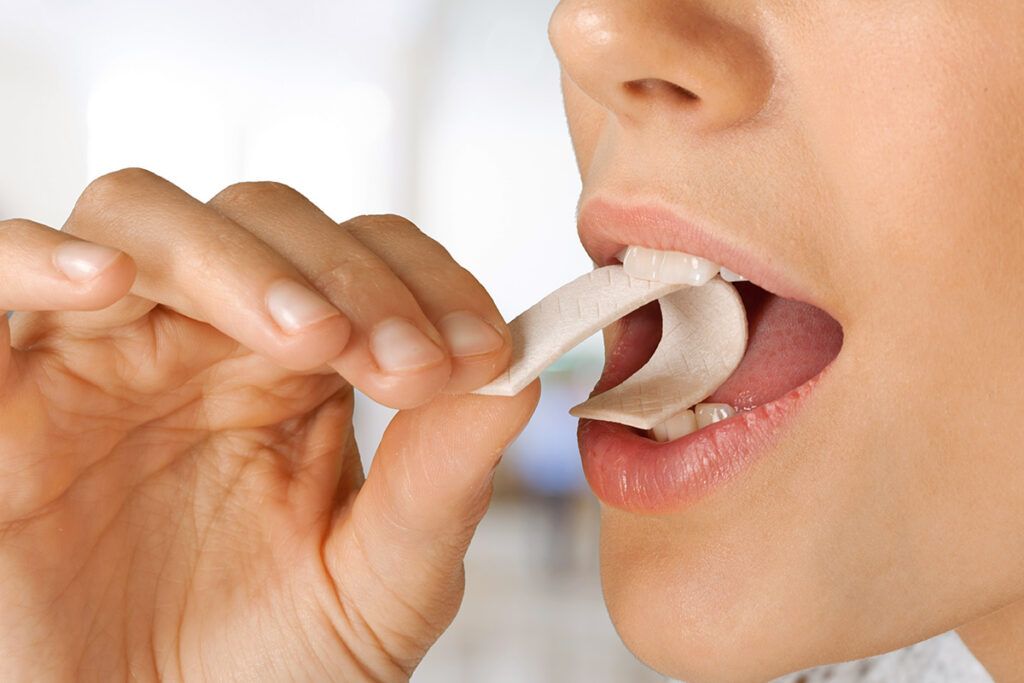
Chew Sugar-Free Gum
Saliva helps neutralize the acids in your mouth. You can chew sugar-free gum after finishing your bubbly water to increase saliva production.
Featured Image Credit: © Marizza—iStock/Getty Images
More From Our Network
Better Report is part of Inbox Studio, an email-first media company. *Indicates a third-party property.






Based in Portland, Oregon, Nicole Pyles is an experienced freelance writer who writes about home and kitchen, health and wellness, and more. She's written for a variety of outlets, including Better Homes and Gardens, Tom's Guide, Better Report, and more.
This article is for general informational purposes only.
Affiliate Disclaimer Medical Disclaimer Financial Disclaimer