What Your Sweat Can Tell You About Your Health
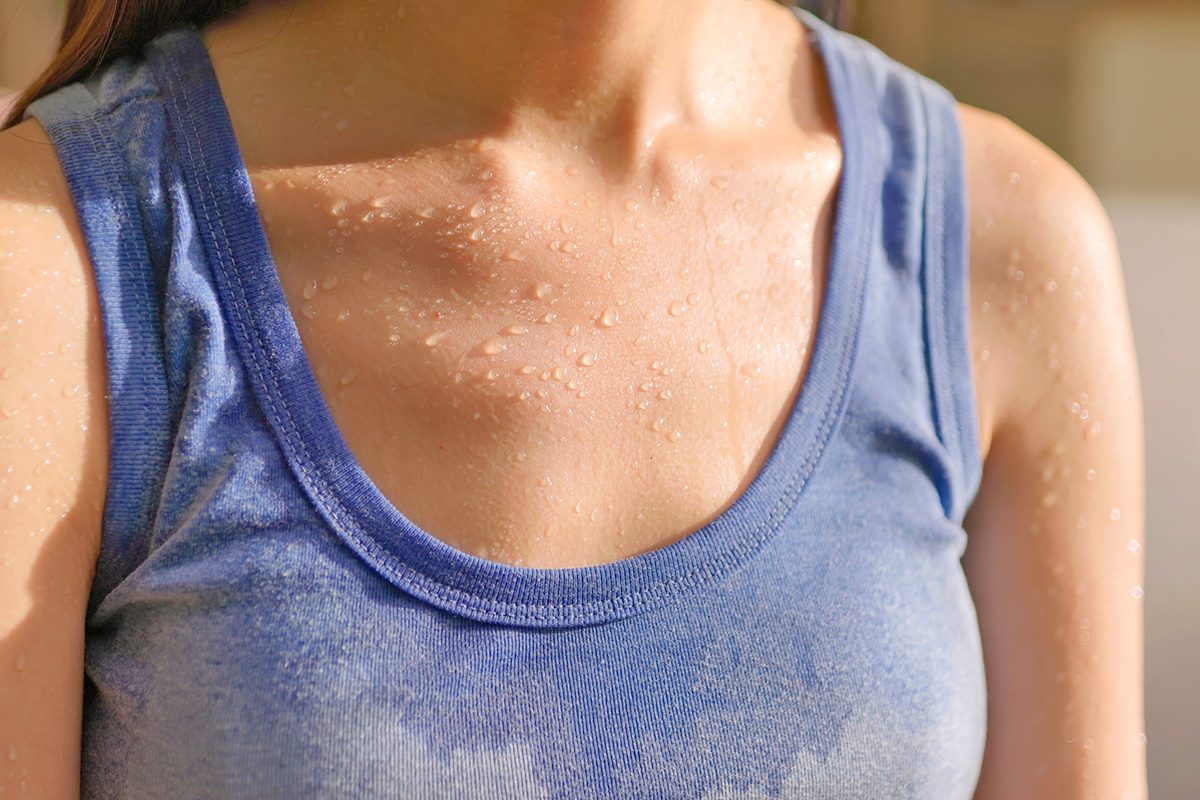
Sweating might feel annoying or embarrassing, but it’s one of your body’s smartest survival tools: Whether you’re dripping through a workout or suddenly sweating during a stressful meeting, perspiration is the main way our bodies regulate their temperature. To do so, millions of sweat glands expel mostly water, which is mixed with small amounts of other substances, such as sodium and chloride. Exactly how much you sweat varies based on genetics, fitness level, climate, and age.
But sweat can also offer clues about hydration, stress, hormones, medication side effects, and overall health. Here’s what your sweat could be trying to tell you.
If You Sweat A Lot
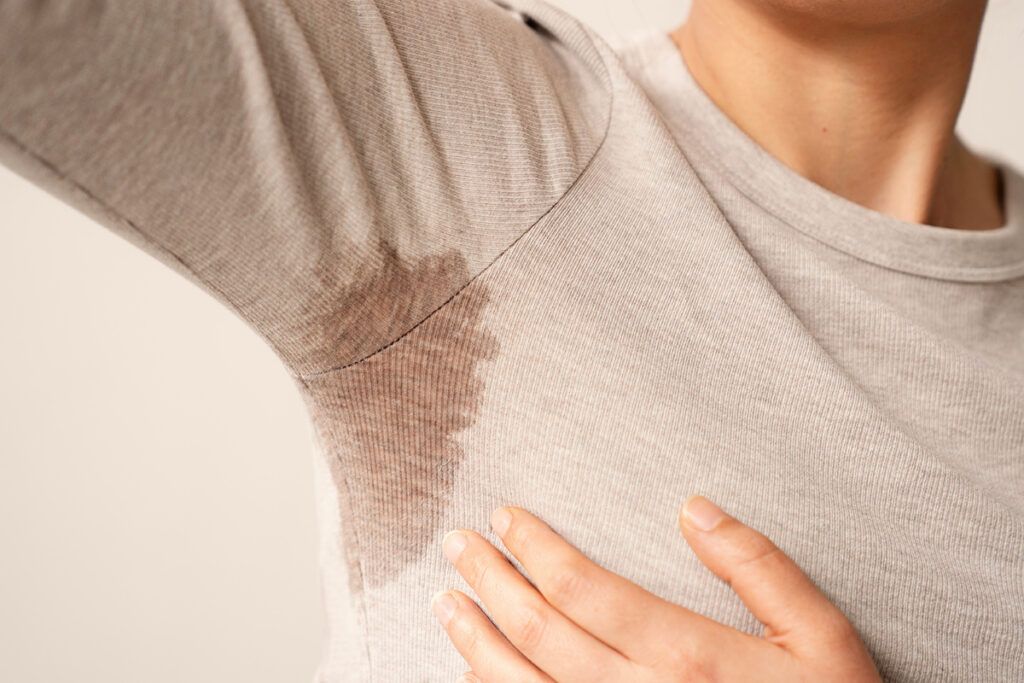
Sweating helps prevent overheating during exercise or time spent in hot weather. Most of the time, excess sweat is normal, but sometimes it can signal physical or emotional changes in the body.
A few medical conditions are associated with oversweating. If you’re extra sweaty without being overheated, working out, feeling stressed, or experiencing another obvious trigger, it may be hyperhidrosis. This skin condition, which is caused by a genetic variation, results in extra sweat, typically on the face, armpits, feet, and hands.
A sudden onset of excessive sweat can also be linked to hormonal fluctuations during pregnancy, perimenopause, and menopause. These changes may trigger hot flashes, characterized by a sudden surge of heat. While hormones are the most likely culprit, general overheating, stress, or consumption of alcohol, caffeine, or spicy food may also contribute.
Night sweats that soak clothing or bedding are also usually hormonal, but they may point to infections, sleep disorders, anxiety, medication side effects, or other medical conditions. You should see a doctor if your night sweats occur regularly, wake you up, are accompanied by symptoms such as a fever or unexplained weight loss, or start long after symptoms of menopause have ended.
If Your Sweat Has a Strong Odor
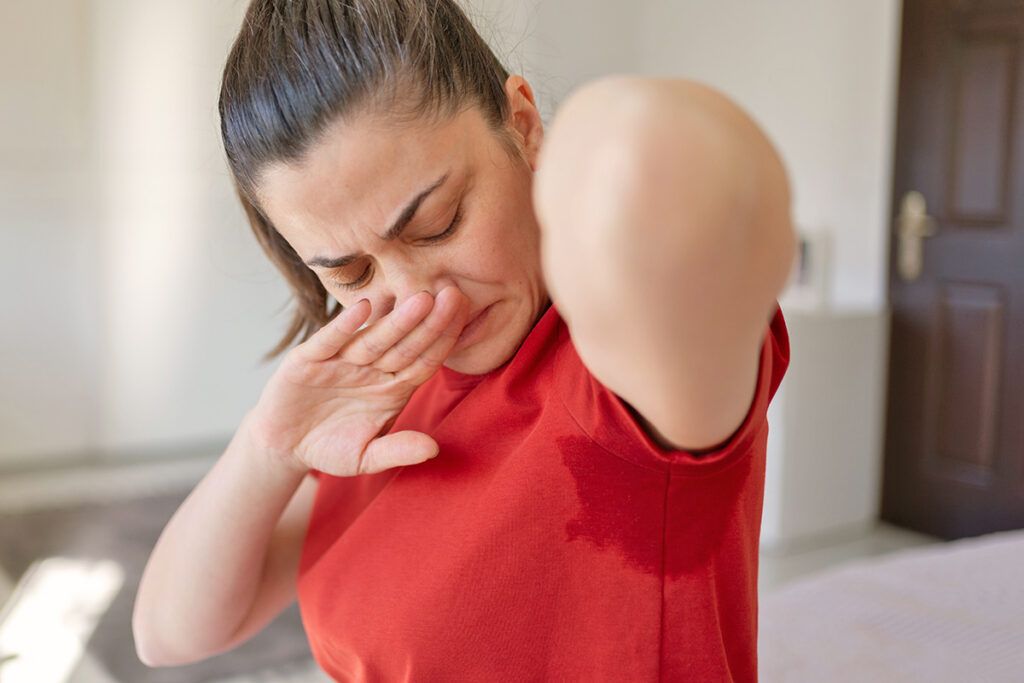
Stress not only increases sweat production but also makes it stinkier. This happens because there are two types of sweat glands.
Sweat from overheating is produced by eccrine glands, which are found all over the body. This type of sweat usually doesn’t have much of an odor because it’s mostly water and salt. Stress-related sweating, on the other hand, is produced by apocrine glands, which are mostly found in the armpits and groin area. This sweat contains proteins and lipids that skin bacteria feed on, causing odor.

Reader Favorites



If persistent body odor doesn’t improve with hygiene, lifestyle, or stress improvements, it can occasionally be linked to conditions such as diabetes, liver disease, or kidney disease. It’s important to notify your doctor of any significant changes in the odor of your sweat.

If Your Sweat Is Salty
We naturally lose salt through sweat, especially during intense exercise. White streaks on clothing or sweat that burns your eyes may indicate higher sodium loss. This is common among endurance athletes or people training in hot conditions. In these cases, replacing electrolytes along with fluids may help maintain hydration. However, certain medications and medical conditions, including cystic fibrosis, can also cause unusually salty sweat.
While salty sweat typically isn’t cause for concern, contact your health care provider if it is accompanied by other symptoms, such as nausea, vomiting, confusion, headache, muscle weakness, or cramping. These are signs of hyponatremia, a condition in which blood sodium levels are very low.
If You Barely Sweat
Everyone sweats differently, but if you feel you’re not sweating when you normally would, such as during exercise or in the heat, it could be a sign of a medical condition called anhidrosis. This condition prevents you from sweating normally in at least one area of the body, and it may be caused by genetics, nerve or skin damage, medications, autoimmune conditions, or chronic illnesses.
A major decrease in sweating can also indicate severe dehydration or heat stroke, both of which can be very dangerous. Heat stroke doesn’t always come on suddenly. Nonexertional heatstroke can develop over several days and is more common in those ages 65 and older or those with underlying health conditions. Seek medical attention if you’re not sweating and are experiencing a fever, dizziness, fast pulse, and confusion.

How To Support Healthy Sweating
Because sweating is so important for regulating our bodies, you may be wondering how you can support healthy sweating. Maintaining good hygiene, wearing breathable clothing, managing stress, staying hydrated, and replenishing electrolytes after intense workouts are great ways to support your body’s natural functions. Remember, sweat merely provides clues — professional medical advice matters most for persistent concerns.
Featured Image Credit: © PonyWang—iStock/Getty Images
More From Our Network
Better Report is part of Inbox Studio, an email-first media company. *Indicates a third-party property.