Is It Dangerous To Scratch Mosquito Bites?


All featured products and deals are selected independently and objectively by the author. Better Report may receive a share of sales via affiliate links in content.
They come out at dusk. As soon as temperatures creep above 50 degrees Fahrenheit, mosquitoes emerge in force when the sun goes down, zeroing in on any exposed skin to grab a blood meal to go. Their bites leave behind an annoyingly itchy, reddened bump that practically begs you to scratch it. But you should think twice before giving in to the urge. Here’s why.
Mosquito Bites 101
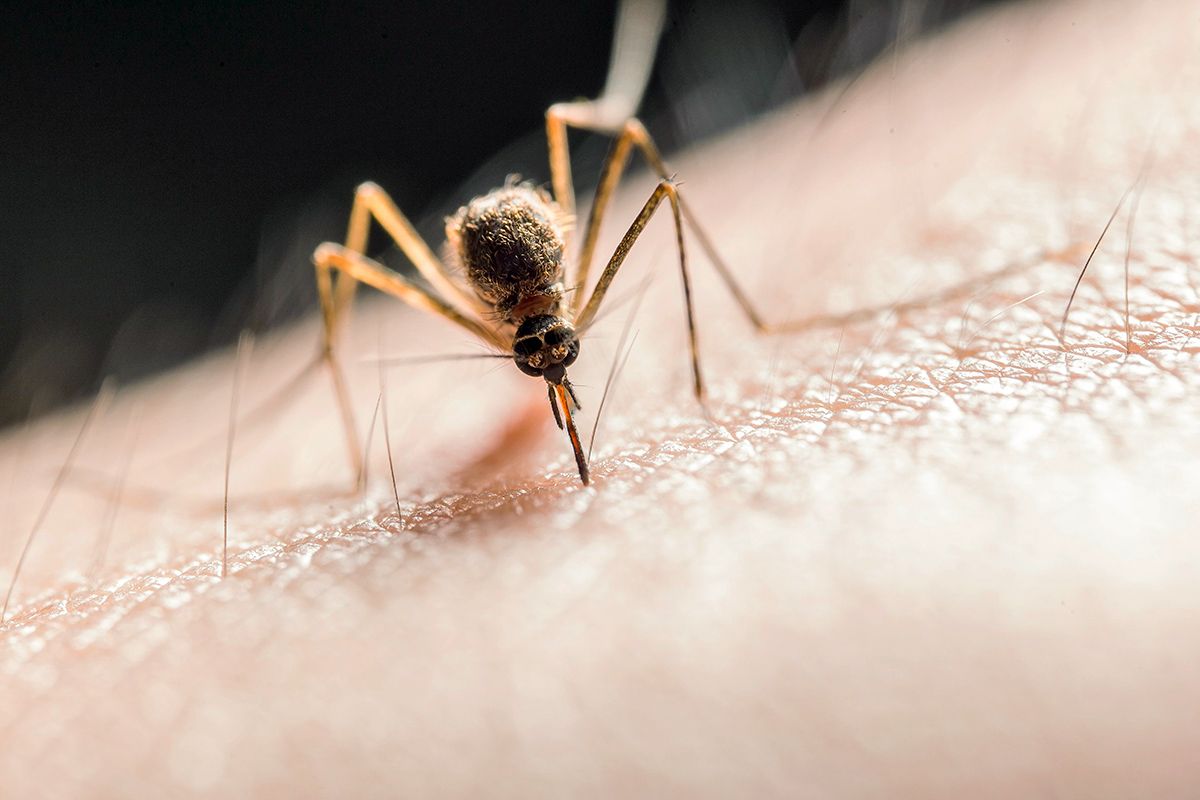
Only female mosquitoes bite, and they use a complex palette of sensory cues to guide them to their victims. The insects pick up clues from wind speed and direction, concentrations of carbon dioxide, color, temperature, and odor to locate a potential host. When a mosquito lands on you for a meal, it pierces your skin with specialized mouthparts and injects a dose of anticlotting saliva to extract your blood.
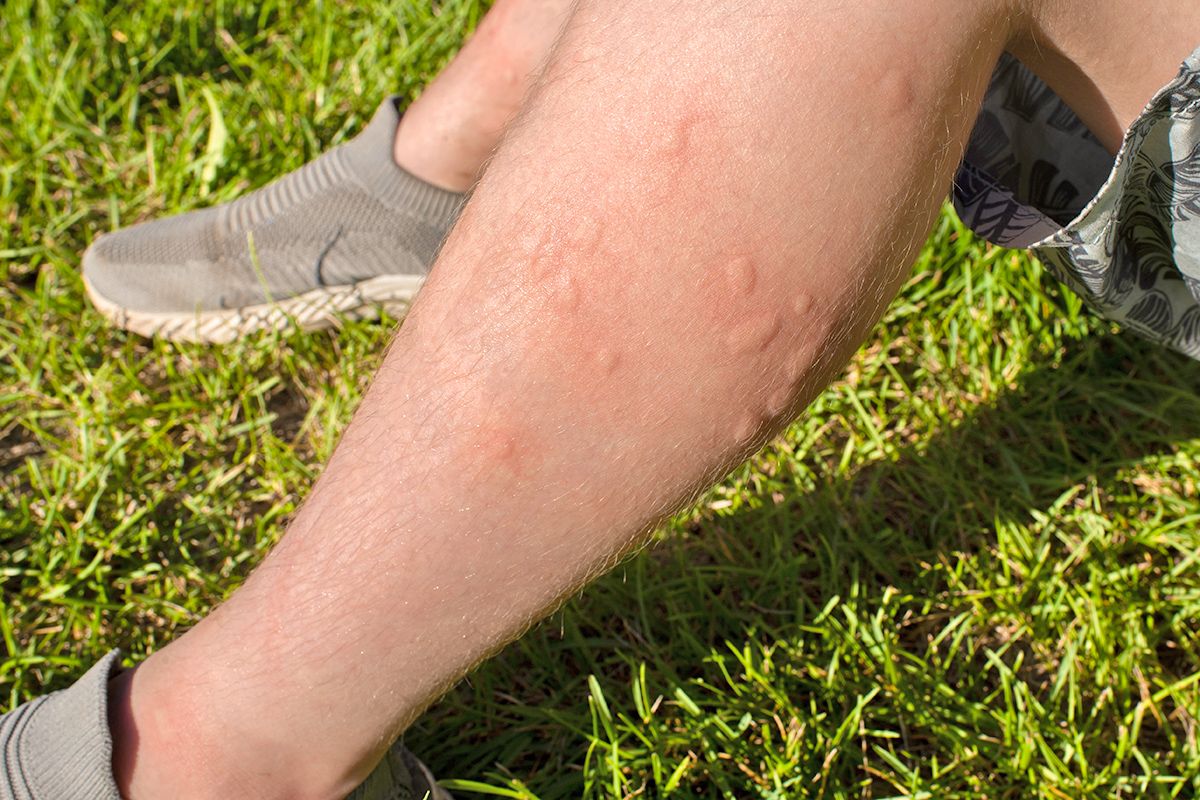
Your immune system then reacts to the saliva: Antibodies detect the invader and activate immune cells in the skin, called mast cells, which release histamine at the bite site. The histamine opens up blood vessels and fills the local tissues with fluid so immune cells can carry off the foreign substance. While all this happens under the skin, you’ll notice the bite swelling and reddening into the classic itchy bump.
If you can resist the urge to scratch, the itchiness will usually fade after a day or two, and the bump will disappear soon after that. For many people, though, not scratching is easier said than done.
Why Scratching Is a Bad Idea
Experts argue against scratching insect bites for two main reasons: It can actually make the bite itch more, and it can lead to more serious complications.

Reader Favorites



A 2025 study of contact dermatitis in mice suggested that scratching, even though it might temporarily relieve dermatological discomfort, can actually compound swelling, inflammation, and itchiness at the site. When an irritant was applied to mice’s ears, their immediate scratching brought a flood of immune cells to the site and resulted in swelling. A second set of mice, bred without itch-sensing nerve cells, showed less immune activity after the irritant was applied. And when a third group of normal mice were put into little collars to prevent them from scratching their irritated ears, they showed much less immune cell activity and inflammation than the mice who had scratched — meaning that scratching seemed to trigger more problems.
In people, scratching a mosquito bite can intensify the immune system’s reactions. Mast cells kick into overdrive and release even more histamine at the site, increasing inflammation and itchiness and prolonging the unpleasant symptoms. Scratching can also damage the skin and allow bacteria or viruses on your hands to enter the wound and lead to infections. Cellulitis and impetigo, both caused by strep or staph bacteria, are two of the most common; in rare cases, cellulitis can lead to complications such as infections in the bones, joints, and bloodstream, while some of the bacteria that cause impetigo can lead to kidney problems.

What To Do Instead
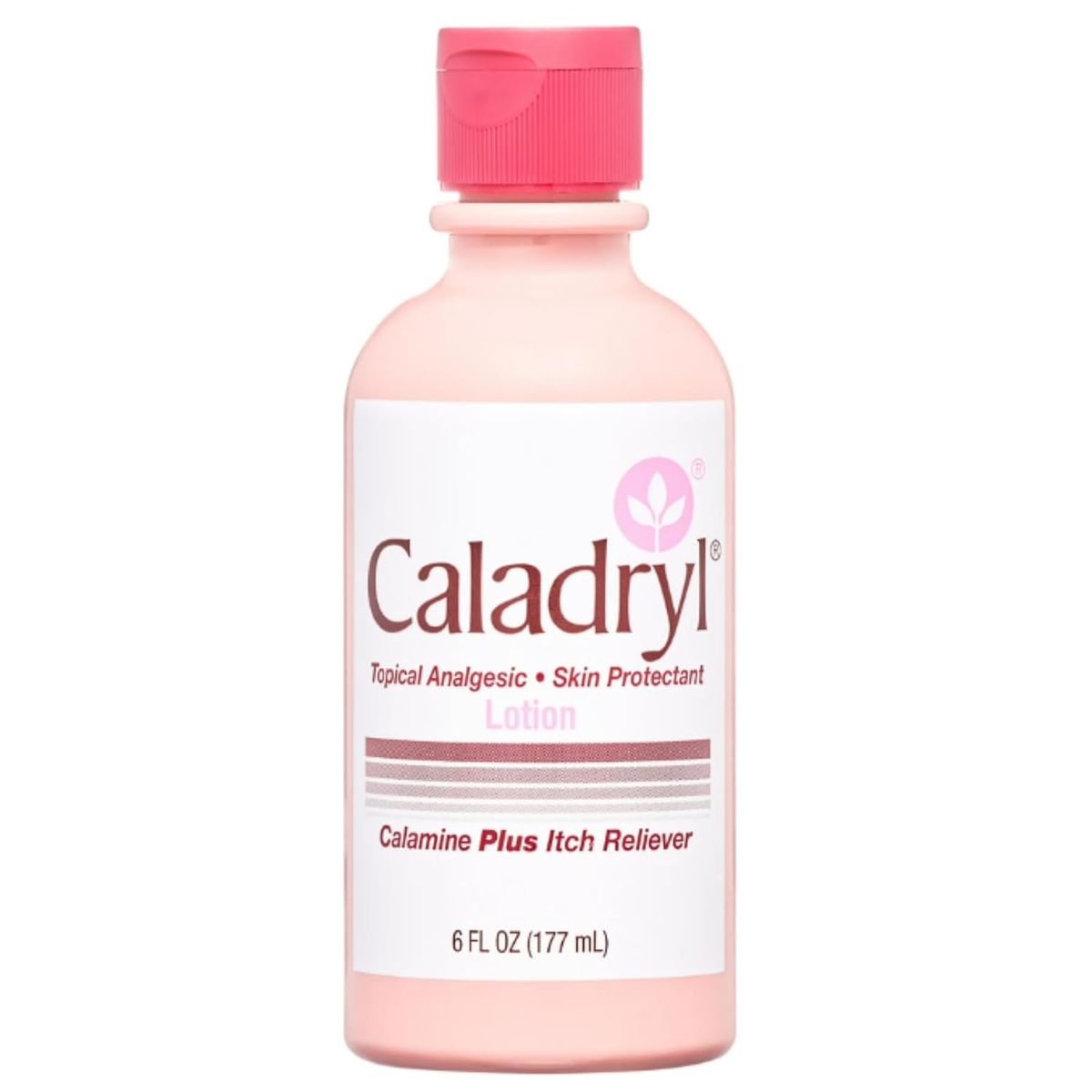
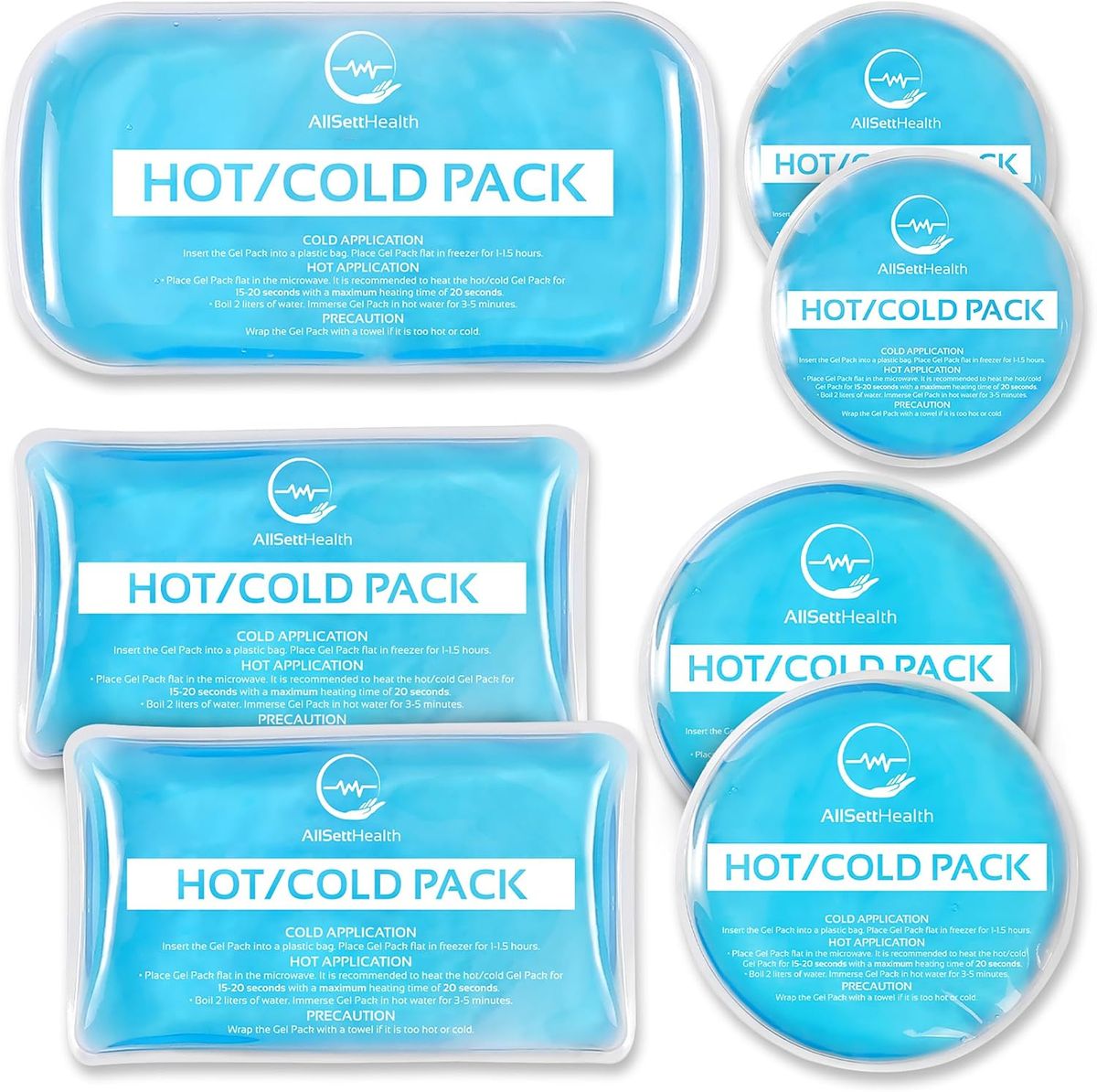
Health experts recommend washing a pesky mosquito bite with soap and water and then treating it with one of several types of over-the-counter medications. People who typically experience mild itch and minimal swelling can apply calamine lotion or an OTC antihistamine cream or spray to the site, or try a DIY remedy like rubbing the bite with an ice cube to numb the itch. You can also coat it with a paste made of baking soda and water a few times a day until the itching fades.
Some people experience more pronounced swelling, extreme itching, or skeeter syndrome — an intense allergic reaction to mosquito saliva characterized by pain and larger areas of inflammation. These symptoms can be tamped down with an oral antihistamine like cetirizine HCl (Zyrtec), fexofenadine (Allegra), or loratadine (Claritin). Before starting any treatment, it’s worth speaking with your doctor or allergist about your symptoms and discomfort level.
Anti-Itch Supplies
Featured Image Credit: © _KUBE_/stock.adobe.com
More From Our Network
Better Report is part of Inbox Studio, an email-first media company. *Indicates a third-party property.







Kat Long is a freelance science journalist in the Washington, D.C. area. Previously, she was the science editor at Mental Floss and a digital editor at National Geographic. She now writes the Arctic Archives newsletter on Substack. Kat spends her free time birdwatching, road-tripping to historical sites and perusing old manuscripts at libraries.
This article is for general informational purposes only.
Affiliate Disclaimer Medical Disclaimer Financial Disclaimer