The One Number That Could Save Your Life

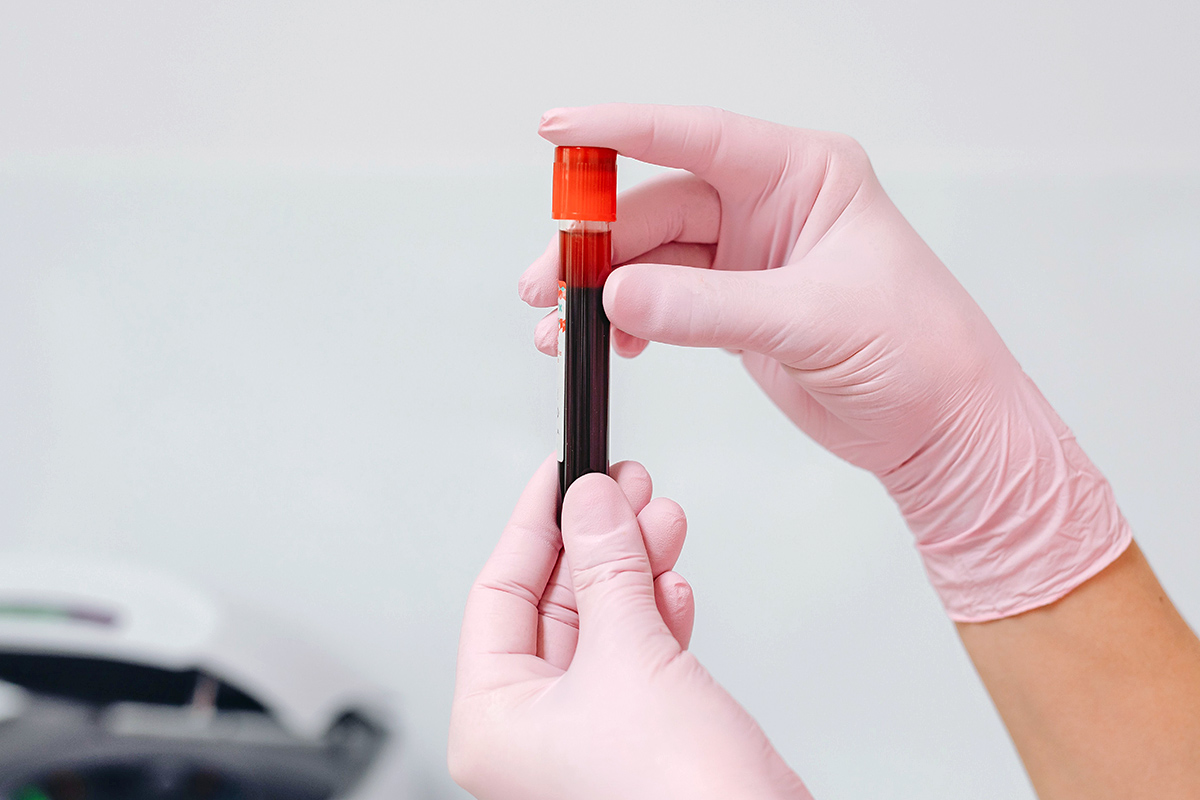
A silent health crisis is sweeping the country, and most of those at risk are unaware.
Diabetes is surging. The disease affects over 40 million Americans, and an additional 115.2 million Americans are living with prediabetes, a condition where blood sugar is elevated but not yet high enough to qualify as Type 2 diabetes. Remarkably, 80% don’t know that they have prediabetes. The stakes are even higher for older adults: Nearly 29% of Americans over 65 have diabetes and more than half have prediabetes.
Left untreated, this progressive condition can lead to long-term health complications, so catching it early makes all the difference. Thankfully, an easy blood test known as the A1C can detect prediabetes and diabetes before irreversible damage occurs. What it reveals may be the most important number you’ve never thought about.
What Is the A1C Test?
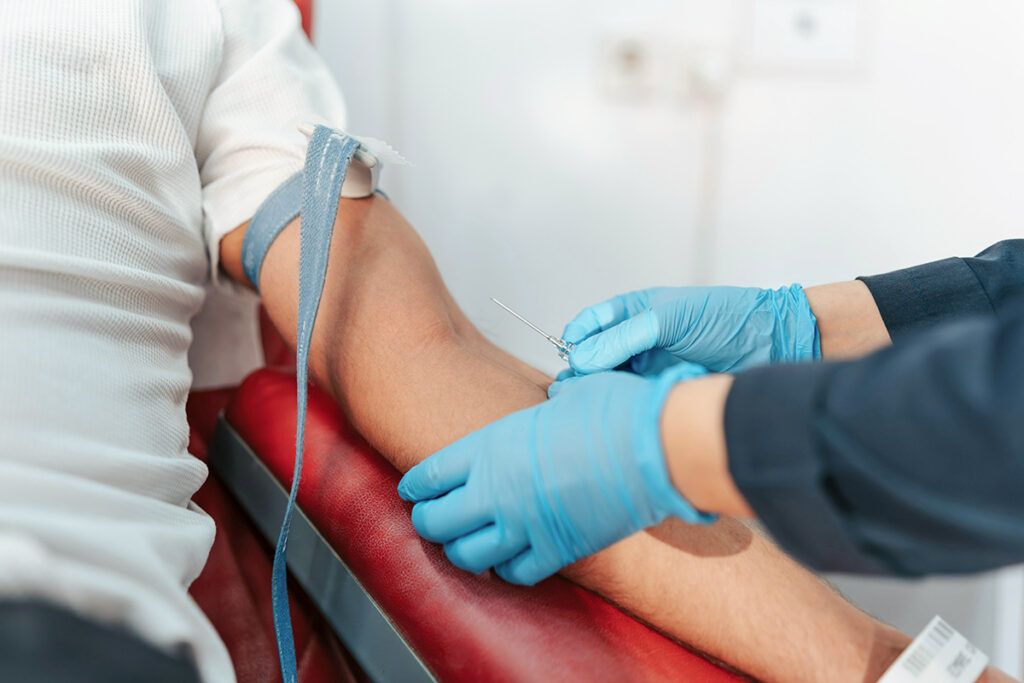
The A1C is a simple blood draw that requires no fasting and measures average blood sugar levels over the past three months. (That’s roughly the lifespan of your red blood cells before they renew, so your doctor can fully evaluate your blood sugar history with a single draw.) When blood sugar rises, glucose coats the hemoglobin in your red blood cells; the A1C test measures the amount of cells with hemoglobin coated in glucose.

Reader Favorites



Here is what your A1C numbers actually mean:
• Normal: below 5.7%
• Prediabetes: 5.7% to 6.4%
• Diabetes: 6.5% or above
Why It Matters
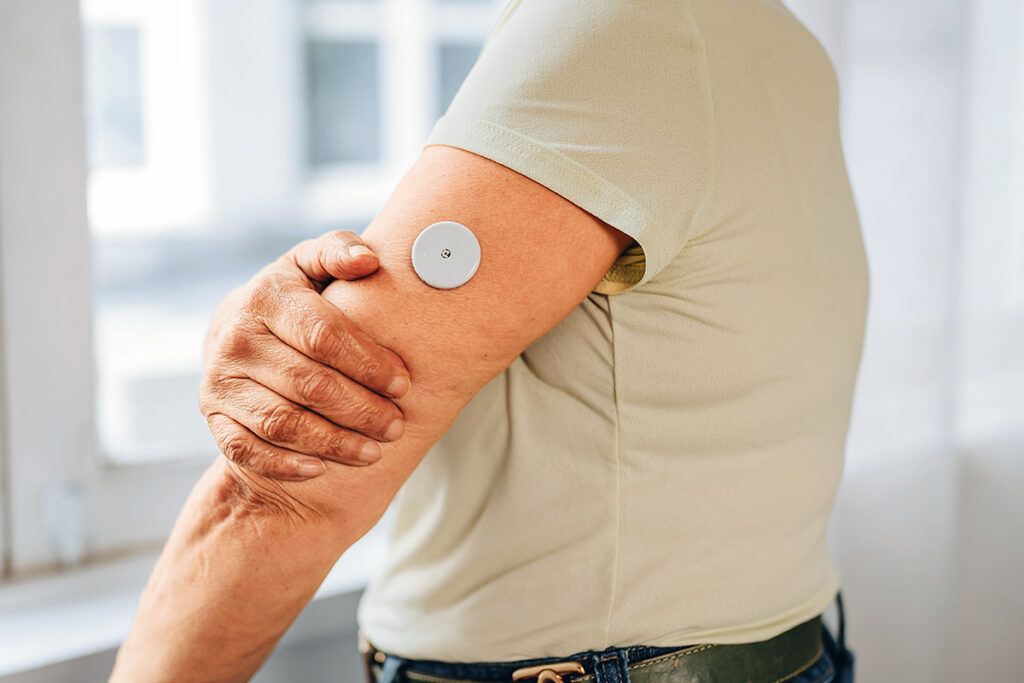
Like high blood pressure, diabetes is known as a silent killer: People can live with high blood sugar for years without realizing it, allowing the condition to quietly damage vital parts of the body, including the kidneys, eyes, and nerves, long before a formal diagnosis is made.
Left undetected, up to 70% of people with prediabetes will eventually develop Type 2 diabetes, many within just five years. Complications include stroke, kidney failure, nerve damage, and vision loss.
The good news is, prediabetes is reversible. It’s possible to lower your A1C back into the normal range and successfully ward off diabetes by making lifestyle changes.

What You Can Do Right Now
Researchers found that losing 5% to 7% of body weight, combined with 150 minutes of physical activity per week, can reduce the risk of developing Type 2 diabetes by 58%, and by 71% for people over age 60.
Here are some of the most effective ways to combat prediabetes:
• Walking for 30 minutes a day, five times a week, especially after meals
• Reducing processed carbohydrates and added sugars in your diet
• Eating more fiber (aim for 25–30 grams daily)
• Managing stress
Who Should Get Tested
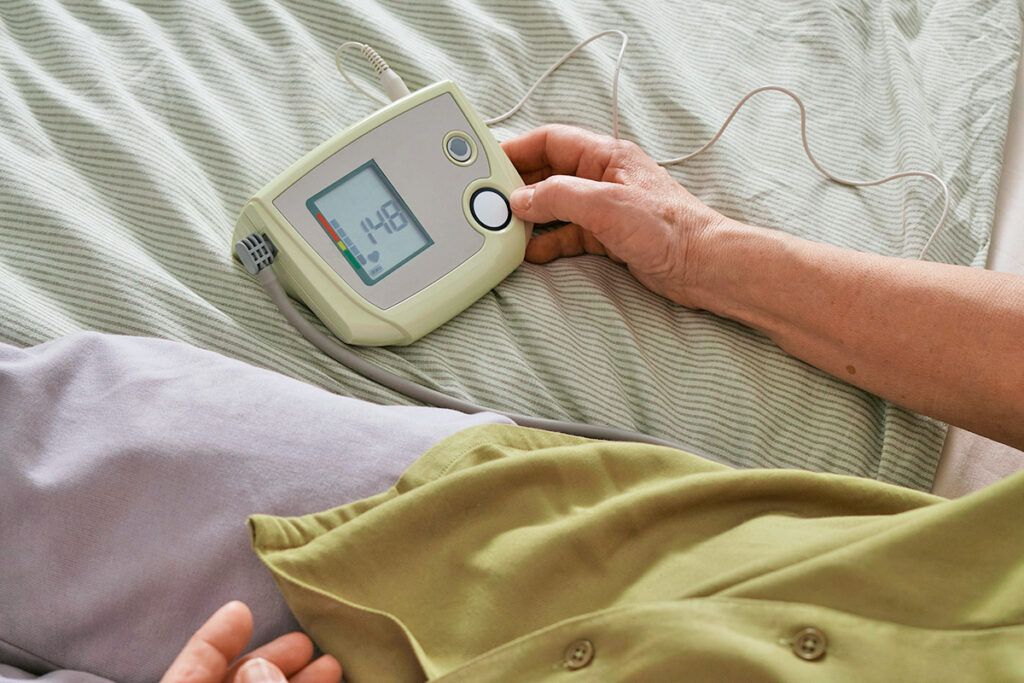
The CDC recommends A1C testing for adults over 45, and for younger adults who are overweight or have additional risk factors such as a family history of diabetes, high blood pressure, or a history of gestational diabetes during pregnancy. Notably, the American Diabetes Association now recommends screening starting at age 35. If you’re unsure whether you qualify, ask your doctor at your next visit. (You may also want to ask about a fasting insulin test, which can catch insulin resistance before it turns to prediabetes.)
The test takes minutes, and the results could alter the next decade of your health. Your body will thank you for paying attention now.
Featured Image Credit: © kaboompics/Pexels.com
More From Our Network
Better Report is part of Inbox Studio, an email-first media company. *Indicates a third-party property.







With a nursing background and a passion for making health information accessible, Monica Romano brings a unique clinical perspective to her freelance writing. Based in the Pacific Northwest, she covers health, wellness, and everyday living with warmth and authority. Her work is featured in Woman's World magazine and across top health and wellness platforms.
This article is for general informational purposes only.
Affiliate Disclaimer Medical Disclaimer Financial Disclaimer