Is It Safe To Eat Leftovers Cold?

The federal government’s consumer-facing food safety pages — including FoodSafety.gov and websites for the FDA, the CDC, and the USDA’s Food Safety and Inspection Service — contain pretty much all the information you need as a home cook to avoid food poisoning. Most of it comes down to basic concepts like the “four simple steps” shown on the homepage at FoodSafety.gov: clean, separate, cook, and chill. But occasionally, a specific piece of information you’re looking for isn’t easy to track down, or even to spot once you’ve found the correct page.
For example, most of these pages talk about reheating leftovers to 165 degrees Fahrenheit. But what about leftovers you plan to eat cold? Are they safe to eat? That answer takes some digging. Let’s break it down.
Why Leftovers Are Usually Reheated to 165 Degrees Fahrenheit
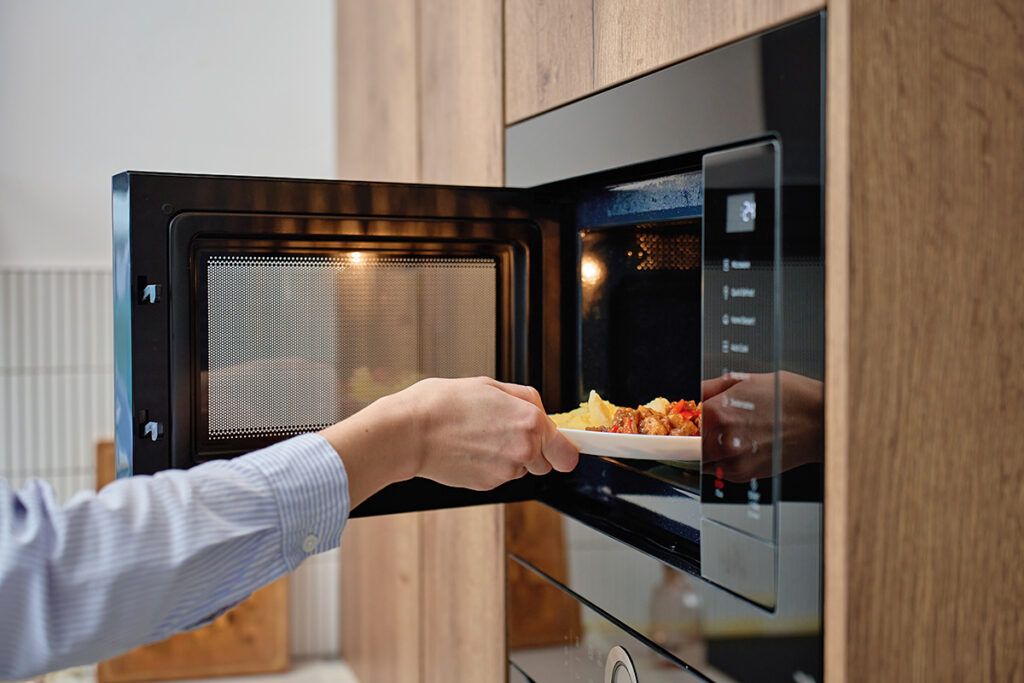
The typical advice for leftovers is to reheat them to 165 degrees Fahrenheit. That’s because they often include foods with a high level of risk, such as meats, dairy, eggs, seafood, and poultry. Add in starches and any liquid sauces, and you have a lot of prime real estate for bacteria to set up shop.

Reader Favorites



Cooking food the first time usually kills any bacteria it might have contained, especially if you reached the USDA-recommended food-safe temperatures of 145 degrees Fahrenheit for meats, 160 degrees Fahrenheit for ground meats, and 165 degrees Fahrenheit for poultry. But bacteria can find their way back to your food after it’s cooked — from your hands, from dirty utensils, or from being present in droplet form in the air.
Reheating leftovers to the recommended 165 degrees Fahrenheit is enough to kill illness-causing pathogens like salmonella that might have recolonized your food. But that doesn’t mean all leftovers are automatically safe if you heat them to that temperature. A few kinds of dangerous bacteria produce toxins that linger even if the bacteria themselves are killed, and those can still make you seriously ill. That’s why government sources recommend discarding any food that’s been left out at room temperature for more than two hours, or that’s been in your fridge for more than three or four days.

Leftovers Are Usually Safe To Eat Cold (If You Handle Them Correctly)
But what about leftovers that you plan to eat cold? A quick search of the usual food safety sites doesn’t turn up any obvious guidance on the subject, but the information is there if you do a bit of digging.
If you look in the USDA’s Kitchen Companion, for example, you won’t see anything about eating leftovers cold. But in the section on takeout/delivery food, you will find a discussion of keeping cold-prepared foods (essentially leftovers or made-aheads) cold for later consumption.
A stand-alone USDA handout on the same subject goes further. After describing the correct procedure for first refrigerating or freezing leftovers (hot or cold), and then thawing them if necessary, it explicitly states that “the food may be eaten cold or reheated.” Similarly, a handout specifically about food safety for turkey dinners says that the turkey can be eaten “either cold or reheated” for three to four days.
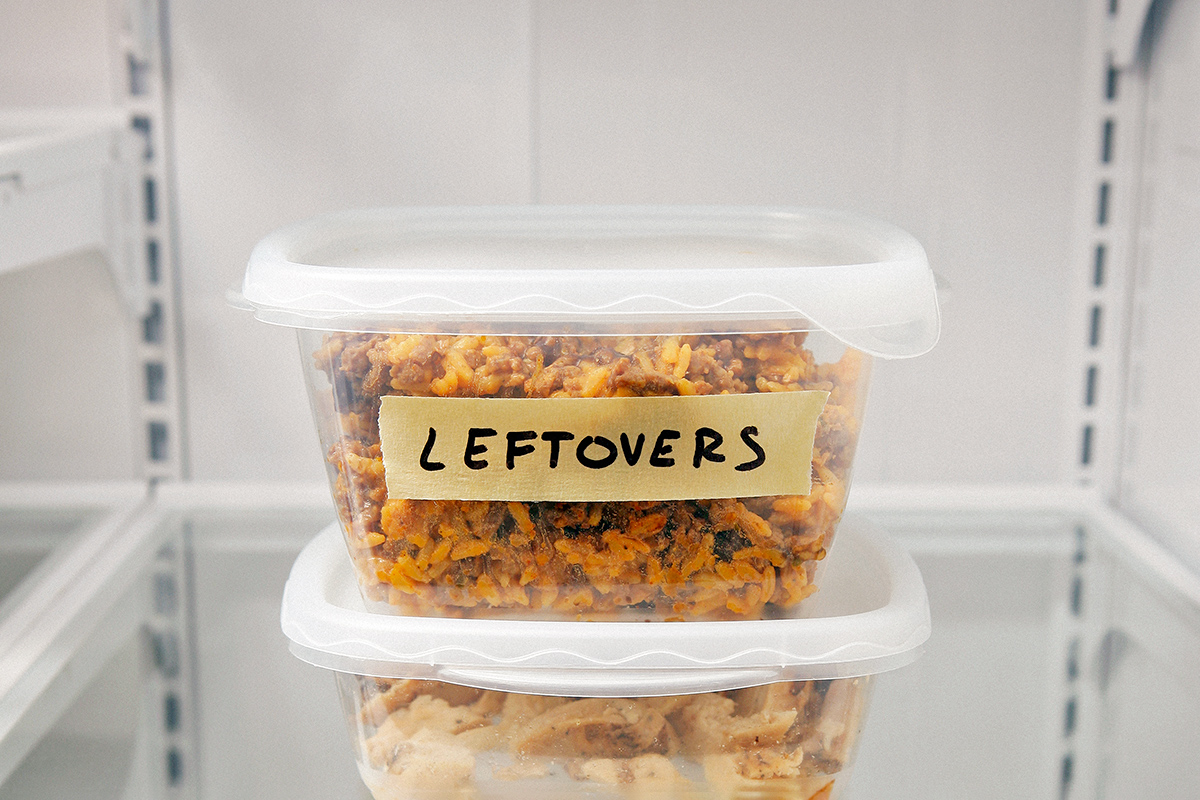
So the short answer is yes — usually, leftovers are safe to eat cold, provided you follow food safety guidelines. Then the question is: Are you familiar with those guidelines, and if so, have you actually followed them?
A Quick Primer on Food Safety for Leftovers
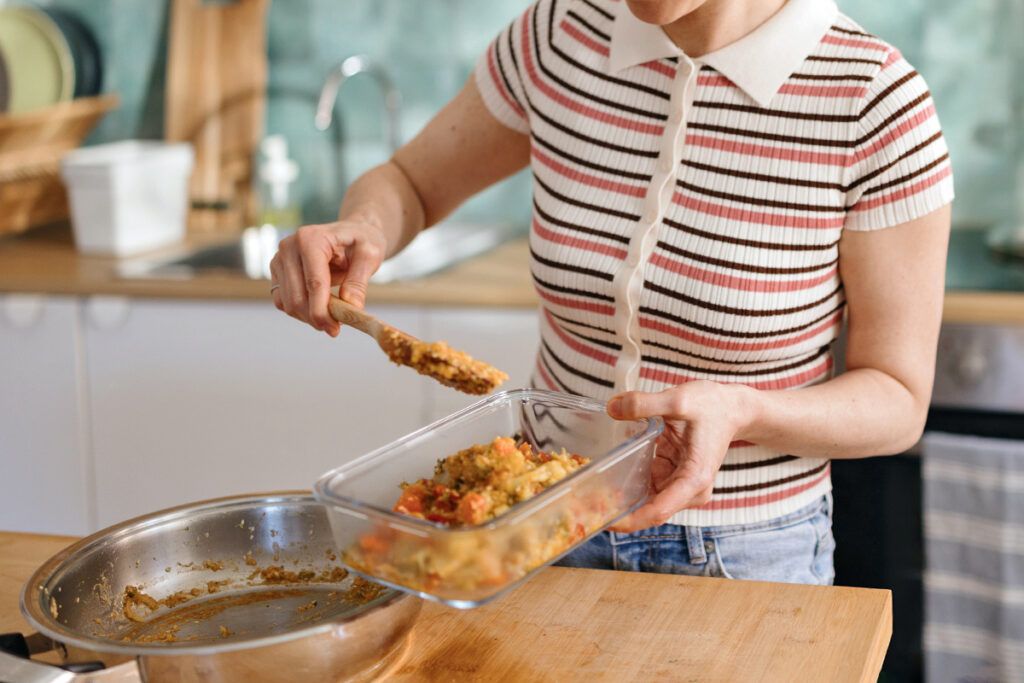
If you don’t have time to sort through publications and websites about food safety, here’s a quick cheat sheet of what you need to know for leftovers specifically:
• Chill your leftovers ASAP. Don’t wait for them to come to room temperature first (your fridge can handle it). Leftovers should never sit at room temperature for more than two hours, or more than one hour if the temperature is above 90 degrees Fahrenheit.
• Portion big-batch leftovers, like a pot of chili or a full-sized roast or turkey, into small, flat containers for refrigerating or freezing. Several small, shallow portions cool off a lot faster than one big container, which means less time spent in the danger zone (above 40 degrees Fahrenheit, but below 140 degrees) where bacteria can thrive.
• Eat your leftovers within three or four days if they’re refrigerated, or freeze them if you know you won’t eat them within that time frame.
• If you freeze your leftovers, thaw them safely. The best method is overnight (or longer) in the fridge, but thawing in cold water is OK if you eat them that day. The microwave should be used only if you plan to eat them right away, because it heats unevenly and some parts of the food may reach an unsafe temperature. And never thaw leftovers by leaving them on the counter — that’s just asking for trouble.
• Leftovers that have been thawed in the fridge are also good for three to four days if they were frozen the same day you cooked them. Your maximum is a total of four fridge days, so if you froze them two days after cooking, and thawed them for a day in the fridge, you now have only one day left to eat them.
At this point you may wonder: If leftovers are safe to eat cold, why the emphasis on reheating to 165 degrees Fahrenheit? It’s because once you start heating up those leftovers, you put them squarely into the food safety danger zone. So at that point you’re committed and need to keep going until the food reaches 165 degrees Fahrenheit.
Featured Image Credit: © Steven Puetzer—The Image Bank/Getty Images
More From Our Network
Better Report is part of Inbox Studio, an email-first media company. *Indicates a third-party property.






Fred Decker is a trained chef and former restaurateur. Since closing his restaurants over a decade ago he has been a prolific freelance writer, publishing several thousand articles on dozens of high-volume websites including Taste Of Home, Hunker, Tasting Table, Week&, eHow, and GOBankingRates. He lives on a rural acreage shared with a big garden, chickens, rabbits, and grandkids.
This article is for general informational purposes only.
Affiliate Disclaimer Medical Disclaimer Financial Disclaimer