7 Scientifically Proven Routines to Help You Sleep Better


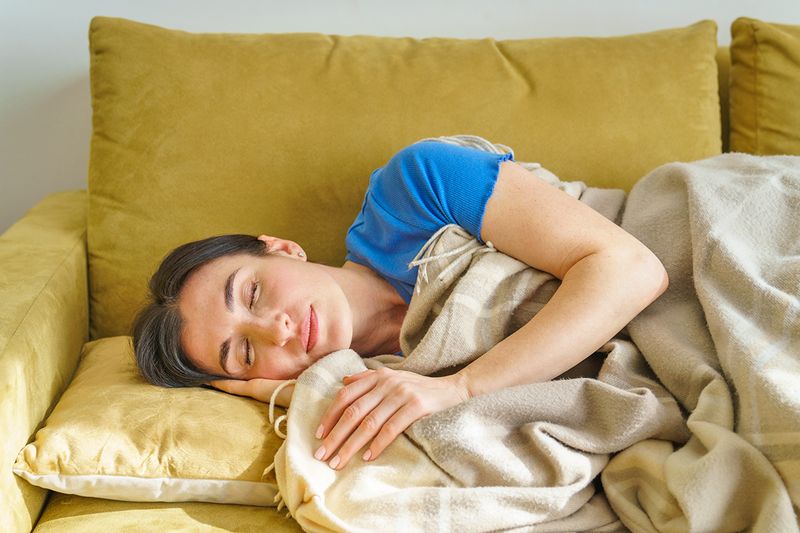
Have you been tossing and turning lately? It might be time to work a few sleep-promoting habits into your evening schedule. Bedtime routines aren’t reserved for children — they’re actually beneficial for people of all ages. Get your recommended seven to nine hours each night by adding a few scientifically proven sleep hacks to your pre-sleep routine.

Turn Off Screens
Using phones, tablets, or watching TV before bed can impact your sleep. Endless social media scrolling can stimulate your brain, making it hard to fall asleep and even delay when you enter REM sleep (the dream stage that also supports mood and memory). Blue light from phones also mimics daylight, which can interrupt your body’s natural circadian rhythm. Power down your phone or tablet and switch off your streaming marathon about an hour before bed to circumvent these screen time downsides.

Read a Book
Reading a physical book before bed is one way to relax without being exposed to blue light from screens, though research suggests it has other benefits. Snuggling up with a good book can distract you from replaying a busy day or worrying about the next. Some studies show that reading is relaxing and can reduce stress by 68%. Just 20 minutes of evening reading is enough to help cue up a good night’s sleep.

Exercise Earlier in the Day
Researchers aren’t entirely sure how sleep and exercise are linked, though studies show that movement earlier in the day helps release stress and balance moods, which help your body transition into peaceful sleep at night. However, some doctors say timing is important. Exercise raises body temperature for up to 90 minutes afterward and releases endorphins, which can keep you awake closer to bedtime.

Reader Favorites




Stretch
Stretching warms up your muscles before exercise, but it’s also effective at helping your body slow down and recognize that sleep is coming. A five- to 10-minute stretch session about an hour before bed can improve blood flow, relieve tension, and relax muscle aches — the perfect formula for great sleep.

Take a Warm Bath or Shower
Enjoying a warm shower or soak before bed is a scientifically backed way to drift into dreamland faster, trimming the time it takes to fall asleep by about nine minutes. Researchers say the trick works because your core body temperature must drop about two to three degrees for deep sleep. Warm water also causes the body to circulate more blood to the hands and feet, which can be released and help lower your internal temperature. For best results, bathe one to two hours before bedtime.

Eat a Sleep-Inducing Snack
Nibbling on select bedtime snacks can help you have a more successful slumber. Almonds, walnuts, milk, and tart cherry juice all contain melatonin, a hormone that helps time your circadian rhythm and triggers sleepiness. Some foods without melatonin work, too — bananas, pumpkin seeds, oats, and peanut butter all contain magnesium, a mineral that reduces stress, relaxes muscles, and helps your body create more melatonin.
Take Deep Breaths
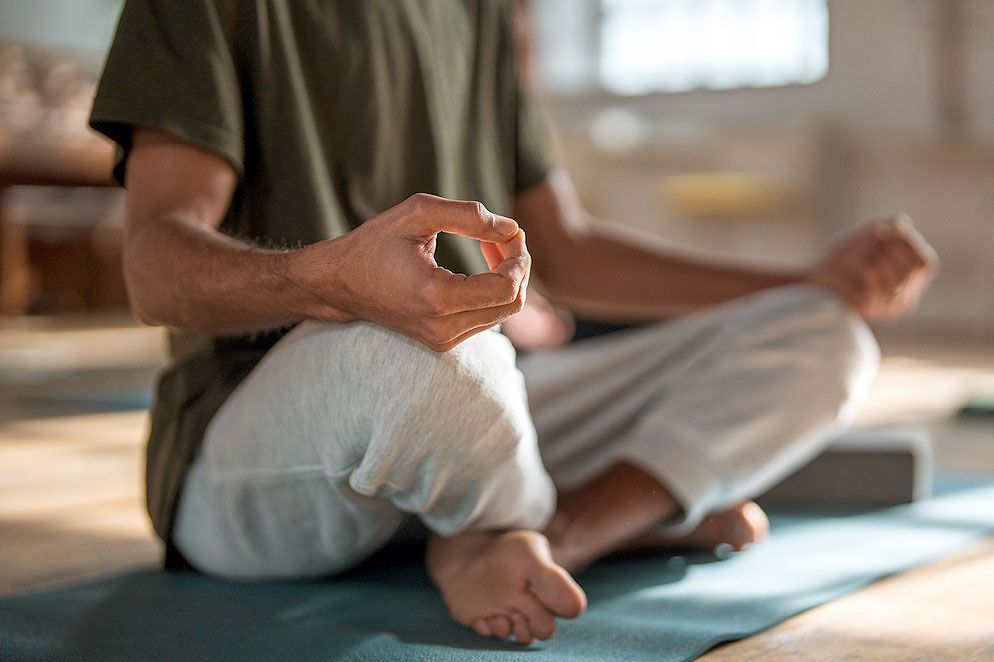
Some breathing techniques can help your mind and body relax, priming you for better sleep. Inhaling and exhaling through one nostril at a time — a yoga-based practice called alternate nostril breathing — is one calming method. Another, called 4-7-8 breathing, comes from inhaling through your nose for four counts, holding your breath for seven counts, and exhaling for eight counts. These breathing styles can melt away a stressful day and speed up how quickly you fall asleep.
Featured Image Credit: recep-bg/ iStock
More From Our Network
Better Report is part of Inbox Studio, an email-first media company. *Indicates a third-party property.







Nicole Garner Meeker is a freelance writer, research editor, and Inbox Studio contributor. Based in St. Louis, she’s an enthusiastic gardener, fiber artist, and connoisseur of fine snacks.
This article is for general informational purposes only.
Affiliate Disclaimer Medical Disclaimer Financial Disclaimer