Skip to content
Better Report
  • Home
  • Health
  • Wealth
3 Tricks for Getting the Best Exchange Rates While Traveling

  • Search
  • Subscribe
  • Home
  • Health
  • Wealth
  • About
  • Privacy Policy
  • Terms of Use
  • Contact Us
  • SubscribeSubscribe
  • Search
Thank you for confirming your email! Welcome to the community.
Advertisement

3 Tricks for Getting the Best Exchange Rates While Traveling
Wealth | Updated: January 9, 2024
Bennett Kleinman
Author
Bennett Kleinman is a New York City-based staff writer for Inbox Studio. He is also a freelance comedy writer, devoted New York Yankees and New Jersey Devils fan, and thinks plain seltzer is the best drink ever invented.
Better Report

Figuring out how much money you will need when traveling to a foreign country can be tricky. For example, in Europe, $1 in American currency is worth .92 euro. However, that same dollar is worth 17 pesos if you’re in Mexico. And 1 euro is worth 18 pesos. But tomorrow, those rates could be entirely different. With 180 currencies worldwide, it’s easy to get confused. Follow these tips to get the best bang for your buck. 
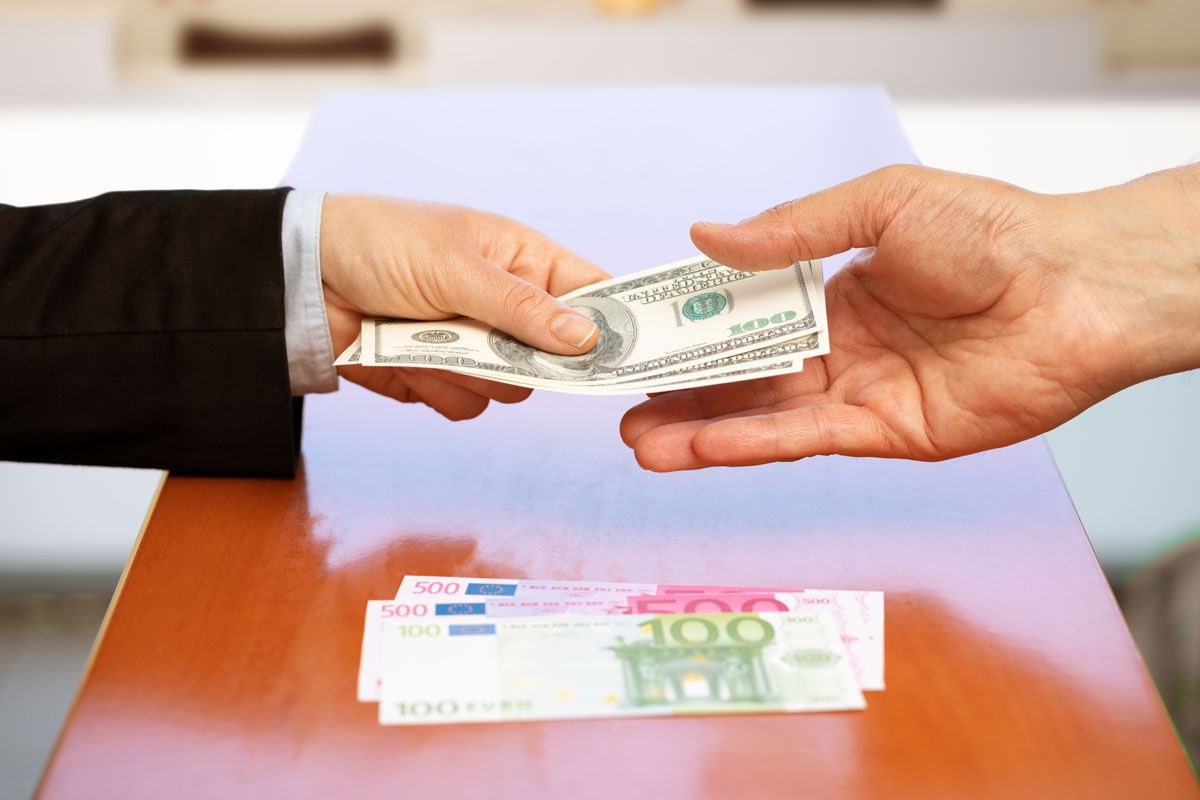
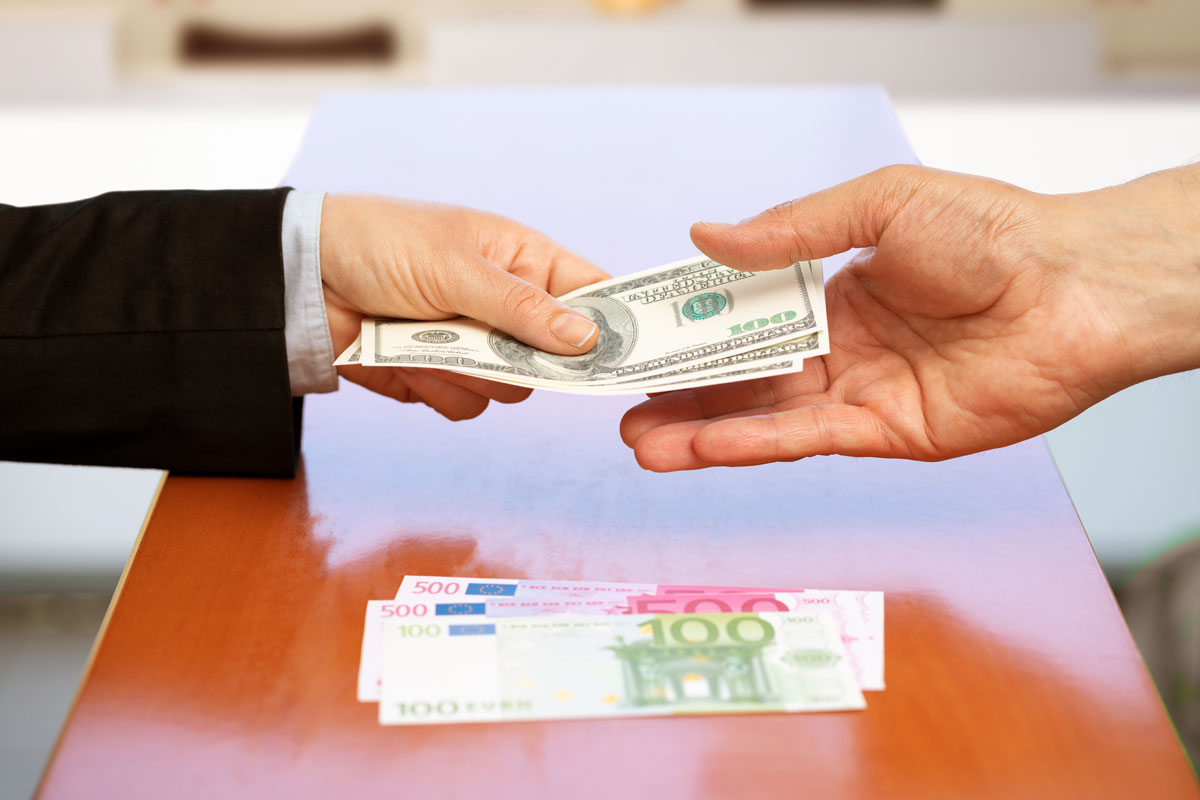
An image of a person handing another person cash
Credit: Cunaplus_M.Faba/ iStock

Understand the Different Kinds of Exchange Rates

Exchange rates calculate the ratio at which one currency can be exchanged for another. These rates are often volatile, depending on factors that affect domestic and foreign currency. They usually fall into one of two categories: floating or fixed. 

Floating rates rely on the private market and are often dictated by supply and demand. This means countries that attract fewer tourists will have less valuable currency of their own, as their money is less in demand. In those countries, foreign currencies like the U.S. dollar are particularly strong compared to local money.

Fixed rates are established by government banks and are tied to the value of another world currency, such as the U.S. dollar, euro, or yen. If the government of a country decides that $5 in local currency is equal to the value of $1 U.S. dollar, local banks will buy and sell their money to maintain that pre-established ratio.

Advertisement

Knowing which rates apply to the country you are traveling to will help you better understand if you are getting a good deal when you exchange money. 
Advertisement
Advertisement
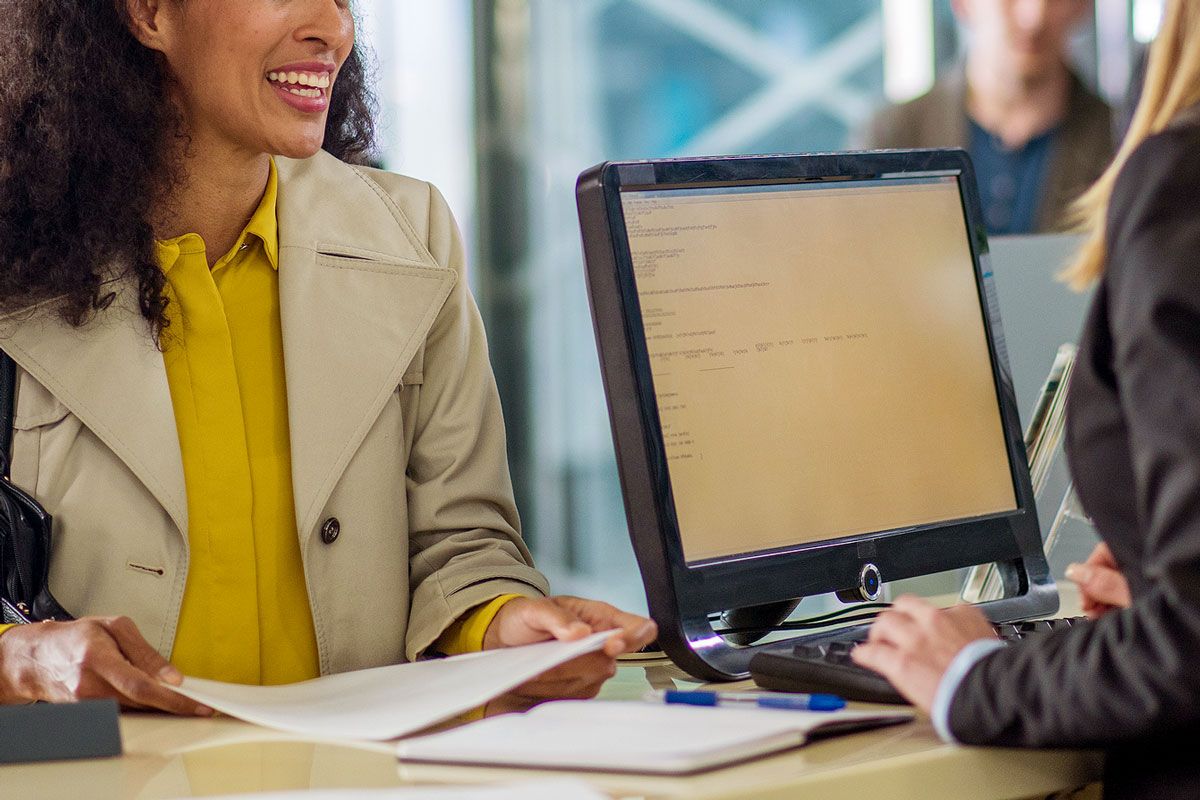
An image of a woman holding a document and smiling while bank teller serving.
Credit: simonkr/ iStock

Exchange Money at Home or a Bank

Exchanging money for overseas currency incurs fees. However, you can keep those fees around 1% to 3% if you exchange money in the right place. Banks and credit unions are often the best places to exchange currency, as they offer the lowest rates.

If you’re already abroad, avoiding exchanging money without added protection from your bank back home is best. Find an ATM that operates within your bank’s network, as those offer the lowest fees of any option available in a foreign country.
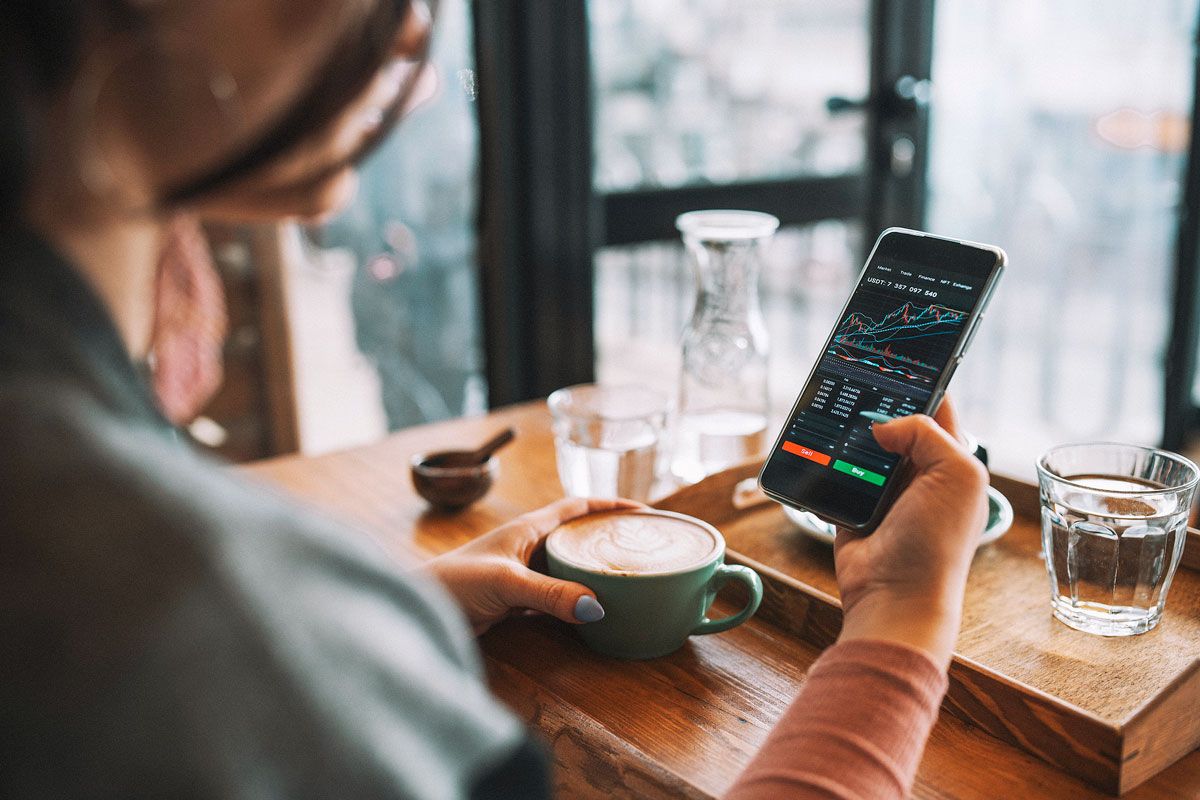
An image of a woman looking at stocks on her phone
Credit: ArtistGNDphotography/ iStock

Avoid Exchanging Money at the Airport

You may be tempted to exchange money at the airport right when you land, but resist it — the fees are high and predatory. Also, avoid exchange kiosks in foreign cities, as many places try to exploit tourists. 

Be sure to check the value of the local currency first at a trusted institution before exchanging. Markets run by companies like Bloomberg and Reuters are valuable sources that can help you avoid getting ripped off.

Advertisement

Featured Image Credit: Cunaplus_M.Faba/ iStock

More From Our Network

Better Report is part of Inbox Studio, an email-first media company. *Indicates a third-party property.

Go Retro With This 1960s Fashion Quiz

Quiz Daily

Go Retro With This 1960s Fashion Quiz

True or False: Are You a Master of U.S. Geography?

Travel Quiz

True or False: Are You a Master of U.S. Geography?

5 Reasons You Can Be Denied Boarding an Airplane

Daily Passport

5 Reasons You Can Be Denied Boarding an Airplane

What Did People Do Before Eyeglasses?

History Facts

What Did People Do Before Eyeglasses?

How To Use a Balloon To Clean Up Dust

House Outlook

How To Use a Balloon To Clean Up Dust

11 Shopping Hacks Costco Members Should Know

FinanceBuzz*

11 Shopping Hacks Costco Members Should Know

Share this article

  • Share to Facebook
  • Share to Twitter
  • Copy Url
  • Share to Email
Bennett Kleinman
Staff Writer

Bennett Kleinman is a New York City-based staff writer for Inbox Studio. He is also a freelance comedy writer, devoted New York Yankees and New Jersey Devils fan, and thinks plain seltzer is the best drink ever invented.

This article is for general informational purposes only.
Affiliate Disclaimer Medical Disclaimer Financial Disclaimer

Updated: July 20, 2023
Posted In: Wealth
Hero Image Credit: Better Report

Recommended Articles

  • Is It Rude To Ask for Leftovers at Fancy Restaurants?

  • Why a Flashing Check Engine Light Is Different From a Solid One

  • The Government Search That May Find Money Owed to You

  • 7 Gross Things That Could Be on Your Toothbrush

Advertisement

Related Articles

Is It Rude To Ask for Leftovers at Fancy Restaurants?

5 min read

The Government Search That May Find Money Owed to You

4 min read

Are You Overpaying on Your Mortgage?

5 min read

5 Things You Should Never Buy During Labor Day Sales (and What To Get Instead)

6 min read

Some Grocery Prices Are Finally Going Down — Here’s What’s Getting Cheaper

3 min read
Advertisement
  • Home
  • Health
  • Wealth
  • Logo
  • Advertise
  • About
  • Contact Us
  • Privacy Policy
  • Terms of Use
  • Your Privacy Choices
x
Thumb Image

Elevate your everyday.

Sign up to receive the practical tips and expert advice you need to pare down the complexities of everyday living right in your inbox.

Sorry, your email address is not valid. Please try again.

Your email is:

Edit Image
Sorry, your email address is not valid. Please try again.
Thank you for subscribing...

By subscribing you are agreeing to our Terms of Use and Privacy Policy.

Close image
Thumb Image
Second Thumb Image

Elevate your everyday.

Sign up to receive the practical tips and expert advice you need to pare down the complexities of everyday living right in your inbox.

Sorry, your email address is not valid. Please try again.

By subscribing you are agreeing to our Privacy Policy and Terms of Use.

Close image