An Easy Way To Make Money Off Your Old Books
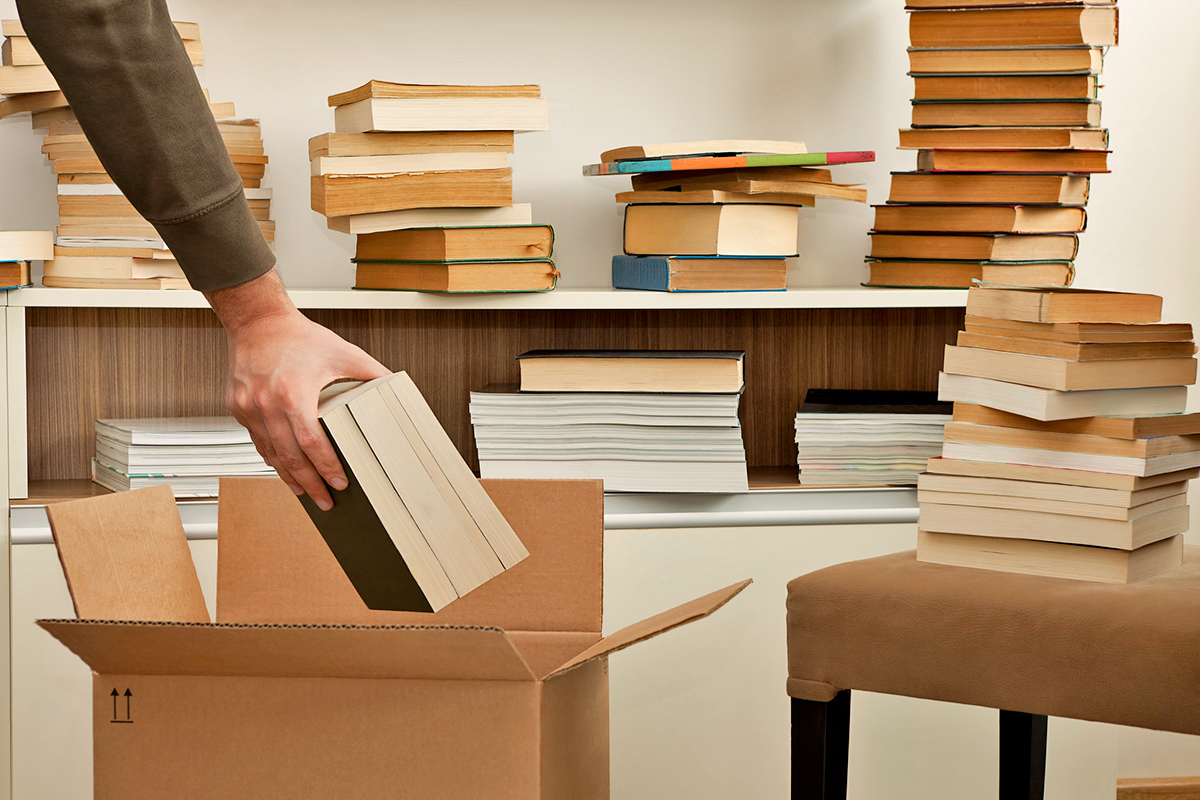

When it comes to their literary diet, every bibliophile is guilty of having eyes bigger than their stomach and to-be-read piles that will take ages to get through — if they actually intend to read them all, that is.
The practice of buying more books than you can read is known as tsundoku, a portmanteau of the Japanese words tsumu, meaning “to pile up,” and doku, a verb that can be used to mean “to be reading.” The word dates back to the 19th century, and there’s not necessarily a negative connotation to it. Instead, those unread piles are a physical manifestation of your reading goals — they contain a wealth of knowledge and experiences you can imagine now and anticipate enjoying at a later date.
But what about the tomes that book lovers do get around to reading? What’s the best way to deal with them and make space for even more books?
One option is to drop them off at a nearby Little Free Library. Another is to find a donation box at the local library or recycling plant. But you can also make some easy money by selling used books online. Sites including World of Books and BooksRun will buy your old books and resell them to other readers at no charge to you; I’ve personally sold my old books through ThriftBooks. Here’s how it works.
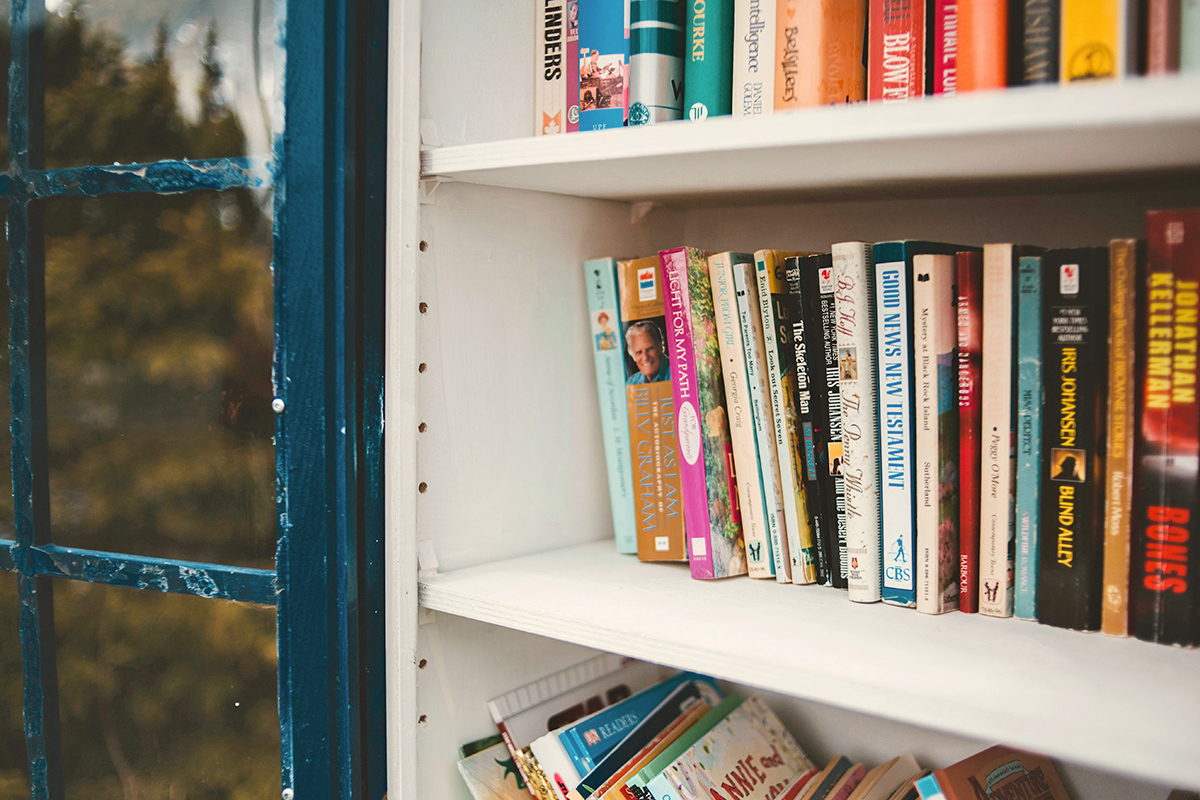
How To Free Up Bookshelf Space — And Get Paid
Once I’ve amassed a bunch of books I want to sell, I log in to ThriftBooks’ sellback website and type in their ISBNs (you can also scan book barcodes on the ThriftBooks app). From there, books that are accepted will appear in blue with a price; those that aren’t accepted will appear in red with a line through them.

Reader Favorites



Which books ThriftBooks accepts “depends on current market needs and inventory levels,” according to its website. These factors also determine what they offer for each book. In my experience, ThriftBooks will pay less than a dollar for some paperbacks and up to around $4 for hardbacks. All the books need to be in “acceptable or better condition” — meaning the spine should be in good shape with the cover and pages intact. Markups should be minimal; the book also can’t have an odor (old book smell, I assume, is the exception to this rule). Additionally, there are some books ThriftBooks won’t buy, like advanced reader copies, teacher’s editions, and books without ISBNs.
It’s best to wait until you’re ready to get rid of your books to start loading in ISBNs. ThriftBooks reassesses its inventory every day, so if books are on your sellback list too long, the price may change — or they could fall off of it entirely. You can sell up to 40 pounds of books (as well as DVDs and Blu-rays) at once, as long as you can fit everything into one box.
After you’ve accepted the offer, a prepaid shipping label will be sent to your email. Then all that’s left to do is box up the books and take them to USPS within seven days (wait any longer and Thriftbooks will cancel your buyback). When they arrive at ThriftBooks, they’ll be inspected and, once they’ve confirmed the contents of the box and accepted it, you’ll receive payment (you can either get ThriftBooks credit to buy used books on their site or have money sent to your PayPal account) not long after. Between sending and processing, you might wait up to 20 days for payment.

Don’t Forget To Shop Around
There are a lot of book resellers out there, so it’s possible that one may give you a better price than another. BookScouter, which assesses multiple book resale sites, comes in handy here: When you enter in book ISBNs you’ll see what more than 25 sites are offering — or not offering, as the case may be. (Interestingly, ThriftBooks doesn’t show up.)
To test it out, I entered the ISBNs for books I recently finished into both ThriftBooks and BookScouter. Two of them — a hardcover and a paperback — went for double what ThriftBooks was offering me on another site, while a second paperback went for around 20 cents less.
So, it pays to shop around for a better deal, but there are a couple of things to keep in mind: Any site buying books will have a minimum buyback order, so it’s possible you’ll need to stick to one place if you can’t meet the minimum at multiple sites. It’s also a good idea to look at reviews before you send your books anywhere to make sure other users haven’t had issues. And there may be other factors that lead you to choose one service over another — World of Books, for example, offers payment via PayPal, ACH transfer, or physical check, while ThriftBooks will send payment only through PayPal.
Typically, no matter where you’re selling, the books don’t go for a ton of money. If you don’t mind them sitting around your house for a bit longer, you can use Pango Books to set your own price and sell directly to other readers, which will net you a better profit. Still, something is better than nothing, especially when you can roll those funds back into your book-buying budget. That way, you’ll never run out of things to read — or at least admire, tsundoku-style.
Featured image credit: © Yurdakul/iStock
More From Our Network
Better Report is part of Inbox Studio, an email-first media company. *Indicates a third-party property.





Erin is a writer, editor, and content strategist living in the New York City area. Previously, she was the VP/Editor-in-Chief of MentalFloss.com and an editor at Popular Mechanics magazine. When she’s not working, Erin is hanging out with her cats, reading books from her never-ending TBR, traveling, karaoking, and making sourdough with her starter Stephen Sondheim.
This article is for general informational purposes only.
Affiliate Disclaimer Medical Disclaimer Financial Disclaimer