Your Winter Skin Care Won’t Work for Spring — Here’s What Will


All featured products and deals are selected independently and objectively by the author. Better Report may receive a share of sales via affiliate links in content.
As winter’s freezing temperatures and snow give way to relatively balmy spring weather, you’re probably breathing a sigh of relief — finally, you can go outside without covering up from head to toe. But if you haven’t changed up your skin care with the seasons, your skin could be paying the price.
There are a number of ways spring can wreak havoc on your skin, and the routine you’ve been using all winter simply can’t conquer them. We asked an expert for tips to ease the transition.

Why Your Skin Suffers in the Spring
If someone asked you which season is hardest on your skin, you’d probably go with either winter, thanks to its chilly weather, or summer, due to its intense sun — and you wouldn’t necessarily be wrong. But spring is surprisingly tough on the skin, too.
One reason why is allergens, which, in addition to triggering sneezing fits and causing watery eyes, can also irritate the skin. “The skin contains mast cells which store histamine. When the skin is disrupted, those cells release histamine as a defense mechanism,” Nicole Hollander, RN, BSN, says. Hollander is the owner and operator of HUSH Medical Aesthetics in Buckingham, Pennsylvania, and has spent 15 years focused on aesthetics. Allergens such as pollen, as well as things like dust and mold, can set off a histamine release that leads to itchy, rashy skin. And if you have eczema or psoriasis, you may experience flare-ups at this time due to pollen in the air getting in the skin.
To make matters worse, temperature can be all over the place as the seasons change, and those fluctuations can cause dryness and flakiness. You might also see breakouts from rising humidity. Sweating and friction from clothing as you’re exercising can be sources of skin irritation, too, as can bug bites.

Reader Favorites



Additionally, as the weather warms up, you’ll likely want to spend more time outdoors, exposing your skin to more sun — and therefore more harmful UV rays. Springtime sun is more intense than many people realize, which could lead to sunburns, hyperpigmentation, premature aging, and other skin damage.
Transitioning From Winter to Spring
According to Hollander, a winter skin care routine will be “vastly different” from the one you want for spring and summer. The colder months’ harsh weather, combined with the hot, dry air used inside, can lead to dehydrated, sensitive skin, so winter skin care should focus on using thick, moisturizing products that will hydrate the skin, and exfoliating products should be used sparingly.
Spring, however, is the time to switch things up — but it’s important to consult with your aesthetician and/or dermatologist before making changes to your routine, because disruptions to the skin barrier can also cause breakouts and irritation. With that in mind, here are a few general tips.

Get a Light Moisturizer
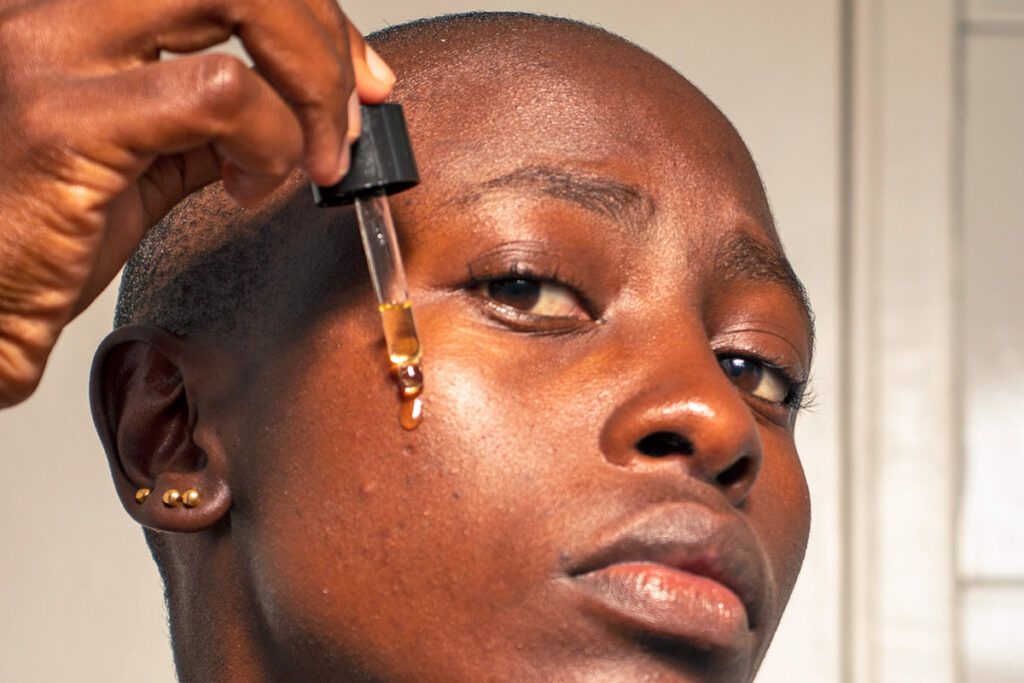
Spring’s rising temperatures and increasing humidity mean your skin will produce more of a natural oil called sebum. Thicker moisturizers could clog your pores and lead to breakouts, so you’ll want to opt for a lightweight moisturizer like Alastin’s Ultra Light Moisturizer or a product with hyaluronic acid (a naturally occurring substance in the body that retains moisture), like PCA SKIN Hyaluronic Acid Boosting Serum.
Use Antioxidants
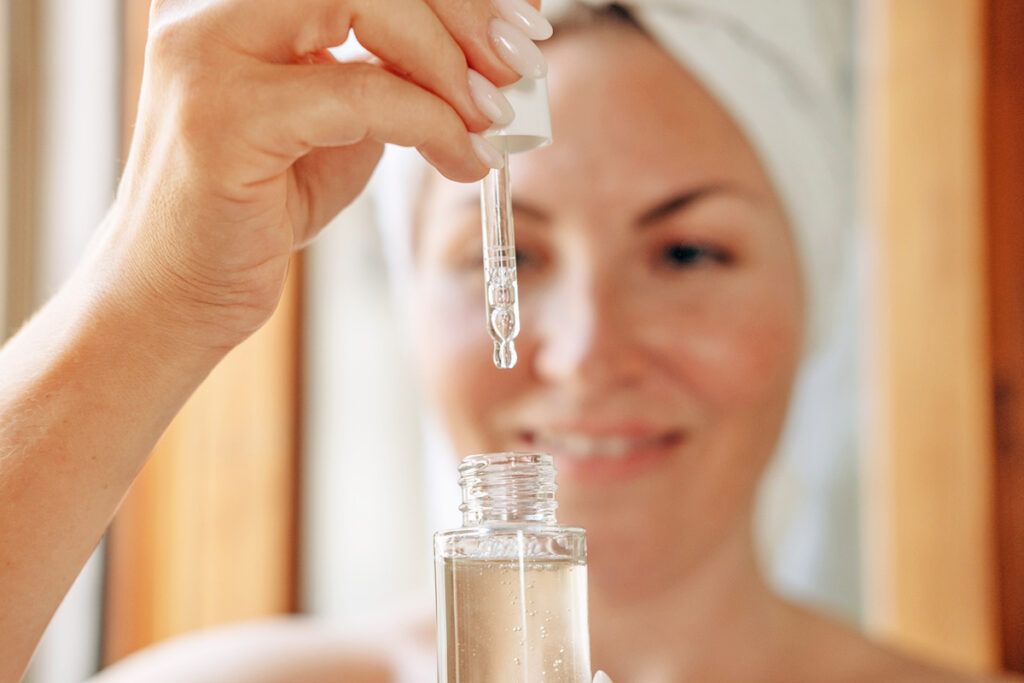
Hollander says it’s “imperative” at this time of year “to layer the skin with defense mechanisms” — specifically, vitamin C and other antioxidants, which protect against things like pollution and sun damage and brighten the skin to boot. She likes Isdin Flavo-C Ultraglican Ampules or SkinMedica’s TNS Essential Advanced+ Serum.
Exfoliate
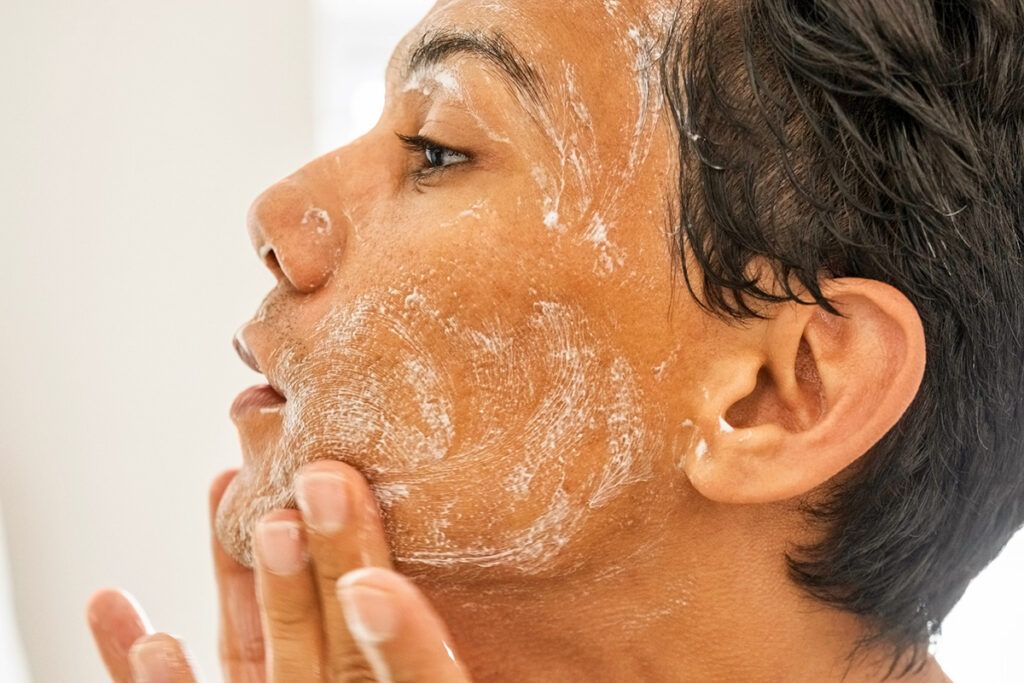
It’s also likely that winter has left your skin dry and dull, and that spring is making you sweat more — both things that call for exfoliating to remove dead skin. Hollander likes to alternate a gentle cleanser with an exfoliating cleanser (her favorite is Obagi Medical’s Obagi360 Exfoliating Cleanser). She also recommends ZO Skin Health’s Exfoliating Polish, which she says is gentle enough to use a few times a week.
Use a Retinol
Now that winter is over and your skin is less sensitive, you’ll probably want to incorporate or increase retinol or retinoid use in the spring. These vitamin A derivatives have been scientifically proven to increase skin cell turnover, stimulate collagen production, and reduce the appearance of fine lines and wrinkles. (Many over-the-counter products include retinol, but you’ll need a prescription for a retinoid.)
Hollander recommends this step for people over the age of 25, when collagen production starts to slow down. “Retinols are a gentler version of a retinoid and a great way to introduce this [element] into your skin care routine,” she says. When you build up tolerance to retinol, you can switch over to a retinoid. Note that you may experience sensitivity and redness when adding these products into your skin care regimen. That’s normal, but it’s important to have the guidance of a skin care professional to figure out what’s best for you.
Don’t Forget To Wear — and Reapply — Your Sunscreen
Hollander calls retinol one of her “two most important factors in skin care.” The other, which tops the list, is sunscreen.
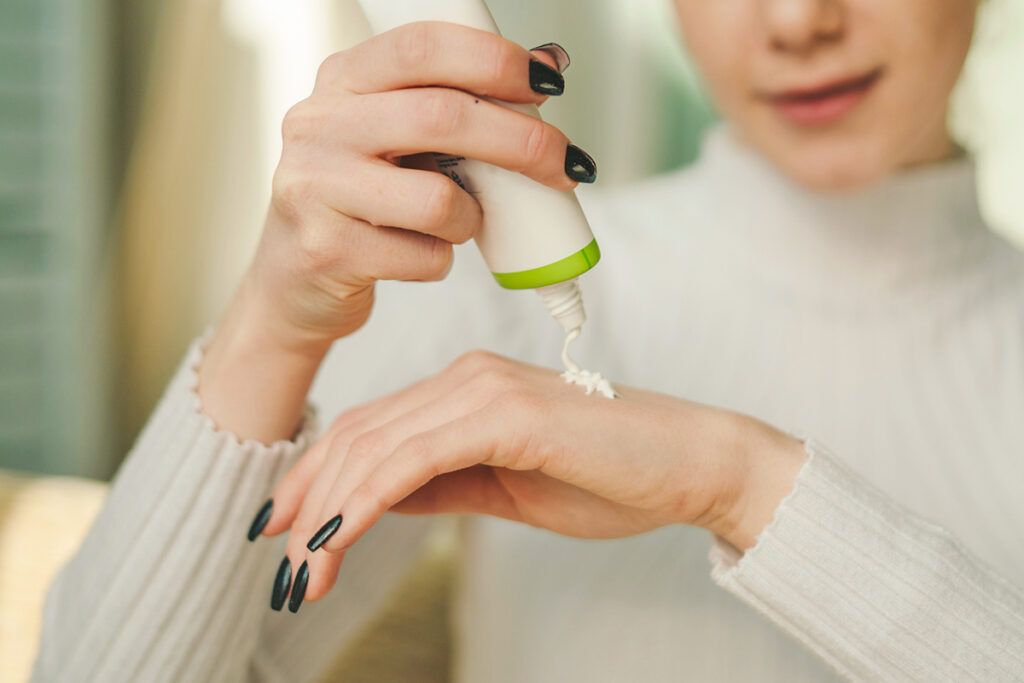
Sunscreen should always be a part of your skin care routine, even in winter, even if it’s cloudy, and even if you’re planning to only be indoors. (And SPF in your makeup isn’t enough.) You should be aiming for at least SPF 30 for everyday use. Hollander likes Alastin HydraTint SPF for the face — which “gives the skin a glow, evens out imperfections, and can even replace a heavy foundation” — and Elta MD Skincare UV AOX Mist for the body.
If you’re spending an extended period of time outside, make sure to use a higher SPF; Hollander recommends at least SPF 50. You might want to consider additional physical protections, too, like a hat or sun-protective clothing, “since sweating is likely and you may not be able to reapply your sunscreen,” she says.
About that: You should be reapplying sunscreen every two hours, especially if you’re sweating or swimming, and you might want to consider reapplying even more frequently in those cases. Keeping a powder brush sunscreen in your bag will make reapplying on the face and scalp easy. Hollander suggests setting a timer when you’re outdoors so you don’t forget.
Ultimately, according to Hollander, “springtime is the time to gently ease your skin into the next season.” If you’ve established a solid routine and good habits, summer should be a breeze.
Featured Image Credit: © FilippoBacci/iStock
More From Our Network
Better Report is part of Inbox Studio, an email-first media company. *Indicates a third-party property.







Erin is a writer, editor, and content strategist living in the New York City area. Previously, she was the VP/Editor-in-Chief of MentalFloss.com and an editor at Popular Mechanics magazine. When she’s not working, Erin is hanging out with her cats, reading books from her never-ending TBR, traveling, karaoking, and making sourdough with her starter Stephen Sondheim.
This article is for general informational purposes only.
Affiliate Disclaimer Medical Disclaimer Financial Disclaimer