Why You Should Throw Out Your Plastic Cutting Boards
All featured products and deals are selected independently and objectively by the author. Better Report may receive a share of sales via affiliate links in content.
If it seems like microplastics are everywhere nowadays…it’s because they are. From untouched Polar regions to our kitchens, and even our bodies, microplastics are cropping up all over the place. Scientists estimate that a significant portion of our microplastic exposure comes from food intake, leaked from common kitchen items like ice trays, dishwasher pods, food storage containers, cutting boards, and more. One recent study aimed to discover the level of microplastics that cutting boards emit. After all, these plastic boards do bear the brunt of daily chopping. Here’s what the research indicates and why some people are passing on the plastic.
What Are Microplastics?
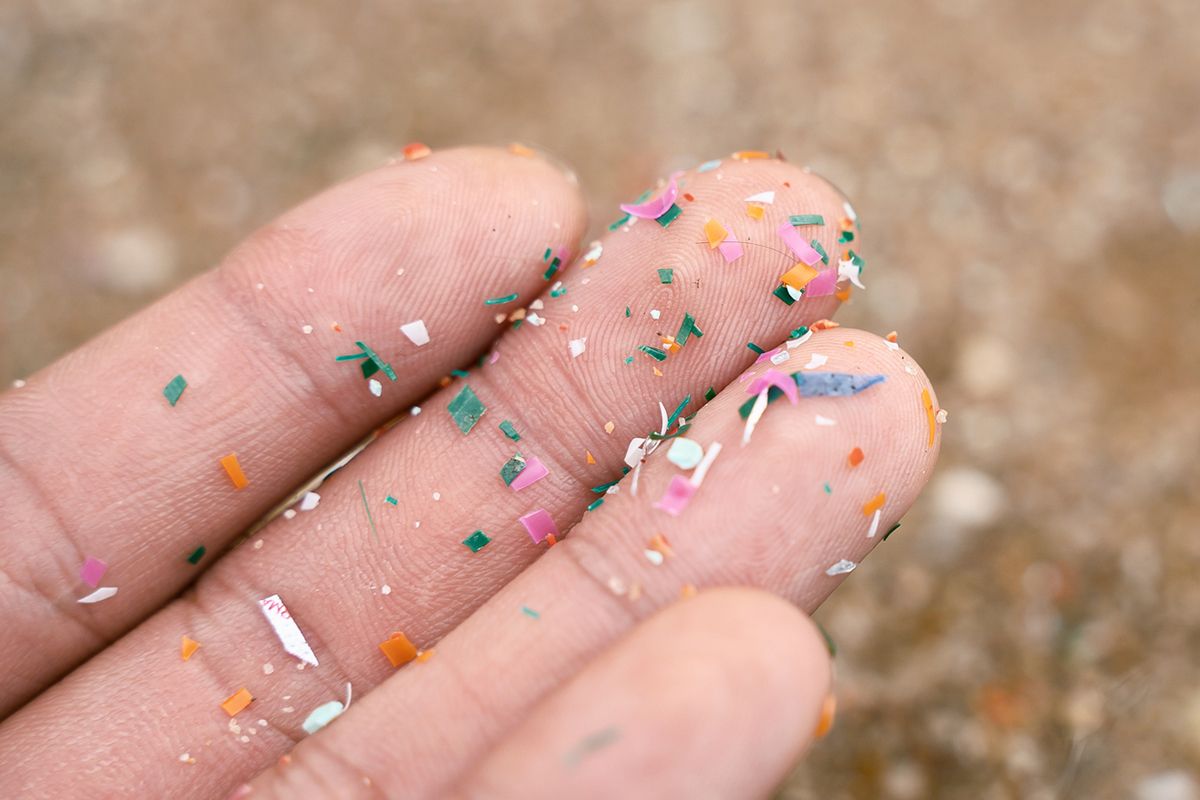
Microplastics are defined as any tiny piece of plastic less than five millimeters in diameter, about the size of a pencil eraser. However, microplastics (as the name suggests) can be much smaller and invisible to the naked eye. This is especially hazardous because they can take hundreds to thousands of years to break down.
Microplastics are detected in many things people consume daily, including seafood, drinking water, beer, and even table salt. In the case of cutting boards, microplastics come straight from the source. As we cut up food, the knife blade gouges the plastic surface of the board and can redistribute plastic into the food. Hundreds of knife marks on boards show evidence of this plastic removal process. Because of this, researchers decided to test how much plastic is transferred from the board to food.
What Does the Research Say?
A 2023 study published in the American Chemical Society’s Environmental Science & Technology journal tested annual exposure to microplastics when cutting on plastic boards. The study measured the amount of microplastics released into food as it’s chopped up. This study tested two of the most common types of plastic boards: polypropylene and polyethylene.
It was discovered that a person using a polyethylene board was exposed to anywhere from 7.4 to 50.7 grams of microplastics annually. The findings for polypropylene boards were similar, with an annual exposure of 49.5 grams of microplastics. On the boards that leached the most plastic, up to 1,114 microplastic particles were released with every cut. To put this into perspective, compare these numbers with the average credit card. Plastic credit cards weigh around five grams, meaning we could be ingesting the equivalent of 10 plastic credit cards per year from using these chopping boards.

What Are the Risks of Microplastics?
Ingesting the equivalent of a deck of credit cards doesn’t sound too healthy, but just how bad is it? Unfortunately, scientists are unsure of the health impacts of microplastic consumption. Even so, the perceived danger and unknown risks are enough to have doctors warning us to limit our exposure. Medical professionals, scientists, and even the United Nations support measures to reduce this hazard for environmental and health reasons.
Scientists do know that once microplastics are ingested, they’re nearly impossible to get rid of, and they’ve been found all over the human body, in tissues and organs. The impacts of this phenomenon vary depending on the type, size, shape, and concentration of microplastics. Some microplastics can physically block the digestive system, causing injury. More research is needed to discover the other health hazards.

Reader Favorites



Should You Get Rid of Plastic Cutting Boards?
It might not be the answer you want to hear, but humans are exposed to countless other sources of microplastics in our homes, workplaces, and outdoor environments. Throwing away one or two plastic cutting boards is probably not enough to significantly mitigate your risk.
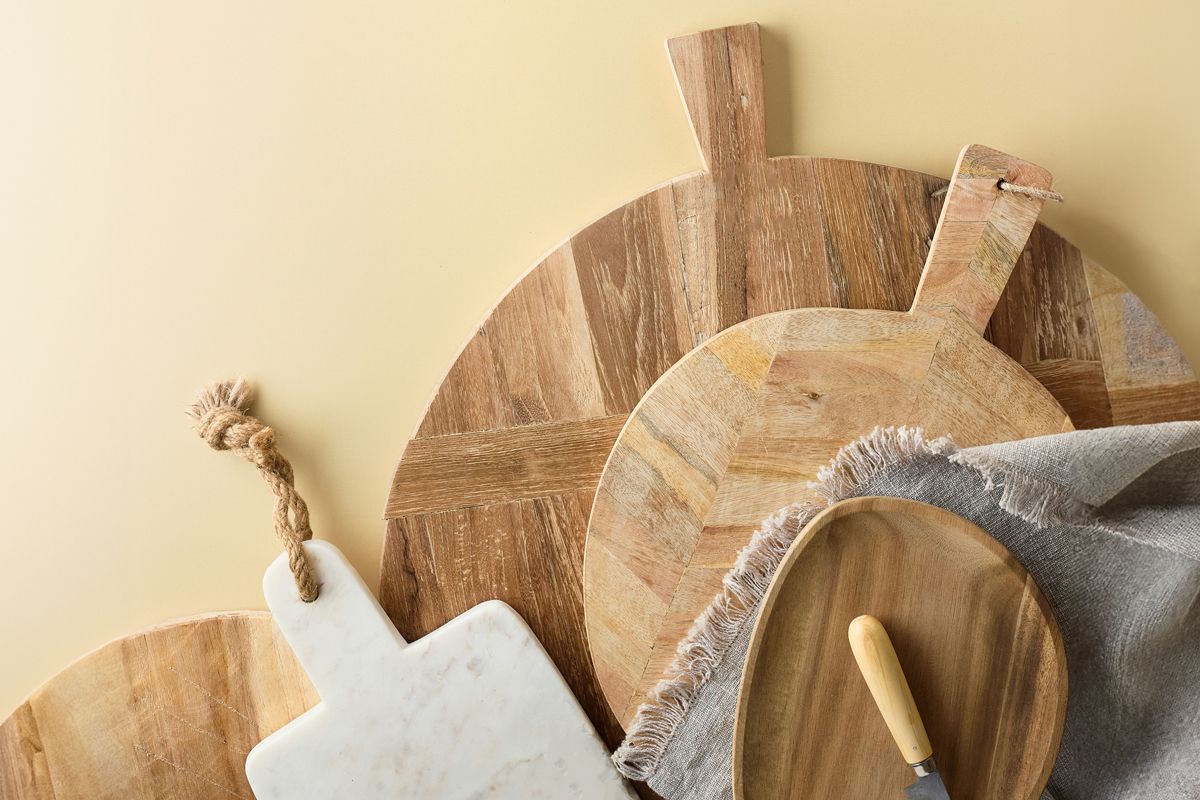
However, it might be a great step when combined with other measures — like swapping your plastic Tupperware for glass containers — that can help address your health and food safety. In this case, swapping out plastic for a wooden, bamboo, glass, or stone board might bring you peace of mind. After all, every small step is progress toward bettering our health and safeguarding our environment.
More From Our Network
Better Report is part of Inbox Studio, an email-first media company. *Indicates a third-party property.