8 Life-Changing Tips for an Easy Flight


Traveling by plane can take a toll on your body. Being crammed into a tight seat surrounded by strangers is a recipe for discomfort, and even the shortest flights can leave you feeling stressed and achy. Luckily, there are ways to make flights less physically harrowing, and you won’t even have to shell out extra for a first-class upgrade. Here are eight tips that will make your next flight smooth and comfortable.
Rest Before Each Flight
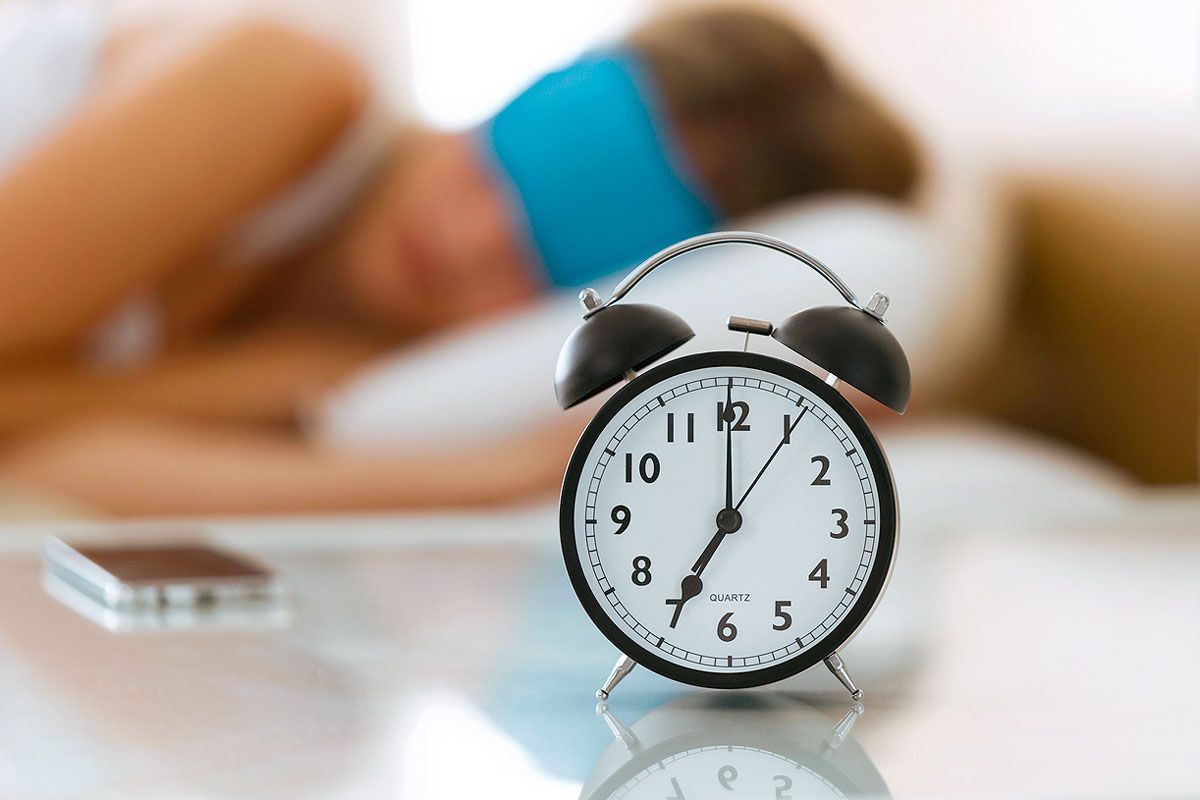
Sleeping on the plane is a great way to pass the time, but sleeping before a flight will leave you feeling more refreshed. It’s hard to count on getting quality sleep in the air, so make sure to get a good night’s sleep the night before. You will feel more energized when you disembark.
Opt for a Window Seat
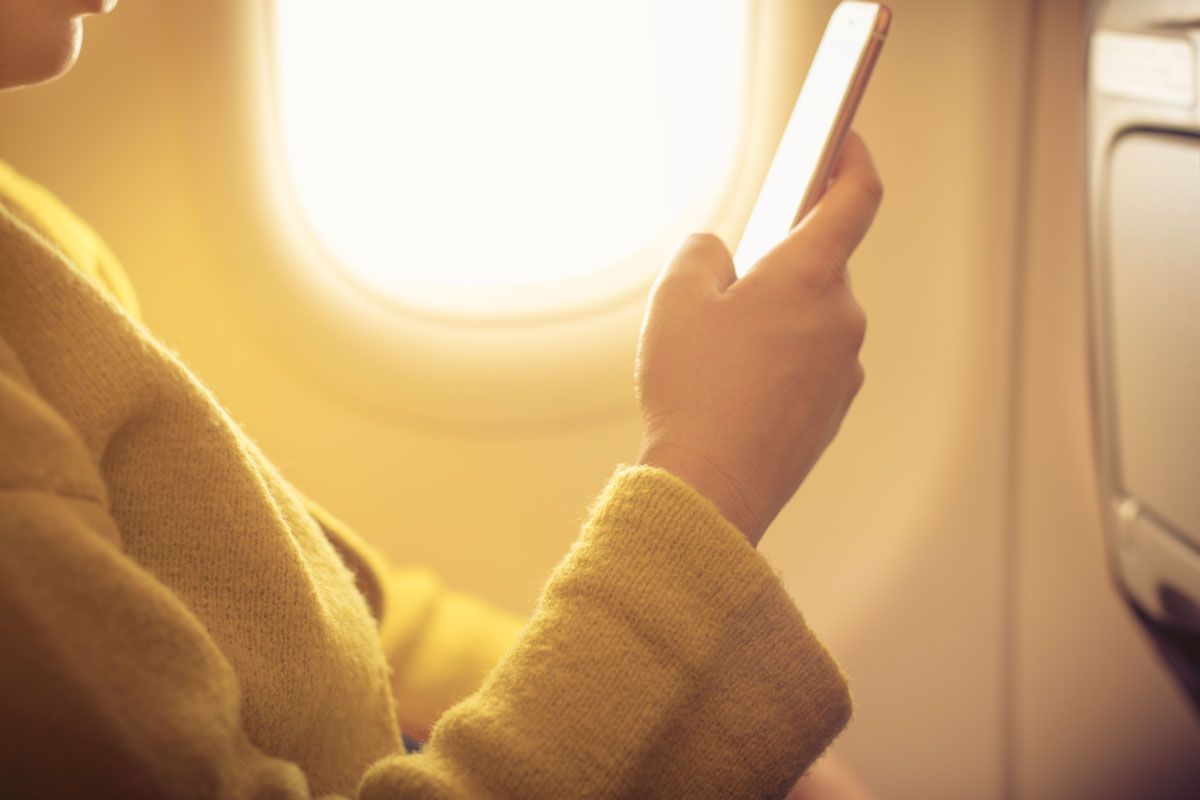
Window seats don’t just offer beautiful views — they are also the healthiest seating option on the plane. By sitting by the window, you have a greater chance of avoiding germs from passengers walking down the aisle. Air circulation also blows air through the aisle first, meaning you’re more likely to breathe in germs if you’re in an aisle seat.
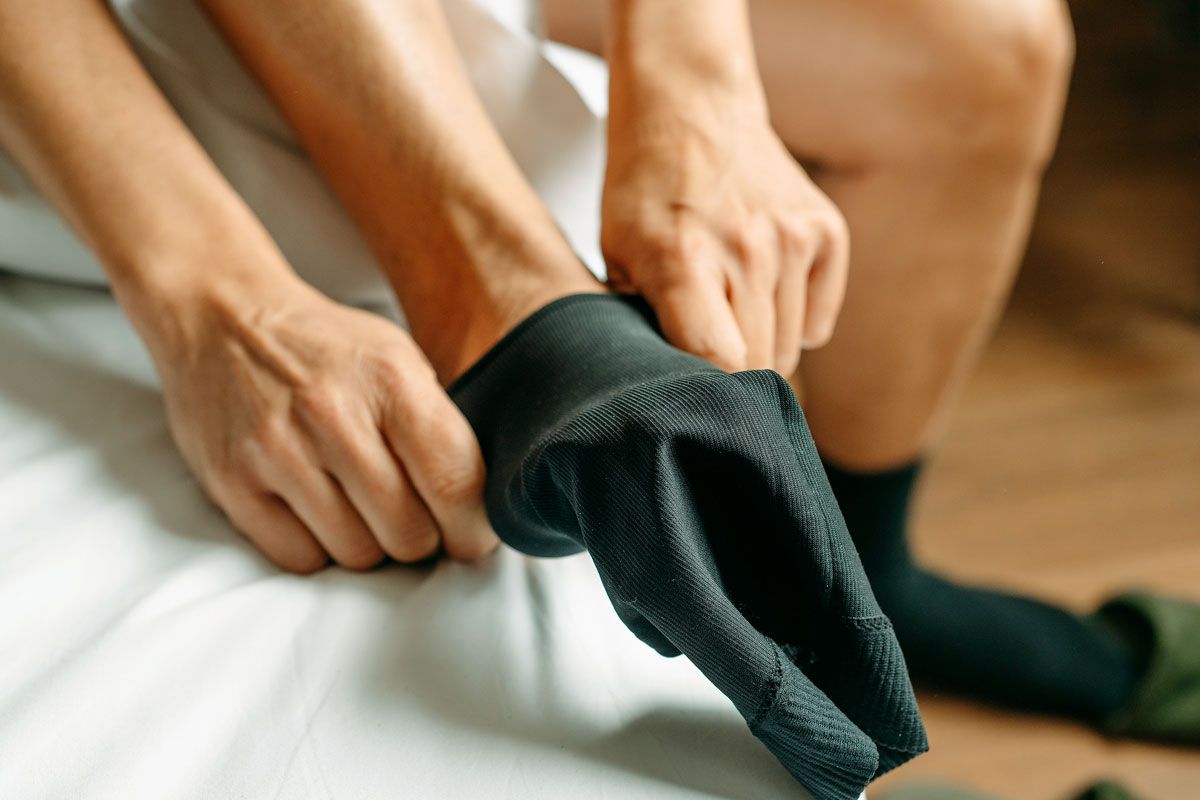
Wear Compression Socks
Cramped seating inhibits blood flow. You can counteract this by wearing compression socks, which regulate blood flow. They are especially useful for people suffering from conditions such as deep vein thrombosis.
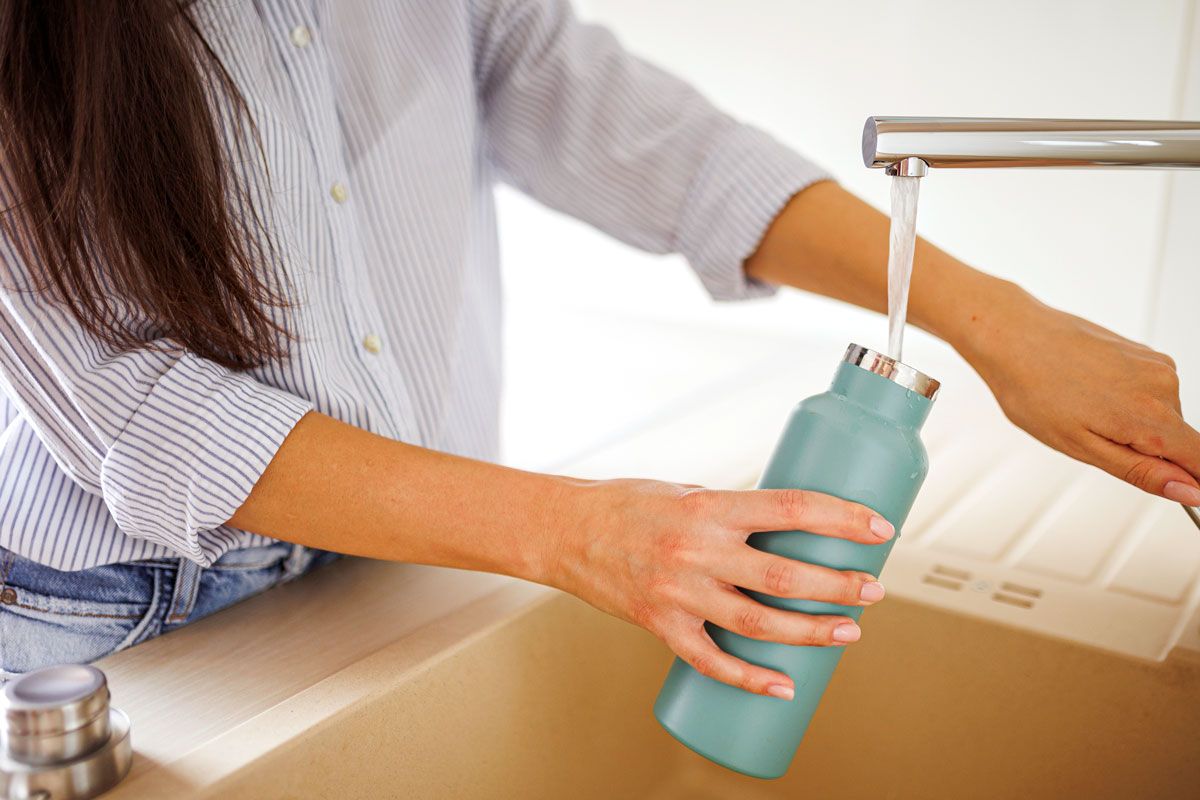
Stay Hydrated
The humidity in an airplane is around 20%, resulting in issues like dry skin and eye irritation. To combat dehydration, the Aerospace Medical Association recommends drinking 8 ounces of water for every hour you are in the air and avoiding drinking alcohol. Also, pack skin moisturizer and hydrating eye drops in your carry-on.
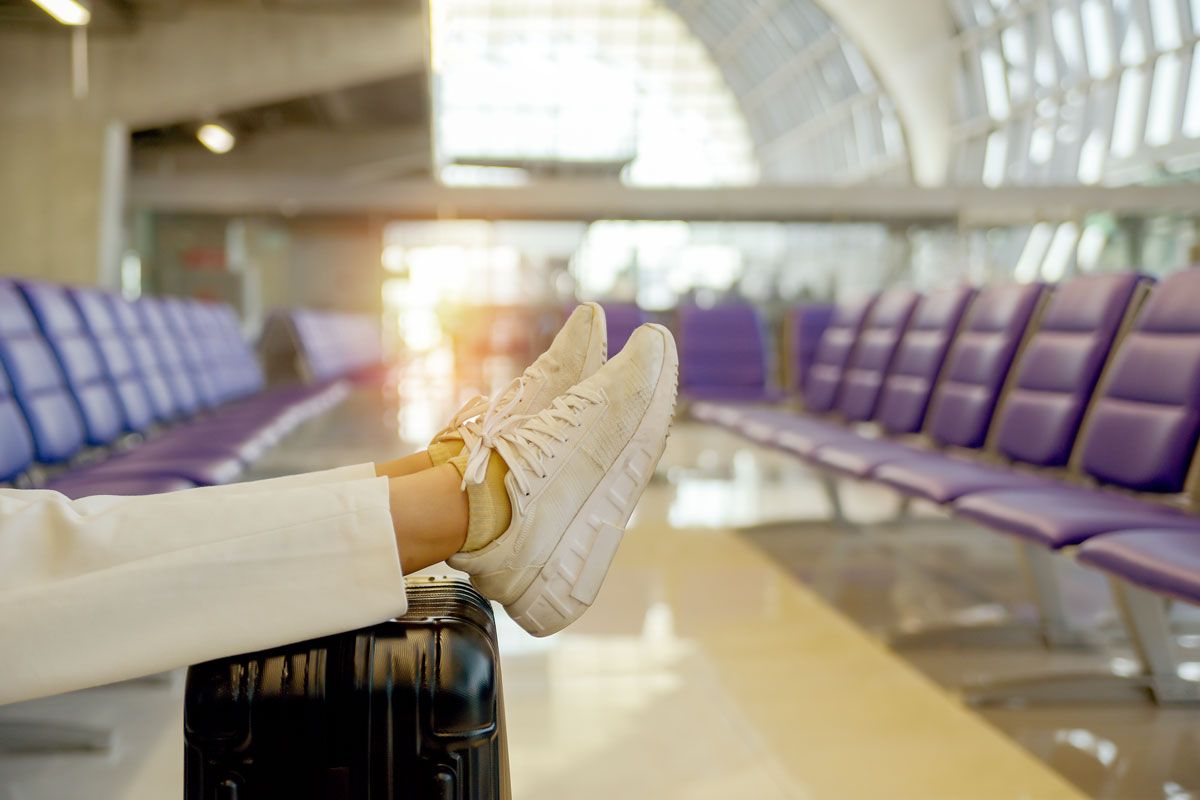
Stretch Your Legs
Since airplanes have limited legroom, it’s important to stand up and stretch, especially on longer flights. Walking the aisle helps blood flow, reducing cramps. If you’re unable to get up, try doing calf raises or twisting your back from side to side in your seat.
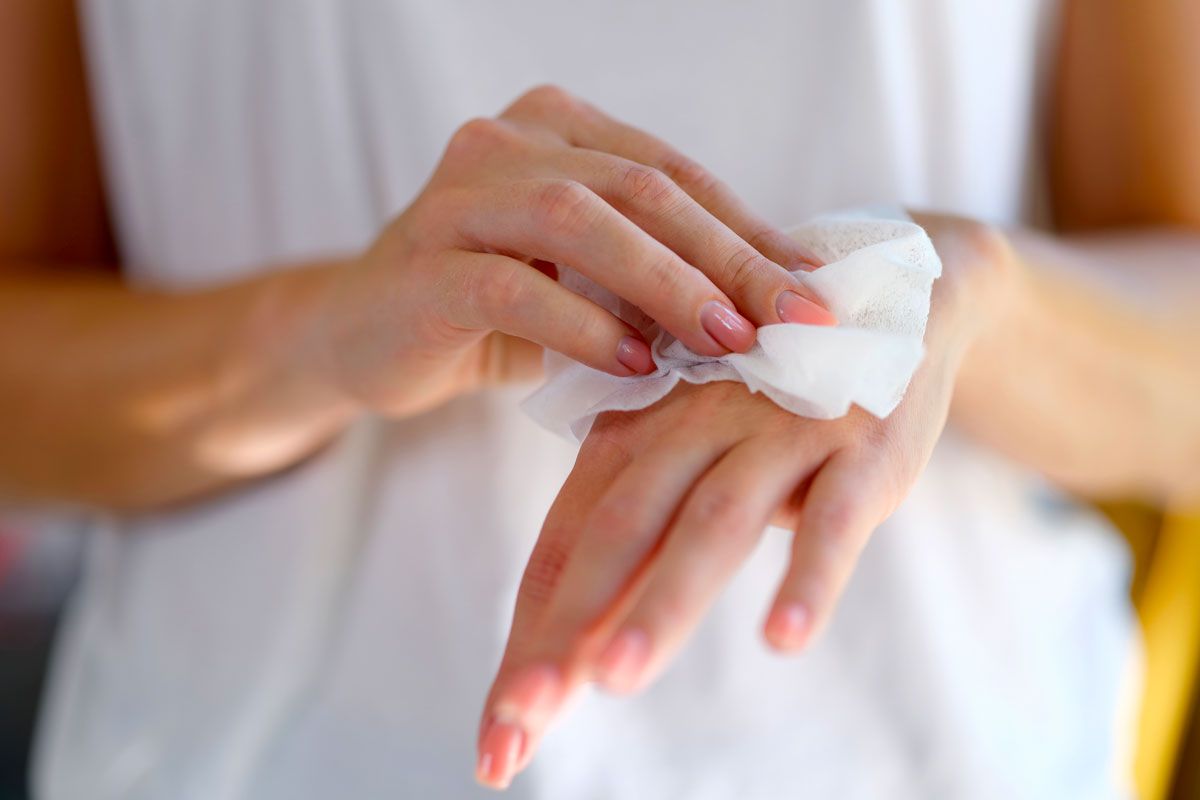
Bring Sanitizing Wipes
While cleaning crews work hard to prepare flights for the next round of passengers, it can be difficult to catch everything. Be sure to pack sanitary wipes in your carry-on. When you reach your seat, wipe it down along with the armrests, window shade, and fold-down table.
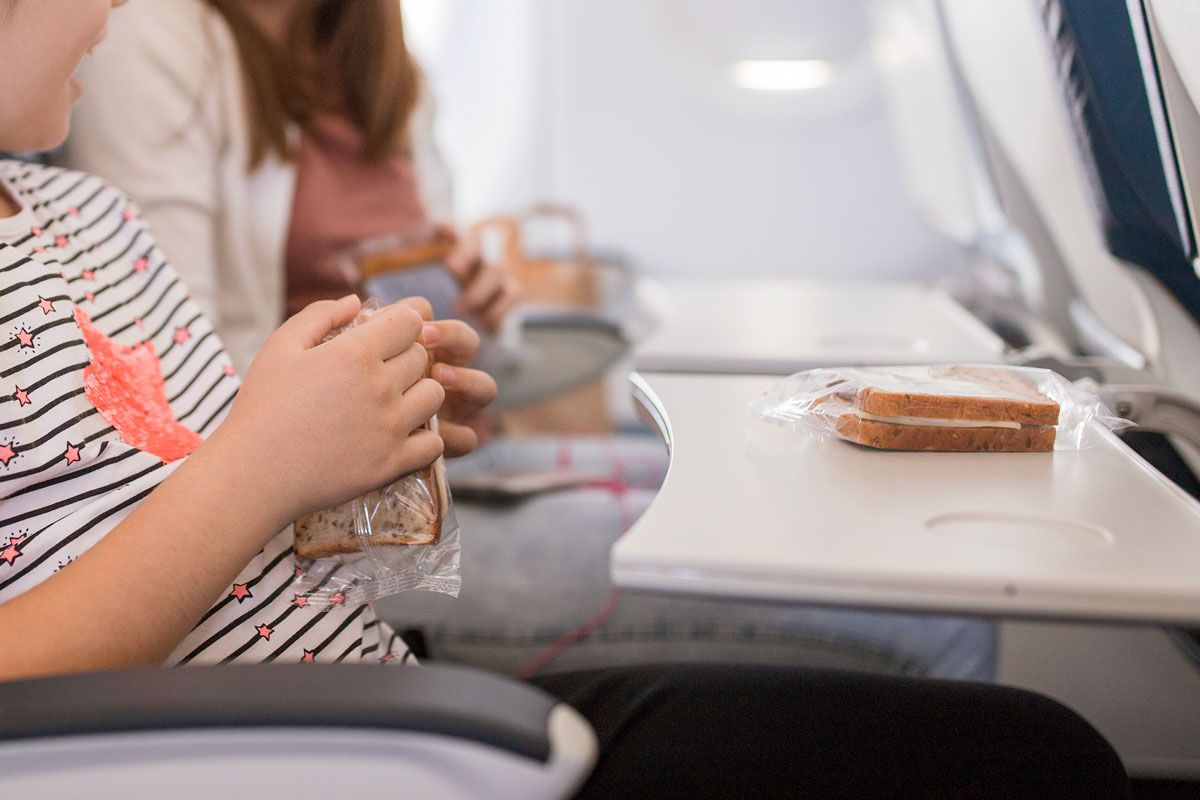
Pack Healthy Snacks
It’s easy to get caught up at the airport and buy an overwhelming amount of expensive, unhealthy plane snacks. Next time, pack healthy snacks in your carry-on, such as granola bars, sandwiches, and fresh vegetables, instead of blowing your money and calories.
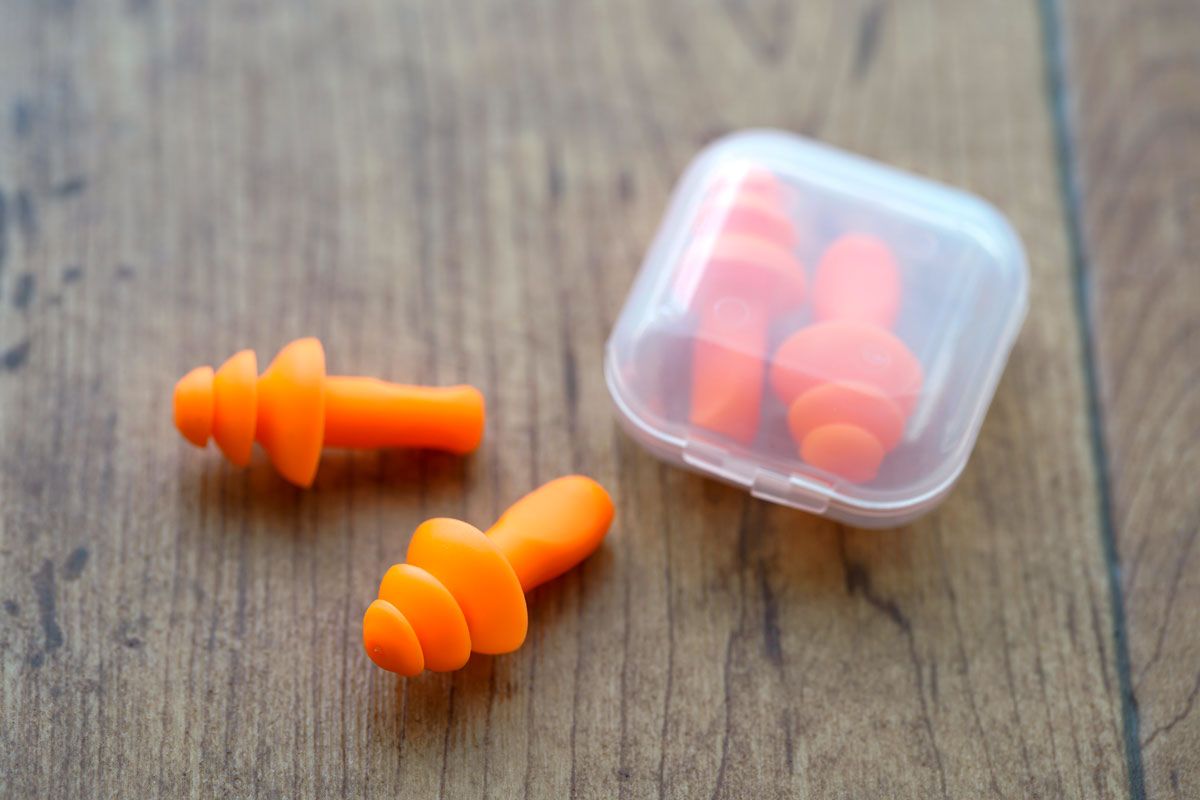
Protect Your Ears
Covering your ears protects them from the high decibel levels associated with flying. Generally, the sound in an airplane cabin during takeoff and landing can reach 105 decibels, while cruising hovers around 85 decibels — both higher than the 60 decibels experienced during a normal conversation. While you probably won’t be on the plane long enough to experience adverse effects, using earplugs or noise-canceling headphones will soften the roar of your flight.
Featured Image Credit: choochart choochaikupt/ iStock