This Is the Most Expensive Supermarket in the U.S.

Thanks to the rising cost of fresh vegetables, coffee, beef, and other essentials, buying groceries feels like more of an onerous expense with each passing day. This is especially true at certain chains that charge higher average prices than their competitors.
If you’re one of the many Americans who yearn for a lower grocery bill, it’s best to avoid costlier supermarkets. And thanks to the experts at the trusted brand Consumer Reports, we know the stores where you’re likely to pay more. They analyzed the cost of commonly purchased items sold by mainstream grocery chains in six regional U.S. locations, and put together a list of the most (and least) expensive supermarkets.
About the Rankings
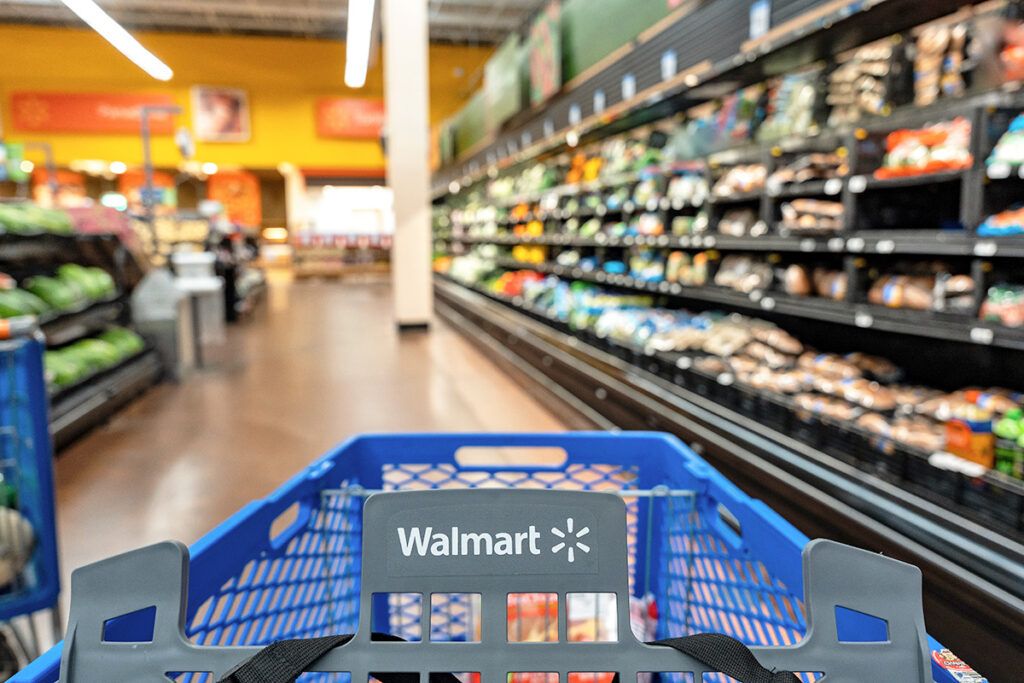
Before we discuss the most expensive supermarket, it’s worth noting a few things about the methodology used by Consumer Reports. All the prices they compiled reflect sales and discounts available with free loyalty cards, and exclude any discounts that could be attained through coupons or smartphone apps. Prices were gathered in person in late summer 2025. The publication used Walmart — the largest grocery retailer in the county — as a baseline average, determining a percentage difference in the total cost between Walmart groceries compared to food bought at other chains.

Reader Favorites


The Most Expensive
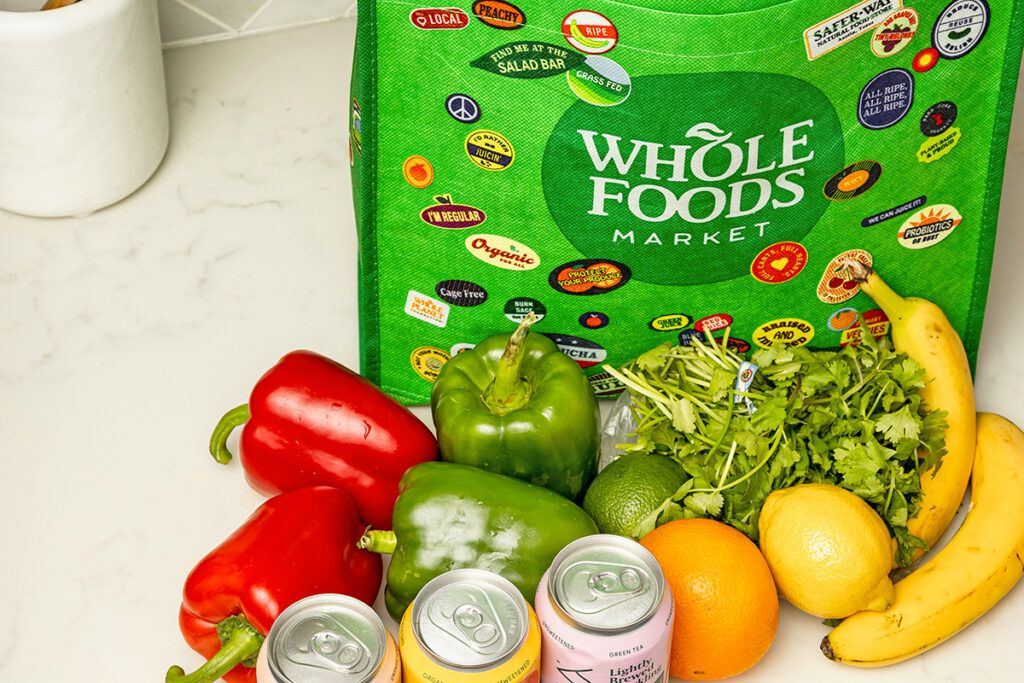
At the very top of the national list is Whole Foods, coming in at 39.7% more expensive than Walmart. After the analysis was published in February 2026, Whole Foods contacted Consumer Reports to say that the company’s prices reflect factors important to its customers, such as ingredient sourcing, and that it has reduced prices on 25% of its items in the last 18 months. Nevertheless, Whole Foods remains atop the list.
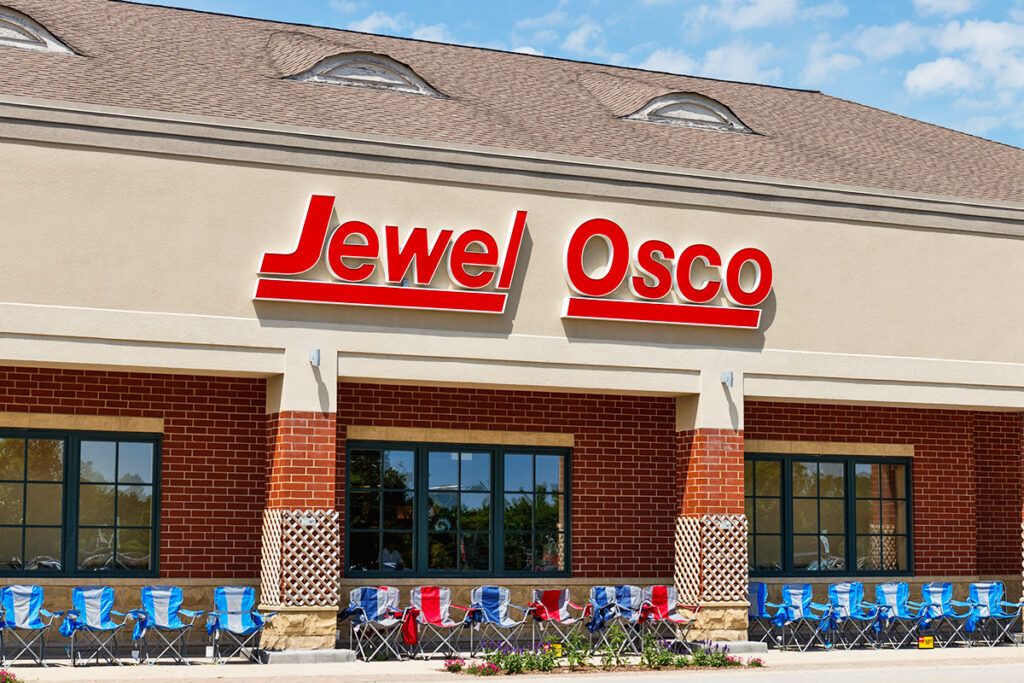
Rounding out the top five most expensive supermarkets are the New England-based chain Shaw’s (+31.9%), the Texas-based El Rancho (+30.1%), and two stores primarily located in Illinois: Jewel-Osco (+29.7%) and Mariano’s (+27.6%). And in what might be a surprising twist for fans of Trader Joe’s, that chain was the ninthmost expensive in the U.S., costing 24.6% more than Walmart. Target, meanwhile, was a mere 5.9% more expensive than the baseline.
The Least Expensive
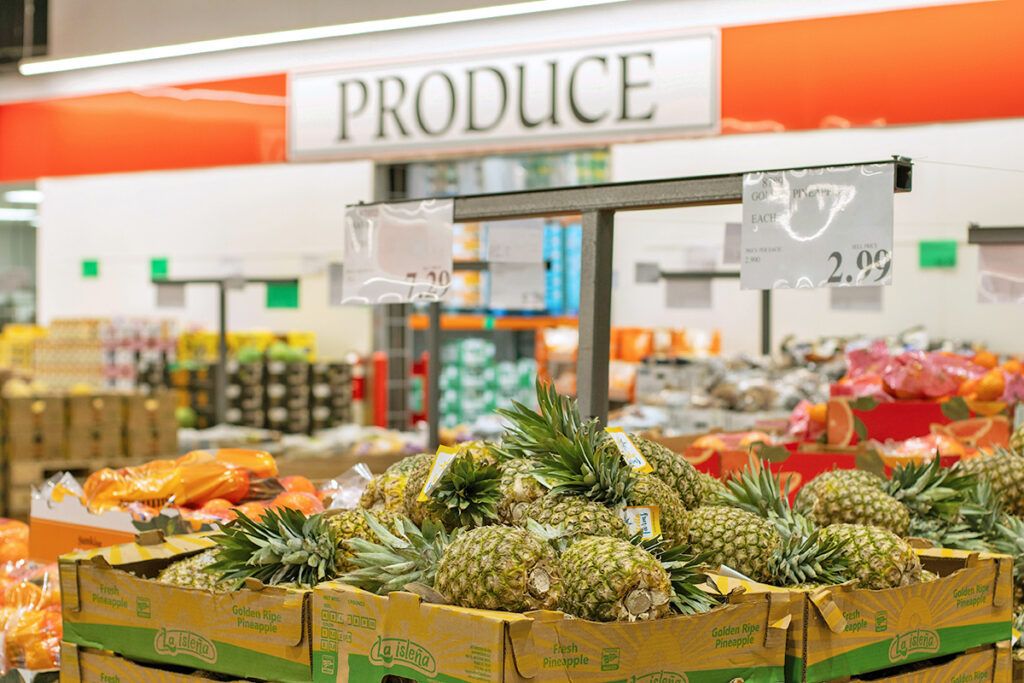
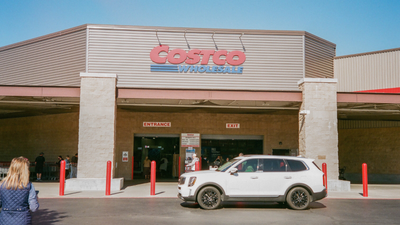
Across the nation, six grocery chains rank as more affordable than Walmart. The most affordable of the bunch is Costco Wholesale, where customers might expect to pay 21.4% less on groceries than the national average.
BJ’s Wholesale Club is next at 21.0% cheaper than Walmart. Other inexpensive supermarkets include the East Coast chain Lidl (-8.5%), the nationally known brand Aldi (-8.3%), the Western/Midwestern-based WinCo (-3.3%), and the Texas-based H-E-B (-0.2.%).
Regional Differences
Consumer Reports looked at six regions as part of the study: Boston, Chicago, Dallas/Fort Worth, Denver, Los Angeles/Southern California, and Virginia Beach. While Walmart was the baseline for all, there were a few regional differences when it came to the most expensive supermarket.
Whole Foods was the most expensive grocery store in four of the six regions. Prices were highest in Virginia Beach, where Whole Foods cost 57.7% more than the baseline. But Whole Foods was the second-most expensive supermarket in both Chicago, where Jewel-Osco topped the list (+29.7%), and Denver, where the most expensive grocery store was Trader Joe’s (+30.0%).
When it came to the most affordable chain, there was no straying from the national norm: Costco came out on top in each region — especially in Boston, where Costco’s grocery prices were 37.0% lower than the baseline average.
Key Takeaways
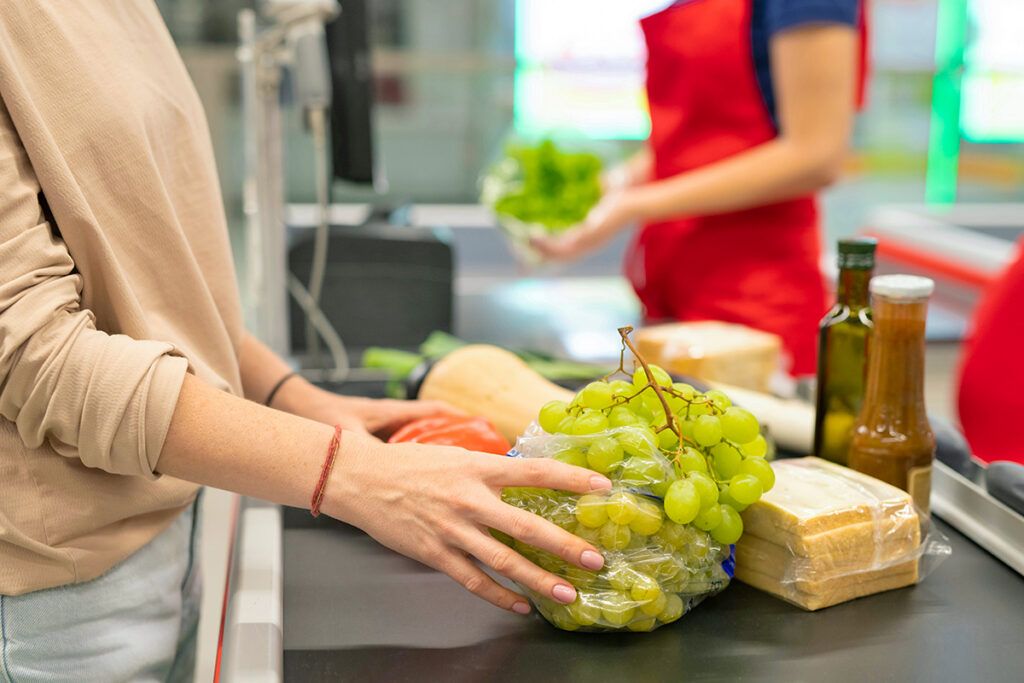
If you’re looking for a more affordable grocery experience, shopping at wholesale chains such as Costco or BJ’s might be the way to go. Walmart is also an ideal option, especially considering its convenience and the fact that around 90% of Americans live within 10 miles of a Walmart or Sam’s Club subsidiary.
To see the complete breakdown of national and regional rankings, head to Consumer Reports.
Featured Image Credit: © Getty Images/Unsplash.com
More From Our Network
Better Report is part of Inbox Studio, an email-first media company. *Indicates a third-party property.






Bennett Kleinman is a New York City-based staff writer for Inbox Studio. He is also a freelance comedy writer, devoted New York Yankees and New Jersey Devils fan, and thinks plain seltzer is the best drink ever invented.
This article is for general informational purposes only.
Affiliate Disclaimer Medical Disclaimer Financial Disclaimer